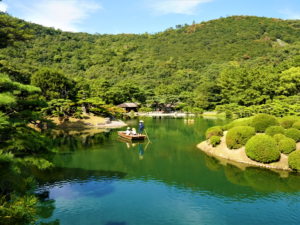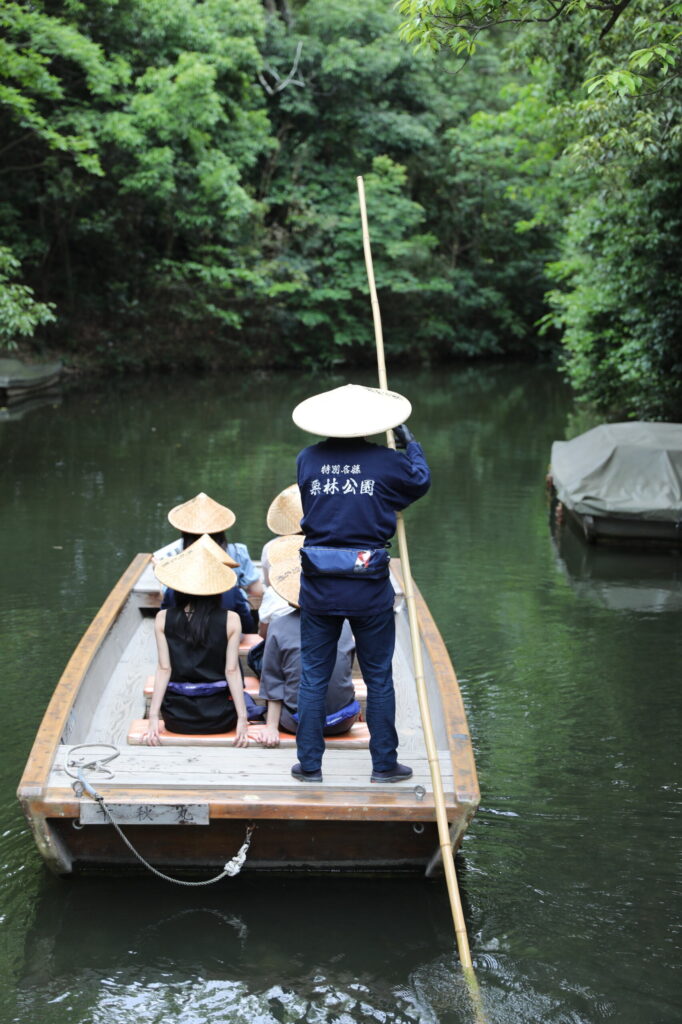
Shikoku, the smallest and wildest of Japan’s four main islands, has been a place to return to oneself for centuries. Its natural splendor, living spiritual practices, and authentic traditions make it the perfect destination for discovering the real Japan. In other words, it has everything you want from adventure travel in Japan.
Yet for such a compact island, the sheer variety of experiences can feel overwhelming. This guide introduces Shikoku’s most rewarding adventure travel opportunities, and how to weave them into a journey that aligns with your own sense of exploration.
Layers of Culture, Nature, and Life
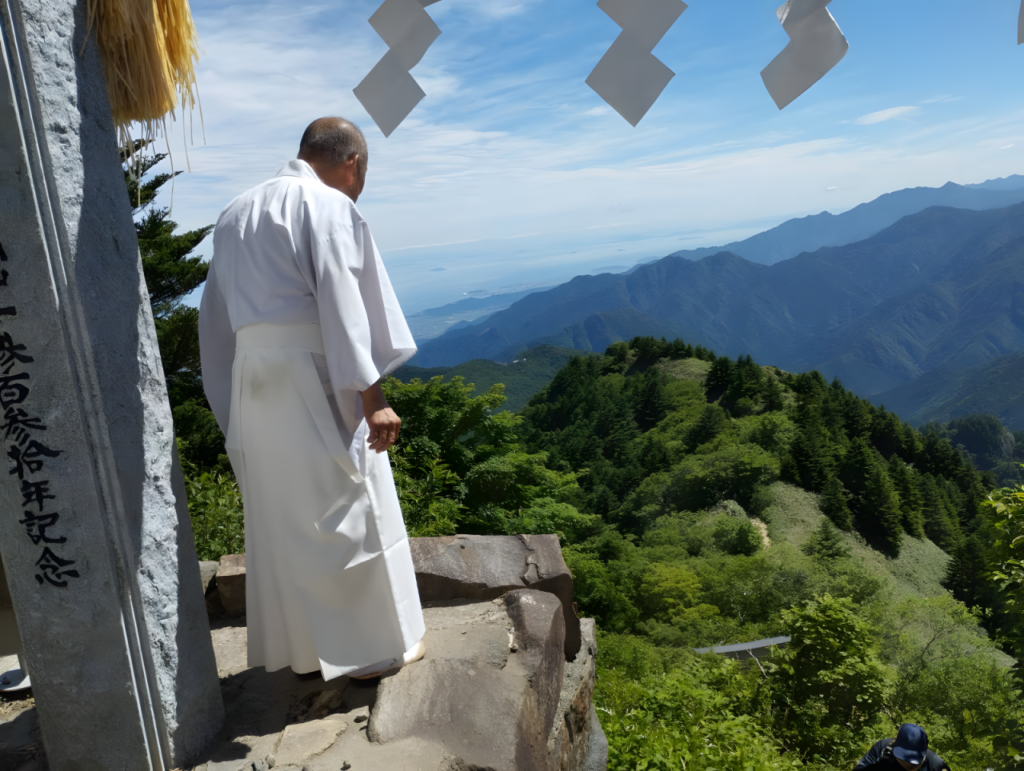
Adventure travel in Japan and Shikoku emerges from the overlap of landscapes, traditions, and ways of life.
You might begin your day walking a forested trail, pause at a mountain temple where time seems to stand still, and end it soaking in an onsen once praised by emperors. Along the way, you encounter world-class cycling routes, dramatic river systems, and culinary traditions shaped by both the Seto Inland Sea and the Pacific Ocean.
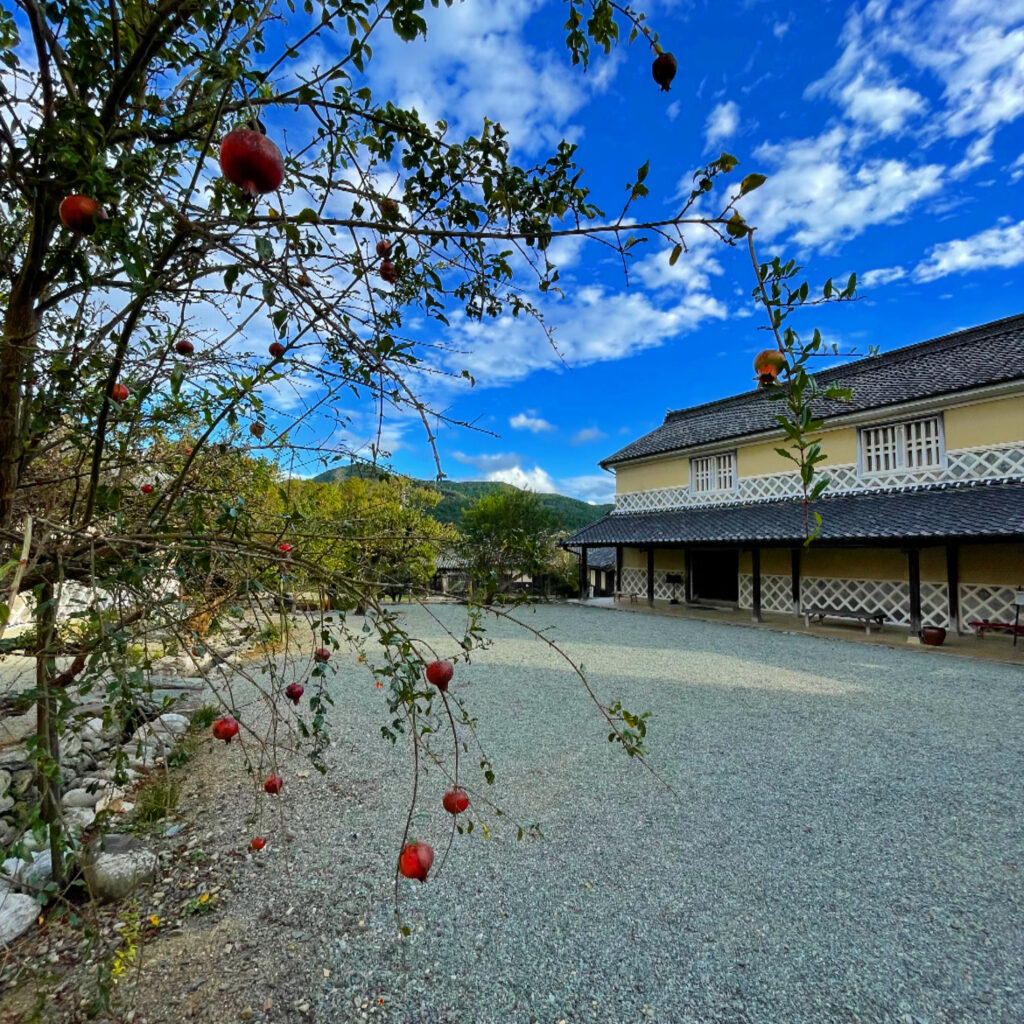
Highlights include:
- The 88 Temple Pilgrimage, one of the world’s great spiritual journeys
- Sacred mountain landscapes shaped by ascetic practice
- Historic hot springs such as Dogo Onsen
- Hidden valleys like Iya, home to remote villages and vine bridges
- The Shimanami Kaido, one of the world’s most scenic cycling routes
- Renowned regional cuisine, from pristine seafood to bold Kochi flavors
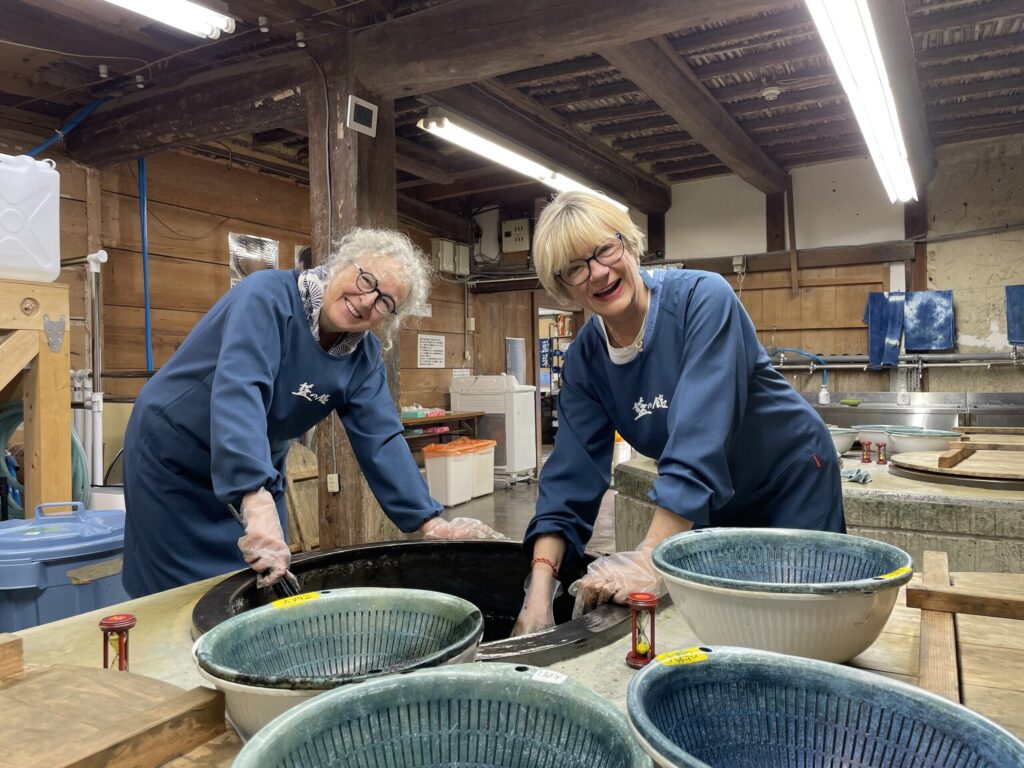
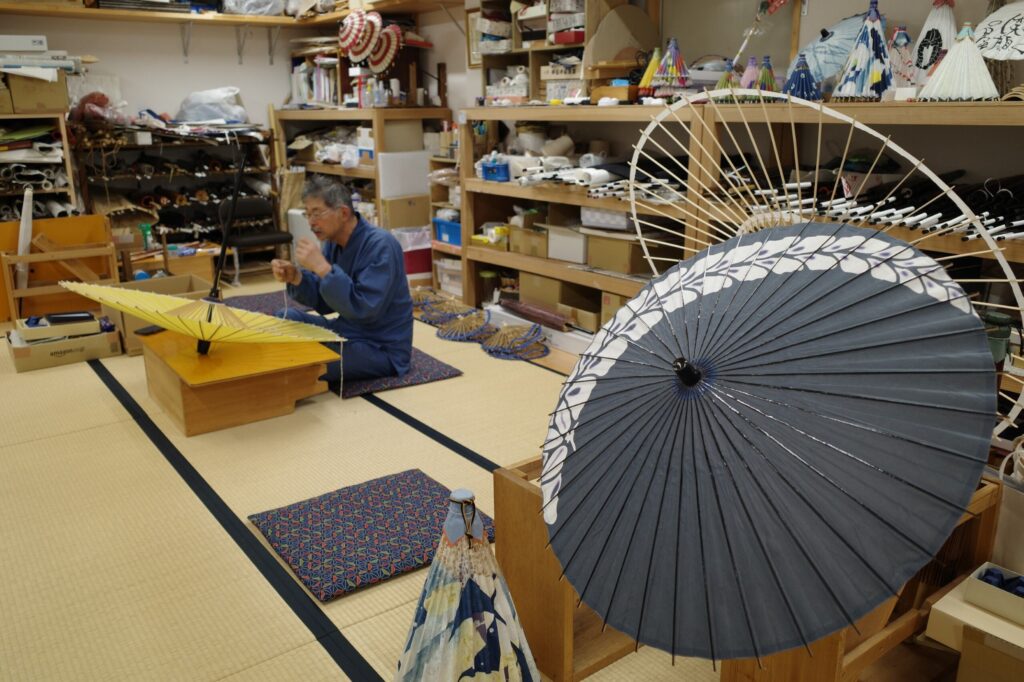
- Traditional crafts such as indigo dyeing, handmade paper, and blade forging
- Performing arts including Awa Odori dance and Geiko entertainment.
What makes Shikoku unique is how these elements intersect. Culture is not separate from nature; spirituality is not confined to temples, and play is a theme that runs beneath it all. The mix forms a cultural landscape completely unique to Shikoku.
Shikoku’s Nature
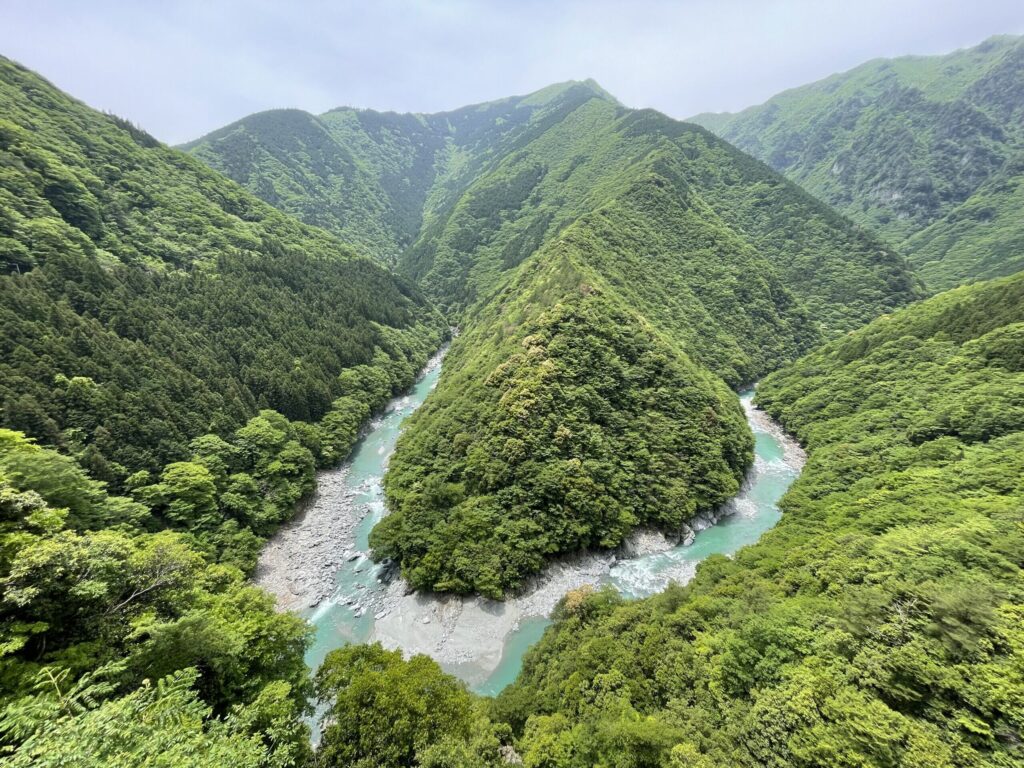
Shikoku’s rugged mountains, clear rivers, and dramatic coastlines form the foundation of every journey on the island. Around 70% of Shikoku is mountainous, and this topography has always shaped its culture, craft, and spirituality.
For travelers looking to experience off-the-beaten-path adventure travel in Japan, Shikoku offers a rare combination of accessibility and untouched beauty.
Hiking in Shikoku
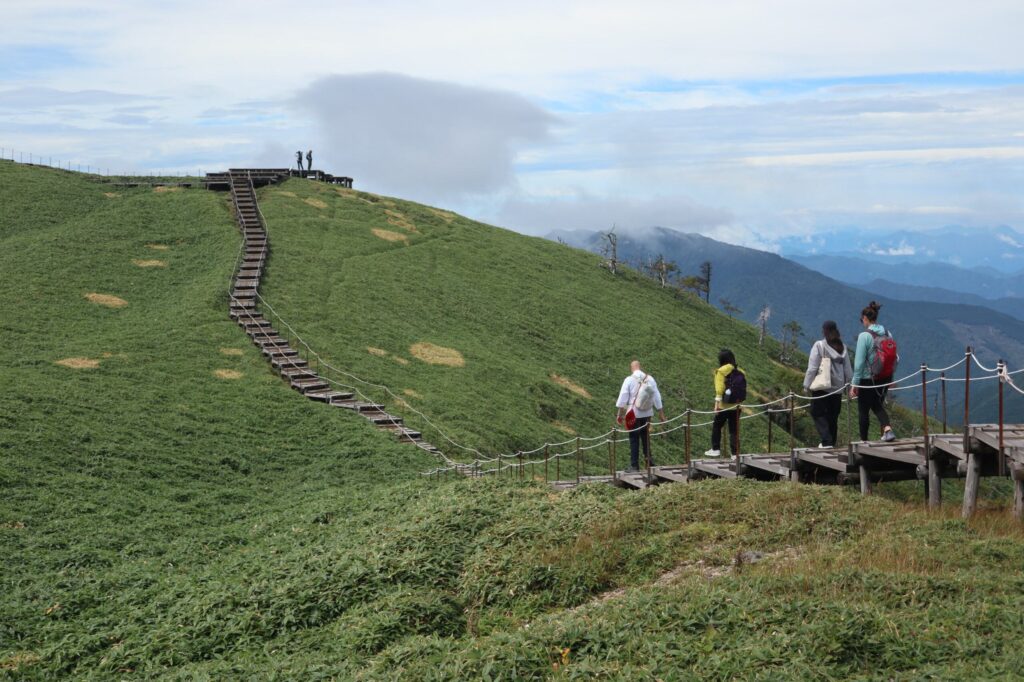
Shikoku’s mountains are not only visually striking, they are deeply sacred landscapes.
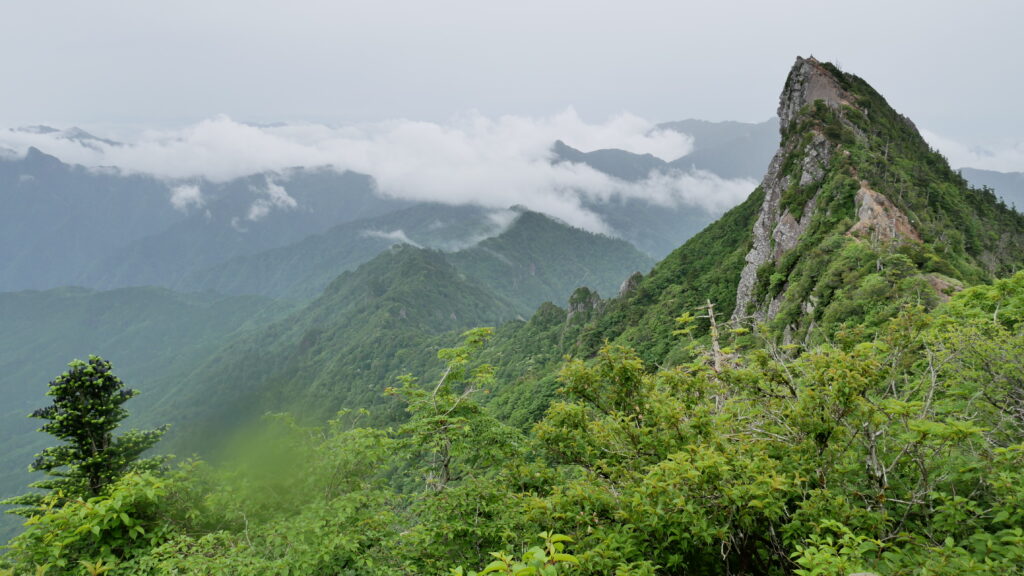
Mount Ishizuchi and Mount Tsurugi, counted among western Japan’s 100 Famous Mountains, offer some of the most rewarding hikes in the country. Trails pass through dense forests, along ridgelines, and into spaces long associated with mountain asceticism.
Apart from famous peaks, sections of the pilgrimage known as henro korogashi (“pilgrim-trippers”) provide challenging but deeply memorable passages through forested areas.
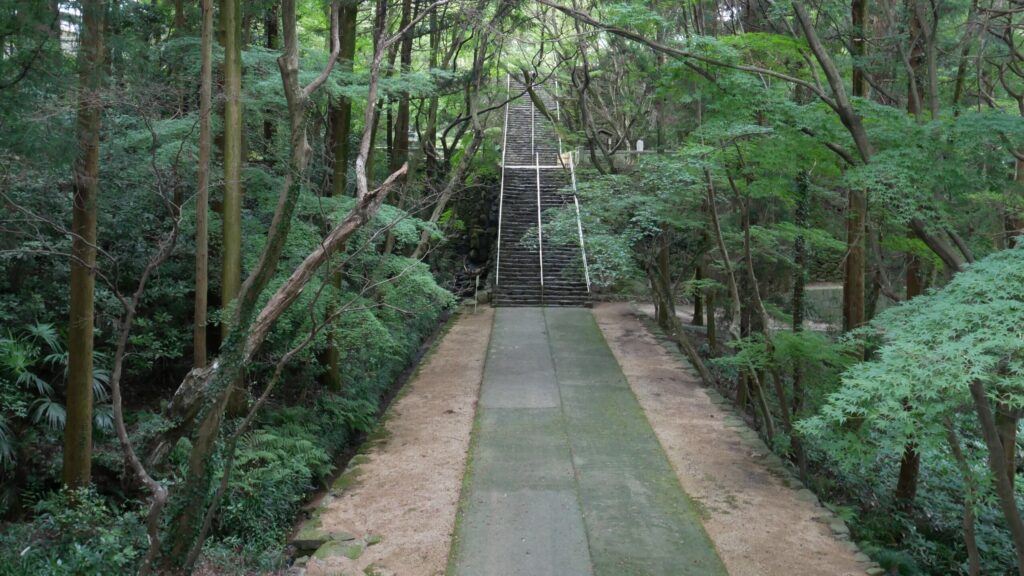
What sets hiking in Shikoku apart is the constant interplay between nature and spirituality. Beyond the grand vistas and ancient forests, stone statues, small shrines, and temple paths appear unexpectedly, constant reminders of place, purpose, and history. This natural and cultural layering is one of the hallmarks of great adventure travel in Japan.
Cycling in Shikoku
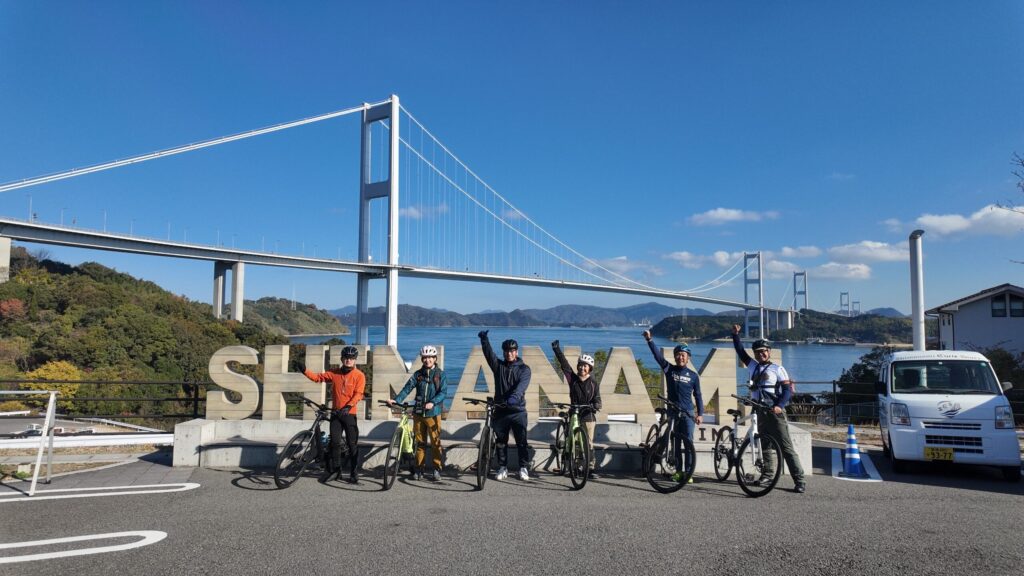
Shikoku’s varied geography makes it a paradise for cyclists.
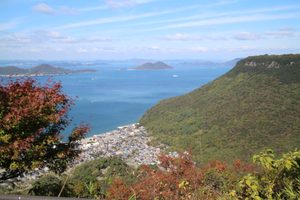
From coastal routes to mountain climbs, the island offers options for every level. The Shimanami Kaido stands out as one of the world’s premier cycling routes, linking islands across the Seto Inland Sea with panoramic ocean views. For a deeper look at cycling opportunities, see our dedicated guide:
https://shikokutours.com/shikoku-cycling/
Soaking in Shikoku’s Rivers
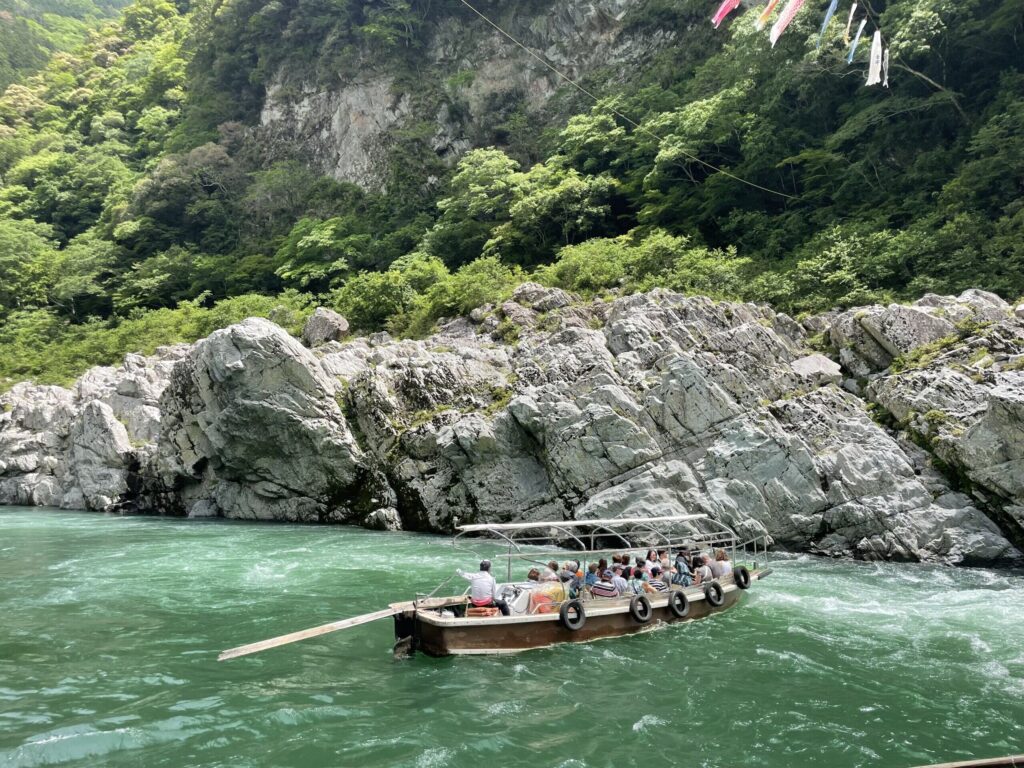
Few regions in Japan offer such intimate access to pristine waterways.
- The Niyodo River, famous for its crystal-clear “Niyodo Blue,” is ideal for stand-up paddling
- The Yoshino River offers everything from gentle cruising to exhilarating whitewater rafting
- The Shimanto River, often called Japan’s last clear stream, provides a slower, more contemplative experience
Shikoku Lives: Exploring Culture, Craft, and Community
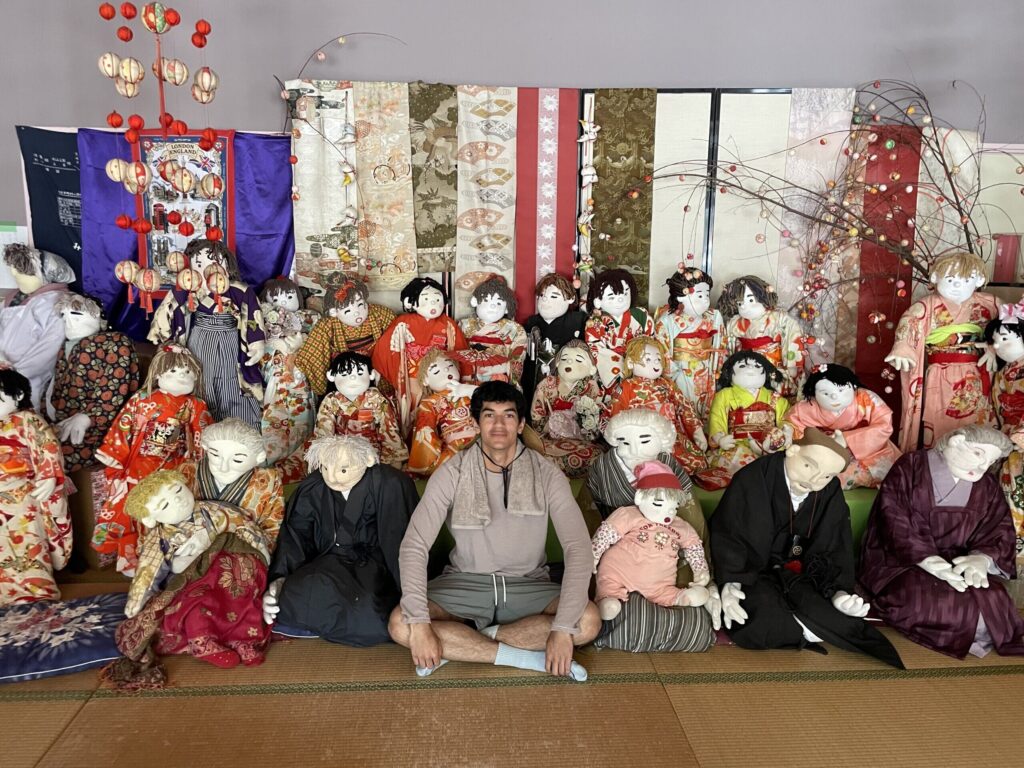
Beyond its landscapes, Shikoku’s greatest richness lies in its communities and living traditions. Shikoku boasts a huge number of craft workshops and cultural immersions in authentic settings. Shikoku is off the beaten track, and experiences are intimate and real. You don’t have to fight your way through a throng of tourists to hear the instructor. This makes Shikoku a uniquely alluring destination even compared to other destinations for adventure travel in Japan.
Traditional Townscapes and Workshops
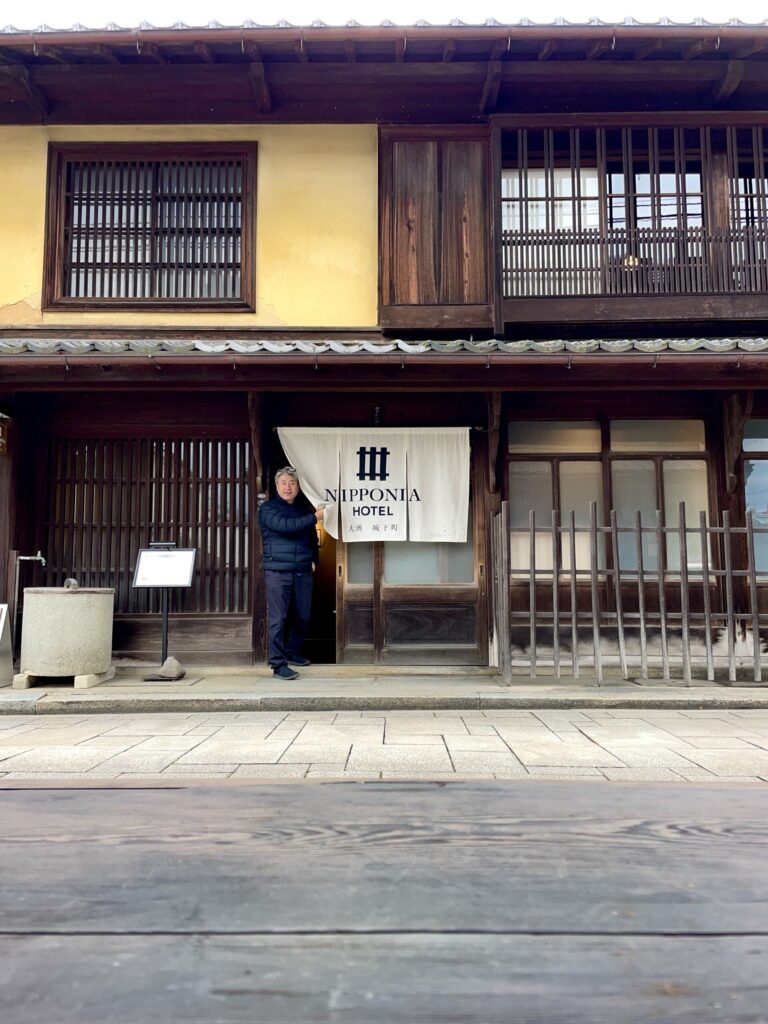
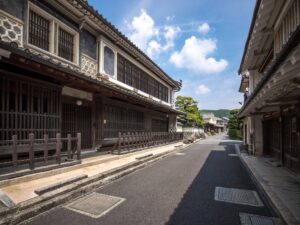
Historic towns such as Wakimachi, Uchiko, and Ozu reveal a different layer of heritage. Indigo dyeing, wax production, and papermaking continue not as museum pieces, but as living crafts. In experiences guided by working craftspeople, visitors can often create their own pieces, taking home something far more meaningful than a souvenir. The craftspeople are eager to share about their craft, making for many memorable conversations and insight into how new generations are creatively stewarding traditions in innovative ways.
Hidden Hamlets
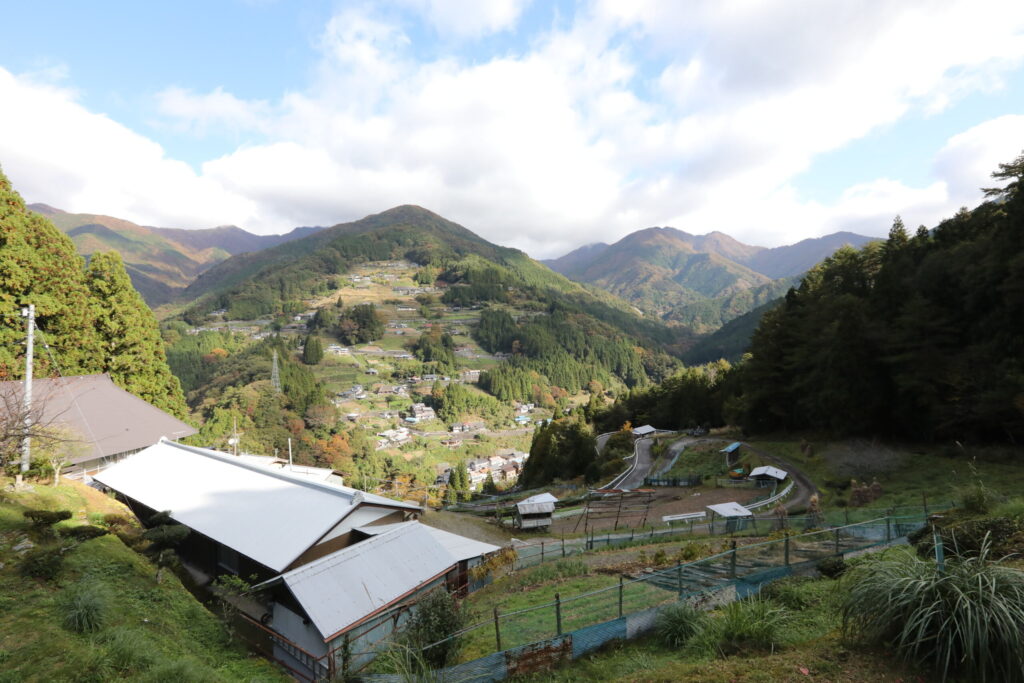
With 70% of its surface covered in mountains, Shikoku is home to some of Japan’s most staggering alpine villages. In the Iya Valley, steep mountains have preserved a way of life centered on agriculture, seasonal cuisine, and deep respect for the natural world. Experiences here, from farm stays to hands-on cultural activities, offer unforgettable insight into rural Japan.
Unwinding in Style
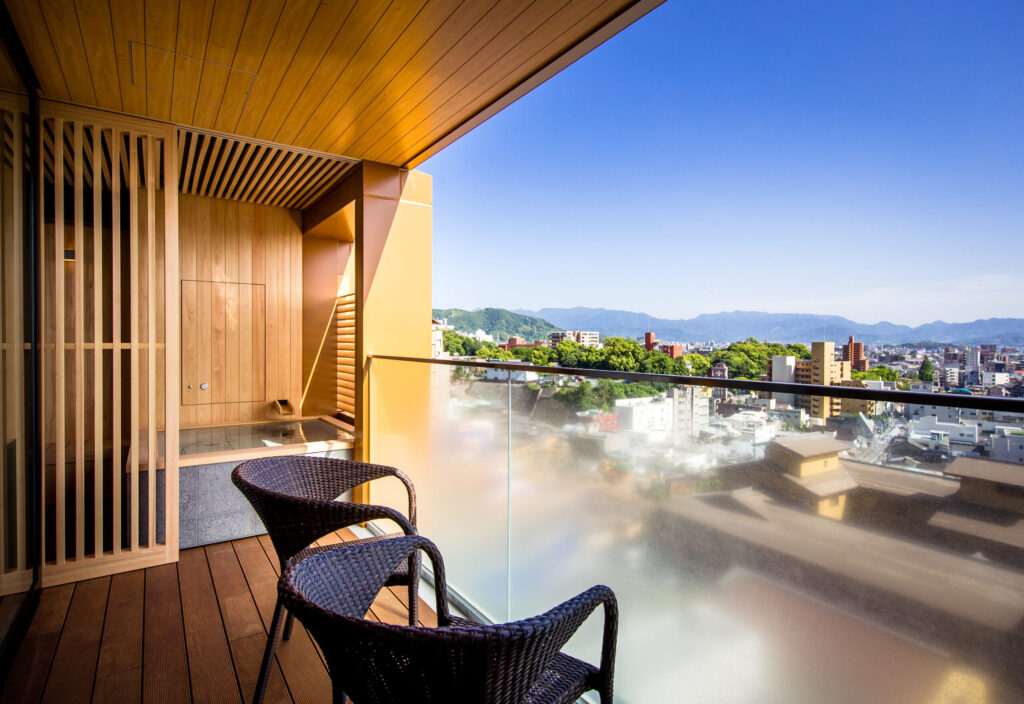
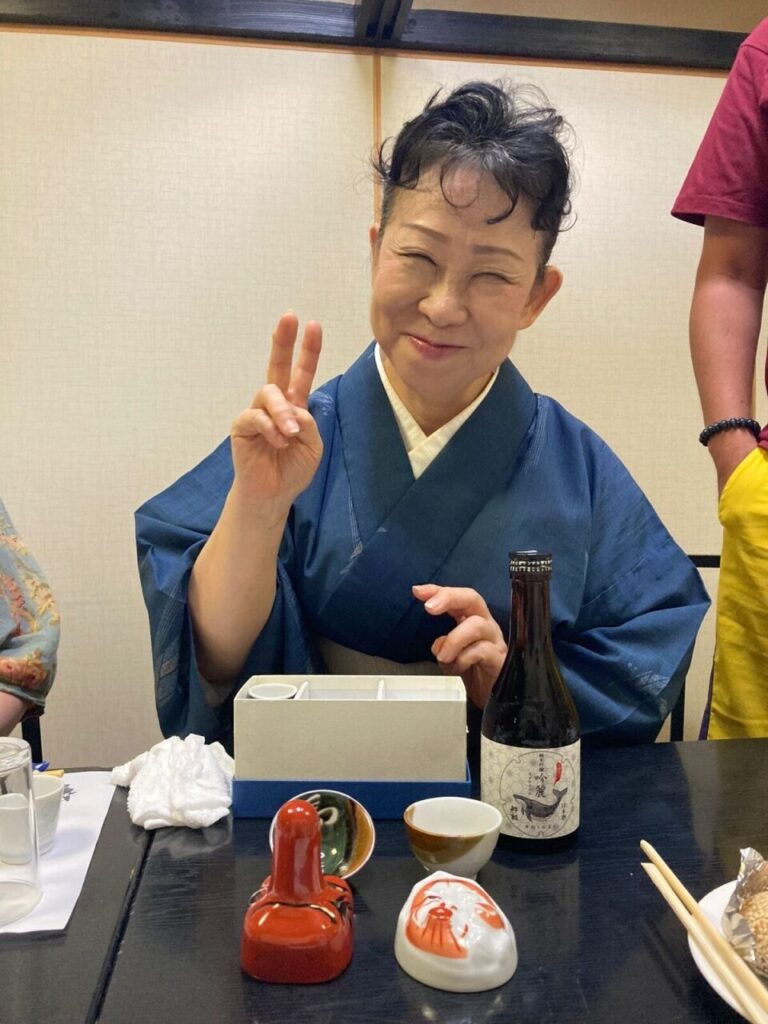
As much as a place of nature, craft, and spirituality, Shikoku has always been known as somewhere to unwind and have a good time with a soak in a hot spring and a good glass of sake. In Dogo, one of Japan’s oldest hot spring towns, onsen culture blends with refined arts such as geiko entertainment. A rest day to unwind in Dogo’s healing waters before laughing over drinks and parlor games with the Geiko of Hanahimero Tea House is the perfect way to recharge between adventures.
On Shikoku’s southern coastal city of Kochi, the area around scenic Kochi Castle is packed with fantastic eateries, including the lively Hirome Market. Whether you’re the outgoing type hoping to connect with locals over drinks, or want to enjoy the city’s spectacular seafood in a more intimate setting, Kochi is an unmissable foodie destination.
Inner Frontiers: Shikoku’s Rich Spiritual Heritage
For all of its recorded history, Shikoku has been a destination for pilgrims seeking to test their limits, turn within, and return to reality. Visitors have the opportunity to engage ancient techniques of purification and reflection on locals’ terms.
The 88 Temple Pilgrimage: Beyond Hiking
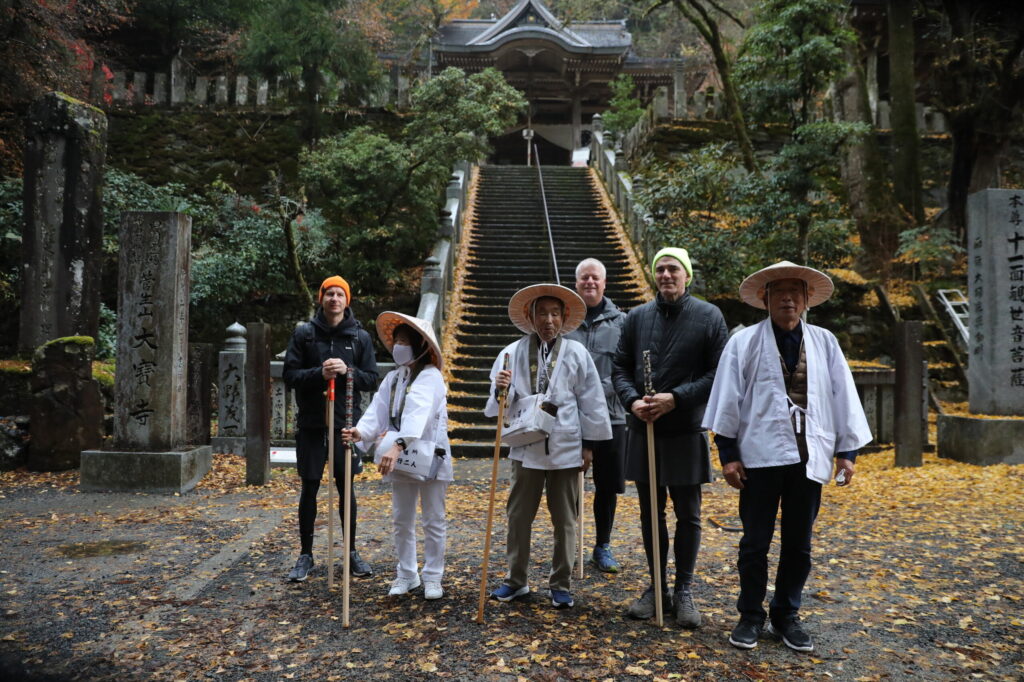
The Shikoku 88 Temple Pilgrimage is a 1,200-kilometer circuit that has drawn pilgrims for over a millennium. It has grown organically over the centuries, and even now is primarily cared for by local communities rather than tourism boards. It is a precious, living tradition open to anyone, and deserves to be part of any serious itinerary of adventure travel in Japan.
While often approached as a long-distance walk, the pilgrimage is better understood as a flexible spiritual framework. Travelers can engage with it in many ways—from short walks between temples to curated journeys that balance movement with cultural depth.
Learn more here:
https://shikokutours.com/shikoku-pilgrimage/
- City walking routes offer accessible entry points, and are suitable for those who are looking for a complete pilgrimage experience in addition to stretches in nature. Temples tend to be closer together and larger, offering a look both at how Japanese pilgrims approach the route, and how locals interact with pilgrim travelers.
- Remote mountain sections provide deeper immersion in nature. These challenging sections offer time for reflection, and the unforgettable sensation of arriving at remote temples after a challenging hike.
There are as many approaches to the pilgrimage as there are pilgrims. Check out our planning guide to the pilgrimage here: https://shikokutours.com/shikoku-pilgrimage-cost/
Purification in Nature
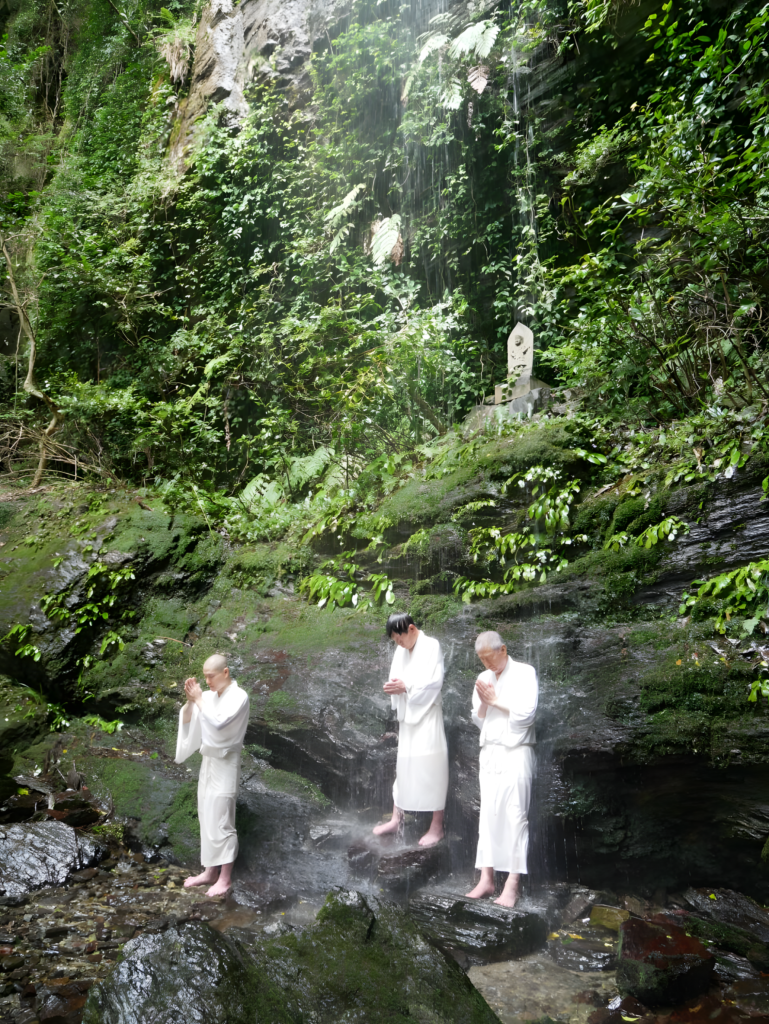
Shikoku is also a gateway into Shugendō, Japan’s tradition of mountain ascetic practice. Blending elements of Buddhism, Shinto, and folk belief, Shugendō emphasizes direct experience, training the body and mind through nature. Understanding this unique approach to spirituality unlocks context for many other experiences during adventure travel in Japan.
Opportunities include:
- Sacred climbs of Mount Ishizuchi and Mount Tsurugi, guided by religious practitioners. The presence of these guides elevates climbs beyond hiking and transforms them into a comprehensive crash course in Japanese spirituality.
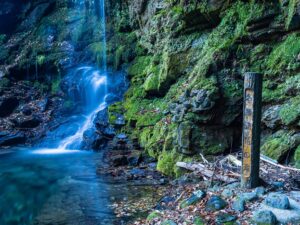
- Takigyo waterfall meditation and misogi purification in shrines and temples. Religious specialists guide practitioners through one of Japan’s most striking rites of purification, and the philosophy that underpins it.
Experiencing Buddhism and Shinto
Buddhism and Shinto are vital parts of Japan’s colorful cultural tapestry. The difference between average travel and adventure travel in Japan is the opportunity to look deeper than statues and buildings and experience the living traditions themselves. For those interested in lived Buddhist and Shinto practice, Shikoku offers rare opportunities such as:
- Meditation experiences and calligraphy guided by Buddhist priests at temples such as Chikurin-ji
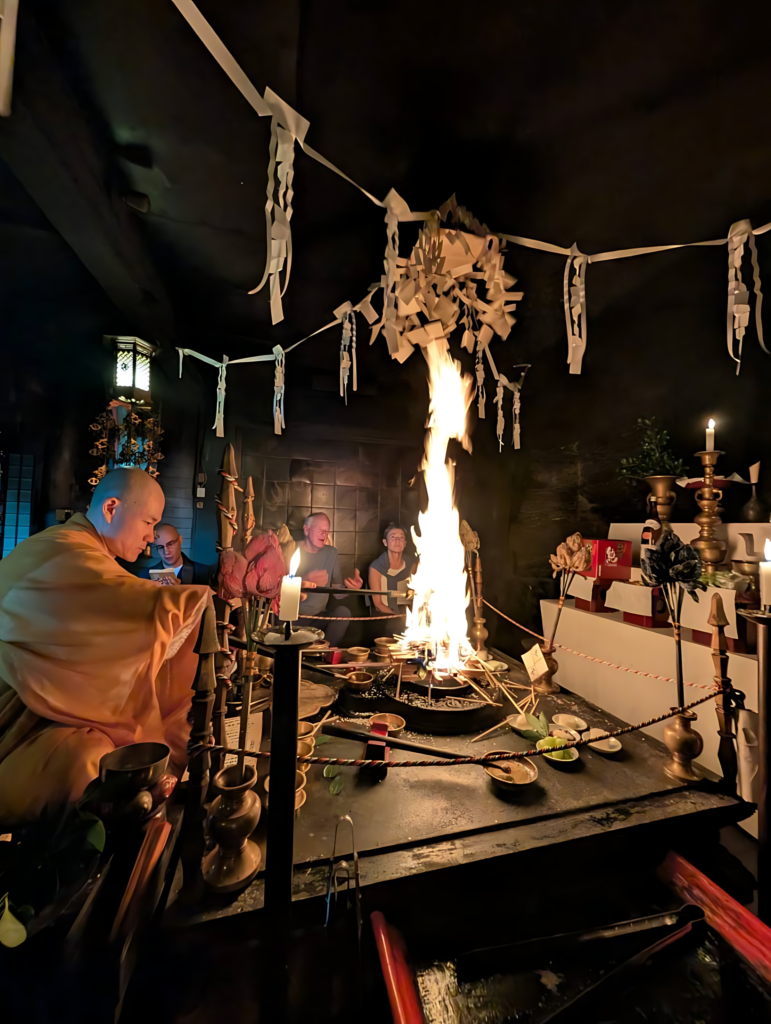
- Goma fire rituals, where Buddhist priests offer prayers into sacred flames.
- Ethereal morning and evening chanting services at pilgrimage temples like Zentsu-ji.
- Guided Seishiki Sampai, formal shrine visits with explanations from Shinto priests.
- Misogi purification at Ishizuchi Shrine.
Sacred Mementos of your Adventure
Spiritual travel in Shikoku leaves tangible traces:
- Ofuda–wooden placards inscribed with symbols of deities and empowered in ceremonies at shrines and temples. These are for hanging in your or your loved ones’ house as an “echo” of the power of the sacred site.
- Omamori–beautifully-designed sacred talismans you can hang on bags or car mirrors for health, safety, and good luck. These make great souvenirs to let loved ones back home know you’ve been thinking of them on your journey!
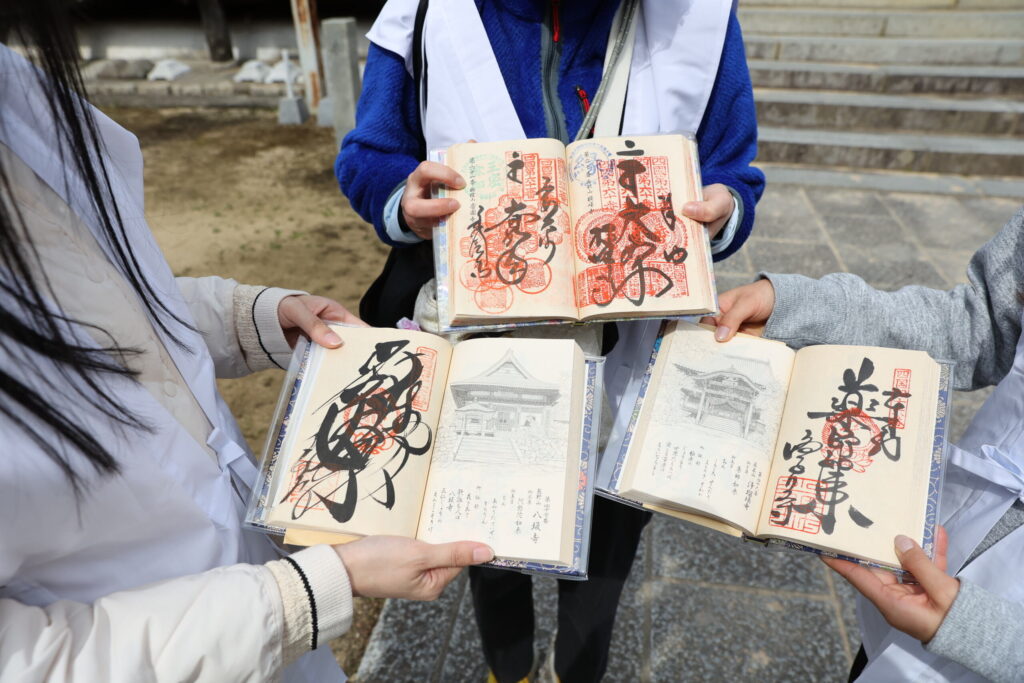
- Nokyocho–temple stamp books. There are dedicated stamp books for the entire 88-temple pilgrimage, and blank ones for those who plan to visit a selection of sacred sites on your trip. Calligraphers at each temple hand-brush unique characters before stamping the page with red seals to commemorate your visit. At the end of a trip you’re left with a one-of-a-kind memento of your journey.
Designing a Balanced Adventure in Shikoku
Shikoku is the ultimate destination for adventure travel in Japan because it has something for everyone. Below are some considerations to help you envision your trip to Shikoku.
Thematic Focus or Broader View?
Are you interested in taking a deep dive into a single theme, like pilgrimage, traditional craft, or heritage architecture? Or are you looking for a broad view of life and culture in Shikoku that includes some of everything?
On the Go or Laid-back?
Are you envisioning a high-paced tour with a new activity every day? Do want lots of moving around, like walks, hikes, and cycling? Or are you interested in relaxed travel, taking time both to soak in Shikoku’s culture and to unwind on your own terms?
Independent or Facilitated?
Are you comfortable navigating rural Japan on your own—managing transport, language barriers, and timing across remote areas? Or would you prefer a facilitated experience, where logistics are handled seamlessly and local context is woven into each moment?
Independent travel in Shikoku is undoubtedly an adventure, while traveling with a guide can help unlock cultural doors you might not even notice without them.
Experiential or Observational?
Would you like to actively take part—stepping into a temple ritual, preparing local dishes alongside your hosts, or engaging directly with artisans? Or do you prefer to observe from the outside, taking in these moments with space and perspective? Participation brings a sense of immediacy and connection, while observation allows for reflection. Shikoku offers both, but the balance you choose will shape the depth and texture of your journey.
Getting Around
Shikoku’s beauty often lies beyond major transport routes.
Narrow mountain roads, remote valleys, and hidden trailheads can be difficult to navigate independently. In remote areas we often have clients who ask “is this a one-way road?” just before a timber truck comes rolling around the corner.
Don’t let inaccessibility block you from a full experience of adventure travel in Japan. A private vehicle, whether chartered or rented, transforms the experience, offering flexibility, safety, and access to places that would otherwise remain out of reach. More importantly, it allows your journey to unfold entirely on your terms.
Designing Your Journey Through Shikoku
Adventure travel in Japan is at its best in Shikoku.
Here, quiet pilgrimage paths coexist with vibrant towns and festivals. Moments of stillness give way to celebration, and physical challenge opens into spiritual insight.
Rather than following a fixed route, the most rewarding journeys are those designed around your interests, pace, and curiosity.
If you are considering a tailored adventure through Shikoku, we invite you to explore the possibilities with us.
■Role:
Shikoku Travel Specialist, Tour Coordinator, and Shingon Buddhist Priest
■Experience:
10 years of lived experience in Japan, including over 6 years of in-depth study and practice in Japan’s religious traditions, particularly Buddhism, Shugendō, and Shinto.
I became a guide after experiencing firsthand how an understanding of Japan’s religious and cultural history can reveal deeper layers of meaning in even the simplest places. My aim is to help travelers connect with Shikoku not just as a destination, but as a living spiritual landscape, and to support them in discovering a more meaningful and personal journey.
■Role:
Shikoku Travel Specialist, Tour Coordinator, and Shingon Buddhist Priest
■Experience:
10 years of lived experience in Japan, including over 6 years of in-depth study and practice in Japan’s religious traditions, particularly Buddhism, Shugendō, and Shinto.
I became a guide after experiencing firsthand how an understanding of Japan’s religious and cultural history can reveal deeper layers of meaning in even the simplest places. My aim is to help travelers connect with Shikoku not just as a destination, but as a living spiritual landscape, and to support them in discovering a more meaningful and personal journey.