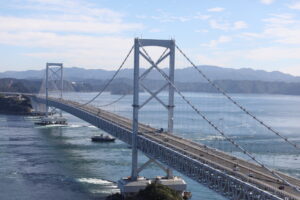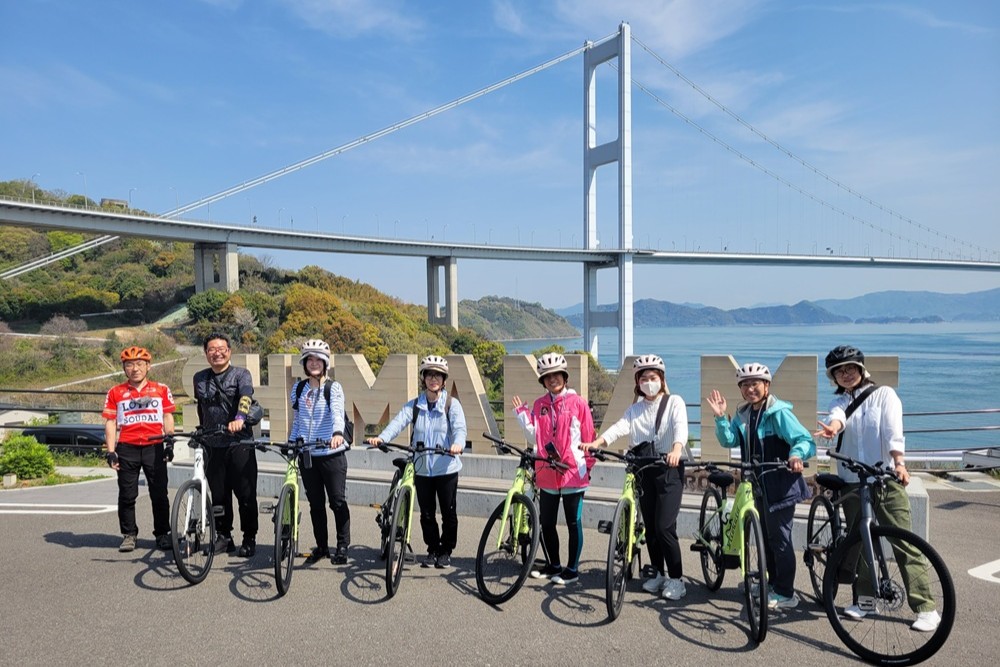
When people think of Japan’s most iconic cycling route, the first place that often comes to mind is the famous Shimanami Kaido, the spectacular chain of bridges connecting islands across the Seto Inland Sea. In recent years, it has earned worldwide recognition among international cyclists and become a symbol of Japan’s cycling culture. But beyond those bridges lies Shikoku — a region that still remains largely undiscovered by many overseas riders, despite offering some of the most extraordinary cycling terrain in Japan.
Why Shikoku is the Next Big Step After Shimanami Kaido
While the Shimanami Kaido delivers a breathtaking and seamless introduction to Japan’s coastal riding, it is merely the gateway to a much grander adventure. Crossing over into the mainland of Shikoku reveals a raw, deeply spiritual region where the landscapes grow vaster and the challenges become infinitely more rewarding.
Japan’s Last Cycling Frontier
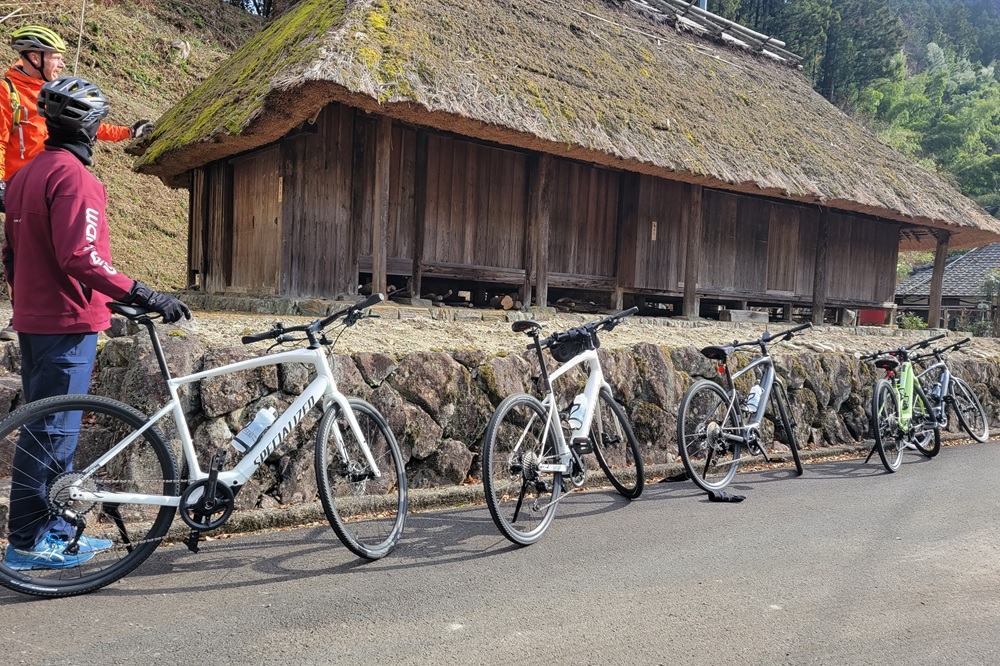
Shikoku is one of the most nature-rich regions in the country. Mountains rising above 1,500 meters, crystal-clear rivers, deeply indented ria coastlines, and traditional villages all coexist within a surprisingly compact area. For riders who have already experienced the iconic bridges of the Shimanami Kaido, crossing over into Shikoku is the ultimate next step—a true frontier waiting to be explored.
Shikoku is one of the most nature-rich regions in the country. Mountains rising above 1,500 meters, crystal-clear rivers, deeply indented ria coastlines, and traditional villages all coexist within a surprisingly compact area. For riders who have already experienced the iconic bridges of the Shimanami Kaido, crossing over into Shikoku is the ultimate next step—a true frontier waiting to be explored.
Diverse Landscapes for Every Cyclist
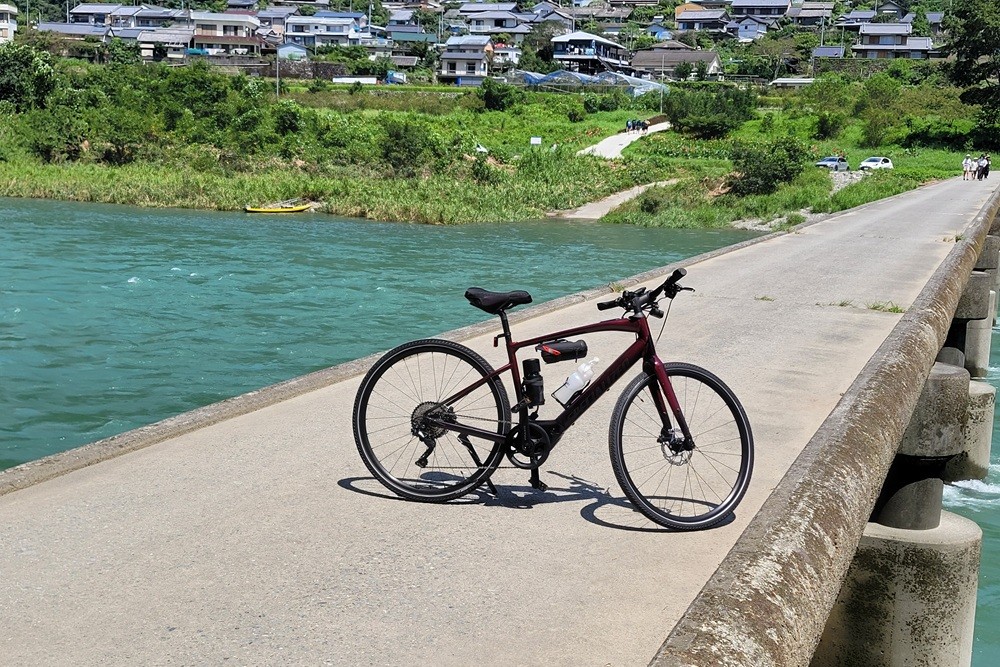
One of the greatest attractions of cycling here is the incredible variety you can experience in a single day. Unlike urban cycling destinations, Shikoku offers quiet roads with very little traffic, allowing riders to feel as though they are traveling on roads that belong only to them. From punishing alpine climbs to gentle riverside cruises, the island’s unique topography delivers an unparalleled sense of freedom.
One of the greatest attractions of cycling here is the incredible variety you can experience in a single day. Unlike urban cycling destinations, Shikoku offers quiet roads with very little traffic, allowing riders to feel as though they are traveling on roads that belong only to them. From punishing alpine climbs to gentle riverside cruises, the island’s unique topography delivers an unparalleled sense of freedom.
Top Cycling Routes in Shikoku (The Complete Guide)
Shikoku’s diverse geography means you can radically change your riding environment from one day to the next. Here are the defining routes that showcase the island’s dramatic contrast of peaks, streams, and coastal edges.
The Iconic Start: Shimanami Kaido
No discussion of regional cycling begins without honoring the gateway. Connecting Honshu to Shikoku, this world-renowned route offers 70 kilometers of dedicated cycling paths, breathtaking ocean vistas, and seamless island-hopping. It serves as the perfect warm-up before you dive into the deeper, more rugged heart of the Shikoku mainland.
No discussion of regional cycling begins without honoring the gateway. Connecting Honshu to Shikoku, this world-renowned route offers 70 kilometers of dedicated cycling paths, breathtaking ocean vistas, and seamless island-hopping. It serves as the perfect warm-up before you dive into the deeper, more rugged heart of the Shikoku mainland.
Mountain Challenge: Shikoku Karst & Alpine Peaks
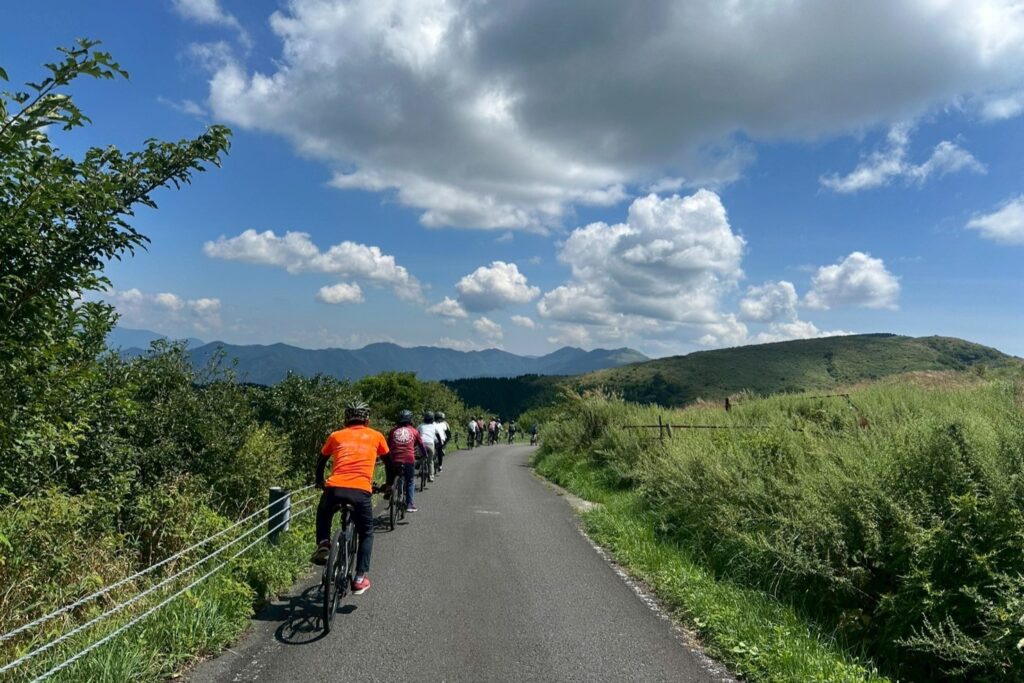
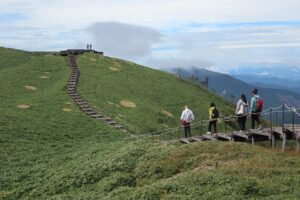
For mountain cyclists, Shikoku’s high-altitude routes are nothing short of legendary. Western Japan’s highest peak, Mount Ishizuchi (1,982m), dominates the center of the island. Riding the legendary Ishizuchi Skyline and the UFO Line offers a breathtaking scenic experience, running along dramatic ridgelines between 1,300 and 1,700 meters above sea level, creating the sensation of riding above the clouds.
Equally unforgettable is the Shikoku Karst, a highland plateau at 1,400 meters spanning the border of Ehime and Kochi, where white limestone formations scatter across rolling grasslands. For those seeking the ultimate remote adventure, the rugged climbs around Mount Tsurugi in Tokushima offer narrow mountain roads and untouched traditional villages far away from tourist crowds.
For mountain cyclists, Shikoku’s high-altitude routes are nothing short of legendary. Western Japan’s highest peak, Mount Ishizuchi (1,982m), dominates the center of the island. Riding the legendary Ishizuchi Skyline and the UFO Line offers a breathtaking scenic experience, running along dramatic ridgelines between 1,300 and 1,700 meters above sea level, creating the sensation of riding above the clouds.
Equally unforgettable is the Shikoku Karst, a highland plateau at 1,400 meters spanning the border of Ehime and Kochi, where white limestone formations scatter across rolling grasslands. For those seeking the ultimate remote adventure, the rugged climbs around Mount Tsurugi in Tokushima offer narrow mountain roads and untouched traditional villages far away from tourist crowds.
The Hidden Heart: Niyodo & Shimanto River Valleys
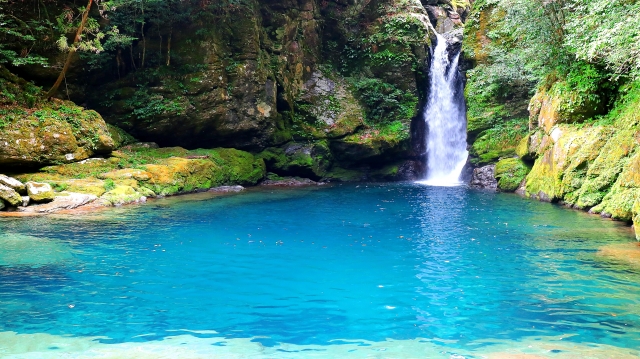
Shikoku also offers peaceful riverside routes providing a completely different rhythm of travel. The Shimanto River in Kochi, often called “Japan’s last clear stream,” invites cyclists to escape competition and speed. Riding past iconic low-water bridges (Chinkabashi) and tiny riverside villages, the focus shifts to feeling the water’s breeze and enjoying local delicacies like freshwater shrimp and sweetfish.
In contrast, the Yoshino River in Tokushima showcases the raw, dynamic power of Japan’s nature, carving through deep gorges and towering rock walls. For those chasing the magical “Niyodo Blue,” the emerald waters of the Niyodo River Valley offer some of the most stunning, uncrowded backroads for a tranquil, scenic ride.
Shikoku also offers peaceful riverside routes providing a completely different rhythm of travel. The Shimanto River in Kochi, often called “Japan’s last clear stream,” invites cyclists to escape competition and speed. Riding past iconic low-water bridges (Chinkabashi) and tiny riverside villages, the focus shifts to feeling the water’s breeze and enjoying local delicacies like freshwater shrimp and sweetfish.
In contrast, the Yoshino River in Tokushima showcases the raw, dynamic power of Japan’s nature, carving through deep gorges and towering rock walls. For those chasing the magical “Niyodo Blue,” the emerald waters of the Niyodo River Valley offer some of the most stunning, uncrowded backroads for a tranquil, scenic ride.
Coastal Beauty: The Muroto & Cape Ashizuri Routes
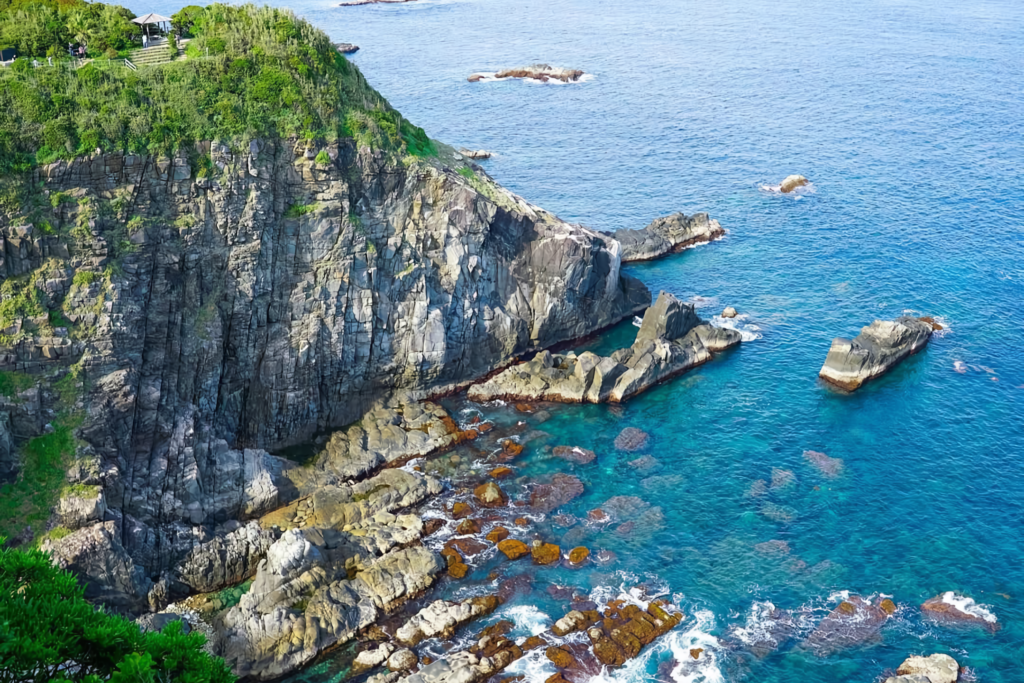
Shikoku’s coastlines offer two contrasting faces of the sea. Heading west from Imabari along the Iyo-nada coastlinetoward the Sadamisaki Peninsula (Japan’s narrowest peninsula), you will find peaceful fishing ports, citrus groves, and nostalgic Showa-era towns untouched by mass tourism, culminating in unforgettable sunsets.
On the opposite side, the Cape Muroto and Cape Ashizuri routes in Kochi confront the raw, majestic energy of the Pacific Ocean. Powerful waves driven by the Kuroshio Current crash against rocky cliffs, creating a thrilling ride beneath endless skies. The long coastal stretches give a profound sense of solitude, rewarded at the end of the day with generous servings of local seared bonito (Katsuo no Tataki).
Shikoku’s coastlines offer two contrasting faces of the sea. Heading west from Imabari along the Iyo-nada coastlinetoward the Sadamisaki Peninsula (Japan’s narrowest peninsula), you will find peaceful fishing ports, citrus groves, and nostalgic Showa-era towns untouched by mass tourism, culminating in unforgettable sunsets.
On the opposite side, the Cape Muroto and Cape Ashizuri routes in Kochi confront the raw, majestic energy of the Pacific Ocean. Powerful waves driven by the Kuroshio Current crash against rocky cliffs, creating a thrilling ride beneath endless skies. The long coastal stretches give a profound sense of solitude, rewarded at the end of the day with generous servings of local seared bonito (Katsuo no Tataki).
Critical Logistics: How to Solve the “Cycling Challenges” in Shikoku
An unforgettable ride requires smart preparation, especially when venturing into Japan’s remote rural areas. Navigating Shikoku smoothly comes down to solving three key logistical pillars: luggage, safety, and timing.
Hassle-Free Cycling: How to Travel Light with Takkyubin

Navigating Shikoku’s steep mountain passes is infinitely harder if you are weighed down by heavy panniers. To enjoy a seamless ride, smart cyclists utilize Japan’s incredibly reliable luggage forwarding service, Takkyubin (Hands-Free Travel). You can easily send your large suitcases directly from your arrival airport or hotel to your next destination, allowing you to ride with nothing but a light daypack.
Navigating Shikoku’s steep mountain passes is infinitely harder if you are weighed down by heavy panniers. To enjoy a seamless ride, smart cyclists utilize Japan’s incredibly reliable luggage forwarding service, Takkyubin (Hands-Free Travel). You can easily send your large suitcases directly from your arrival airport or hotel to your next destination, allowing you to ride with nothing but a light daypack.
Cycling Safety & Traffic Rules in Japan
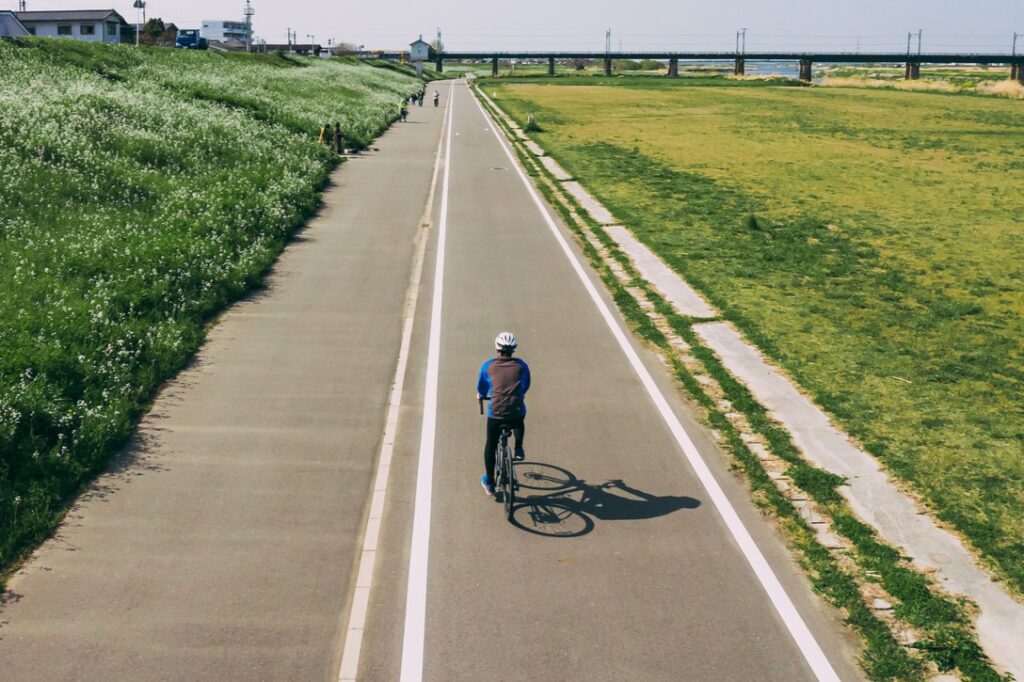
While Shikoku’s backroads boast exceptionally low traffic, safety remains paramount. In Japan, bicycles are legally required to ride on the left side of the road, in the same direction as vehicular traffic. Always wear a helmet, obey local traffic lights, and be cautious on narrow mountain descents where blind corners are common.
While Shikoku’s backroads boast exceptionally low traffic, safety remains paramount. In Japan, bicycles are legally required to ride on the left side of the road, in the same direction as vehicular traffic. Always wear a helmet, obey local traffic lights, and be cautious on narrow mountain descents where blind corners are common.
Best Seasons for Cycling in Shikoku
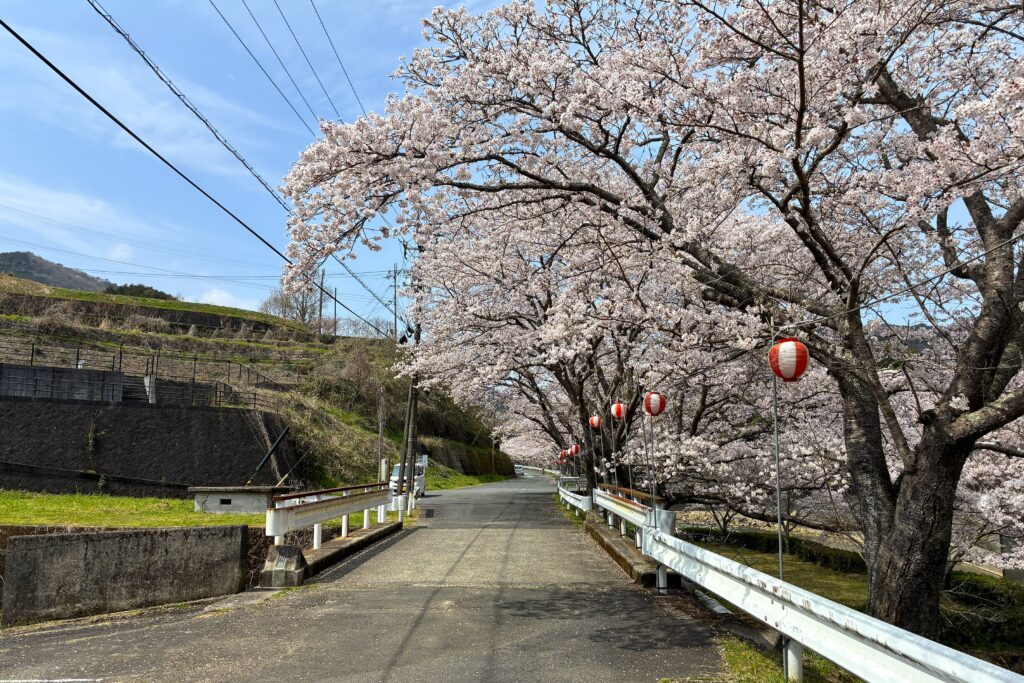
Timing is everything for an optimal trip. Spring (April to May) and Autumn (October to November) are the golden seasons, offering crisp alpine air, stable weather, vibrant new greenery, or fiery autumn foliage. Summers can be intensely hot with a higher risk of typhoons, while high-altitude passes like the UFO Line freeze over and close during the winter months (December to March).
Timing is everything for an optimal trip. Spring (April to May) and Autumn (October to November) are the golden seasons, offering crisp alpine air, stable weather, vibrant new greenery, or fiery autumn foliage. Summers can be intensely hot with a higher risk of typhoons, while high-altitude passes like the UFO Line freeze over and close during the winter months (December to March).
Guided Tours vs. Self-Guided: Which is Right for You?
Choosing how to tackle Shikoku depends entirely on the type of experience you want to create. While independence has its charms, balancing rugged wilderness with seamless high-end comfort requires a deeper level of support.
The Freedom of a Private Support Vehicle
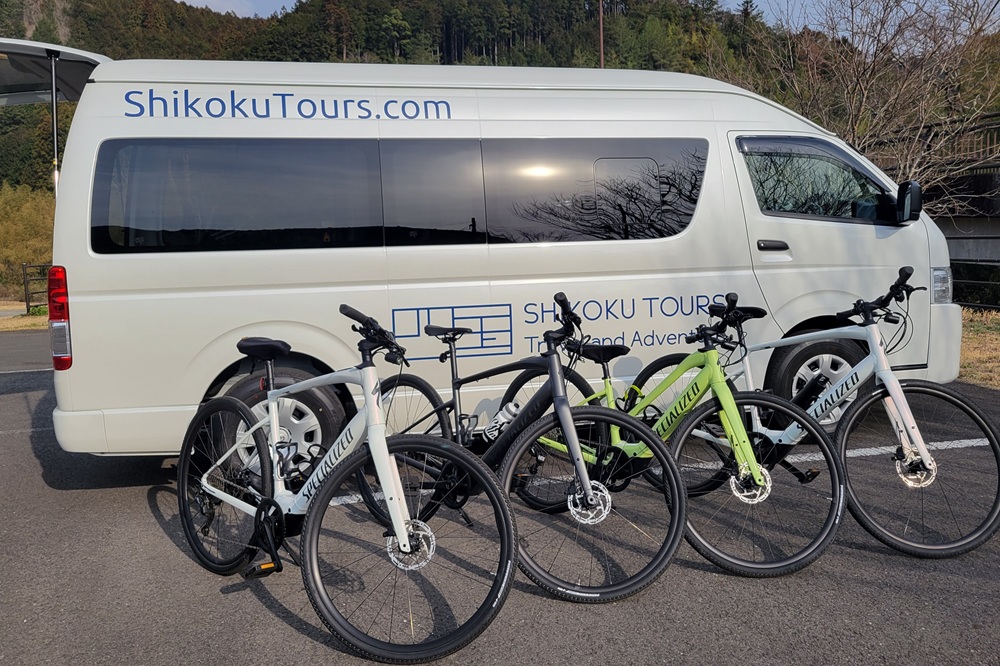
A self-guided trip offers spontaneous freedom, but a mechanical breakdown or unexpected physical exhaustion can quickly cut a dream trip short. A premium guided tour eliminates these risks by providing a Private Support Vehicle that follows your route. Whether you need a quick puncture repair, a dry change of clothes, or a lift up the steepest section of a grueling climb, the support car ensures your safety and comfort.
A self-guided trip offers spontaneous freedom, but a mechanical breakdown or unexpected physical exhaustion can quickly cut a dream trip short. A premium guided tour eliminates these risks by providing a Private Support Vehicle that follows your route. Whether you need a quick puncture repair, a dry change of clothes, or a lift up the steepest section of a grueling climb, the support car ensures your safety and comfort.
Local Expertise & Safety
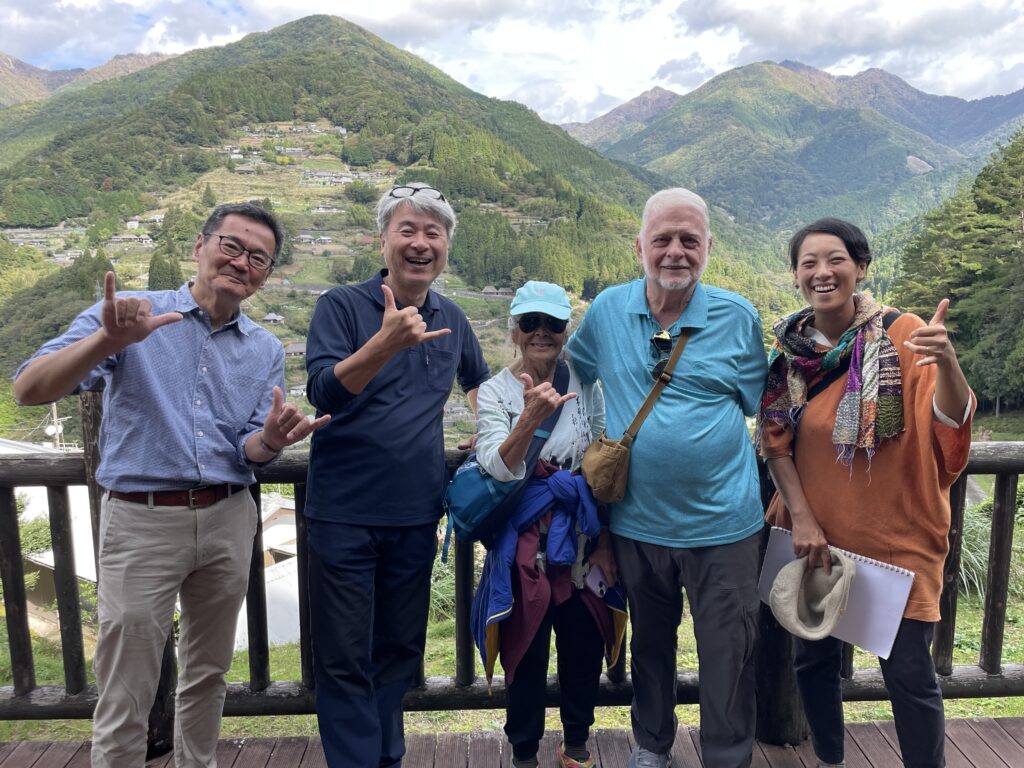
Shikoku’s most beautiful secrets are hidden away from English map applications. Having a professional, English-speaking local guide allows you to bypass the language barrier completely. They connect you directly with the island’s culture, guiding you to hidden family-run diners and selecting the safest, most scenic paths that standard navigation tools miss.
Shikoku’s most beautiful secrets are hidden away from English map applications. Having a professional, English-speaking local guide allows you to bypass the language barrier completely. They connect you directly with the island’s culture, guiding you to hidden family-run diners and selecting the safest, most scenic paths that standard navigation tools miss.
Maximize Your Time with Custom Itineraries
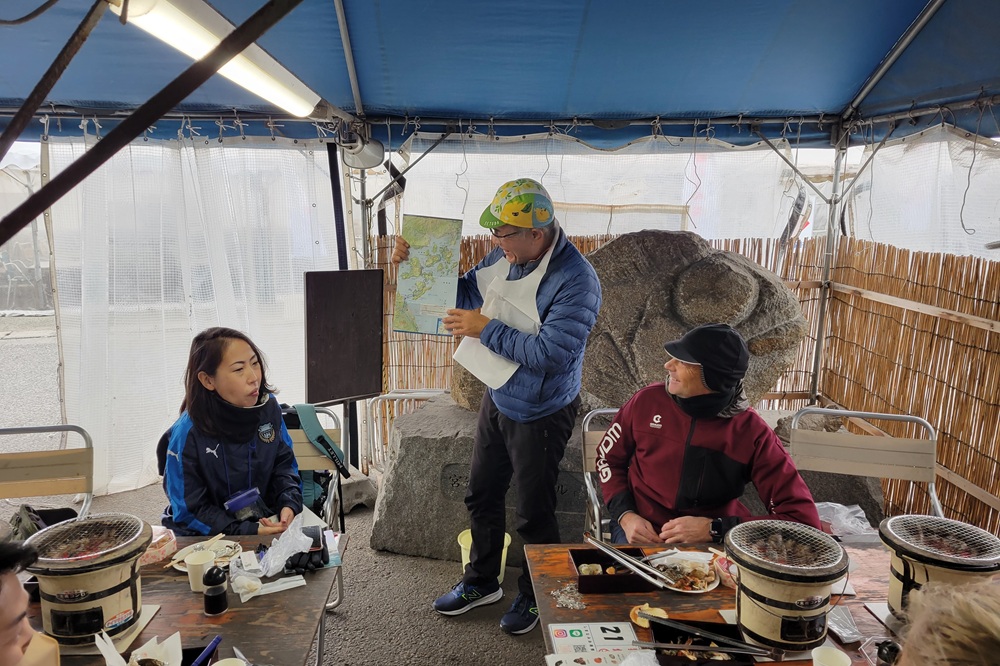
If your time in Japan is limited, you cannot afford to waste days dealing with logistical mishaps or getting lost on unmarked rural roads. A custom, fully-guided cycling tour is the ultimate investment in your journey. We tailor every stage to match your specific fitness level and interests, ensuring that every single pedal stroke is spent absorbing Shikoku’s breathtaking scenery.
Ready to experience Shikoku without the stress?
Let our team handle the logistics, support vehicles, and custom routing for your ultimate Japanese cycling adventure.
If your time in Japan is limited, you cannot afford to waste days dealing with logistical mishaps or getting lost on unmarked rural roads. A custom, fully-guided cycling tour is the ultimate investment in your journey. We tailor every stage to match your specific fitness level and interests, ensuring that every single pedal stroke is spent absorbing Shikoku’s breathtaking scenery.
Ready to experience Shikoku without the stress?
Let our team handle the logistics, support vehicles, and custom routing for your ultimate Japanese cycling adventure.
Frequently Asked Questions (FAQ)
Planning a remote cycling expedition naturally comes with questions about gear, safety, and physical demands. Here are the clear answers to the most common inquiries we receive from international riders.
Can I rent a professional-grade road bike?
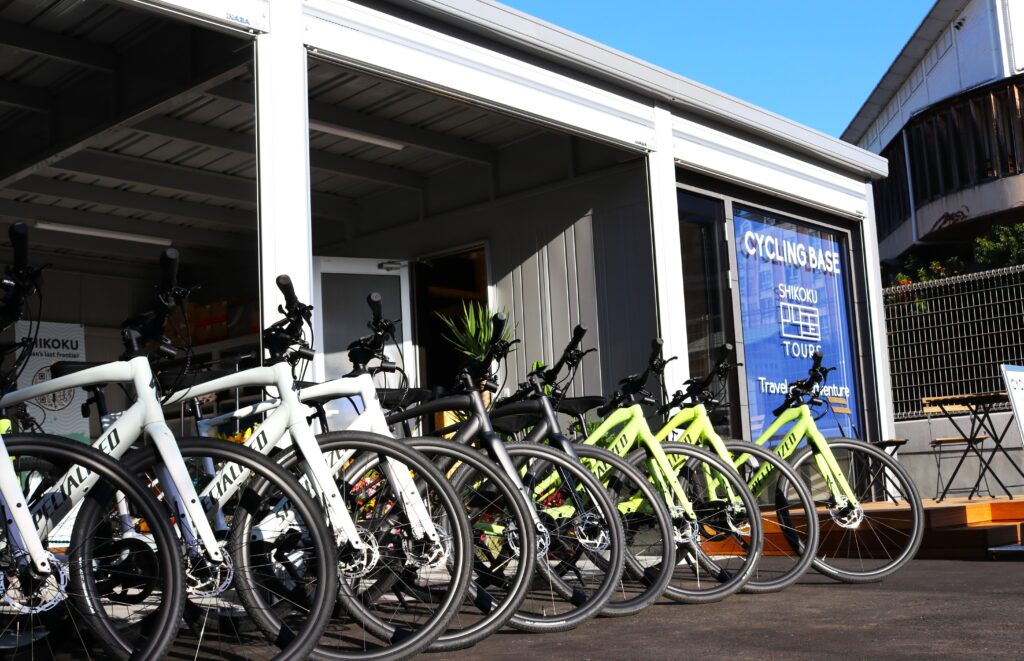
Yes. We provide high-performance, meticulously maintained carbon road bikes, gravel bikes, and premium E-bikes perfectly suited for Shikoku’s diverse terrain. Your bike will be professionally fitted to your measurements prior to your arrival.
Yes. We provide high-performance, meticulously maintained carbon road bikes, gravel bikes, and premium E-bikes perfectly suited for Shikoku’s diverse terrain. Your bike will be professionally fitted to your measurements prior to your arrival.
What happens if I encounter mechanical issues or trouble on the road?
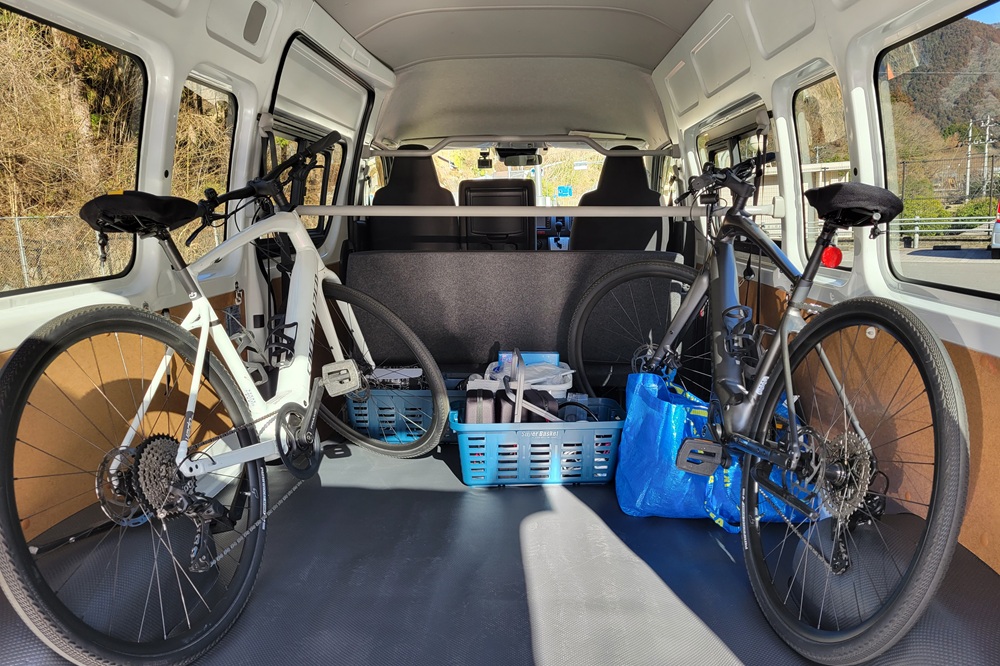
On our guided tours, our support vehicle carries spare parts, wheels, and tools. Our expert guides handle all mechanical issues on the spot. If a bike cannot be fixed immediately, a backup bike of the same standard is always ready for you.
On our guided tours, our support vehicle carries spare parts, wheels, and tools. Our expert guides handle all mechanical issues on the spot. If a bike cannot be fixed immediately, a backup bike of the same standard is always ready for you.
What level of physical fitness is required to join the tour?
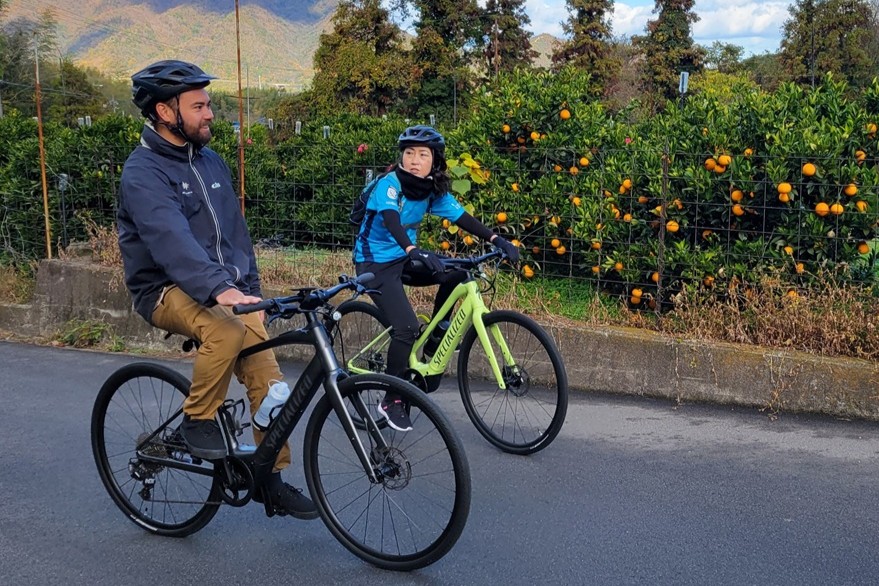
Because our tours are 100% tailor-made, we design routes to match your comfort level—whether you are an avid enthusiast looking to tackle western Japan’s toughest climbs or a casual rider preferring gentle riverside flats. The presence of our support vehicle means you can take a rest inside the car whenever you need.
Because our tours are 100% tailor-made, we design routes to match your comfort level—whether you are an avid enthusiast looking to tackle western Japan’s toughest climbs or a casual rider preferring gentle riverside flats. The presence of our support vehicle means you can take a rest inside the car whenever you need.
Designing Your Own Journey Through Shikoku
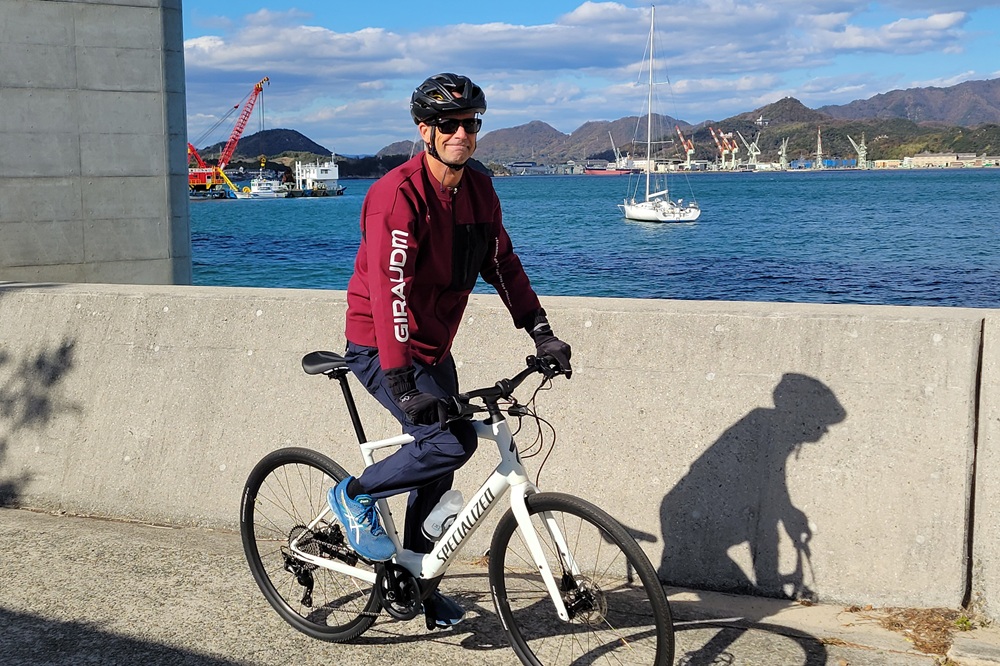
Cycling through Shikoku is far more than just a sport. Crossing its mountains, tracing its clear streams, and riding along the Pacific coast is an immersive journey through a rare, authentic side of Japan. With the right preparation, smart logistics, and professional support, this island delivers what has become increasingly hard to find in modern tourism: the pure, unfiltered joy of genuine discovery.
Let’s craft your perfect ride.
Cycling through Shikoku is far more than just a sport. Crossing its mountains, tracing its clear streams, and riding along the Pacific coast is an immersive journey through a rare, authentic side of Japan. With the right preparation, smart logistics, and professional support, this island delivers what has become increasingly hard to find in modern tourism: the pure, unfiltered joy of genuine discovery.
Let’s craft your perfect ride.