Most travelers to Japan follow the same line between Tokyo and Kyoto. The Shimanto River runs somewhere else entirely — deep into rural Shikoku, where a river still runs clear enough to earn the name “The Last Clear Stream of Japan.” Here, bridges are built to sink, meals are drawn from the water beside you, and silence is not something to fill. This is what a slower Japan actually feels like.
Shimanto River: A Cultural Journey Into Japan’s Quiet Countryside


Nestled deep within the untouched landscapes of Shikoku, the Shimanto River offers travelers a rare opportunity to experience Japan at its most authentic. Known as “The Last Clear Stream of Japan,” this pristine river invites visitors into a world where nature, culture, and daily life flow together in perfect harmony.
One of the most iconic features of the Shimanto River is the Chinka-bashi, or “sinking bridges.” These low, minimalist structures are designed without railings so they can safely submerge during seasonal floods.
For many travelers, this is a surprising sight — but it reflects a core principle of rural Japanese life: rather than resisting nature, people here have learned to yield to it. A bridge that lets the flood pass over it survives; a bridge that fights the water does not.
Crossing a Chinka-bashi is more than a photo opportunity; it’s a moment where visitors can feel the quiet philosophy that shapes life along the Shimanto.
In many parts of the world, silence can feel uncomfortable. But here, silence is part of the experience.
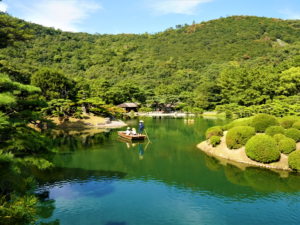
As you glide across the water in a canoe or enjoy a gentle cruise on a traditional yakata-bune, you’ll notice something remarkable: the soft ripple of water, the rustle of leaves, the distant call of birds — these natural sounds create a calming rhythm that travelers often describe as “meditative” or “healing.”
This is not just sightseeing. It’s immersion.
Taste the Land


The Shimanto region is known for its pure water — and that purity is reflected in its cuisine.
Travelers can enjoy:
- Ayu (sweetfish), with a delicate aroma reminiscent of the river
- Unagi (eel), grilled over charcoal in the traditional western-Japan style
- Katsuo no tataki, seared over open flames for a bold, smoky flavor
For visitors, these dishes are more than meals — they’re a direct connection to the land and water that sustain local life.
A Night Sky


With minimal light pollution, the Shimanto region offers some of the clearest night skies in Japan. As darkness settles, the stars appear in breathtaking clarity, accompanied only by the gentle chorus of insects.
Travelers often tell me, “I didn’t know darkness could feel this peaceful.”
It’s a simple experience, yet profoundly moving.
Why Shimanto River Belongs on Your Japan Itinerary


For travelers seeking more than the typical tourist route, the Shimanto River offers:
- Authentic cultural immersion
- Unspoiled natural beauty
- Unique local traditions
- A slower, more mindful pace of life
- Experiences that connect deeply with Japan’s heritage
Whether you’re exploring for a day or staying for a week, the Shimanto River promises a journey that stays with you long after you return home.