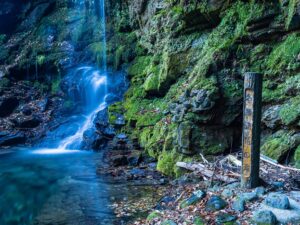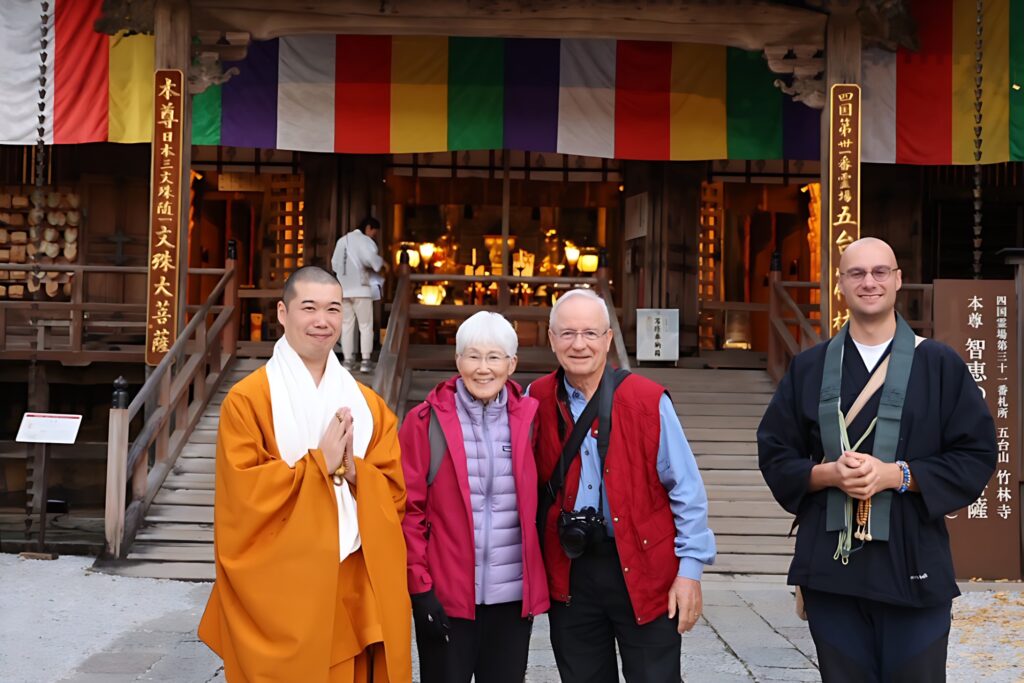
Escape the bustling city of Kochi and find tranquility at Chikurin-ji, a historic temple nestled atop Mt. Godai. As Temple 31 on the legendary Shikoku 88 Temple Pilgrimage, this peaceful temple beckons visitors into a world of meditation and prayer. Inside the elegant Sho-in building, which overlooks beautiful 14th-century Japanese gardens, you can immerse yourself in traditional Buddhist practices. Guided by expert temple priests, you will experience soothing meditation and the mindful art of shakyo (sutra copying). Discover how this profound spiritual journey can bring deep reflection, inner peace, and a meaningful connection to Japan’s rich cultural heritage.
Finding Quiet through Meditation in Shikoku’s Chikurin-ji
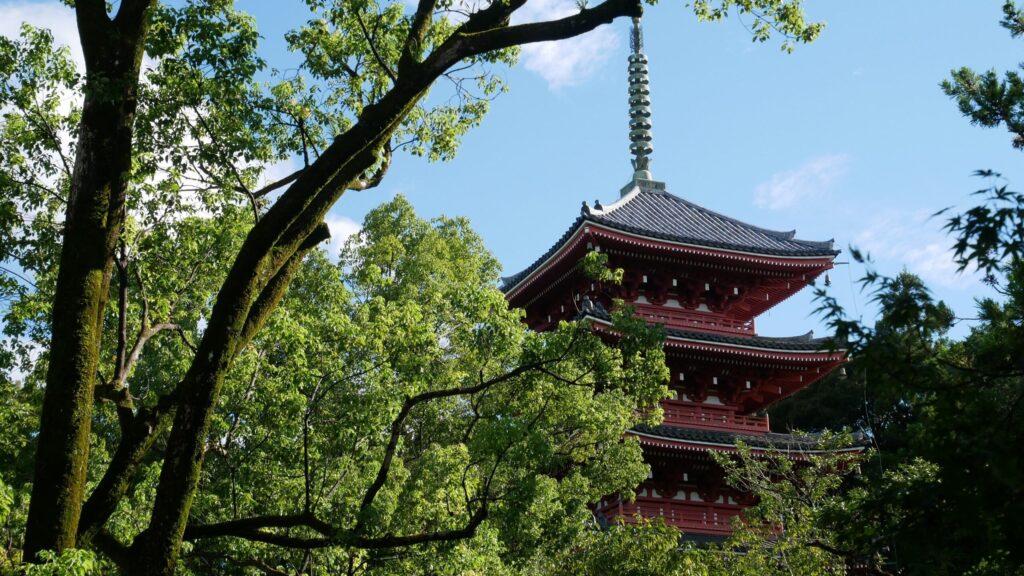
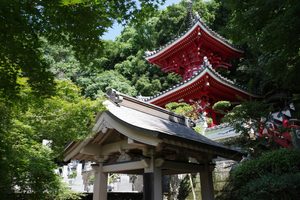
Chikurin-ji, “the Temple of the Bamboo Grave,” sits at the top of Mt Godai. The rounded hill is a pillow of green in the midst of the bustling coastal city of Kochi. The temple’s red pagoda juts out from its forested peak, beckoning visitors away from the raucous atmosphere of the city to an atmosphere of meditation and prayer. It’s easy to see why it was, for many centuries, a center of scholarship and meditation in Shikoku.
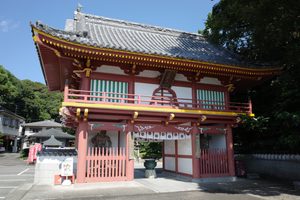
The temple itself is an oasis. The cherry and maple trees scattered across its moss-covered grounds explode into color in their seasons. Frogs chirp from ponds that bloom with lotuses. As Temple 31 of the 88 Temple Pilgrimage, the grounds often hum with the prayers of white-clad pilgrims.
Within the temple lies an even deeper refuge of peace and quiet: the Sho-in. This elegant traditional building looks out on renowned Japanese gardens built in 1318 by the famed Zen monk Musō. Originally a retreat for the region’s samurai lords, it has served as a place of reflection and peace for centuries.
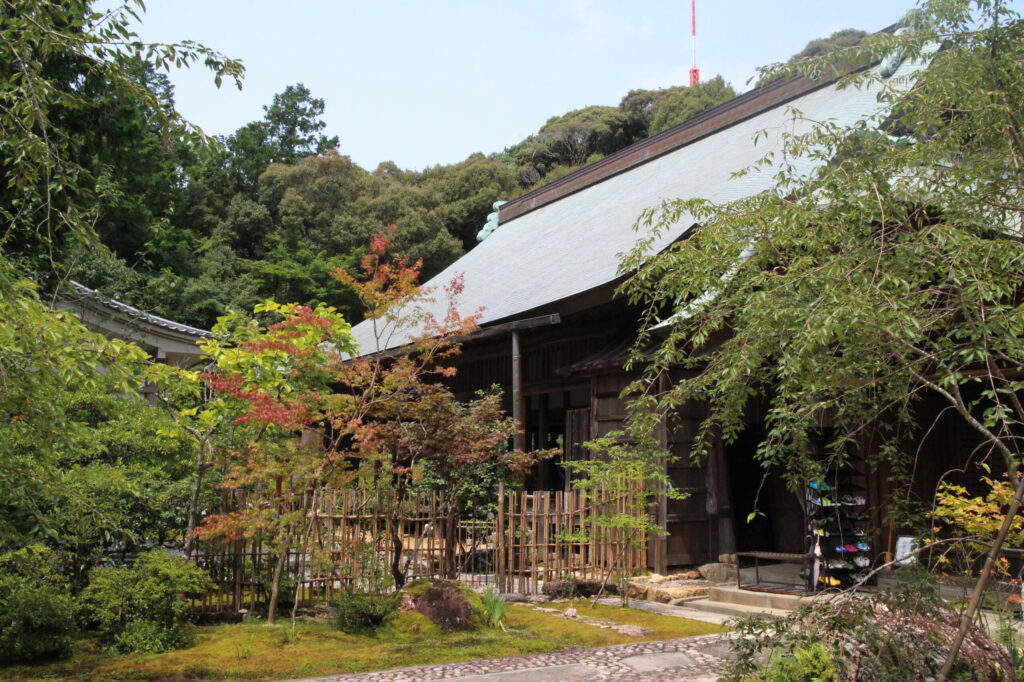
Now open to visitors, the Sho-in is a perfect venue for an introduction to Buddhist practices. Temple priests now guide visitors in Buddhist meditation and shakyo, or copying of sutras. For those interested in learning about Buddhism and its influence on Japanese art and aesthetics, this is a special opportunity.
Meditation in the Sho-in
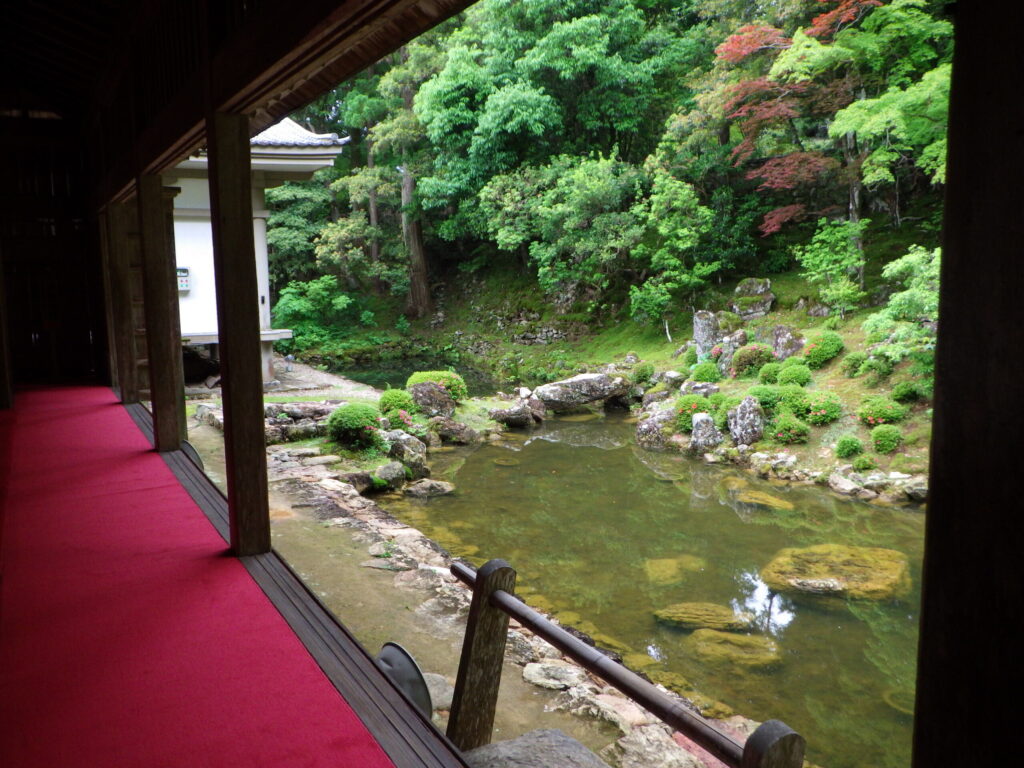
The experience begins with a short explanation of the powerful symbolism of the Sho-in’s gardens. Rooted in Buddhism, the scenery’s design evokes an otherworldly sensation, encouraging visitors to step away from everyday concerns and into a more contemplative state.
The priest then explains about the role of meditation in Buddhism before moving into a guided session.
Chikurin-ji’s priests are experts at adapting their meditation instructions to people with various levels of experience, so the experience is suitable for either beginners or experienced meditators. The temple also has cushions and stools available for those who can’t sit on the floor.
Shakyo: Meditation through Calligraphy
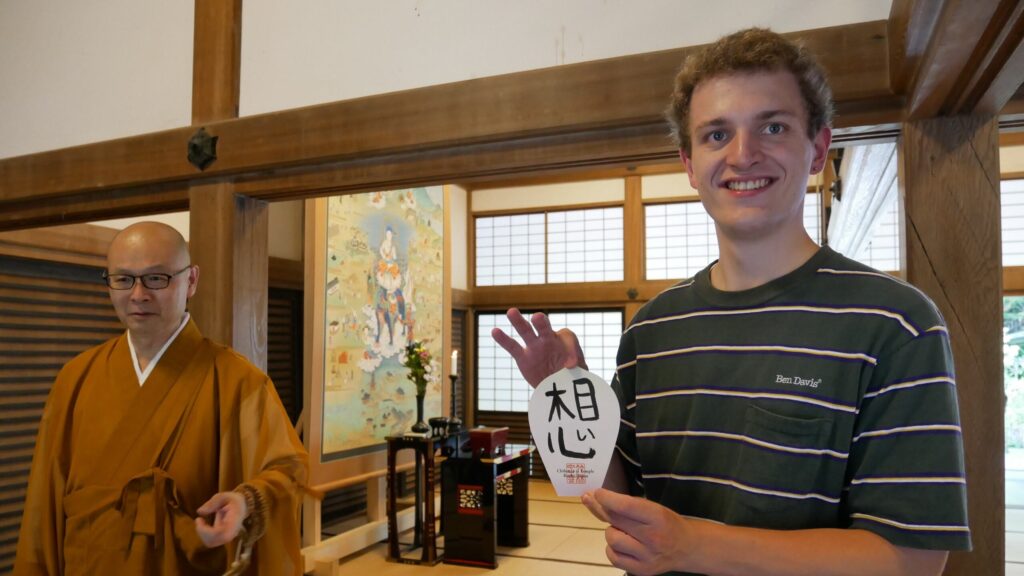
After meditating, the priest guides visitors to tables to try their hand at shakyo, literally “copying scriptures.” This practice has its roots in the days before mass-printing. For much of Japanese history, brush, ink, and paper were the only way of transmitting Buddhism’s vast body of texts.
Chikurin-ji was once a famed center of Buddhist scholarship, where monks would spend decades hand-copying vast collections of scriptures. Visitors now start small, copying out the Ten Good Precepts, a set of moral affirmations that serve as a guide for Buddhists around the world.
The experience also serves as a gentle introduction to the basics of shodo, Japanese calligraphy. Participants first learn the fundamentals of Japanese brushwork on a practice sheet, then move on to their shakyo. This writing practice is another form of meditation, so participants write at a leisurely, enjoyable pace.
Offering Your Work
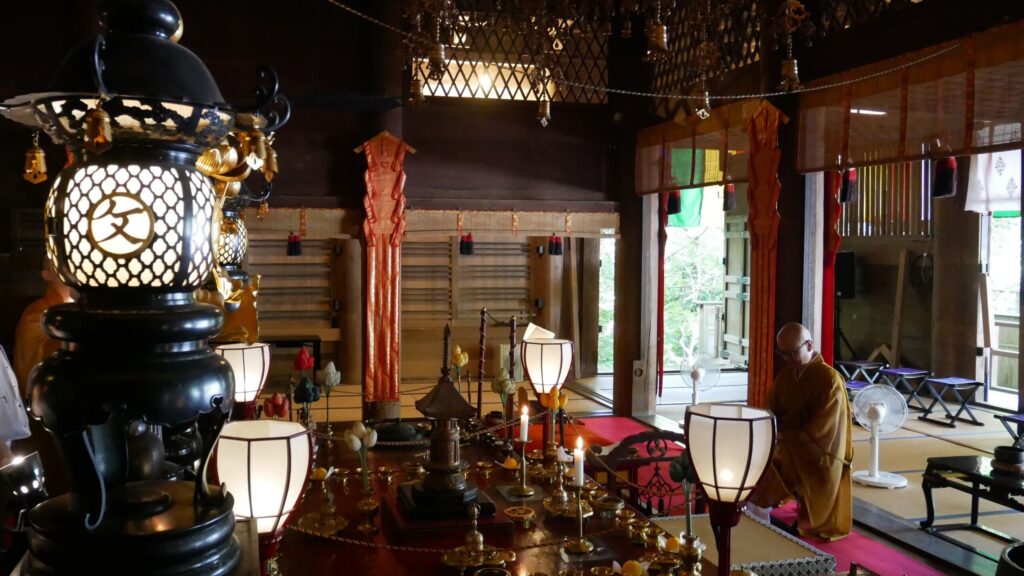
Once your shakyo is complete, the priest guides you to the temple’s main hall, where you present your calligraphy as an offering to the temple’s principal deity, Monju, the bodhisattva of wisdom and learning. The act of offering brings the experience full circle, transforming quiet personal practice into a gesture of connection with the temple, its traditions, and the centuries of practitioners who have come before.
Meditation in Shikoku with Shikoku Tours
When you visit Chikurin-ji, or other centers of meditation in Shikoku, as part of a journey with Shikoku Tours, the experience is facilitated by experienced local guides working closely with the temple. This allows you to participate with confidence, respect, and the freedom to be fully present in this rare space of calm and reflection.
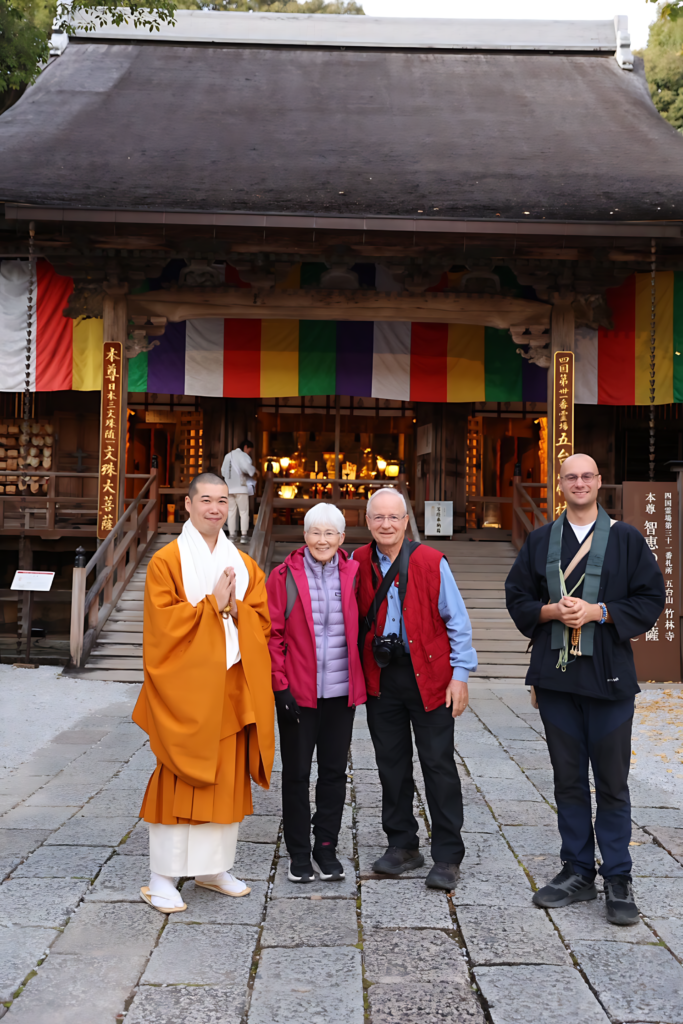
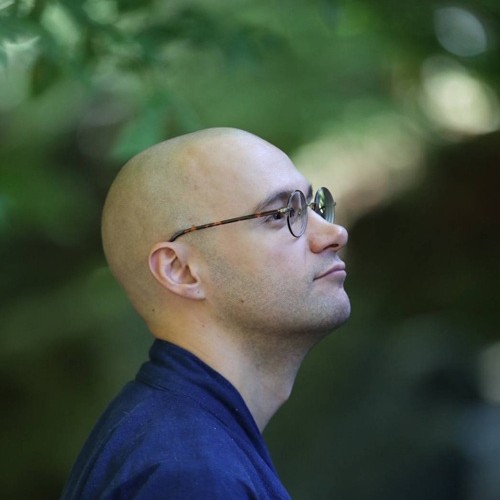
■Role:
Shikoku Travel Specialist, Tour Coordinator, and Shingon Buddhist Priest
■Experience:
10 years of lived experience in Japan, including over 6 years of in-depth study and practice in Japan’s religious traditions, particularly Buddhism, Shugendō, and Shinto.
I became a guide after experiencing firsthand how an understanding of Japan’s religious and cultural history can reveal deeper layers of meaning in even the simplest places. My aim is to help travelers connect with Shikoku not just as a destination, but as a living spiritual landscape, and to support them in discovering a more meaningful and personal journey.
■Role:
Shikoku Travel Specialist, Tour Coordinator, and Shingon Buddhist Priest
■Experience:
10 years of lived experience in Japan, including over 6 years of in-depth study and practice in Japan’s religious traditions, particularly Buddhism, Shugendō, and Shinto.
I became a guide after experiencing firsthand how an understanding of Japan’s religious and cultural history can reveal deeper layers of meaning in even the simplest places. My aim is to help travelers connect with Shikoku not just as a destination, but as a living spiritual landscape, and to support them in discovering a more meaningful and personal journey.