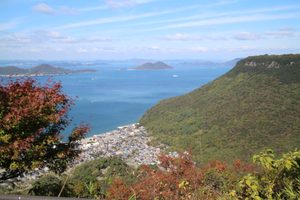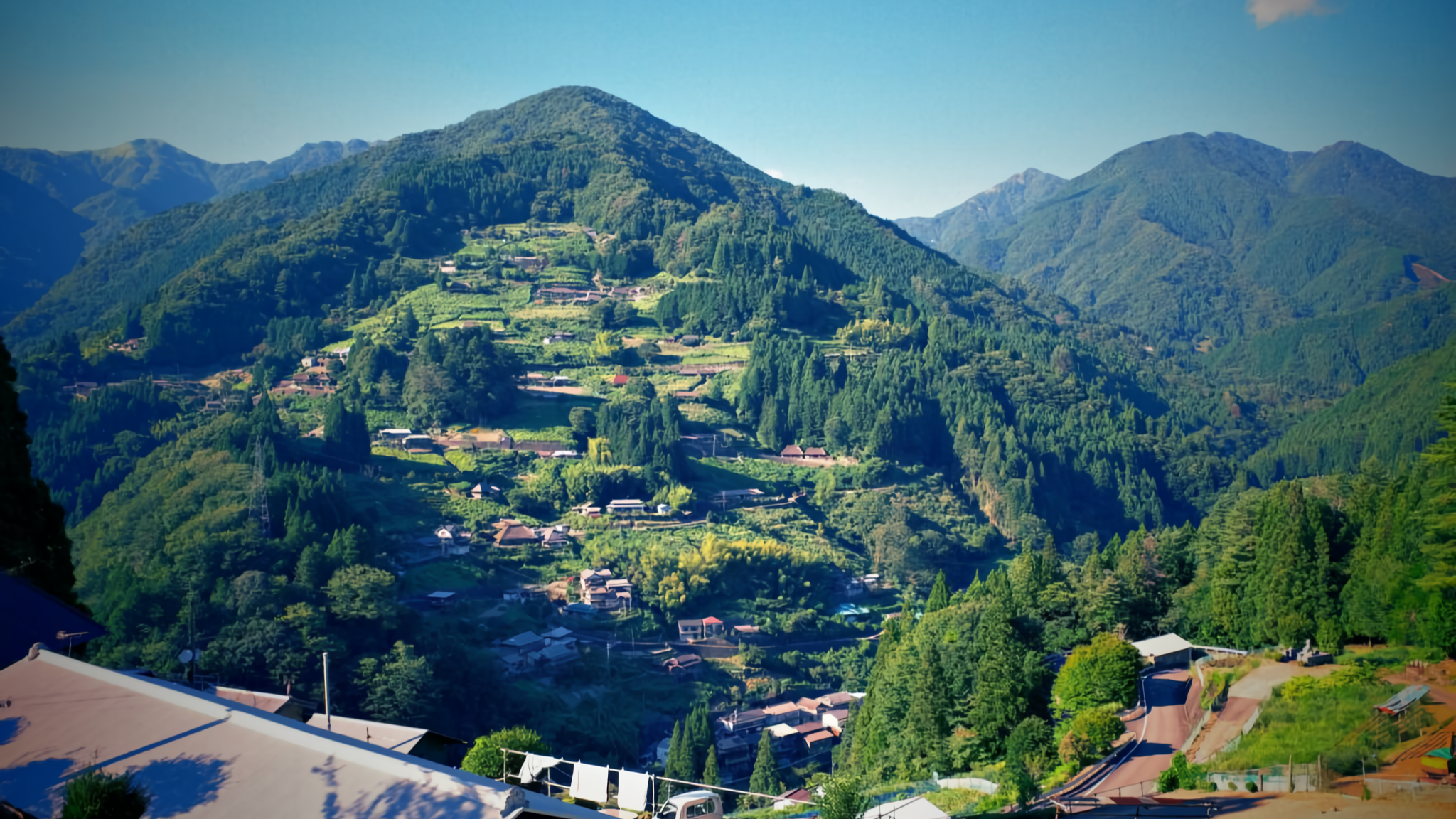
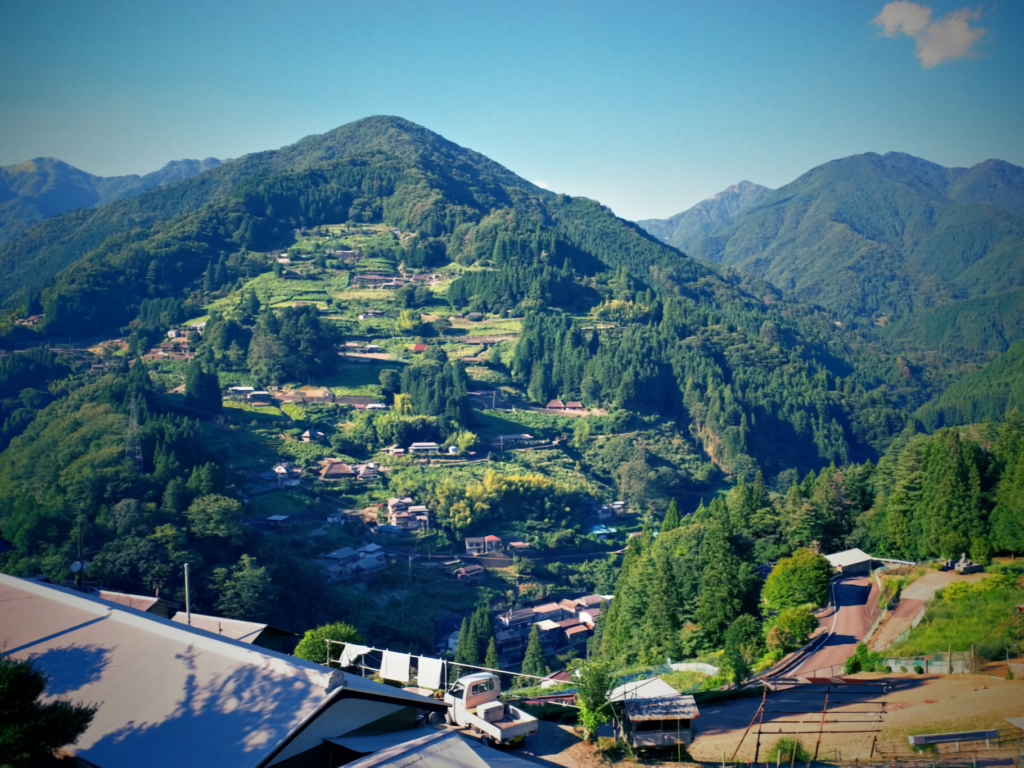
Deep in Shikoku’s Iya valley region, the village of Shigesue clings like a horseshoe to a hoof-shaped cluster of mountains. The Ishikawa household sits on the horseshoe’s southern edge. The mountains to its north block direct sunlight until late in the morning. Makoto Ishikawa, born and raised on this farmstead, laughs as he says, “We can barely dry our laundry some days!” For Makoto and his family, such challenges are a normal part of life.
They and the other residents of the Iya region, have inherited farming techniques and lifeways that make survival possible in this challenging environment. Makoto is the eighth generation of his family to live on their land in Shigesue. At least, eight generations is when their name first appears in government records. That timing coincides with the introduction of official record keeping. “It was probably us before that, too,” Makoto adds with a smile.
Yama no Kami: Spirituality in the Iya Valley
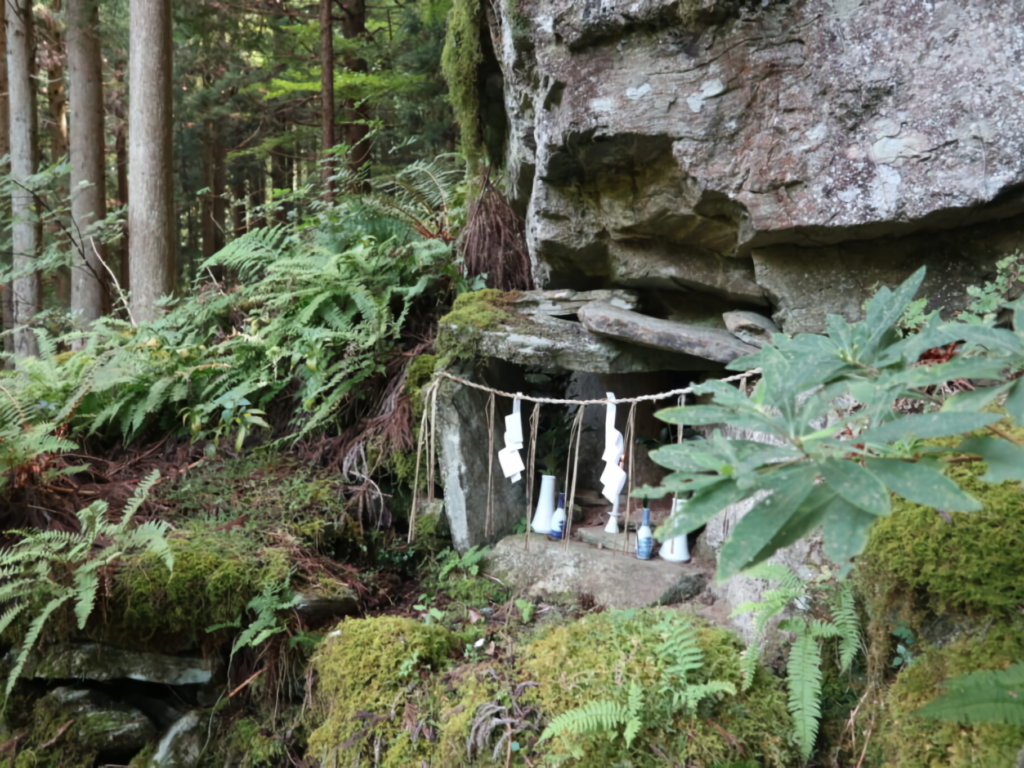
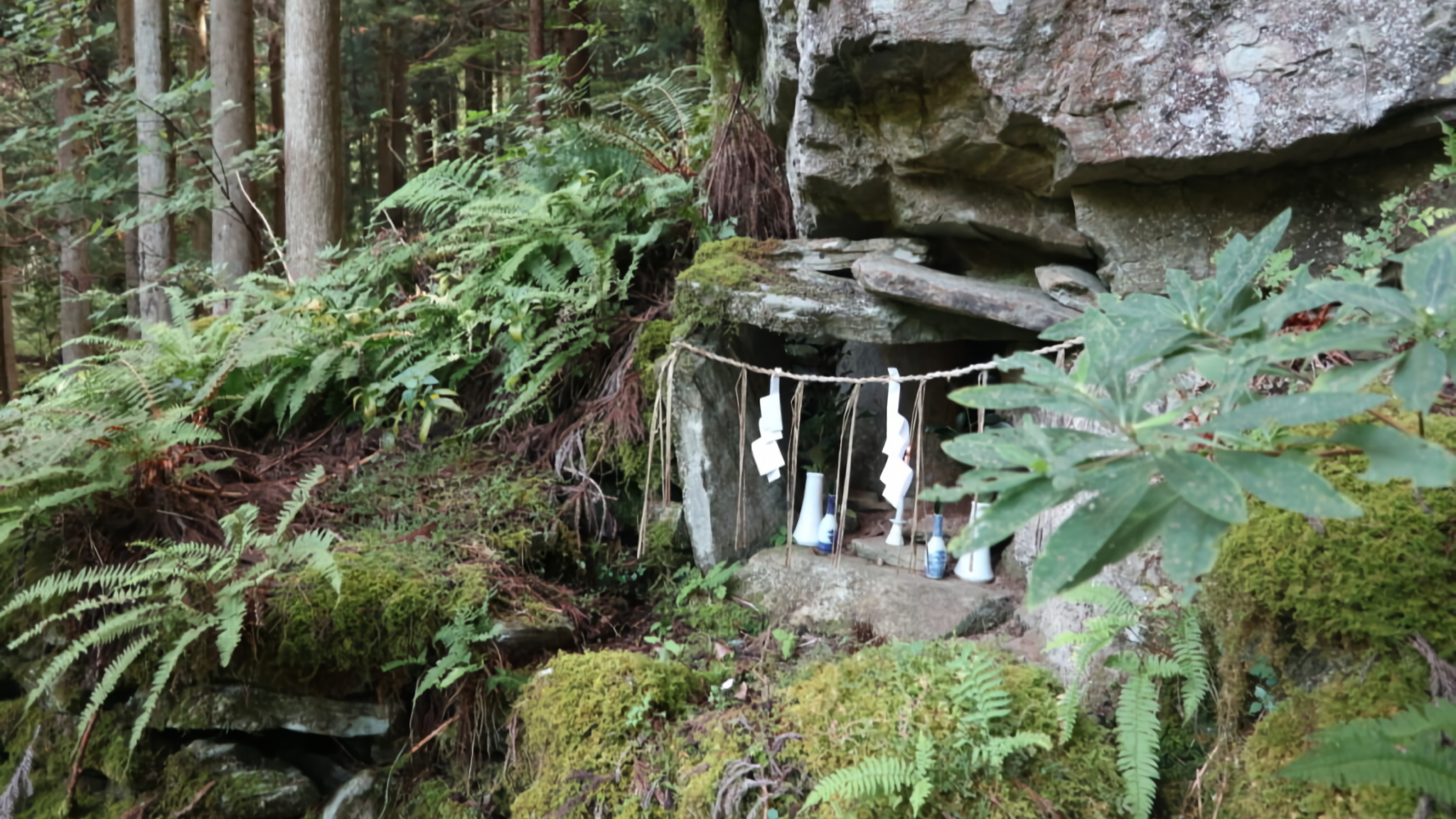
One of the traditions that developed in the Iya Valley is the Yama no Kami, or “Deity of the Mountain.” In other parts of Japan the Yama no Kami is often a communal shrine or sacred site. In Shigesue, however, each household has its own Yama no Kami. The Yama no Kami can be a tree, a rock formation, or a miniature Shinto shrine. In any case, it is a place to pray to the powers of nature for safety in their household, freedom from disaster, and the mountain’s protection.
The Ishikawa family’s Yama no Kami is a hollow in a prominent boulder in the woods behind the home. Traditionally, the family takes time on New Year’s Eve to tidy the site and make offerings. Today, Makoto invites visitors to take part in the same simple practice. He hopes it allows them to experience something of the deep connection to nature that makes life in Iya possible.
O-tengu: Visiting the Yama no Kami
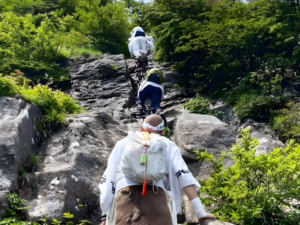
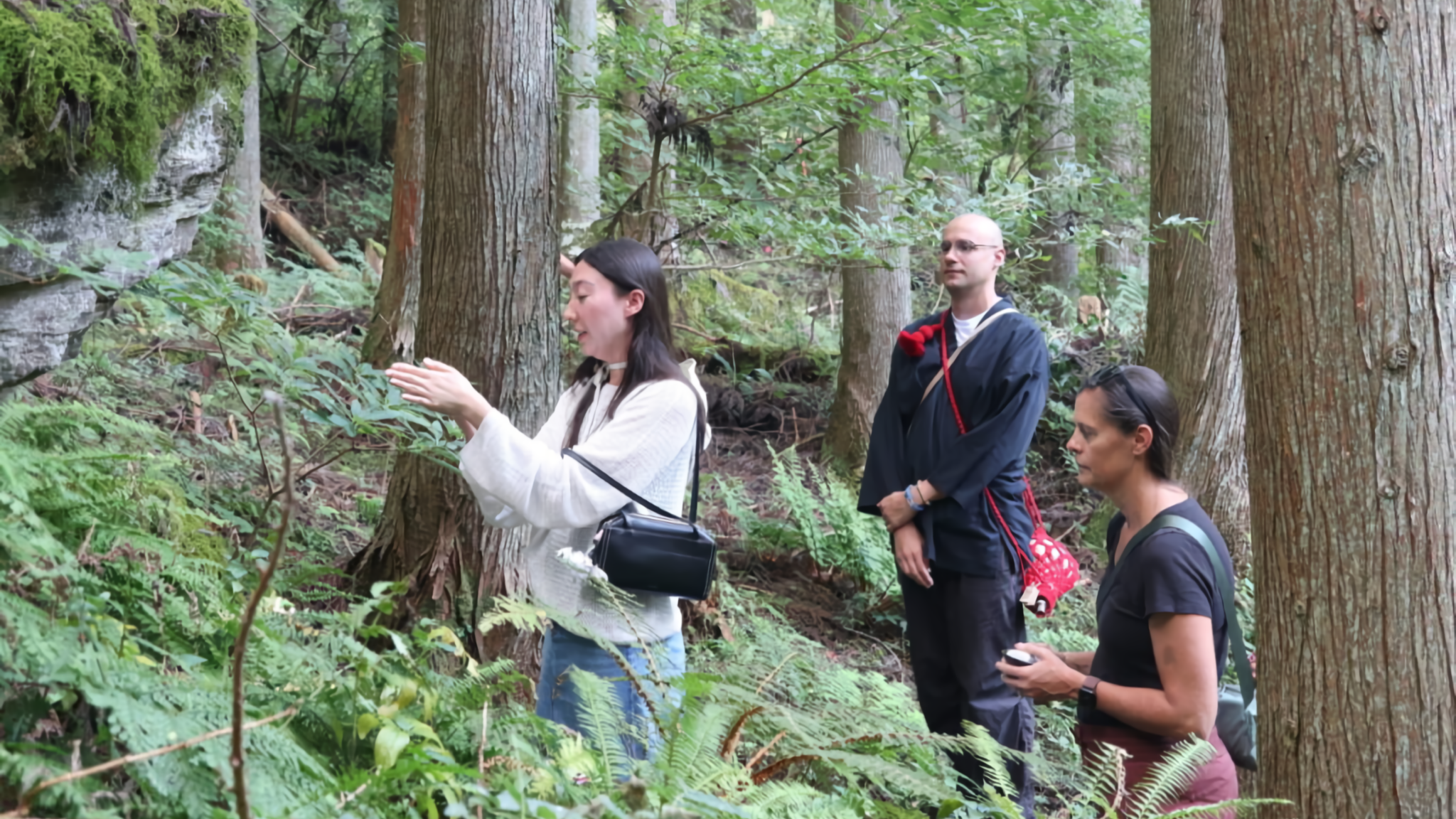
After a brief orientation, Makoto guides visitors up the steep road into the woods above the house. He carries a bottle of sake and bundles of mochi wrapped in paper. These mochi serve as an offering (o-tengu) to the Yama no Kami. After passing the last building on the road, Makoto points out a subtle break in the asphalt that marks the boundary between the human world and the world of the Yama no Kami. He bows here before crossing over. A few steps further on, he turns onto a short but wild track into the forest. At the end is the unusual boulder in which the Yama no Kami resides.
Makoto lights a candle and places the bottle of sake into the boulder’s hollow. He then follows the ritual typical of Shinto, Japan’s indigenous spiritual tradition. He then invites each participant to offer their bundle of o-tengu and perform the same sequence of bows and claps. After everyone has greeted the Yama no Kami, Makoto hands out lacquered cups so that each person can take a sip of the sake.
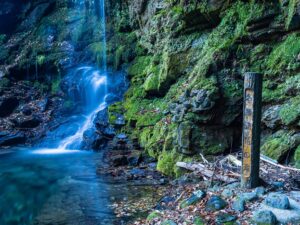
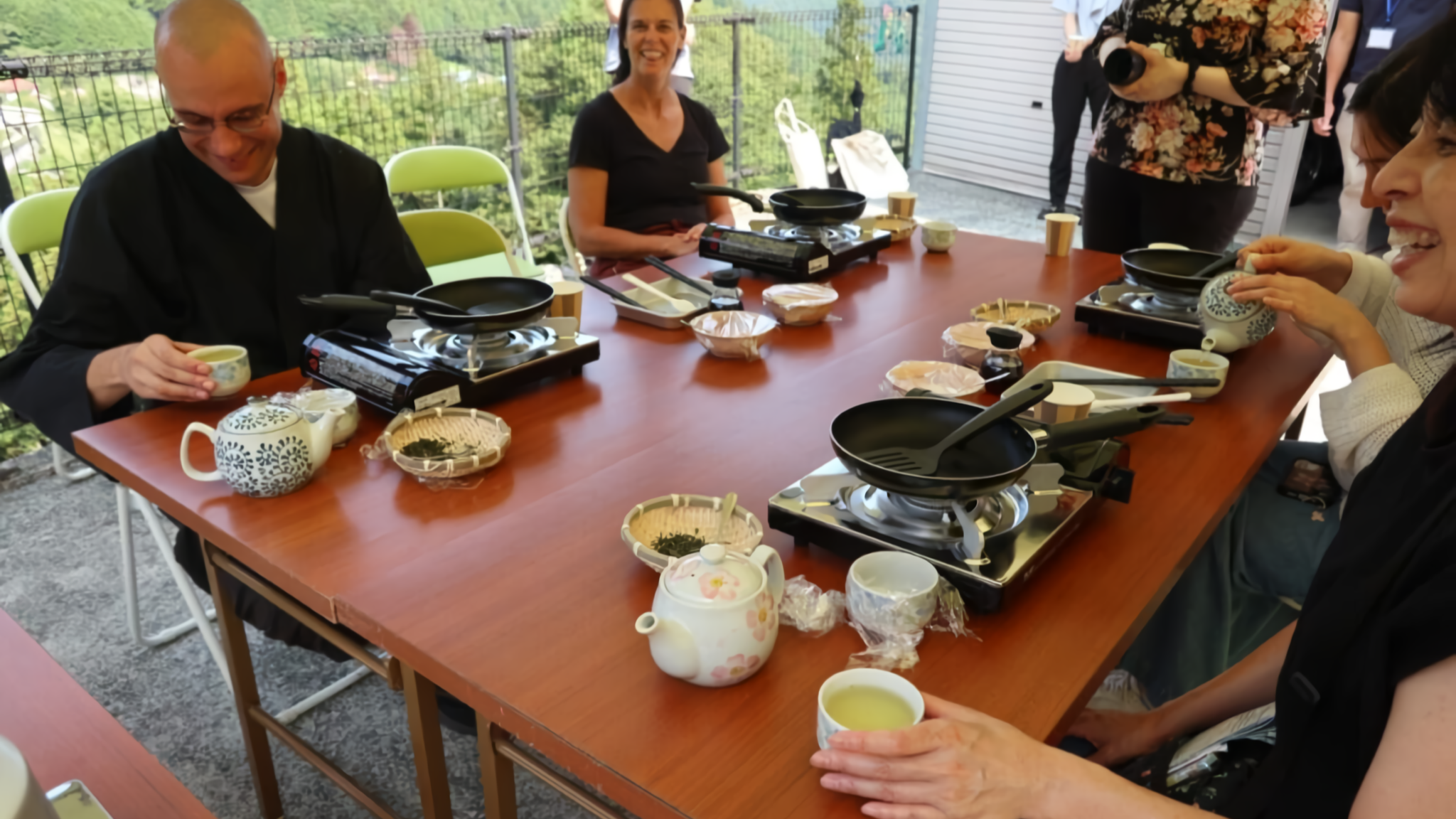
Once finished, Makoto leads the group back down to the house. Here his mother fries the mochi to be enjoyed with local tea. Traditionally, almost every household in the Iya Valley has their own tea bushes, and the Ishikawas are no exception. The mochi, like the sake, is thought to be empowered by being offered to the Yama no Kami. The water for the tea is drawn from a spring that flows from the mountains above the homestead. The steaming cups of tea and sweeping view of the mountains creates an atmosphere of warmth and laughter that often makes visitors want to linger in Shigesue for as long as possible.
Shared Traditions, Thoughtfully Facilitated
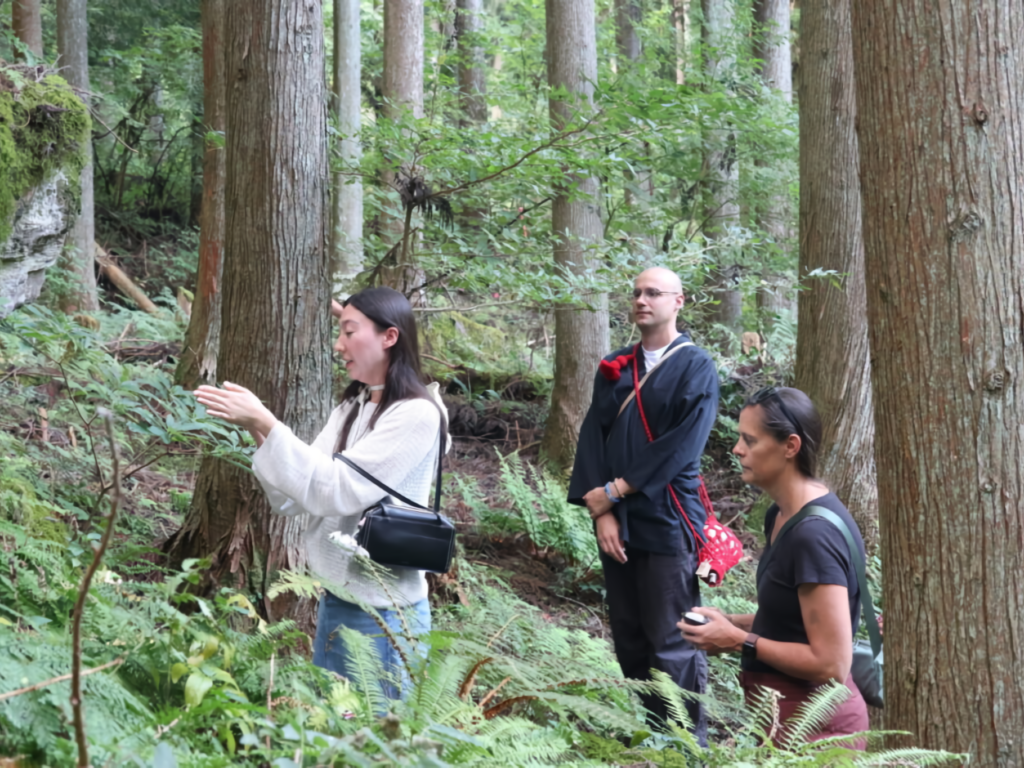
Rather than an experience contrived for visitors, the Ishikawa family offers participation in a living tradition their family has carried on for generations. Traveling with a Shikoku Tours guide ensures these encounters are facilitated with care, cultural sensitivity, and deep respect for the people who sustain them. This allows both peace of mind and a far richer experience for those wishing to engage with Shikoku’s mountain traditions.
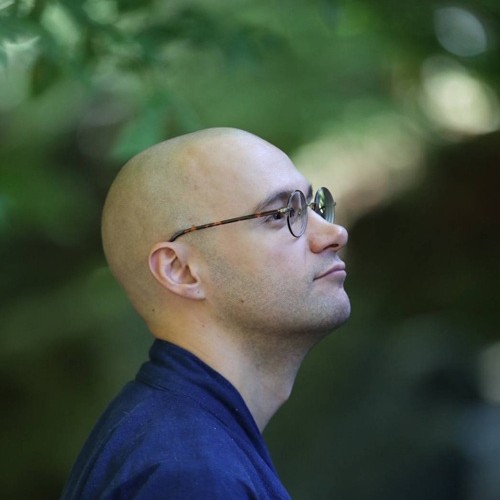
■Role:
Shikoku Travel Specialist, Tour Coordinator, and Shingon Buddhist Priest
■Experience:
10 years of lived experience in Japan, including over 6 years of in-depth study and practice in Japan’s religious traditions, particularly Buddhism, Shugendō, and Shinto.
I became a guide after experiencing firsthand how an understanding of Japan’s religious and cultural history can reveal deeper layers of meaning in even the simplest places. My aim is to help travelers connect with Shikoku not just as a destination, but as a living spiritual landscape, and to support them in discovering a more meaningful and personal journey.
■Role:
Shikoku Travel Specialist, Tour Coordinator, and Shingon Buddhist Priest
■Experience:
10 years of lived experience in Japan, including over 6 years of in-depth study and practice in Japan’s religious traditions, particularly Buddhism, Shugendō, and Shinto.
I became a guide after experiencing firsthand how an understanding of Japan’s religious and cultural history can reveal deeper layers of meaning in even the simplest places. My aim is to help travelers connect with Shikoku not just as a destination, but as a living spiritual landscape, and to support them in discovering a more meaningful and personal journey.