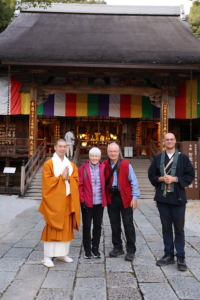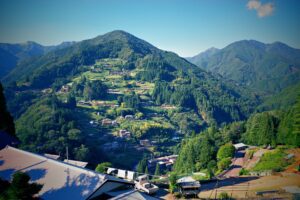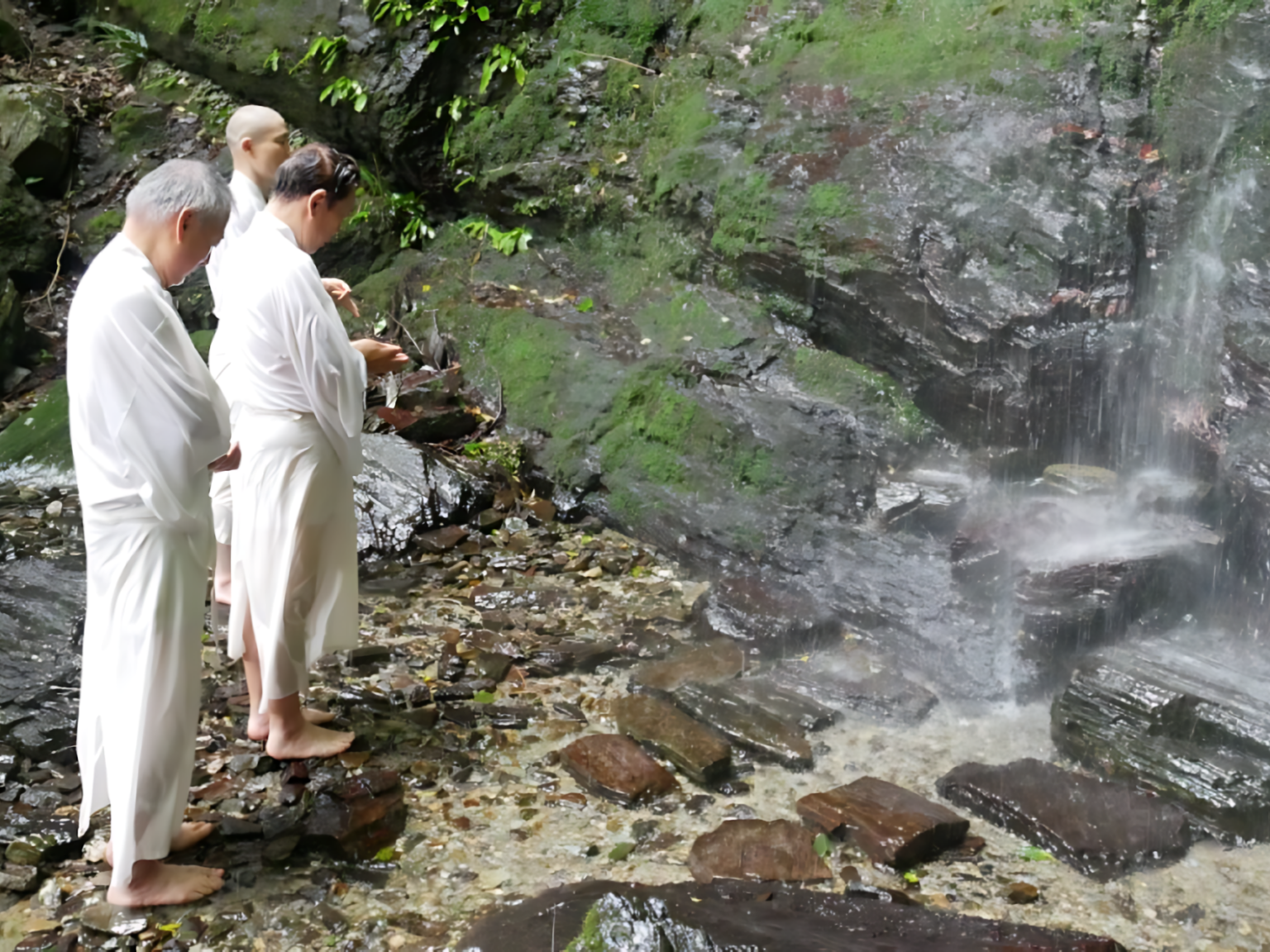
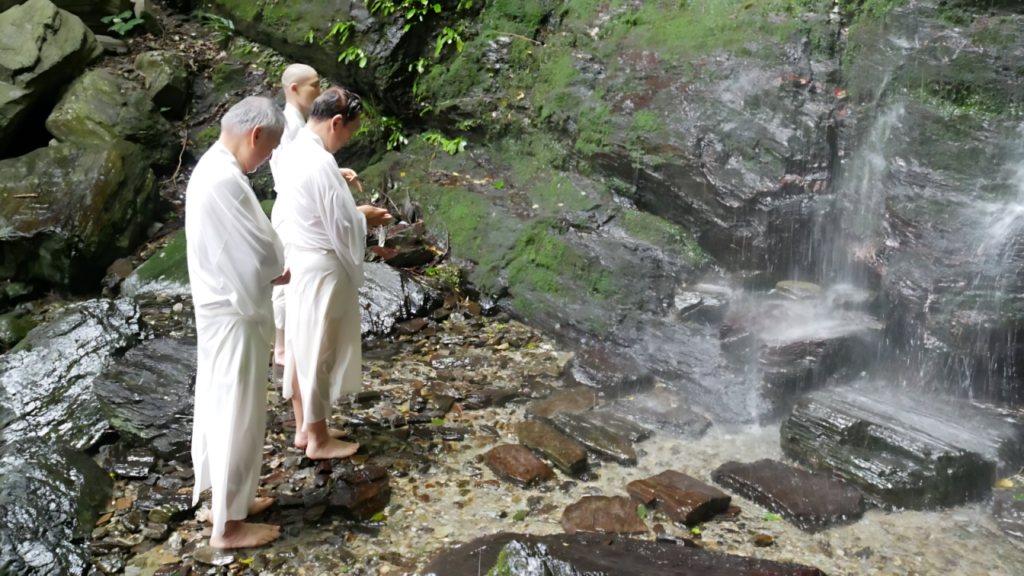
Buddhist priest Ryōkei Kume has guided visitors through takigyō (waterfall training) for over twenty years. He takes reservations in any season, even deep winter when the waterfall at Konji-ji Temple partially freezes over. “When I was thinking about what I could offer as a priest , I made a vow that I’d make myself available whenever somebody asks,” he explains over tea. Konji-ji’s quiet mountain atmosphere and warm tea make it easy to ask Ryōkei-san questions. A good thing, too, as many people find the prospect of standing under a waterfall intimidating. But Ryōkei-san’s quiet, confident personality soon sets most visitors at ease.
“Shall we say some prayers before heading down to the falls?” he asks, and the experience begins.
This article is supervised by a Shikoku travel specialist and Shingon Buddhist priest with over six years of practice in Japan’s ascetic and religious traditions, including firsthand experience of takigyō waterfall training.
Misogi’s Ancient Roots
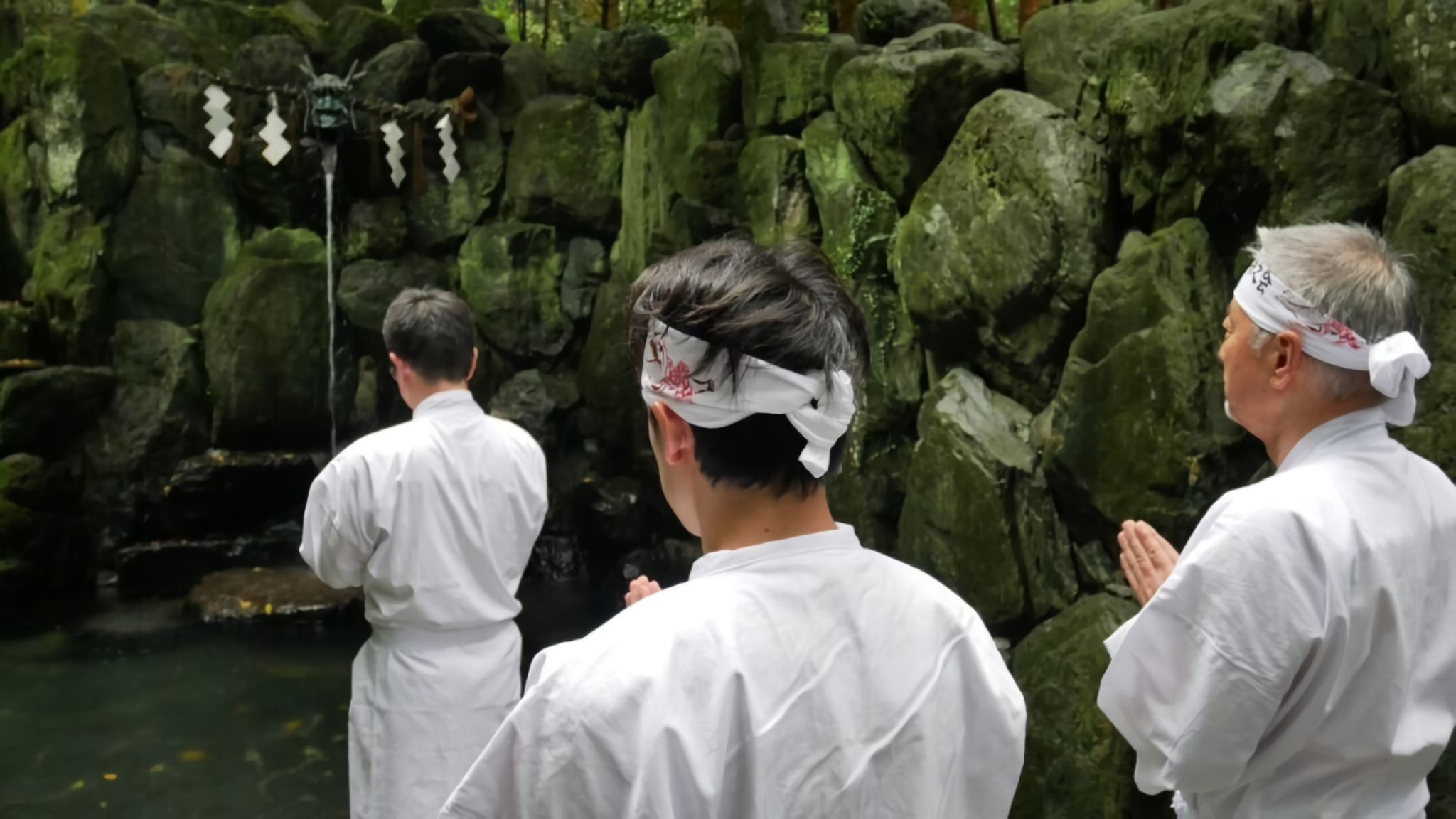
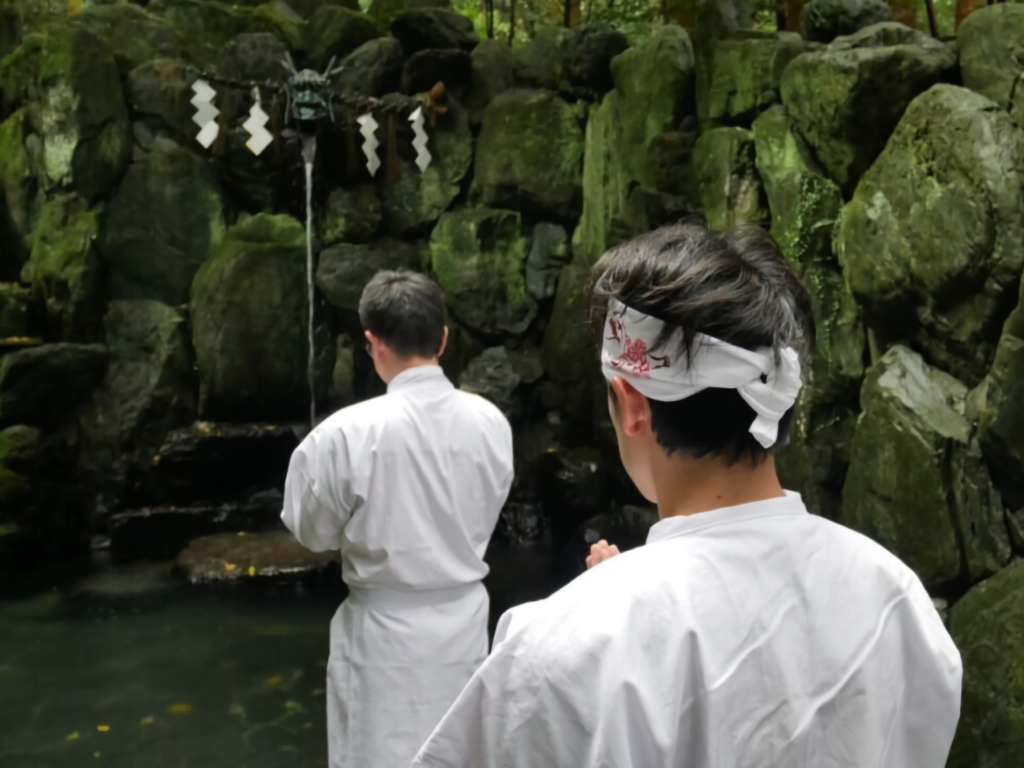
Japan’s practice of purification in the sea, waterfalls, and streams stretches back to the earliest days of Japanese spirituality. In Shintō mythology, the creator deity Izanagi washes the impurity of the underworld from his body in a stream. In Shintō, purifying the body and purifying the mind are inseparable. By performing misogi, or immersion in sacred water, one clears spiritual and physical impurities that cause things to go wrong in life.
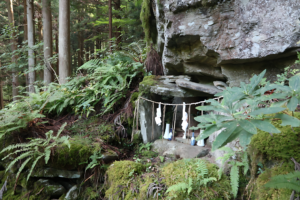
Practitioners of Buddhism and Shugendo continued the practice. It was recast as takigyō (waterfall austerities), and undertaken to sharpen the mind, cultivate resolve, or purify oneself before ritual. Shikoku is scattered with waterfalls said to have been used as training sites by illustrious saints of days gone by.
Konji-ji Waterfall Meditation: What to Expect
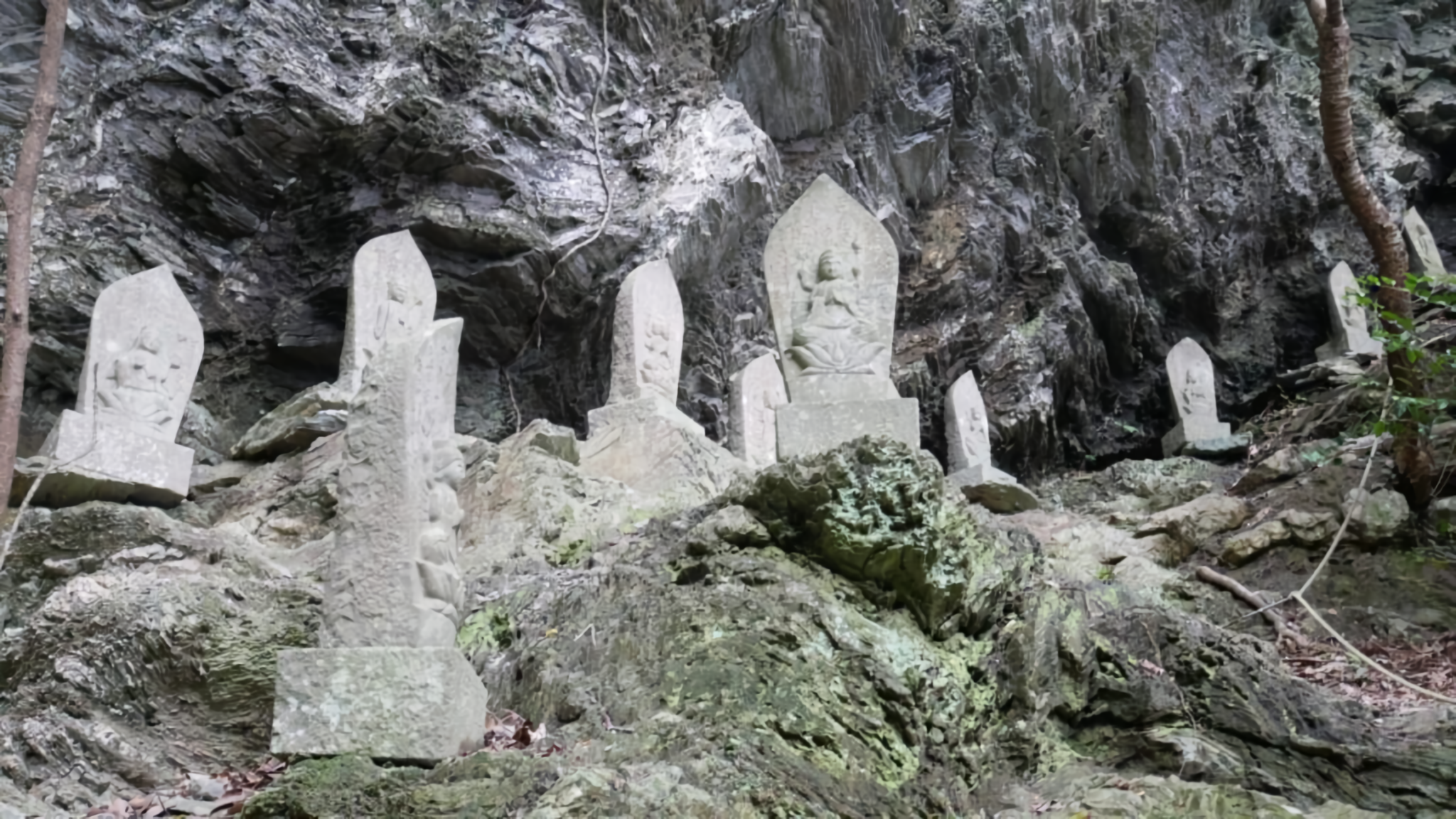
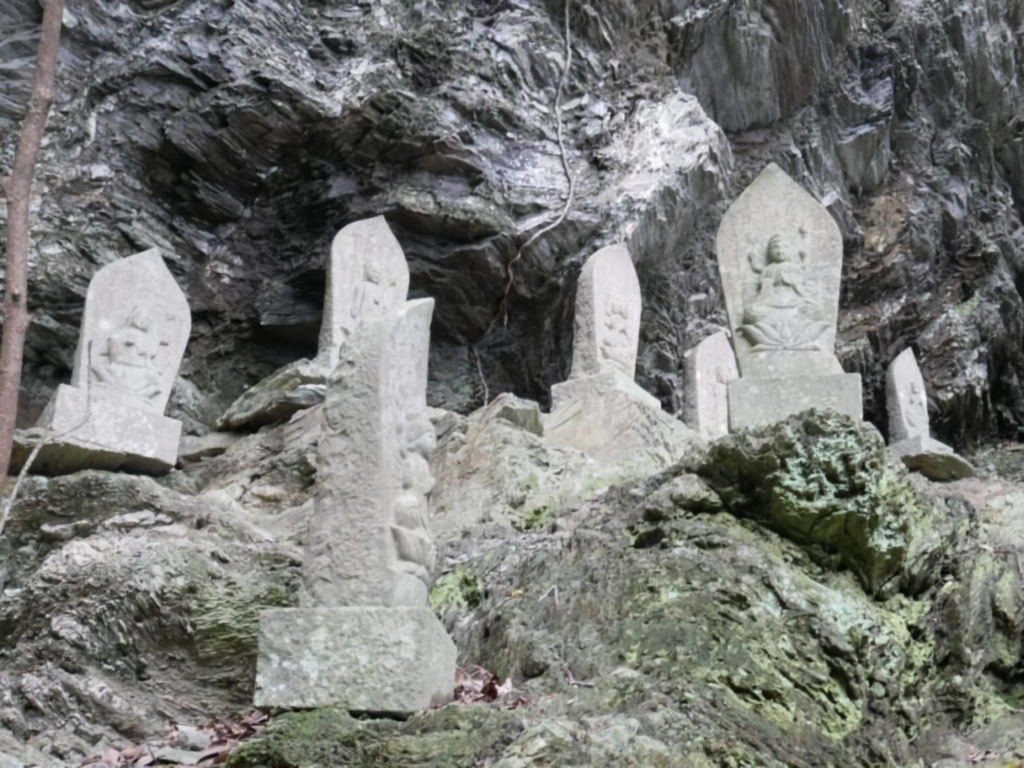
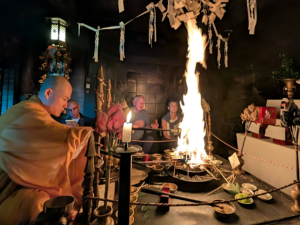
The experience starts in Konji-ji’s main hall. The sanctuary hugs a cave on the mountainside that enshrines its main deity. Here Ryōkei-san leads participants in a brief service asking for the deity’s protection in their training. His powerful, rhythmic, resonant chanting has earned him quite a following on Konji-ji’s YouTube channel.
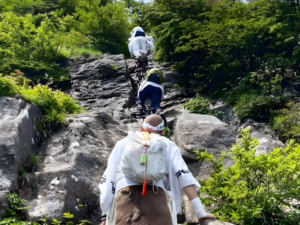
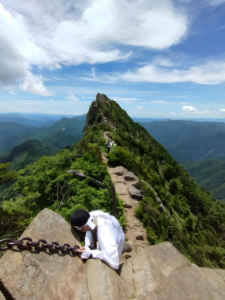
Next Ryōkei-san guides visitors on a short hike down the hill toward the Konji Falls. Confident hikers can try descending via the mountain’s gyōba, rocky sections used as ascetic training grounds, with the help of iron chains. For those less sure of their footing, there is a gentler route available.
At the base of the trail, the waterfall comes into view. Participants change into white robes (ladies are encouraged to bring leggings, etc. to wear under their robes, and a tent is provided for privacy while changing). After gearing up, Ryōkei-san leads a short chanting service for protection at a hall beside the falls.
Ryōkei-san enters the waterfall first. His experience allows him to adjust practice length depending on temperature and participants’ capacity. In the heat of summer, the cool water feels refreshing. Water temperatures fall as the year progresses, and the water is just above freezing in winter. The Konji Falls divide into two streams, and participants usually enter twice, sometimes two people at once. Time beneath the water is measured by the sutras and mantras Ryōkei-san chants with steady intensity.
Once everyone has had their turn, they dry off and change back into their clothes before heading back up to the temple for another cup of tea, a chance to share and reflect on their experience.
Taking the Plunge
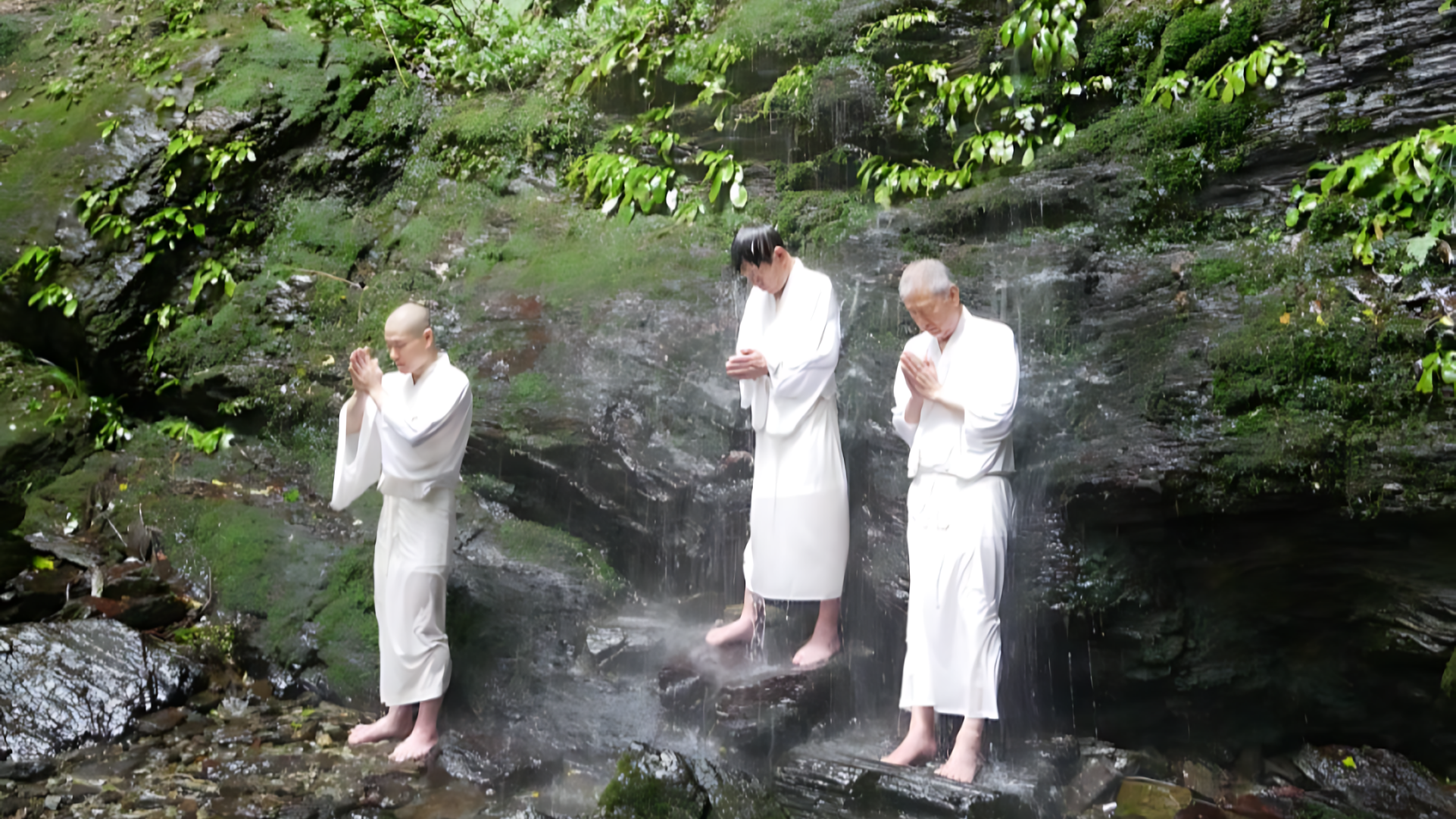
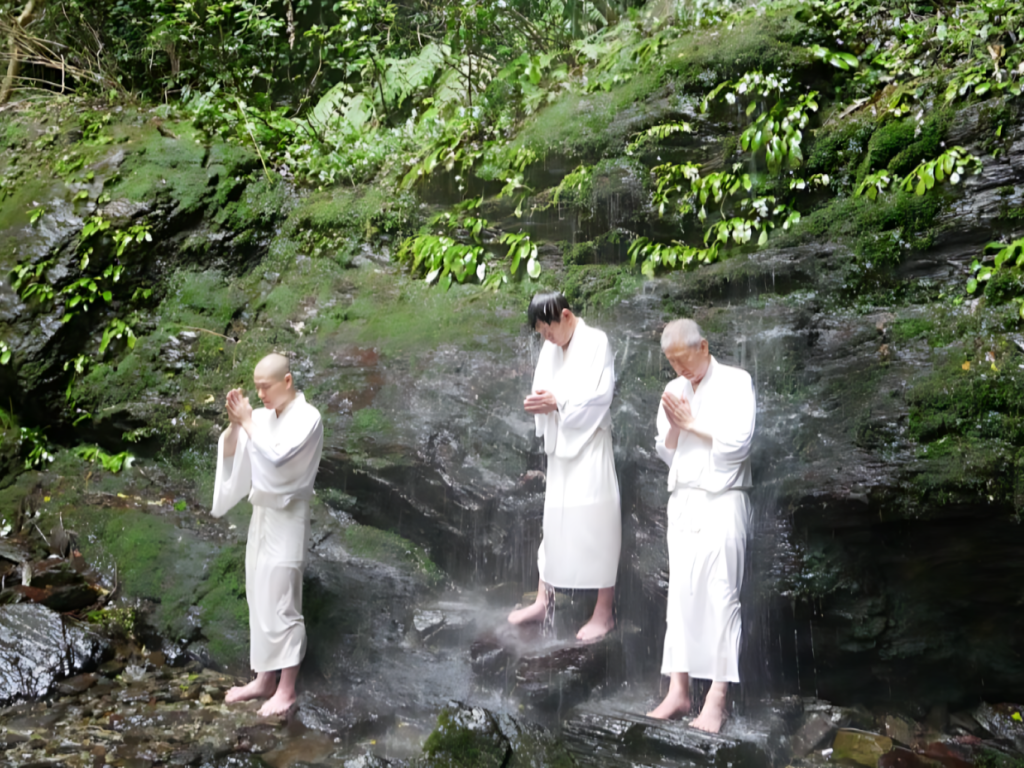
When asked what he encourages people to focus on during takigyō, Ryōkei-san doesn’t give a direct answer. “I think it’s best to go in with an open mind, then see how you feel afterward.” True to that spirit, a wide range of people come to practice at Konji Falls. In a given month he might welcome pilgrims walking the Shikoku Henro, students preparing for entrance exams, and others who return month after month to deepen their training.
For those interested in trying takigyō independently, Konji-ji accepts individual reservations directly via email or direct message on Instagram.
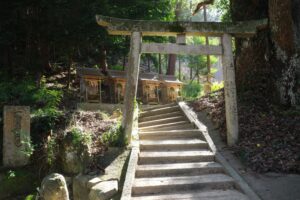
A similar flow of preparation, prayer, and immersion can also be found in Shintō contexts. From July through September, Ishizuchi Shrine in Saijō offers misogi as part of its summer practice season. Though the ritual language differs slightly, the flow of the experience closely resembles that of Konji-ji.
Experiencing Water Purification with Shikoku Tours
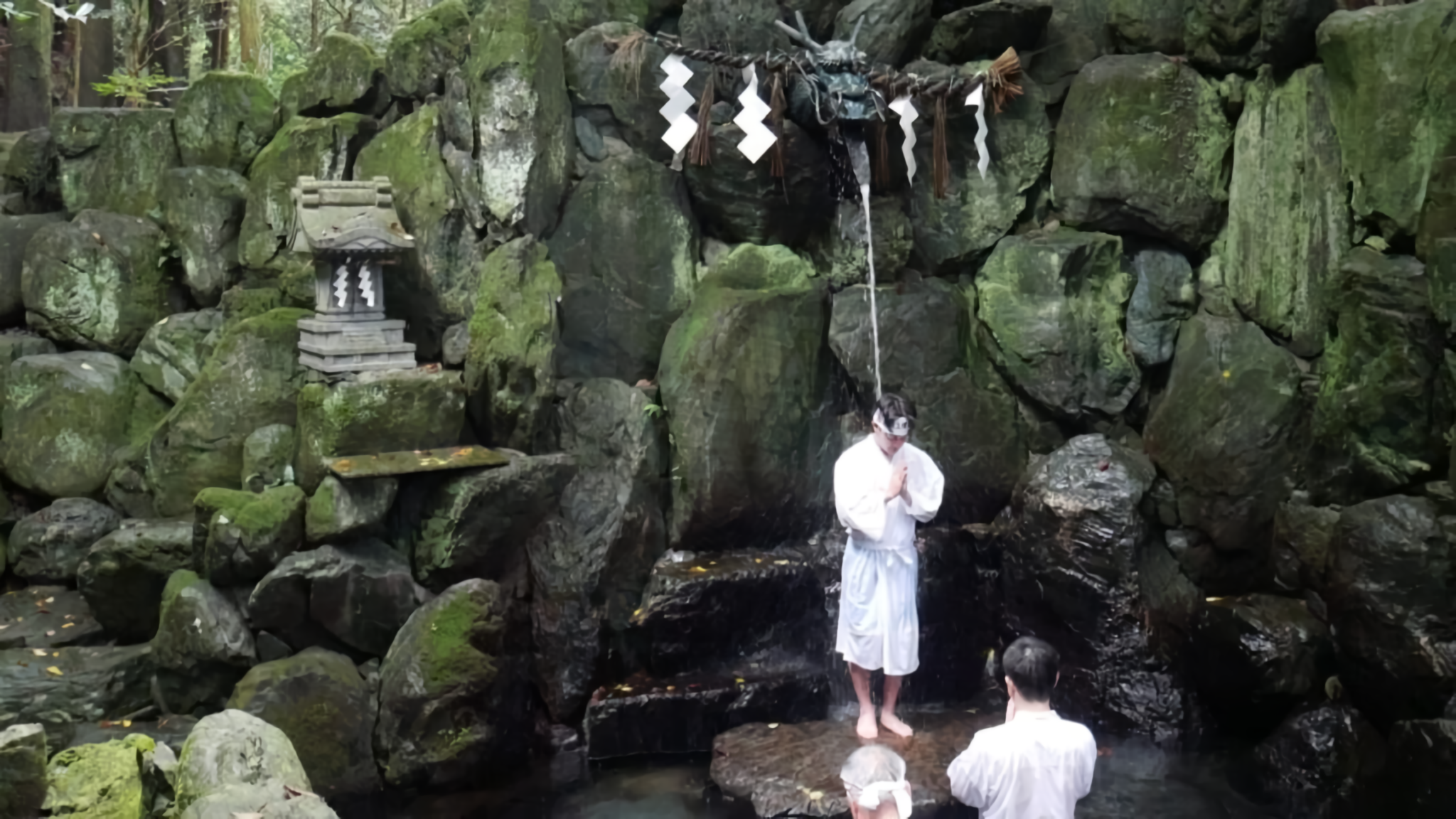
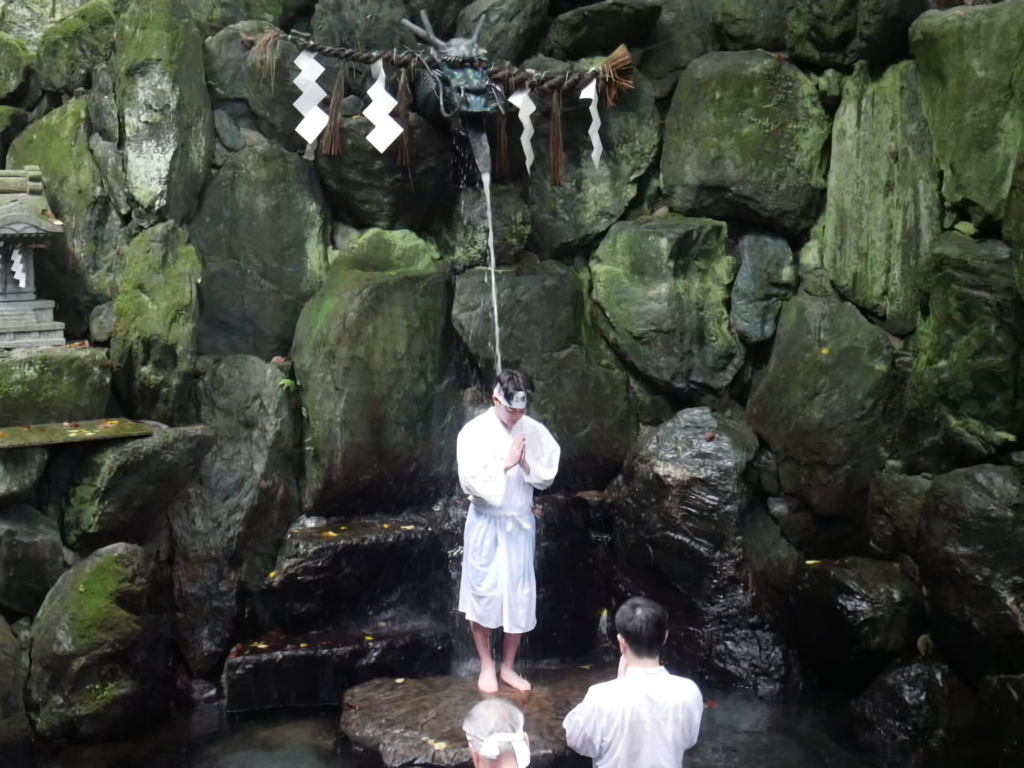
Shikoku Tours weaves takigyō and misogi into carefully paced itineraries that situate waterfall training within the landscapes, temples, and communities that have sustained it for centuries. From the mountains of Tokushima to the sacred slopes of Mt. Ishizuchi, these experiences are approached not as isolated challenges, but as living traditions rooted in place. Expert guide-interpreters help take the experience to the next level by facilitating real conversations with seasoned takigyō practitioners.
Whether arranged as part of a guided journey or undertaken independently, takigyō in Shikoku is a rare chance to engage Japanese spirituality not as trivia or theory, but as real practice experienced with the whole body.
Please note:
Waterfall training and misogi place physical demands on the body, particularly in cold water. Those with heart conditions, high blood pressure, or other health concerns are encouraged to proceed with care and to take part only to the extent that feels comfortable.
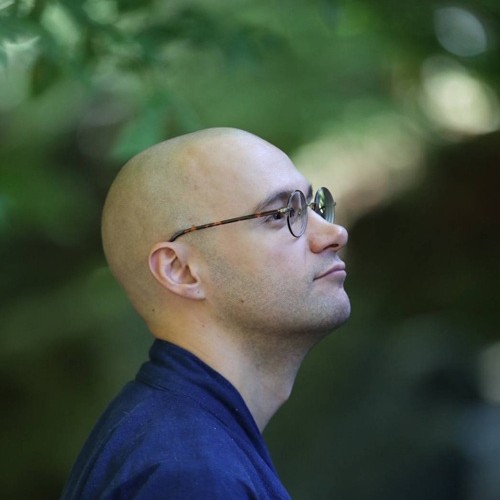
■Role:
Shikoku Travel Specialist, Tour Coordinator, and Shingon Buddhist Priest
■Experience:
10 years of lived experience in Japan, including over 6 years of in-depth study and practice in Japan’s religious traditions, particularly Buddhism, Shugendō, and Shinto.
I became a guide after experiencing firsthand how an understanding of Japan’s religious and cultural history can reveal deeper layers of meaning in even the simplest places. My aim is to help travelers connect with Shikoku not just as a destination, but as a living spiritual landscape, and to support them in discovering a more meaningful and personal journey.
■Role:
Shikoku Travel Specialist, Tour Coordinator, and Shingon Buddhist Priest
■Experience:
10 years of lived experience in Japan, including over 6 years of in-depth study and practice in Japan’s religious traditions, particularly Buddhism, Shugendō, and Shinto.
I became a guide after experiencing firsthand how an understanding of Japan’s religious and cultural history can reveal deeper layers of meaning in even the simplest places. My aim is to help travelers connect with Shikoku not just as a destination, but as a living spiritual landscape, and to support them in discovering a more meaningful and personal journey.