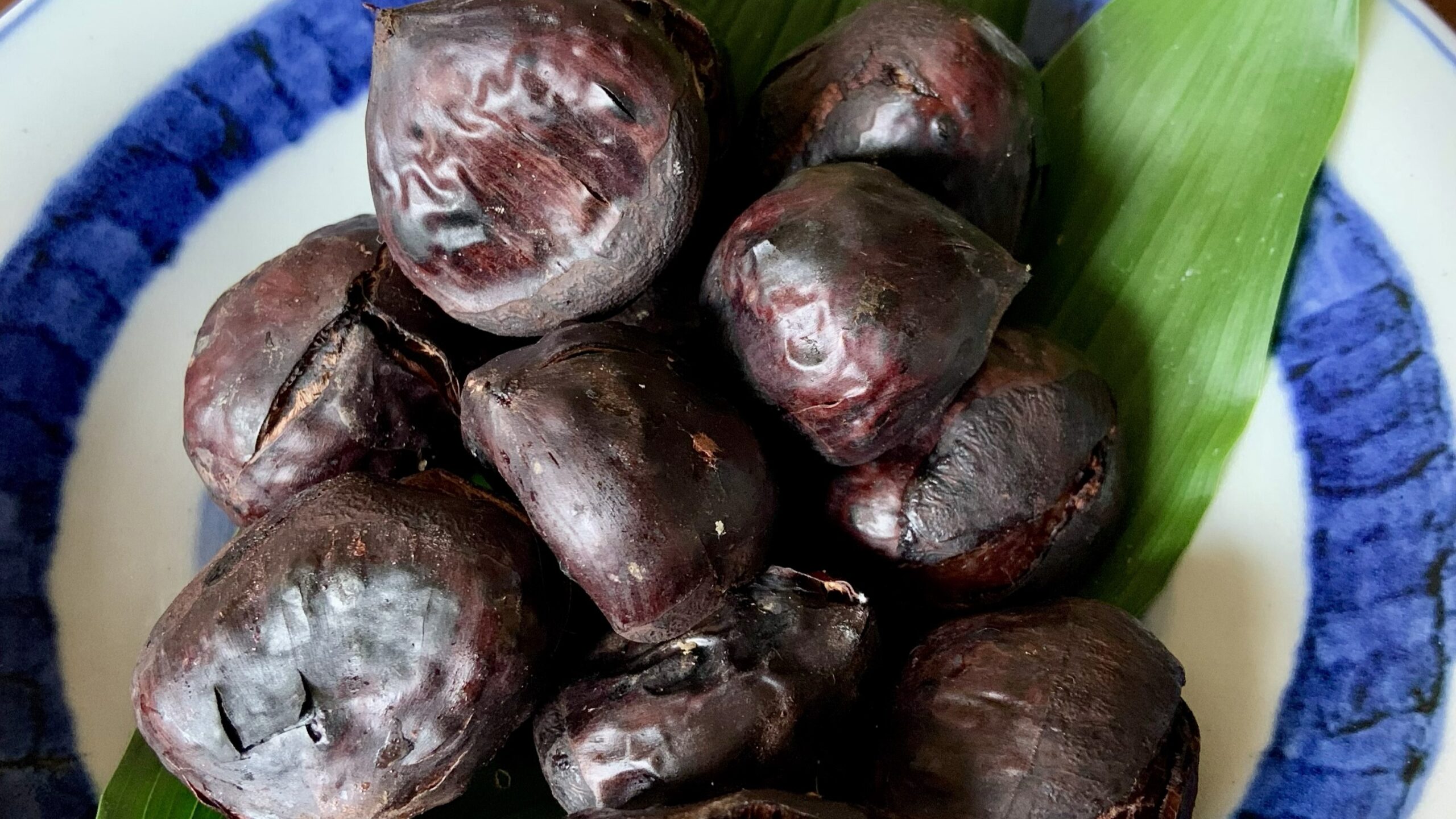
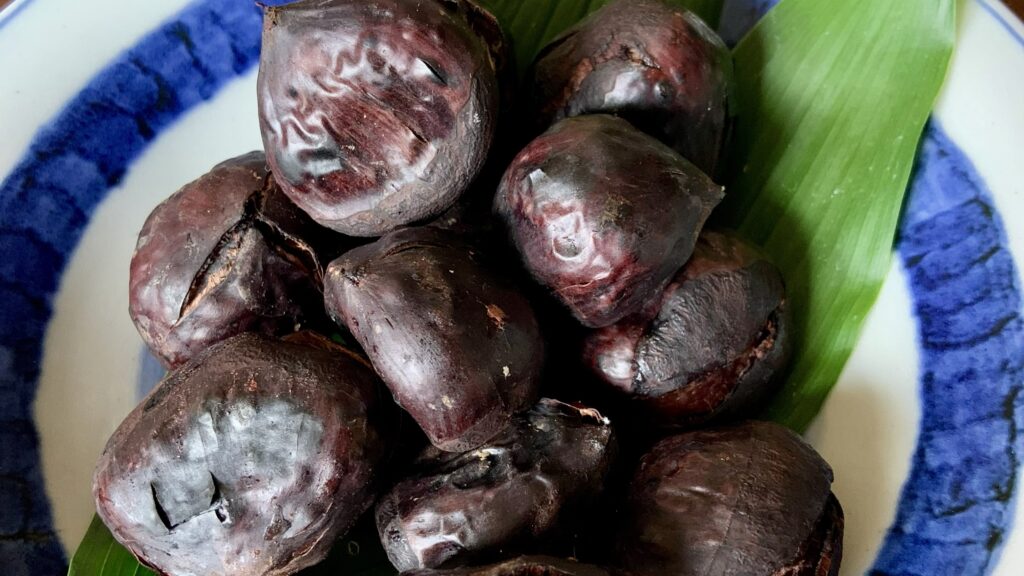
Nakayama is famous for its beautiful countryside, rich natural surroundings and above all, its delicious chestnuts. Every autumn, the town welcomes chestnut season, when locally grown Nakayama Guri are harvested and enjoyed in a variety of traditional Japanese dishes. Known for their impressive size, natural sweetness and rich flavour, these chestnuts have become one of the area’s most treasured local specialities. From simple roasted chestnuts to traditional dishes including kuri okowa and shibukawani, there are many ways to enjoy this seasonal ingredient. I’d love to introduce Nakayama’s chestnuts and some of the delicious ways that local people prepare and enjoy them.
What makes Nakayama Chestnuts so Special?
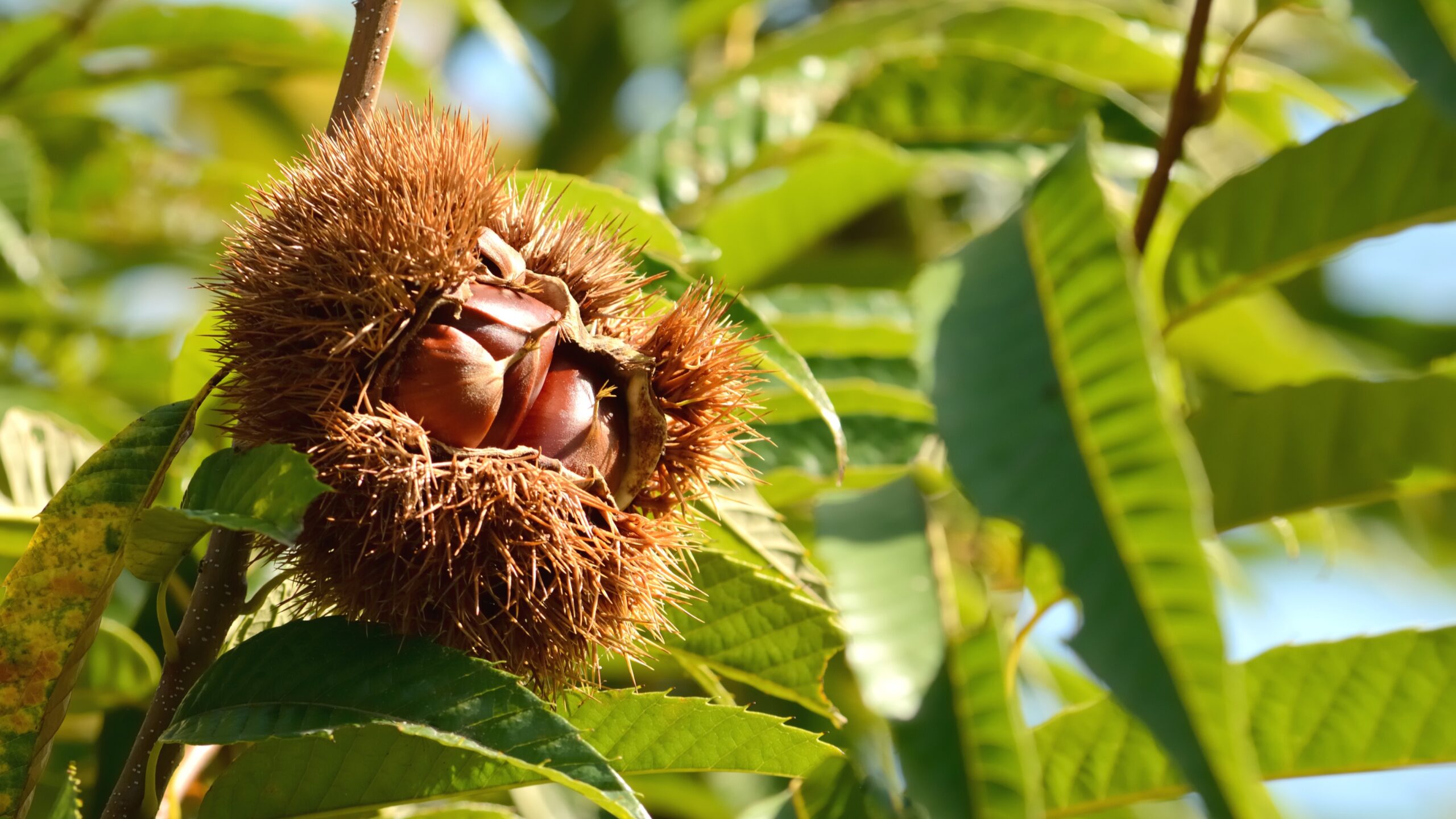
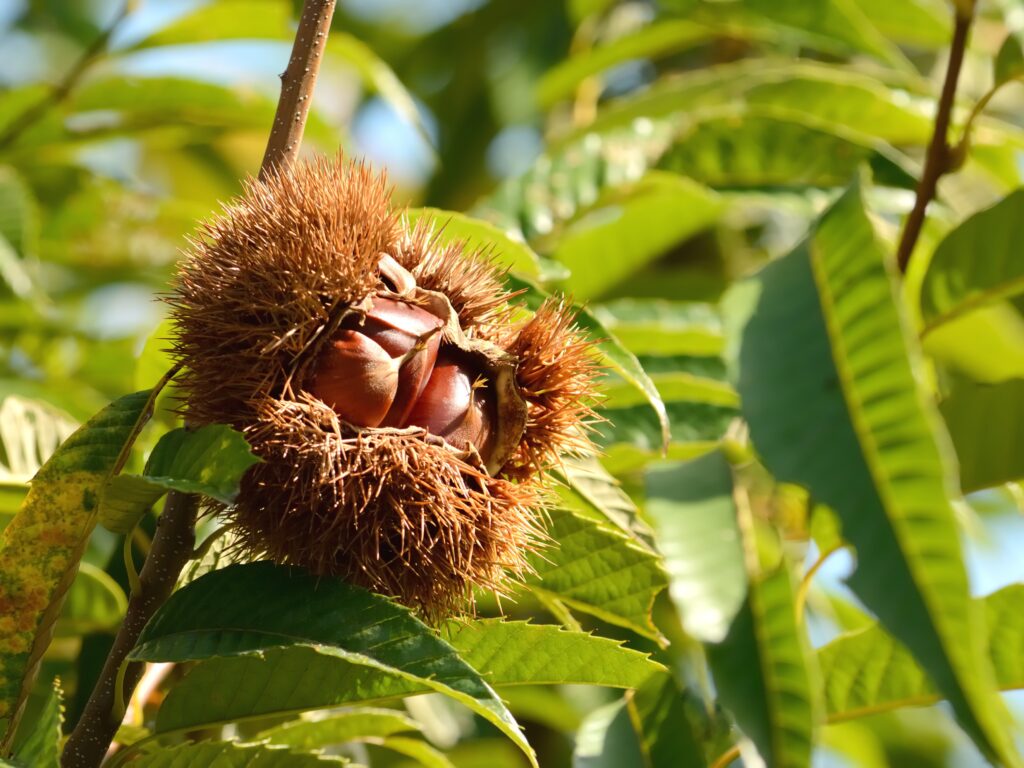
Nakayama Guri is one of the best-known local specialities in Nakayama, located in Ehime prefecture. It is also introduced as one of Japan’s top three chestnut varieties. What makes these chestnuts special is their impressive size, naturally sweet tastes and rich, slightly nutty flavour.
The surrounding mountains, fresh air and natural environment provide a suitable environment for growing chestnuts. The harvest season is usually around autumn every year, bringing the delightful taste of the season to local kitchens and markets. Just simply boiling or roasting them brings out their natural sweetness.
Traditional Ways to Enjoy Nakayama Chestnuts
Nakayama chestnuts are used in many traditional ways. The popular ways to prepare them are kuri okowa, shibukawani, and kuri kanroni. Each has a different flavour and texture, and they are beautiful traditional foods to celebrate seasonal events.
Kuri Okowa – Chestnuts Sticky Rice
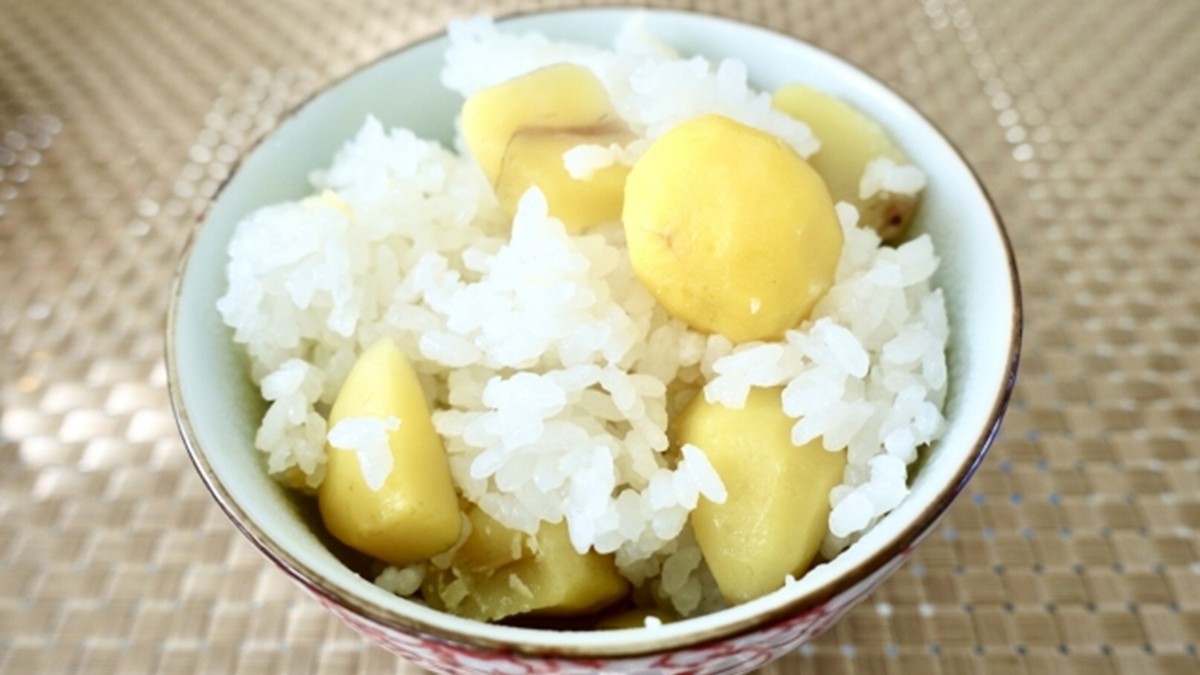
A traditional Japanese dish made with mochi rice and chestnuts. It is often prepared in autumn and served during special occasions, family gatherings and seasonal festivals. The combination of slightly chewy rice and sweet chestnuts makes it a comforting dish.
How to make it:
Wash the mochi rice and soak it for around 4-6hours. Drain the rice and place it in a rice cooker. Add water and salt and place peeled chestnuts on top. Cook and gently mix everything together once finished.
Shibukawani – Chestnuts Simmered in Syrup
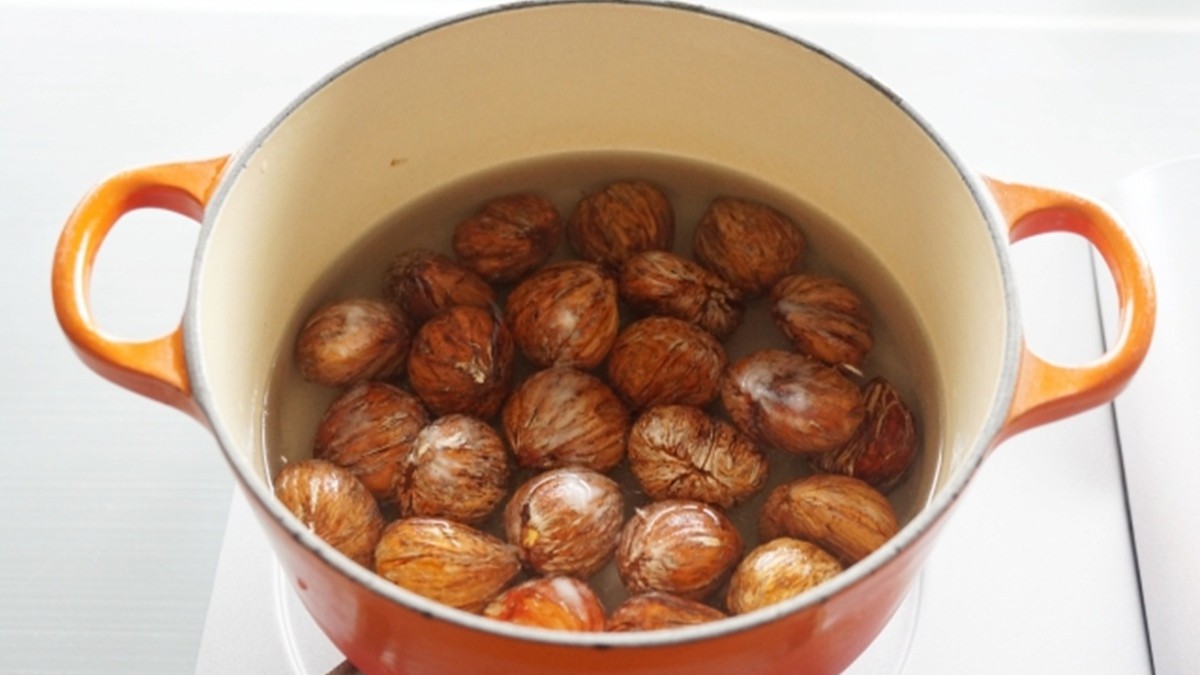
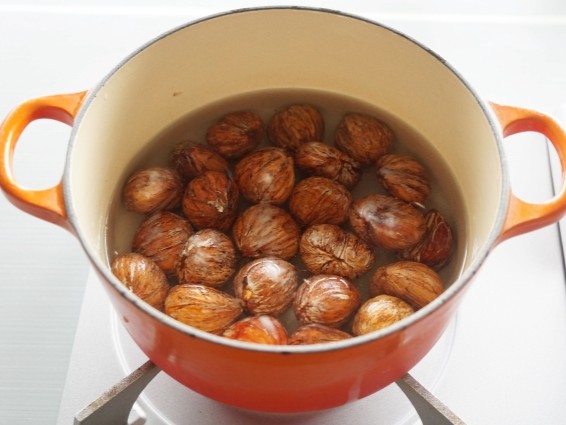
Shibukawani is a traditional sweet made by simmering chestnuts while keeping their thin inner skin (shibukawa) intact. It takes patience and care to prepare, however, the result is beautiful.
How to make it:
Soak the chestnuts in warm water, then carefully remove on the hard outer shell. You have to be careful not to damage the thin inner skin. Place the chestnuts in a pot, cover with water. Simmer gently for about 10 to 15minutes. Drain and carefully rinse away the dark foam. Repeat the process two or three times by using fresh water each time. Gently remove any remaining fibres from the chestnut’s skins. Add fresh water and sugar, then simmer gently until the chestnuts become tender and absorb the syrup. Allow them to cool in the syrup.The finished chestnuts have a beautiful deep brown colour and rich, gently sweet flavour.
Kuri Kanroni – Sweet Candied Chestnuts
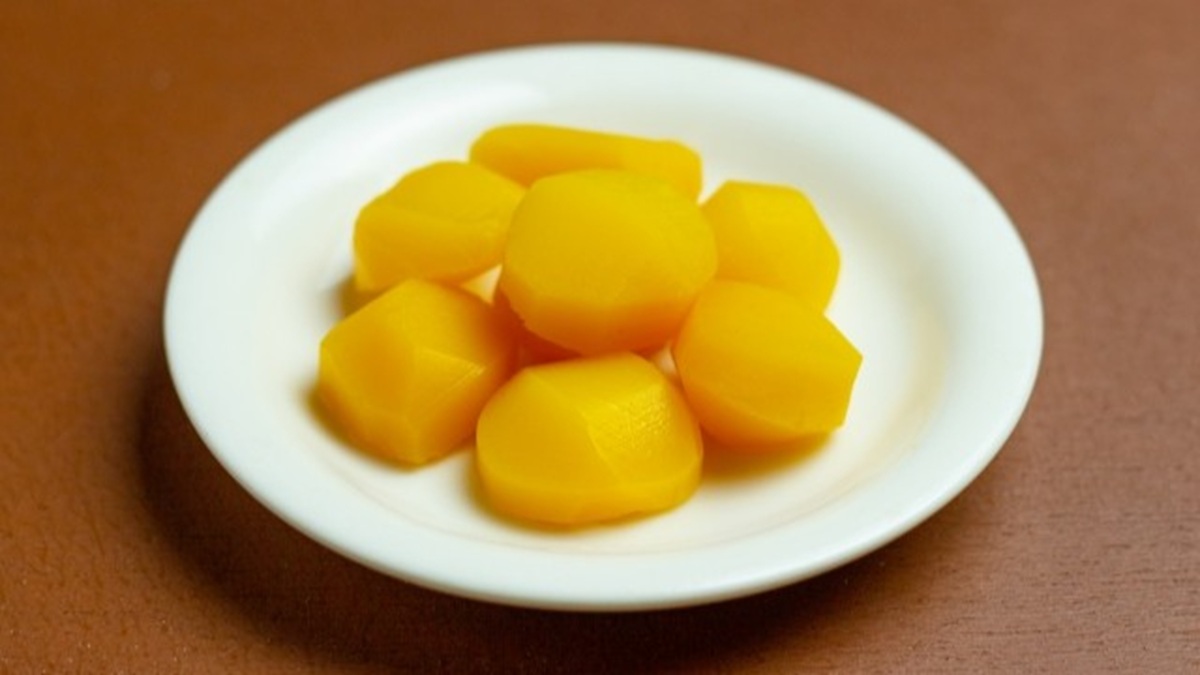
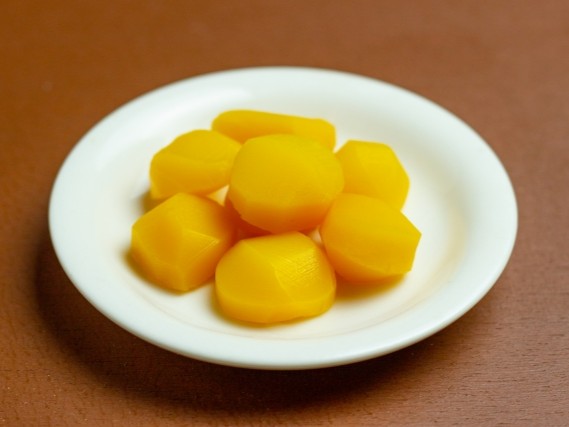
Unlike shibukawani, kuri kanroni is made by using peeled chestnuts, giving them a smooth, golden appearance.
How to make it:
Remove the hard outer shell and thin inner skin. Place the chestnuts in a pot with water and gently simmer until slightly tender. In another pot, place water, sugar and a bit of salt. Add the chestnuts and simmer gently for around 15 to 25 minutes. Turn off the heat and leave the chestnuts in the syrup until cool.
These golden chestnuts are tasty on their own, but they are also beautiful in sweets, cakes, parfaits and even as a topping for ice cream.
A Taste of Autumn in Nakayama
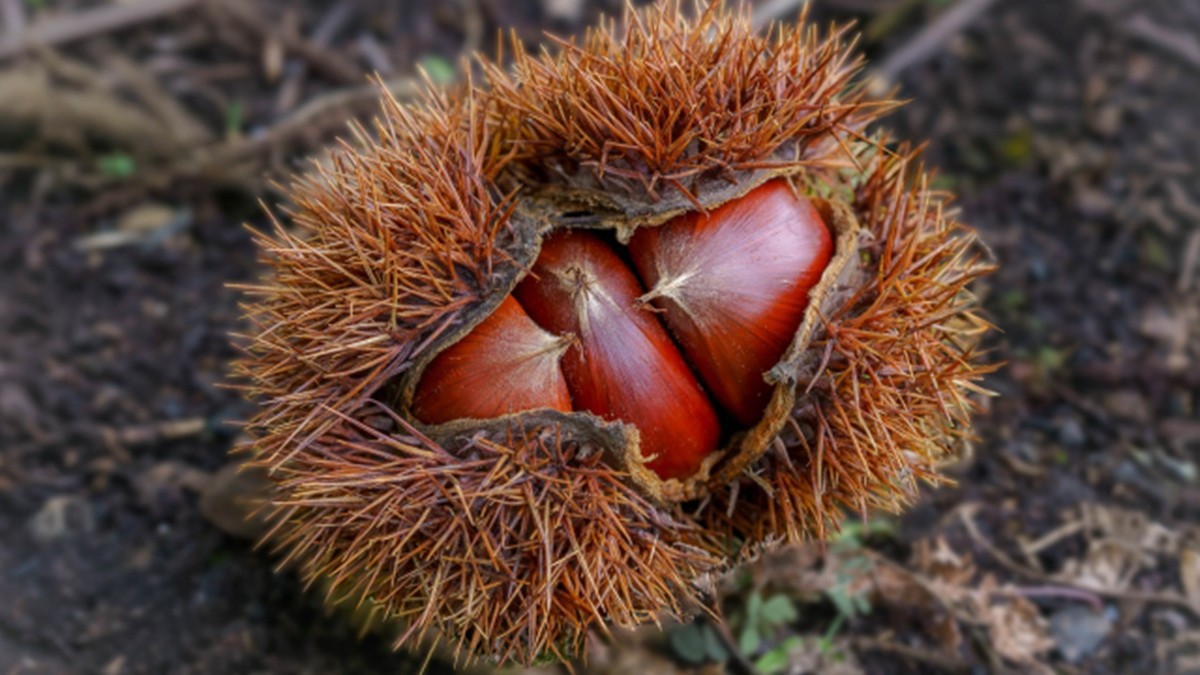
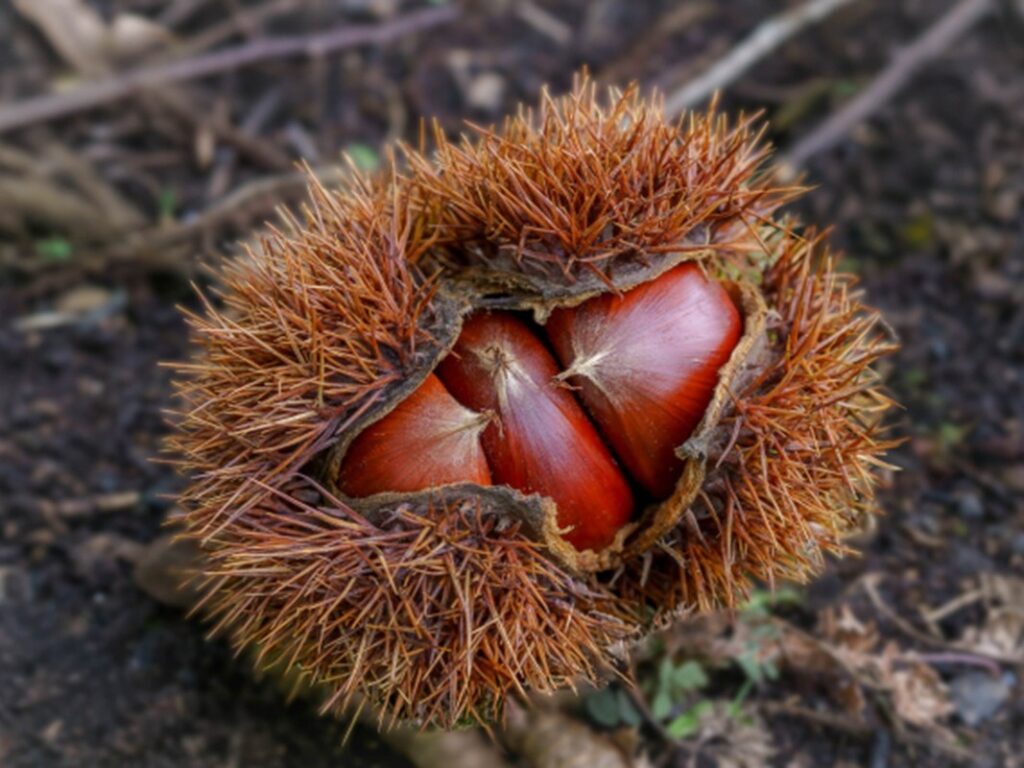
What I love about Nakayama chestnuts is how versatile they are. Whether you enjoy them freshly roasted, boiled, mixed into sticky rice or transformed into traditional sweets, each preparation brings out a different side of their flavour. For something simple, try eating a warm roasted chestnut straight from its shell. For a sweet treat, enjoy kanroni with vanilla ice cream or make a chestnut parfait with chestnut kanroni paste. Shibukawani is also lovely alongside Japanese green tea. Chestnuts are more than just a seasonal ingredient in Nakayama. They are part of the town’s food culture and autumn traditions, bringing family together through cooking and sharing food. I would highly recommend trying some locally grown chestnuts if you happen to visit Nakayama during autumn season. You may discover something as simple as a chestnut can tell you a lot about the nature, seasons, and everyday life of this beautiful little town.
■Role:
Local Contributor, Ehime
I’m excited to share little glimpses of my everyday life in Shikoku, from local food and cafes to beautiful places, seasonal specialities, and the simple joys of countryside living.
■Role:
Local Contributor, Ehime
I’m excited to share little glimpses of my everyday life in Shikoku, from local food and cafes to beautiful places, seasonal specialities, and the simple joys of countryside living.