
Shikoku is a hidden culinary paradise waiting to be discovered. As specialists and guides who know the area well, we at Shikoku Tours coordinate many food-focused tours every year to convey its excellence. Whether it’s world-class udon or fresh Pacific seafood, we carefully select the must-try gourmet experiences that define our island. Below, we are proud to introduce the best of Shikoku food, authentic culinary delights that you won’t find in the typical guidebooks.
Why Shikoku is Japan’s Underrated Culinary Paradise
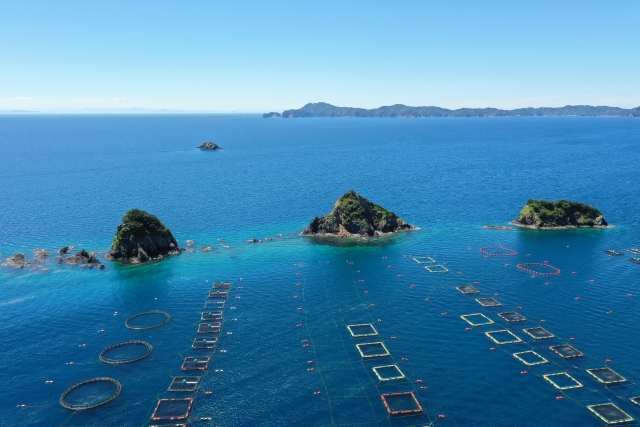
Shikoku food culture is rooted in the natural world. Shikoku is surrounded by the Seto Inland Sea to the north and the Pacific Ocean to the south, making it rich in seafood. With 75% of the island covered in forests, there is no shortage of pure water and mineral rich ingredients. Its mild climate means something delicious is always in season, and Shikoku is full of expert chefs whose craft is tailored to the rhythms of the year.
Shikoku food culture is rooted in the natural world. Shikoku is surrounded by the Seto Inland Sea to the north and the Pacific Ocean to the south, making it rich in seafood. With 75% of the island covered in forests, there is no shortage of pure water and mineral rich ingredients. Its mild climate means something delicious is always in season, and Shikoku is full of expert chefs whose craft is tailored to the rhythms of the year.
The Shikoku Food Map: The Best of Each Region
What kind of regional specialties can you savor in Shikoku? Below is a summary of what you can eat and what the local delicacies are in each of the four prefectures of Shikoku.
Kagawa: The World’s Udon Capital
Japan has one of the world’s great noodle cultures, and Shikoku’s noodles are renowned countrywide. Udon, thick noodles made from flour, are popular all over Japan. Simple and cheap, it’s the Japanese take on fast food, and you’ll find long lines outside many slurp shops at lunchtime. Shikoku’s Kagawa Prefecture is known as “the Udon Prefecture,” and it’s even said the noodles originated here. Kagawa noodles’ chewy texture is known nationwide under the brand name “Sanuki Udon” (Sanuki used to be an old name for Kagawa). Thus, many domestic tourists visit Kagawa Prefecture just for the udon! Another delicious characteristic of Sanuki udon is the broth made from fish, which varies in taste from shop to shop.
In the past, udon’s affordability allowed farmers to easily stop by during breaks from work, making it a working-class favorite. Many udon restaurants are self-service, where you order the amount and seasoning of your Udon, and then select your sides, like tempura, oden stewed vegetables, varieties of sushi, and other side dishes from the counter before paying. This can sometimes be a challenge for international visitors. But don’t worry, our guides can assist you. And trust us, you don’t want to let anything get between you and an experience of this classic, crowd-pleasing Shikoku food tradition.
Sanuki Udon: A Breakfast Tradition
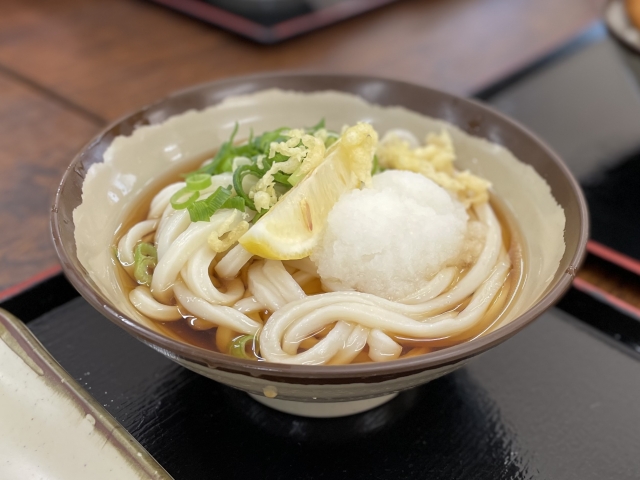
In Kagawa you can even find udon shops open at 6 am. The Kagawa equivalent of a European bakery, locals often stop by a shop in the morning a breakfast bowl of noodles. The most popular dish in the morning is “Kake Udon,” a simple dish of noodles in warm broth. The gentle broth is sure to give you the energy to start the day off right. Because it’s simple and the portions aren’t large, some people even go shop-hopping. Enjoy some morning udon and channel that energy into exploring Kagawa’s many sites!
In Kagawa you can even find udon shops open at 6 am. The Kagawa equivalent of a European bakery, locals often stop by a shop in the morning a breakfast bowl of noodles. The most popular dish in the morning is “Kake Udon,” a simple dish of noodles in warm broth. The gentle broth is sure to give you the energy to start the day off right. Because it’s simple and the portions aren’t large, some people even go shop-hopping. Enjoy some morning udon and channel that energy into exploring Kagawa’s many sites!
Honetsuki-dori (Bone-in Roasted Chicken)
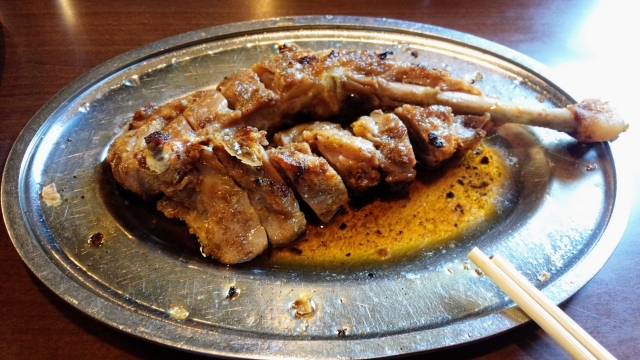
Kagawa Prefecture has another beloved local dish: “Honetsuki-dori” (bone-in chicken leg), said to have its origin in Marugame City. Its history is surprisingly long, reportedly developed in the 1950s. Its characteristics include a stimulating flavor seasoned with garlic-infused spices, crispy skin, and juicy meat. There are two types: “Oyadori” (adult chicken) and “Wakadori” (young chicken). Oyadori has a firm texture, and the flavor intensifies with each bite. Wakadori is plump, tender, and easy to eat. It’s a dish that pairs perfectly with alcohol, but it’s also a popular local food among children.
Kagawa Prefecture has another beloved local dish: “Honetsuki-dori” (bone-in chicken leg), said to have its origin in Marugame City. Its history is surprisingly long, reportedly developed in the 1950s. Its characteristics include a stimulating flavor seasoned with garlic-infused spices, crispy skin, and juicy meat. There are two types: “Oyadori” (adult chicken) and “Wakadori” (young chicken). Oyadori has a firm texture, and the flavor intensifies with each bite. Wakadori is plump, tender, and easy to eat. It’s a dish that pairs perfectly with alcohol, but it’s also a popular local food among children.
Kochi: The Land of Seared Bonito & Sake Culture
Kochi Prefecture, where over 80% of the land is covered in forests and the southern side faces the Pacific Ocean, boasts a rich natural environment that also provides some of the best of Shikoku food culture. The most prominent gift from the sea is bonito. “Katsuo no Tataki” (seared bonito) is a dish that fully utilizes the freshness of this fish. The best times to enjoy it are in spring, from March to May, and autumn from September to November.
The fresh fish pairs perfectly with Kochi’s many excellent sakes. Made with pure ground water filtered by forests all over the prefecture, Kochi has sake a crisp, clean finish. Perhaps the reason why Kochi has the highest per capita spending on alcohol is due to the abundance of food and the presence of sake that complements it.
Katsuo no Tataki: The Straw-Searing Ritual
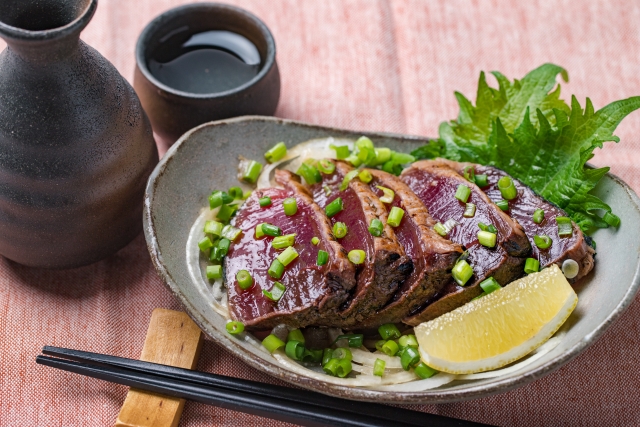
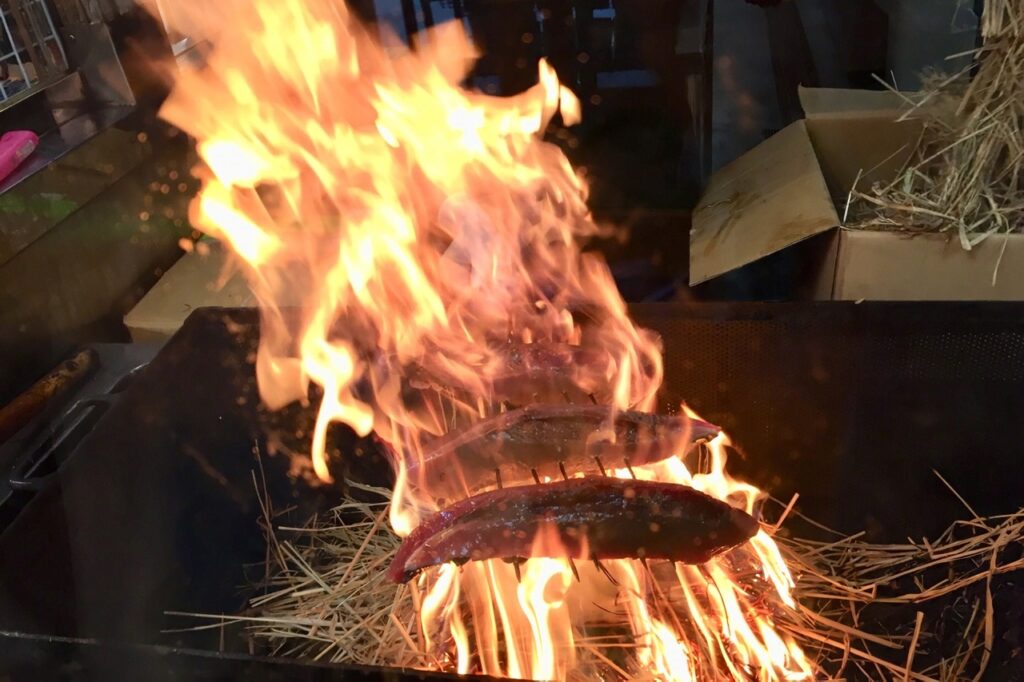
“Katsuo no Tataki” (or seared bonito) is a representative dish of Kochi and can be enjoyed in many places throughout the prefecture. The preparation is extremely simple: raw bonito is seared with burning straw. It’s then cut into bite-sized pieces and eaten with ponzu sauce (a mixture of soy sauce and vinegar). The seared aroma and refreshing acidity spread in your mouth the moment you take a bite, offering a taste distinctly different from sashimi. You can also experience searing bonito over straw, so please try it yourself and savor the flavor!
“Katsuo no Tataki” (or seared bonito) is a representative dish of Kochi and can be enjoyed in many places throughout the prefecture. The preparation is extremely simple: raw bonito is seared with burning straw. It’s then cut into bite-sized pieces and eaten with ponzu sauce (a mixture of soy sauce and vinegar). The seared aroma and refreshing acidity spread in your mouth the moment you take a bite, offering a taste distinctly different from sashimi. You can also experience searing bonito over straw, so please try it yourself and savor the flavor!
Sawachi Ryori: The Communal Feast
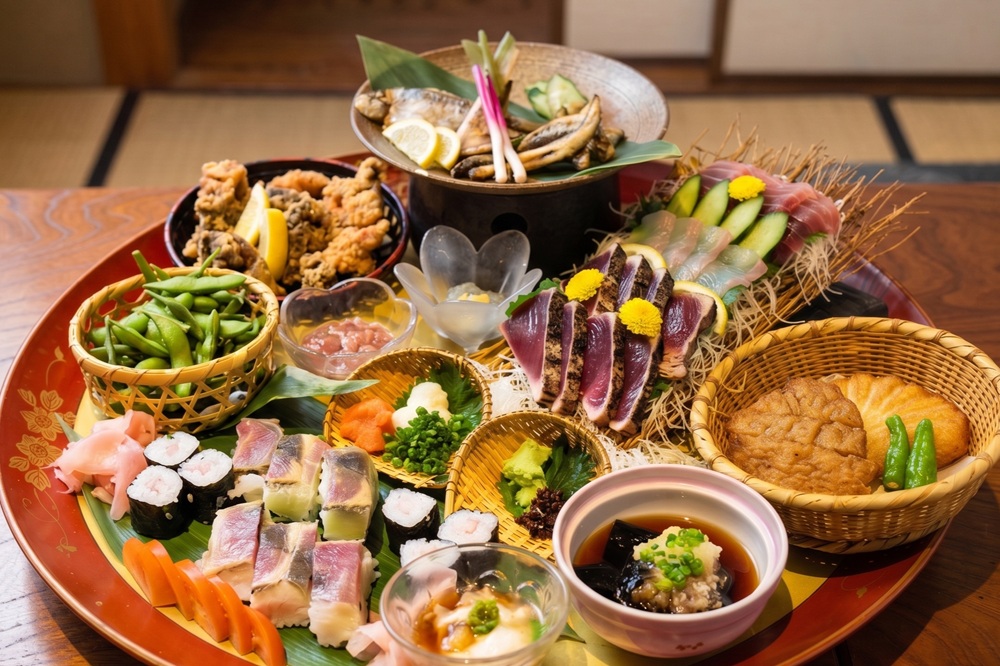
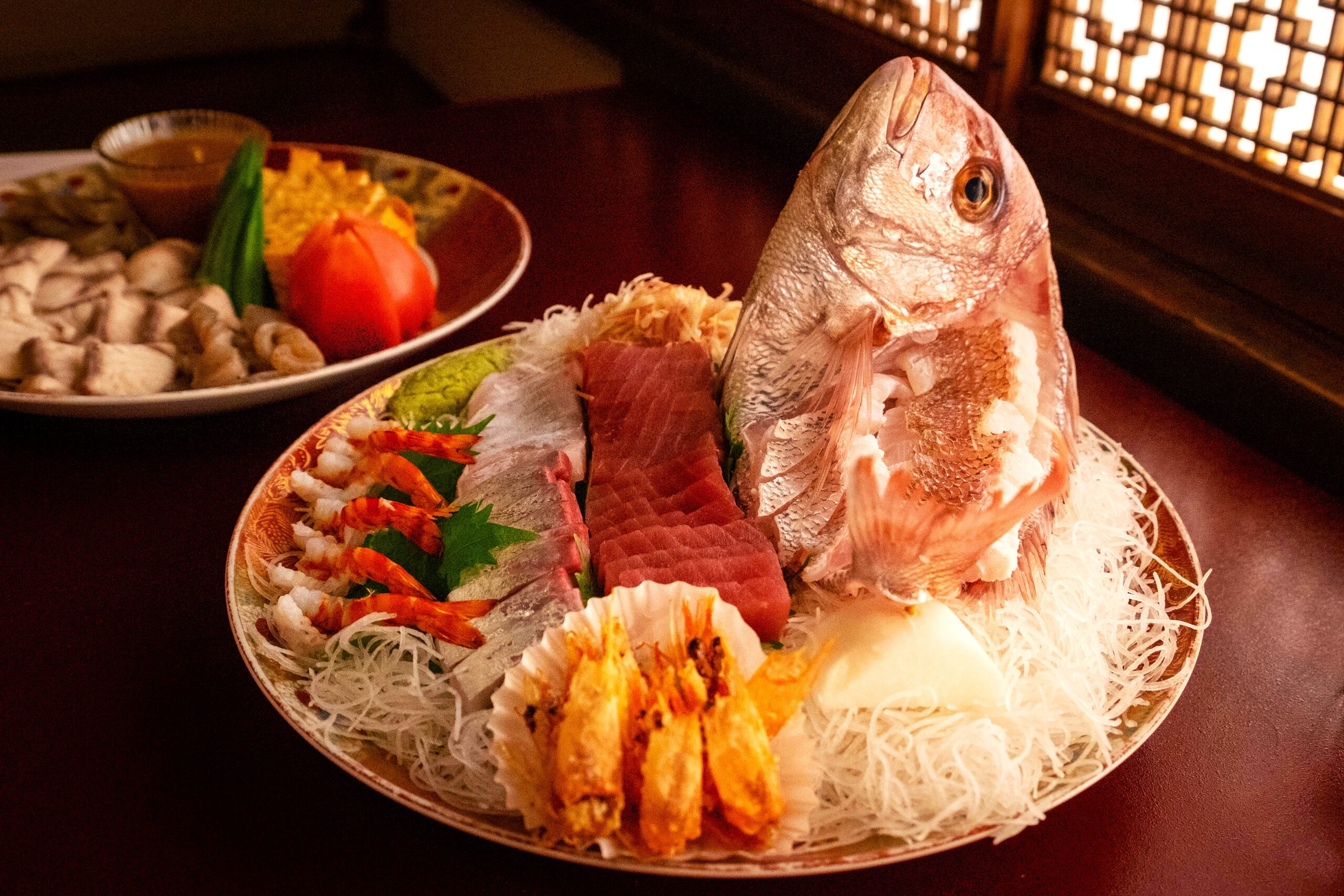
Another representative specialty of Kochi is “Sawachi Ryori (Big dish meal).” This is a magnificent dish served on a large platter (over 30cm in diameter) piled high with numerous dishes including sashimi, fried foods, simmered dishes, and sushi, all made with seafood and mountain ingredients. Considered a “feast for special occasions,” its history dates to the Edo period (era of Samurai). It’s said to have been adopted so that women could enjoy their drinks at leisure without having to go back and forth between the dining room and kitchen… reflecting the prefecture’s love of alcohol.
Another representative specialty of Kochi is “Sawachi Ryori (Big dish meal).” This is a magnificent dish served on a large platter (over 30cm in diameter) piled high with numerous dishes including sashimi, fried foods, simmered dishes, and sushi, all made with seafood and mountain ingredients. Considered a “feast for special occasions,” its history dates to the Edo period (era of Samurai). It’s said to have been adopted so that women could enjoy their drinks at leisure without having to go back and forth between the dining room and kitchen… reflecting the prefecture’s love of alcohol.
Ehime: The Kingdom of Citrus & Tai-meshi
Ehime Prefecture boasts the highest production of citrus fruits and farmed sea bream in Japan. Taking advantage of its warm, dry climate, the prefecture has cultivated citrus fruits for many years. In recent years, active efforts to increase variety have resulted in many a staggering array of flavors balancing sweetness and acidity. In the Dogo Onsen hot spring area, there is a shop where you can enjoy various flavors of citrus juice from faucets. Sea bream is a beloved symbol of good fortune in Japanese culture. Ehime Prefecture offers an abundance of sea bream, and in recent years, two types of “Tai-meshi” (sea bream rice) have become popular Shikoku foods.
Tai-meshi: Two Ways to Enjoy Sea Bream
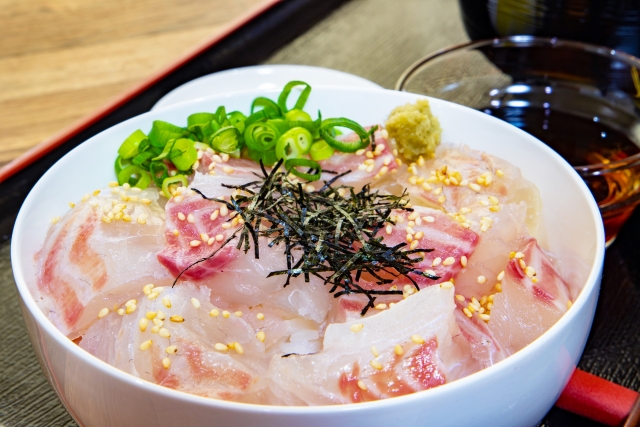
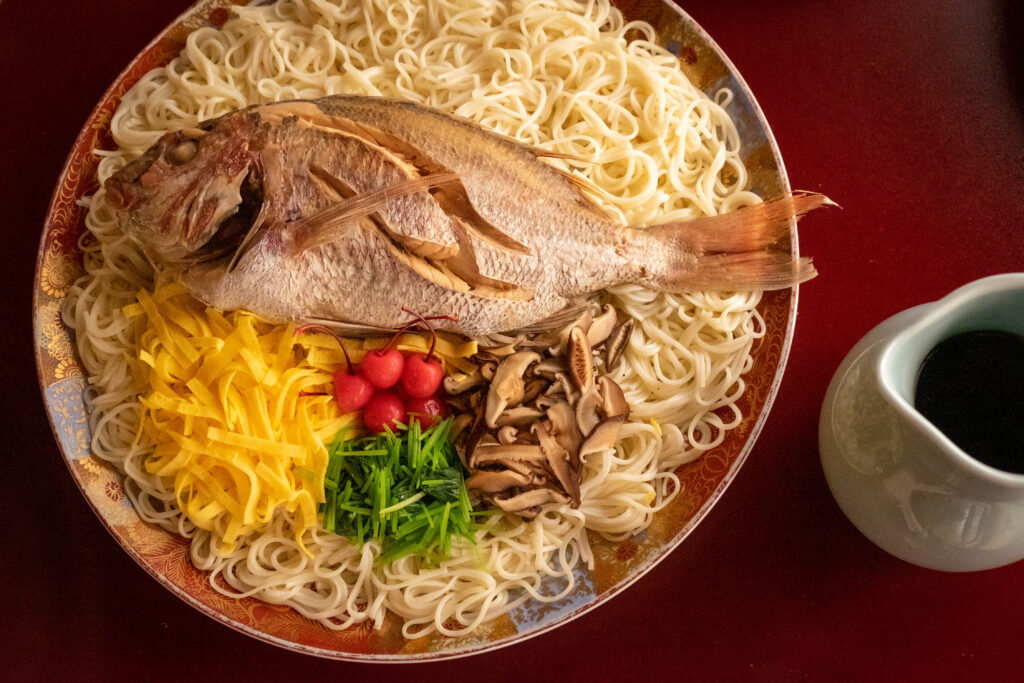
There are two types of tai-meshi (sea bream rice): “Matsuyama style” and “Uwajima style.” In the “Matsuyama style,” a whole sea bream is cooked together with the rice, and the flesh is flaked and eaten. On the other hand, in the “Uwajima style,” sea bream sashimi is dipped in broth and placed on top of hot rice. Both styles allow you to savor the deliciousness of the sea bream, so I highly recommend trying both when you come to Ehime.
There are two types of tai-meshi (sea bream rice): “Matsuyama style” and “Uwajima style.” In the “Matsuyama style,” a whole sea bream is cooked together with the rice, and the flesh is flaked and eaten. On the other hand, in the “Uwajima style,” sea bream sashimi is dipped in broth and placed on top of hot rice. Both styles allow you to savor the deliciousness of the sea bream, so I highly recommend trying both when you come to Ehime.
Jakoten: The Ultimate Local Snack
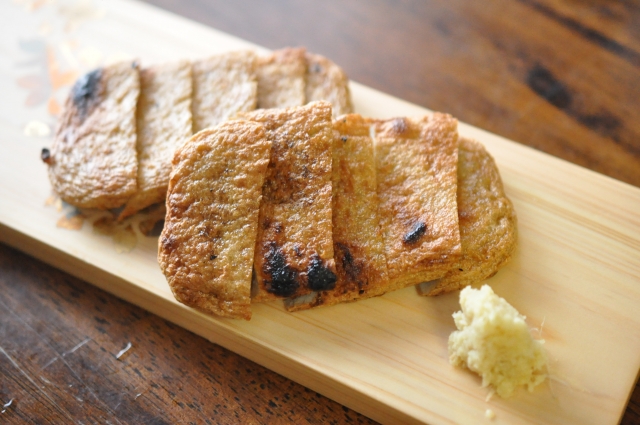
Iconic Shikoku food isn’t just full meals, it’s local snacks to enjoy with a beer or sake! Jakoten is also known as a local food of Ehime Prefecture. It is made by mincing small fish, shaping it, and deep-frying it. The umami of the fish is concentrated in it, and it has a pleasant chewiness, making it a must-try for fish lovers. Recently, “jakokatsu (cutlet style jakoten)” has become popular.
Iconic Shikoku food isn’t just full meals, it’s local snacks to enjoy with a beer or sake! Jakoten is also known as a local food of Ehime Prefecture. It is made by mincing small fish, shaping it, and deep-frying it. The umami of the fish is concentrated in it, and it has a pleasant chewiness, making it a must-try for fish lovers. Recently, “jakokatsu (cutlet style jakoten)” has become popular.
Tokushima: Iya Valley Traditions & Sudachi Citrus
The steep valleys of the lya region, located deep in the mountains of Tokushima Prefecture, make it impossible to cultivate rice, the staple food of Japan. Therefore, buckwheat, which can be grown on slopes, became the dominant crop. This led to one of the most unique regions of Shikoku food culture, featuring natural offerings such as wild vegetables and game meat, which are rare in Japan. Furthermore, Tokushima Prefecture holds almost the entire national share of the “Sudachi”, a small green citrus fruit. While not the main ingredient, it’s a wonderful supporting player, adding a refreshing touch to dishes.
Iya Soba: Rustic Flavors from the Mountains
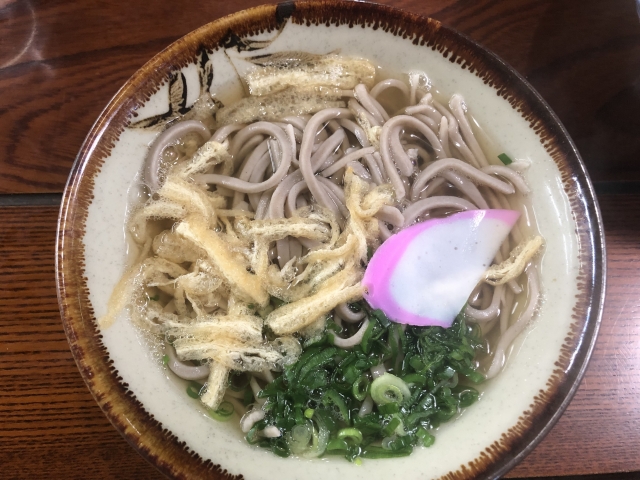
In lya, you can experience making soba noodles. Using traditional methods, you grind buckwheat grains with a stone mill, knead the dough, roll it out, and cut it into thin strips with a knife. It may be a challenging task as you’re not used to it, but the flavorful soba noodles you make will be delicious no matter what shape they take. While enjoying tempura made with wild vegetables gathered in the mountains and listening to the folk songs of local grandmothers, you’ll feel as if you’ve traveled back in time to old Japan.
In lya, you can experience making soba noodles. Using traditional methods, you grind buckwheat grains with a stone mill, knead the dough, roll it out, and cut it into thin strips with a knife. It may be a challenging task as you’re not used to it, but the flavorful soba noodles you make will be delicious no matter what shape they take. While enjoying tempura made with wild vegetables gathered in the mountains and listening to the folk songs of local grandmothers, you’ll feel as if you’ve traveled back in time to old Japan.
Awa-odori Chicken: The Local Poultry Brand
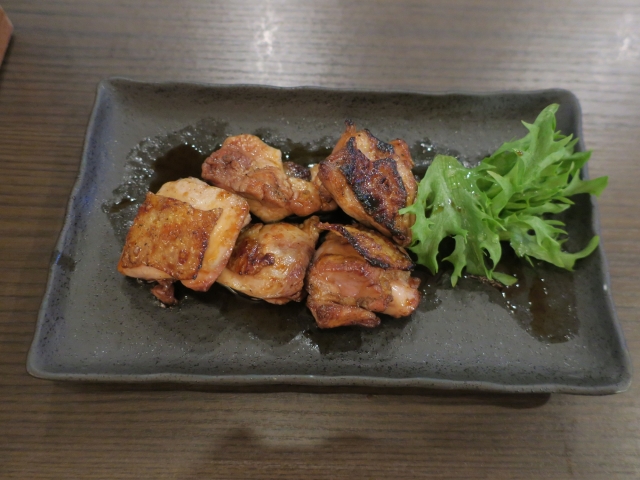
Awaodori (“Tokushima tail chicken”) is a brand of chicken that Tokushima Prefecture is proud of. The name is a playful reference to the Awa Odori dance festival in Tokushima Prefecture, but its taste is seriously delicious. It has a good texture and a strong umami flavor, so it makes a wonderful dish no matter how it is cooked.
Awaodori (“Tokushima tail chicken”) is a brand of chicken that Tokushima Prefecture is proud of. The name is a playful reference to the Awa Odori dance festival in Tokushima Prefecture, but its taste is seriously delicious. It has a good texture and a strong umami flavor, so it makes a wonderful dish no matter how it is cooked.
Beyond the Menu: Authentic Shikoku Food Experiences
So far we’ve explored various regional specialties, but I’d like to introduce an experience that goes beyond simply enjoying the food itself. This includes the sourcing of ingredients for delicious meals, sake as a perfect pairing, and the concept of “seasonality” that is so important to Japanese people. Please read on to learn more about these essential elements when discussing Shikoku food.
An Authentic Taste of Local Life
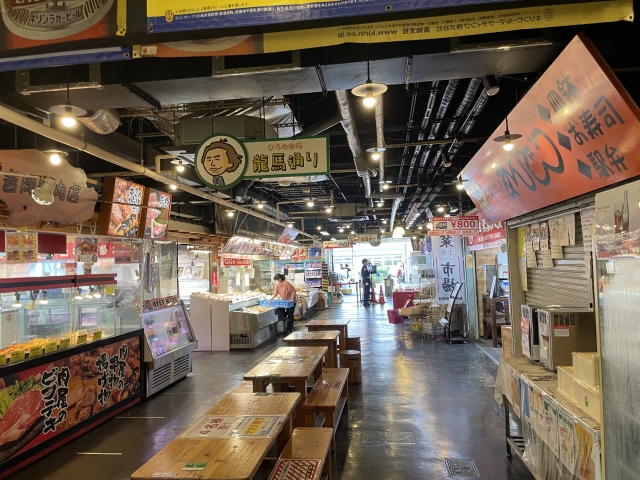
Visiting local markets offers you a chance to find ingredients unique to Japan. Whether fish markets, supermarkets, or Kochi city’s famous Hirome Market, visiting with a guide who can answer your questions unlocks the shelves and stalls in a whole new way. Who knows, maybe you’ll even find your next Shikoku food obsession somewhere in the aisles?
Visiting local markets offers you a chance to find ingredients unique to Japan. Whether fish markets, supermarkets, or Kochi city’s famous Hirome Market, visiting with a guide who can answer your questions unlocks the shelves and stalls in a whole new way. Who knows, maybe you’ll even find your next Shikoku food obsession somewhere in the aisles?
Visiting Sake Breweries in Secret Valleys
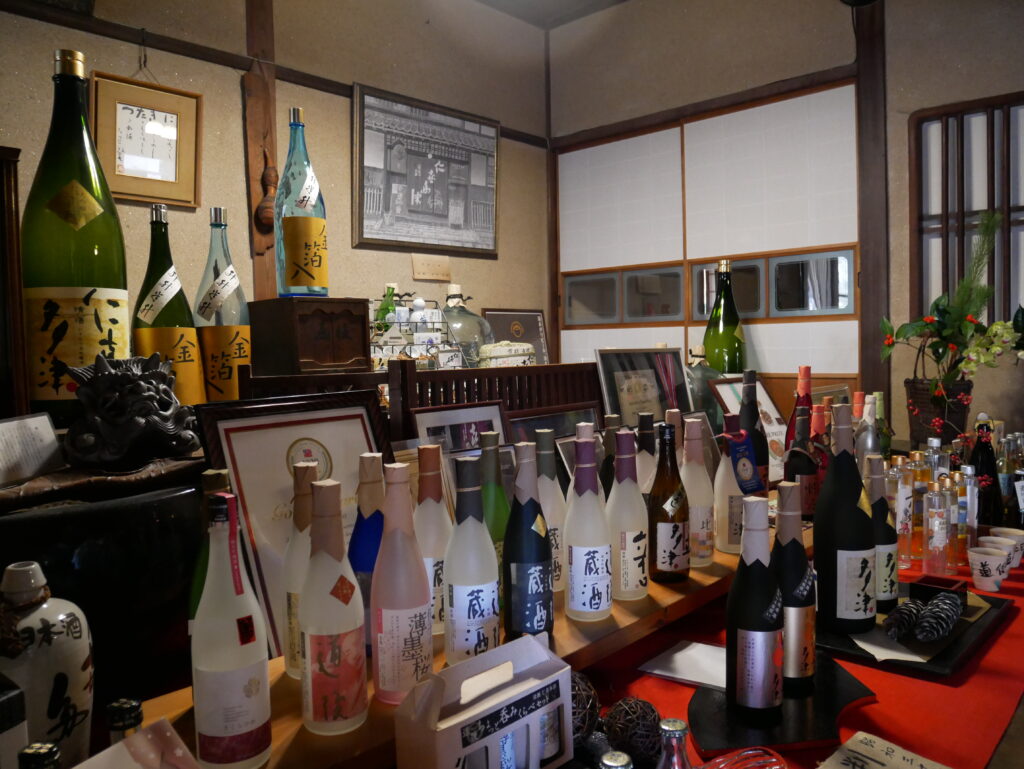
Sake, or rice wine, is Japan’s emblematic alcoholic beverage Delicious sake requires abundant clean water and high quality rice. Shikoku is home to numerous sake breweries, producing sake that matches well with local foods. Our local experts can guide you on tours and tastings of breweries that are not easily accessible. Shikoku’s breweries are some of Japan’s most innovative, developing new sakes to pair with foods across the globe. With flavor profiles ranging from tangy to tropical, almost anyone is guaranteed to find a sake that suits their palate. Let us help you find your new favorite drink!
Sake, or rice wine, is Japan’s emblematic alcoholic beverage Delicious sake requires abundant clean water and high quality rice. Shikoku is home to numerous sake breweries, producing sake that matches well with local foods. Our local experts can guide you on tours and tastings of breweries that are not easily accessible. Shikoku’s breweries are some of Japan’s most innovative, developing new sakes to pair with foods across the globe. With flavor profiles ranging from tangy to tropical, almost anyone is guaranteed to find a sake that suits their palate. Let us help you find your new favorite drink!
Discovering Seasonal Flavors at Their Peak
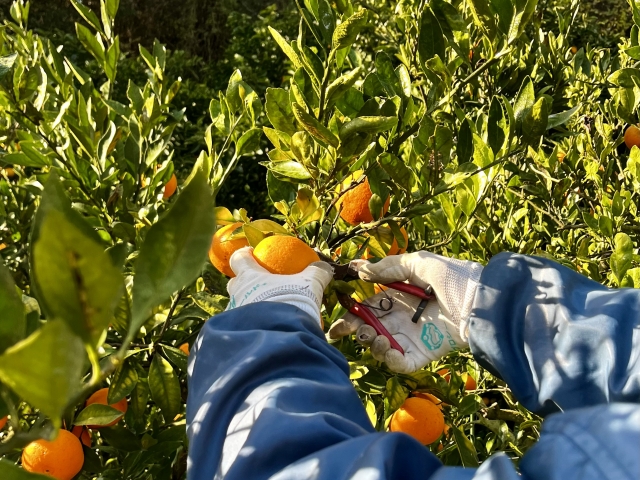
In Japan, there is a traditional culture of enjoying seasonal ingredients and meals according to four seasons, and even more specifically, twenty-four terms. For example, Kochi Prefecture offers seasonal seafood such as “first bonito” of spring and “returning bonito” of autumn, as well as dishes made with seasonal fruits such as the dozens of varieties of citrus fruits. Enjoying delicious meals at the time when ingredients are at their best peak is the ultimate luxury. Isn’t that reason enough to make a special trip to Shikoku?
In Japan, there is a traditional culture of enjoying seasonal ingredients and meals according to four seasons, and even more specifically, twenty-four terms. For example, Kochi Prefecture offers seasonal seafood such as “first bonito” of spring and “returning bonito” of autumn, as well as dishes made with seasonal fruits such as the dozens of varieties of citrus fruits. Enjoying delicious meals at the time when ingredients are at their best peak is the ultimate luxury. Isn’t that reason enough to make a special trip to Shikoku?
Navigating the Shikoku Food Scene with Confidence
Now that we’ve talked about the various culinary delights of Shikoku, we’re sure that you’re all starting to become a little more interested in the food of our island. However, at the same time, some of you may be feeling anxious about language barriers and transportation. What we can confidently tell you about is not just the taste of the food. As professionals in Shikoku, it’s also our role to support you so that you can enjoy the food culture with any worries.
Managing Language Barriers and Restaurant Bookings
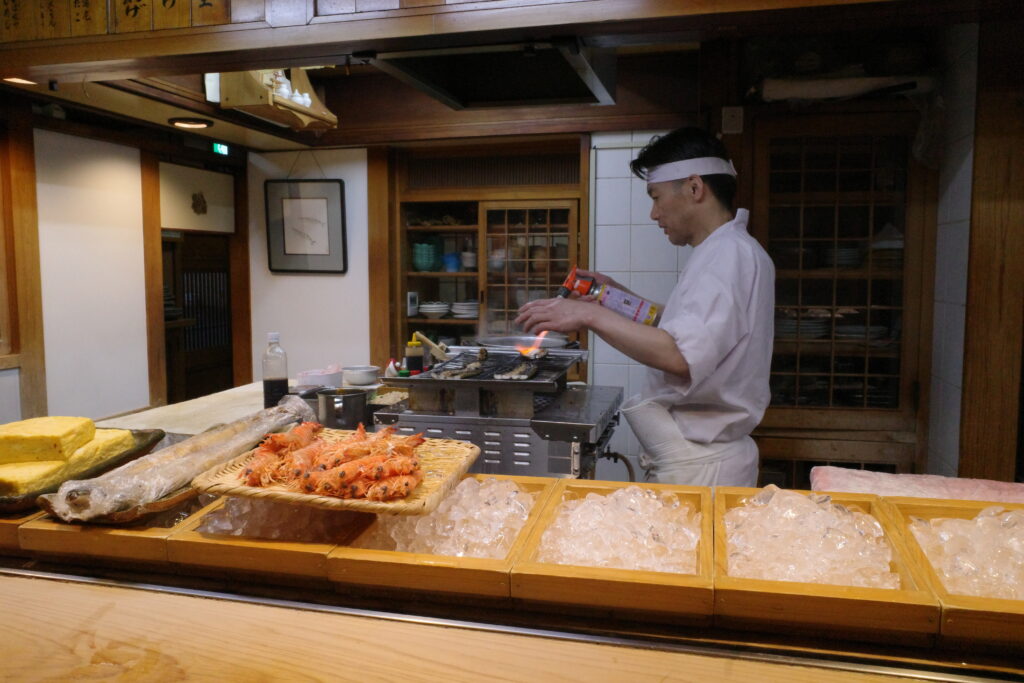
Having described so many attractions, you can probably imagine that Shikoku has many places that offer wonderful food. However, it is true that there are many famous restaurants that are difficult to reserve even for Japanese people, and many that do not have English-speaking staff. Also, even if you find a place you want to go, you may have to give up on it due to dietary restrictions (vegetarian, vegan, gluten-free, or allergy-friendly options, etc.). Shikoku Tours can communicate with restaurants in advance to ensure you can enjoy a safe and comfortable dining experience.
Having described so many attractions, you can probably imagine that Shikoku has many places that offer wonderful food. However, it is true that there are many famous restaurants that are difficult to reserve even for Japanese people, and many that do not have English-speaking staff. Also, even if you find a place you want to go, you may have to give up on it due to dietary restrictions (vegetarian, vegan, gluten-free, or allergy-friendly options, etc.). Shikoku Tours can communicate with restaurants in advance to ensure you can enjoy a safe and comfortable dining experience.
Why a Local Guide Transforms Your Culinary Journey
Enjoying the flavors, learning about the ingredients, and then taking the next step to understand the history and background behind the local specialties; these are ways to elevate your experience of Shikoku food from the enjoyable to the unforgettable. Expert guides from Shikoku Tours can help unlock new flavors with context that gives you a glimpse into the lives of the people who live in Shikoku.
Enjoying the flavors, learning about the ingredients, and then taking the next step to understand the history and background behind the local specialties; these are ways to elevate your experience of Shikoku food from the enjoyable to the unforgettable. Expert guides from Shikoku Tours can help unlock new flavors with context that gives you a glimpse into the lives of the people who live in Shikoku.
Craft Your Perfect Culinary Journey with Shikoku Tours
In Shikoku, food is deeply intertwined with our lives. Therefore, we believe that the hearts of the people of Shikoku, surrounded by such a rich food culture, are nurtured with richness. We believe that Shikoku food, and the experiences and interactions related to it, will allow you to forget the hustle and bustle of everyday life and fill your heart with joy. If you would like to experience this special journey Shikoku Tours will coordinate the best plan for you. Leave the language barrier and transportation issues to us, including reservations and guidance to places you wouldn’t normally be able to visit. Make your next journey a culinary adventure with Shikoku Tours.
In Shikoku, food is deeply intertwined with our lives. Therefore, we believe that the hearts of the people of Shikoku, surrounded by such a rich food culture, are nurtured with richness. We believe that Shikoku food, and the experiences and interactions related to it, will allow you to forget the hustle and bustle of everyday life and fill your heart with joy. If you would like to experience this special journey Shikoku Tours will coordinate the best plan for you. Leave the language barrier and transportation issues to us, including reservations and guidance to places you wouldn’t normally be able to visit. Make your next journey a culinary adventure with Shikoku Tours.

