Discover the Shikoku Seiyo Geopark, a stunning natural heritage site encompassing the entire city of Seiyo in Ehime, Japan. Located on the beautiful island of Shikoku, this destination feels like stepping into a quieter, older version of Japan—one that hasn’t been polished for postcards or crowded with tour buses. Here, the land tells ancient stories, waiting for those willing to slow down and listen.
This article is supervised by Tehya, a historian specializing in Japanese history who has lived in the Ehime area for over 10 years. Her deep familiarity with Seiyo’s landscapes and their historical context helps bring the Geopark’s stories to life.
The Rugged Beauty of Ehime’s Coastline: Exploring the Uwa Sea in Shikoku
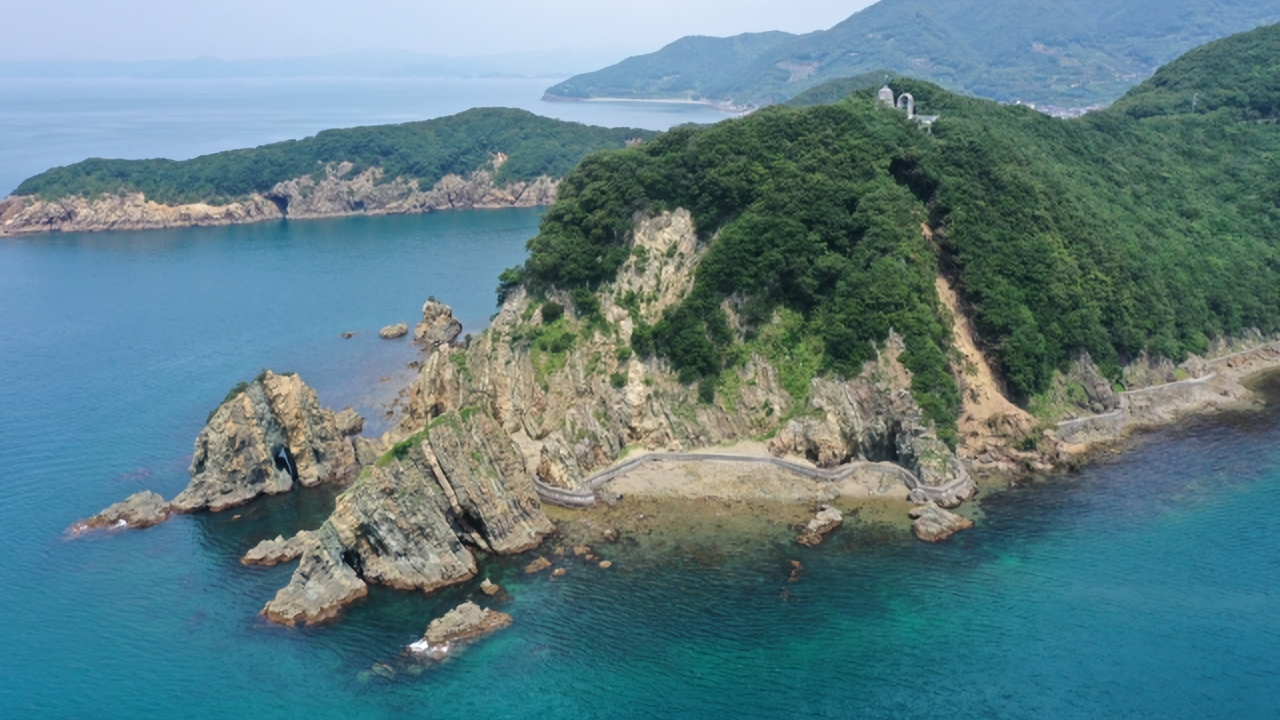
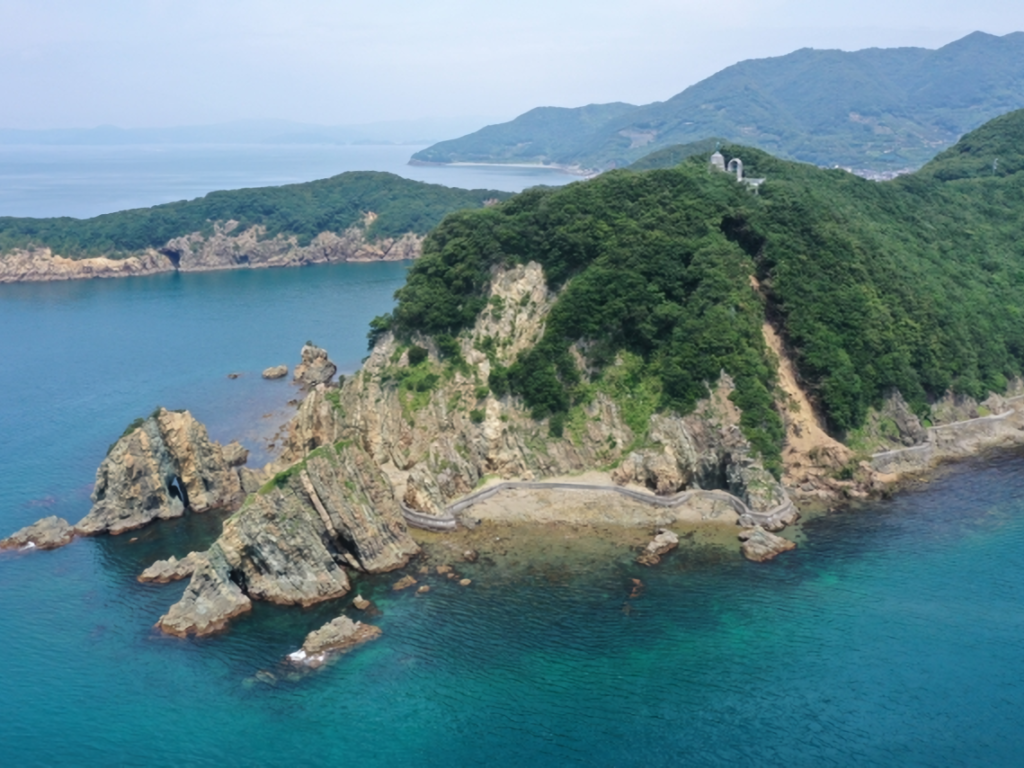
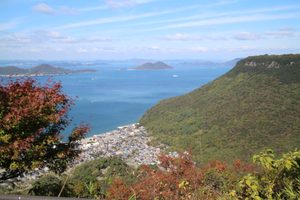
The first thing you notice is the coastline. Jagged cliffs plunge into the deep blue of the Uwa Sea, shaped over millions of years into dramatic, almost theatrical formations. But unlike more famous scenic spots, there’s no rush here. No lines. Just the sound of waves echoing against stone and the occasional fishing boat drifting past. It’s the kind of place where you can pause, breathe, and feel small in the best possible way.
Geosite① : Suzaki Coast
■Location:
Mikame-cho, Seiyo City, Ehime Prefecture
■Description:
Suzaki Coast is located at the tip of the Mikame Bay promontory. These distinctive vertical stripes are actually “tuff”—volcanic ash that accumulated on the seafloor and solidified into rock over time. While these geological layers were originally horizontal, tectonic movements eventually tilted them upright, resulting in the vertical striped pattern seen today.
Where Japanese Tradition and Memories Live On: The Culture of Seiyo
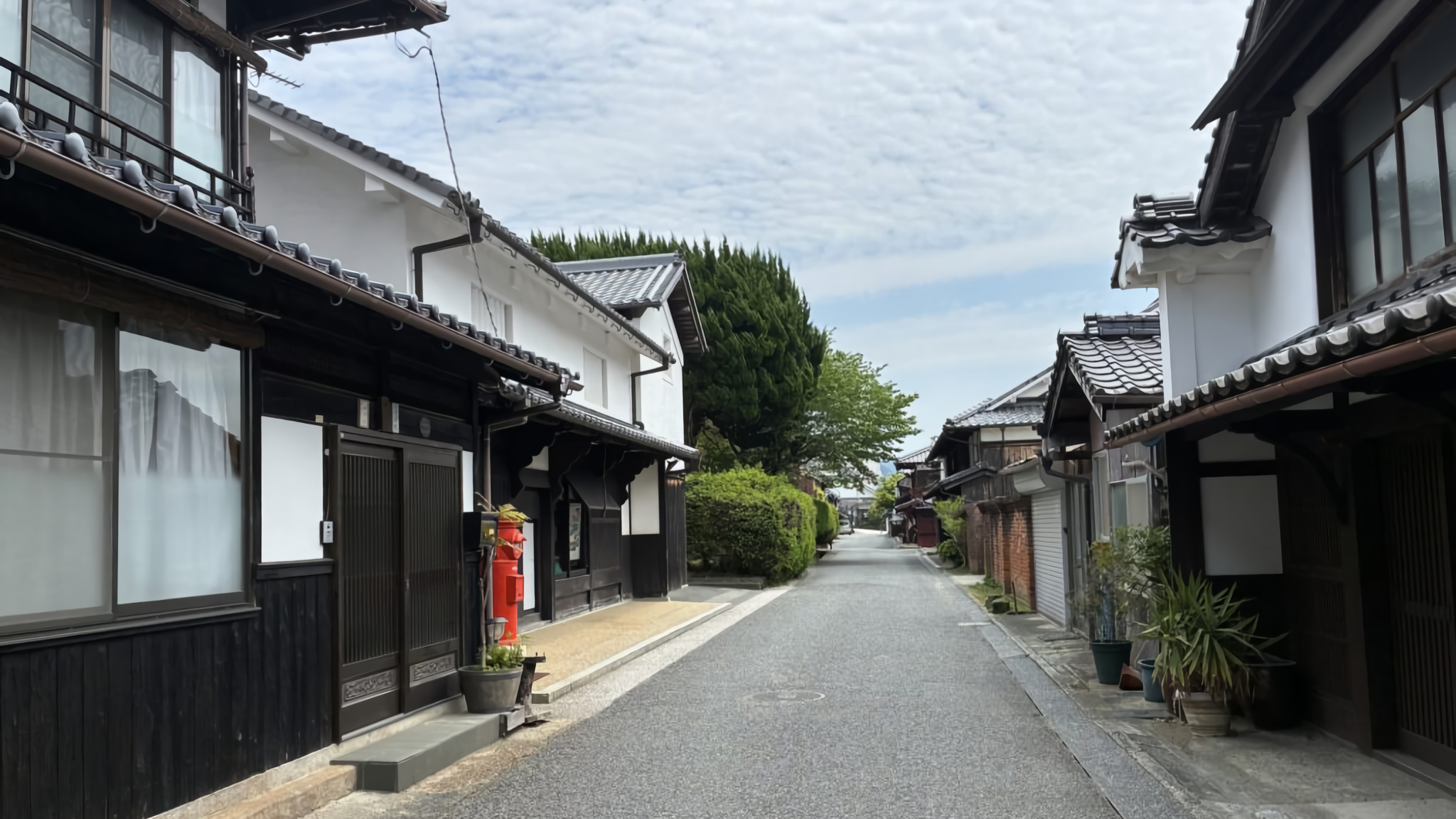
Venture a little further inland, and the geopark reveals another layer. Traditional villages sit quietly between mountains and sea, their wooden houses weathered by time and salt air. Locals move at an unhurried pace.
Geosite② : Unomachi
■Location:
Uwa-cho, Seiyo City, Ehime Prefecture
■Description:
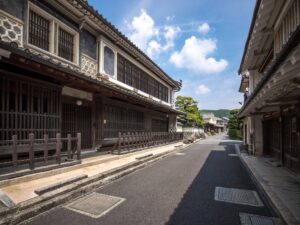
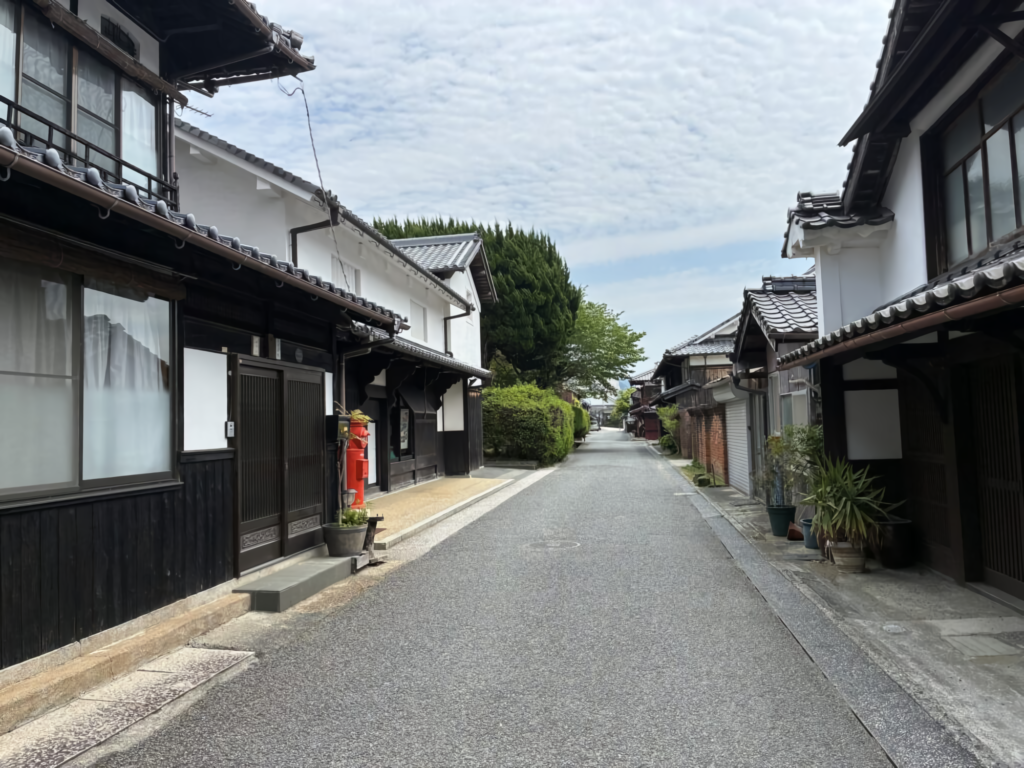
The streetscape of Unomachi retains the authentic atmosphere of the Edo period, making visitors feel as though they have stepped back in time. Having flourished as the premier post town and commercial hub of the Uwajima Clan during the Edo era, the town still preserves its historical character today.
In 2009, it was designated as a National Important Preservation District for Groups of Traditional Buildings. The charm of Unomachi lies not only in the well-preserved houses featuring traditional white-plastered walls, “Udatsu” firewall gables, and latticework windows (Degoshi), but also in the numerous museums and historical sites scattered throughout the town that exhibit invaluable architectural and cultural artifacts.
The geopark is a living record of Japan’s geological past, with rock formations and fossil sites that stretch back hundreds of millions of years. Walking along its trails feels a bit like wandering through an open-air museum, except
Geosite③ : Onogahara
■Location:
Nomura-cho, Seiyo City, Ehime Prefecture
■Description:
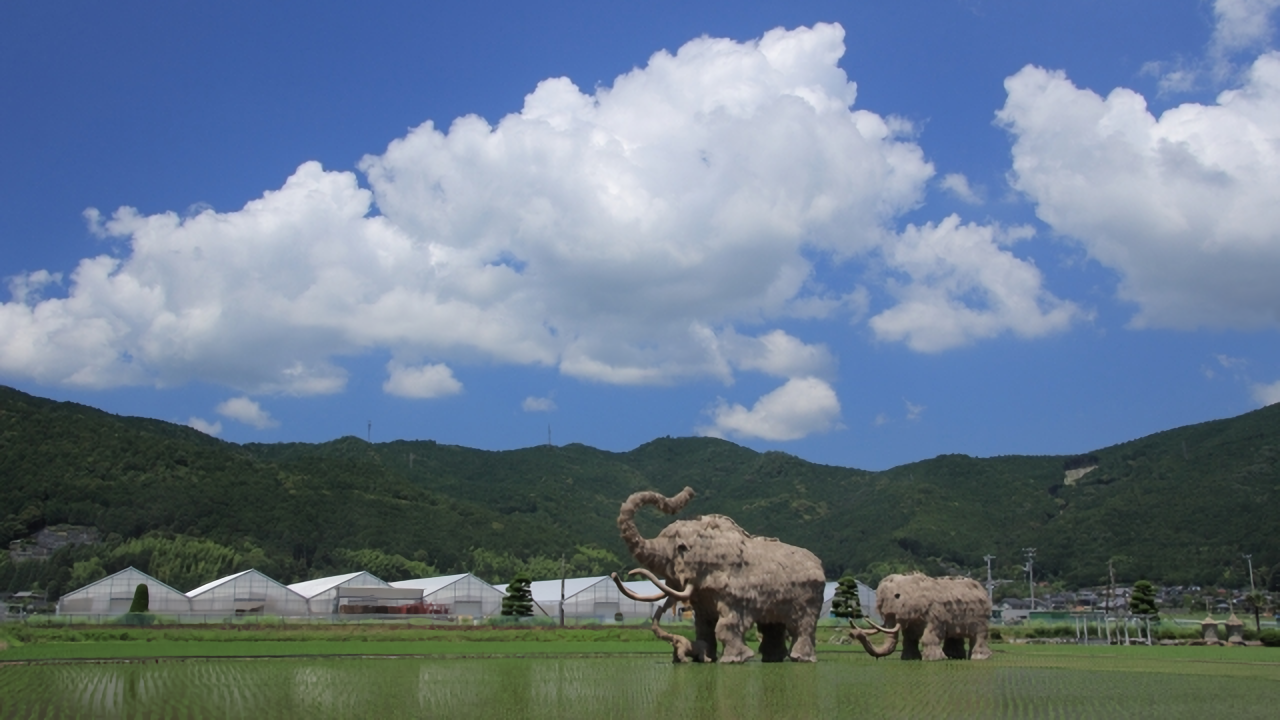
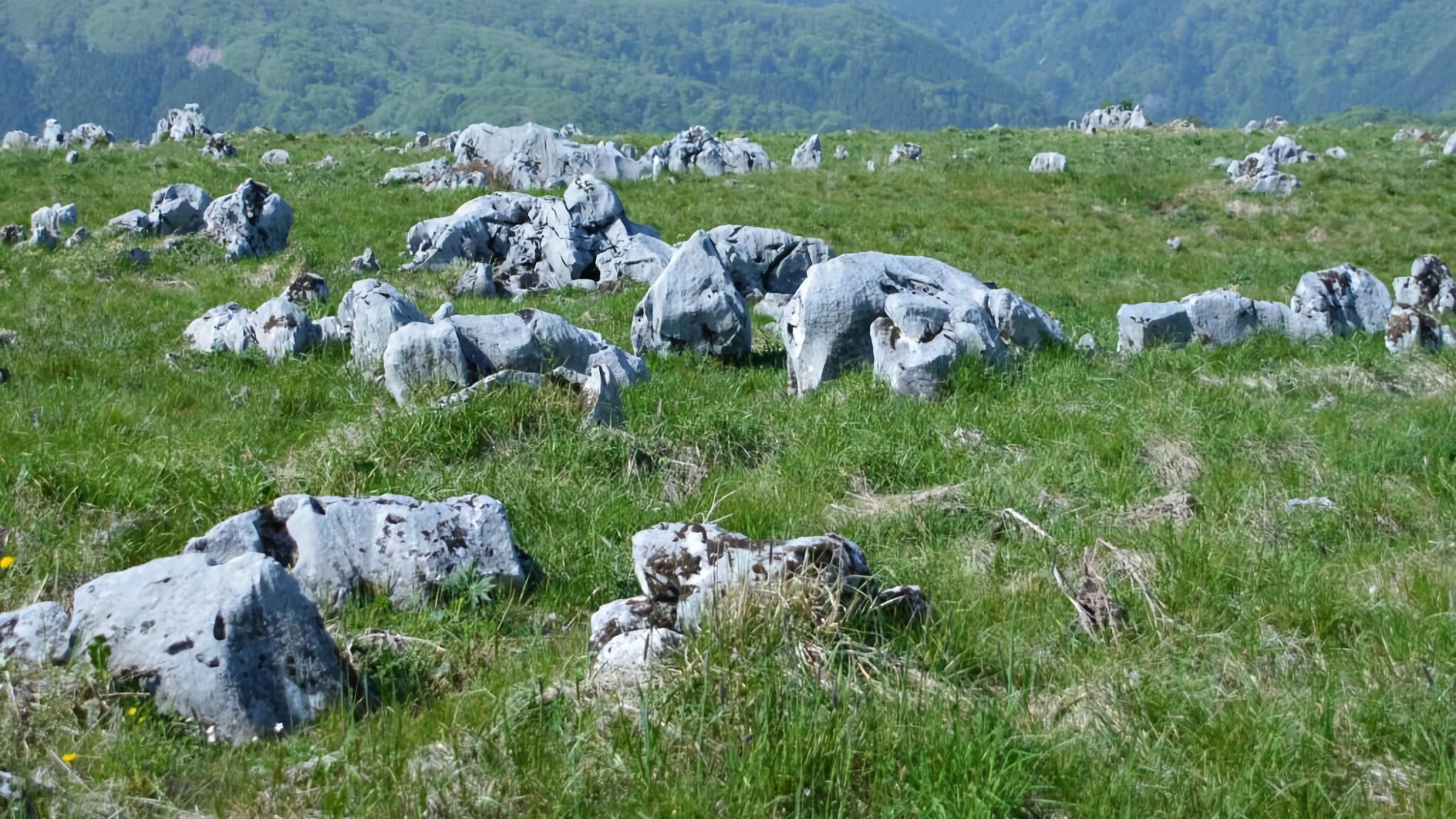
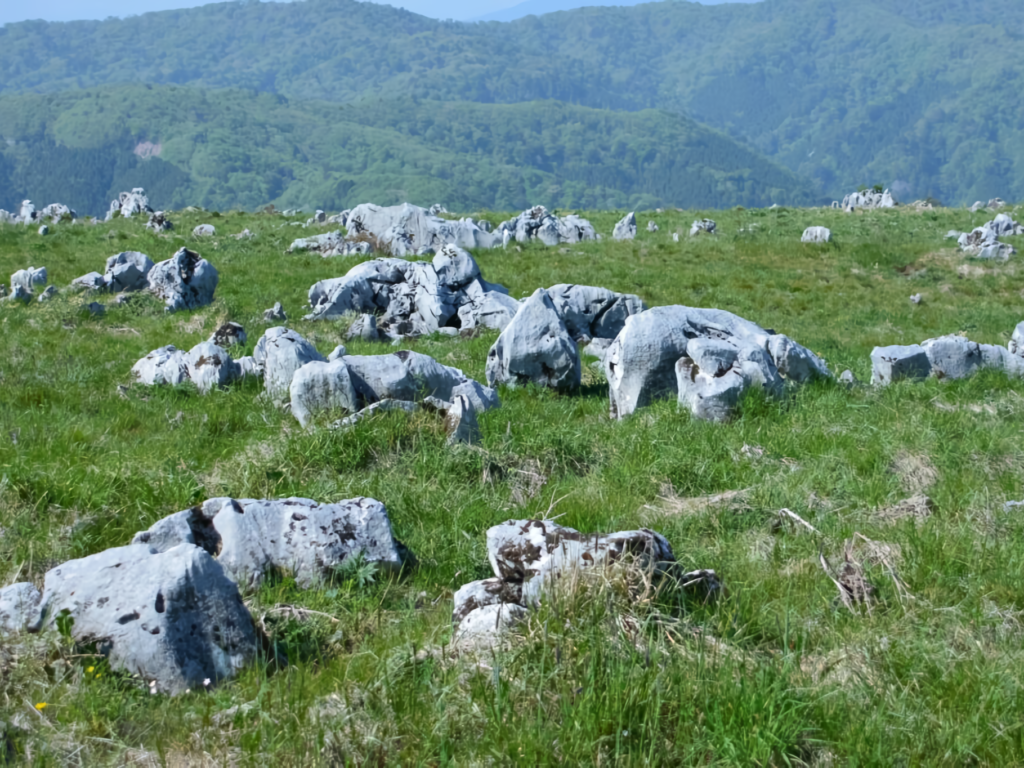
The Shikoku Karst stretches across the central part of Shikoku, spanning the border between Ehime and Kochi Prefectures. As one of Japan’s three major karst landforms, it boasts the largest scale in the country in both height and size, extending 25km in length at an altitude of 1,100 to 1,400 meters.
The area serves as one of Shikoku’s leading grazing lands, offering visitors a chance to enjoy pastoral scenery so unique it feels as if you’ve left Japan behind. To the north of Onogahara, a primeval beech forest spreads out, where a variety of alpine plants can be observed.there are no glass cases or velvet ropes just raw, untouched history beneath your feet.
A 400-Million-Year Journey: Exploring Japan’s Geology at Shikoku Seiyo Geopark
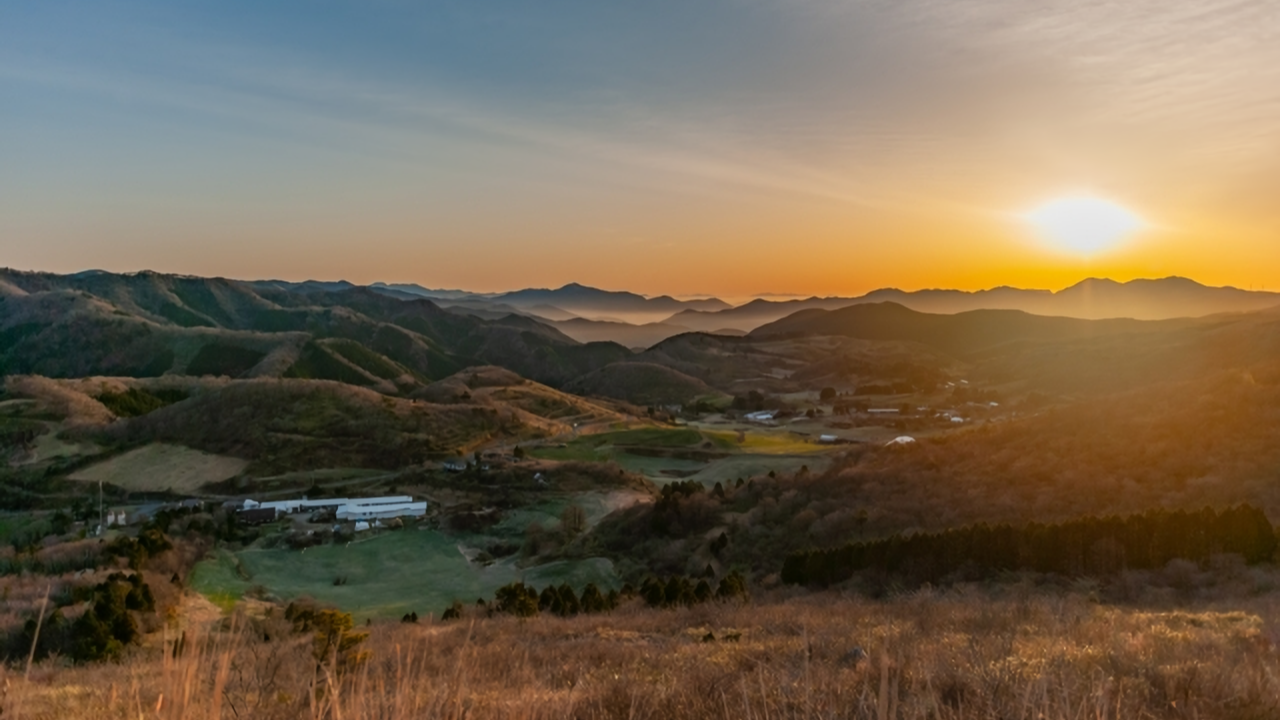
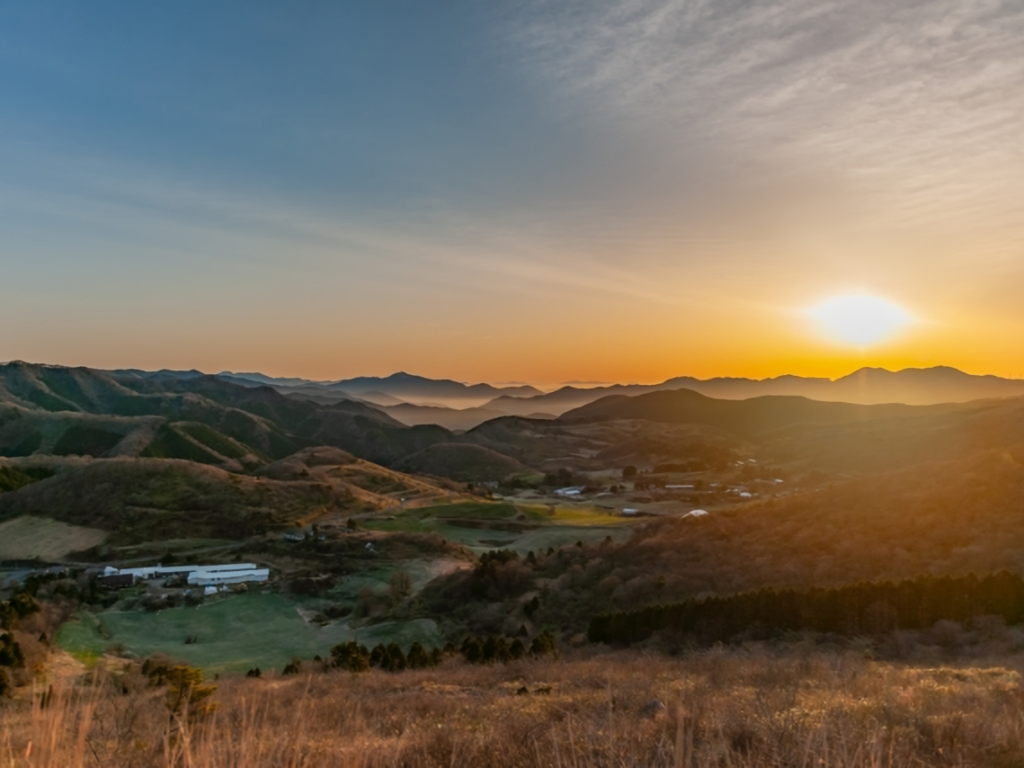
These are the authentic experiences of rural Japan that don’t make it into mainstream guidebooks but stay with you long after you’ve left. If you’re craving something slower, deeper, and more meaningful, the Shikoku Seiyo Geopark in Ehime offers something rare: the chance to connect with the rhythm of a landscape that remains beautifully untouched, tucked away on the peaceful island of Shikoku.

■Role:
Shikoku Tours Social Media Manager & Historian specializing in Japanese History
■Experience:
10 years of living in Japan, specifically in the Ehime area. I also have 8 years of experience in social media content creation, specifically in the areas of niche travel and History.
Hello! I’m Tehya, a historian with a passion for social media and using it as a tool for education. My goal is to help people discover the amazing and historical places Shikoku has to offer!
■Role:
Shikoku Tours Social Media Manager & Historian specializing in Japanese History
■Experience:
10 years of living in Japan, specifically in the Ehime area. I also have 8 years of experience in social media content creation, specifically in the areas of niche travel and History.
Hello! I’m Tehya, a historian with a passion for social media and using it as a tool for education. My goal is to help people discover the amazing and historical places Shikoku has to offer!