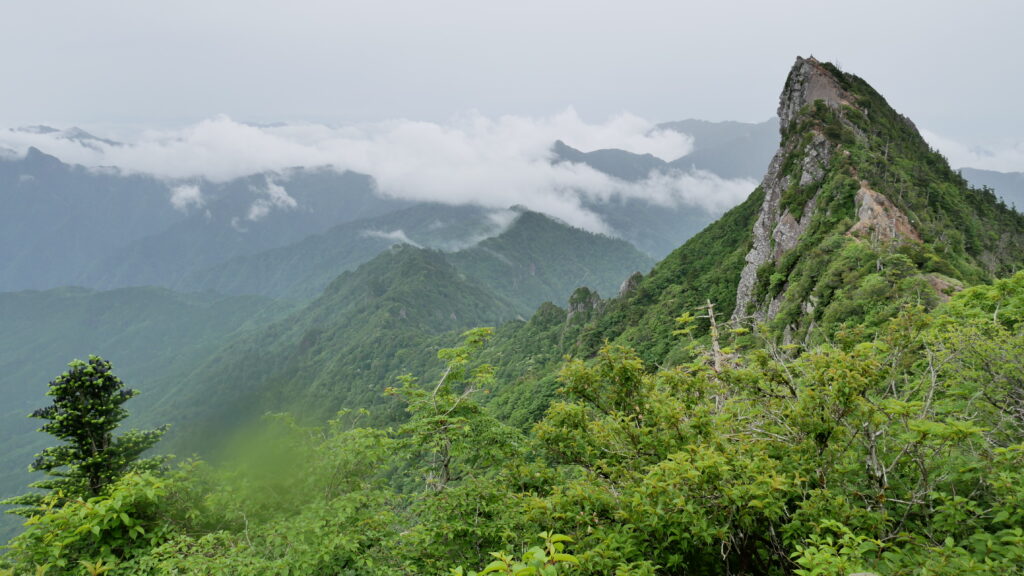
Straddling the border between Ehime and Kochi Prefectures in western Shikoku, Mt. Ishizuchi has stood at the physical, spiritual, and cultural heart of the region for its entire history. At 1982 meters, Ishizuchi is the highest peak in western Japan. The Ishizuchi range is the source of Shikoku’s great rivers. These waters feed rice fields, fill breweries, and flow into the pristine seas on either side of the island. This article explores the spiritual, cultural, and material bounty that Ishizuchi has poured out on Shikoku for centuries.
Shikoku’s Volcano: Mt. Ishizuchi’s Explosive Origins
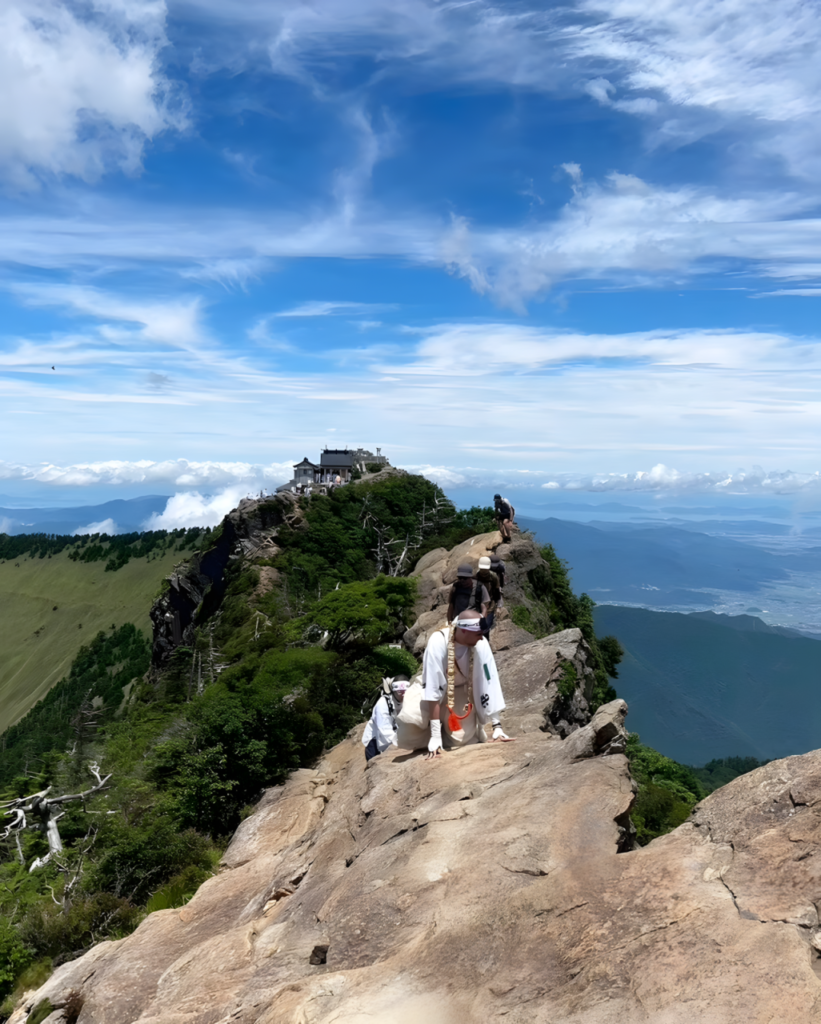
Mt. Ishizuchi appeared in a geological flash of massive volcanic activity that occurred 14-15 million years ago. Ishizuchi’s craggy peak is the remnant of the volcano’s caldera wall. The peak’s unusual shape is one theory as to the origins of the mountain’s name, which means “Stone Hammer.”
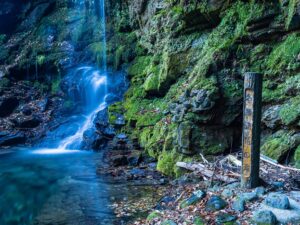
The southern, “inner” side of the caldera is filled with a kilometer-thick layer of rock. This is the hardened pyroclastic flow that swept through the region at the time of eruption. Nearby, streams flow over white granite, which formed deep within the earth and was then thrust upward by the violent forces of the mountain’s birth.
These streams come together to form the Niyodo River, world-renowned for its dazzling blue waters. Nearby Mt. Kamegamori is home to the headwaters of the Yoshino River, whose water table includes all four of Shikoku’s prefectures. It flows through the spectacular Iya region and on through Tokushima prefecture.
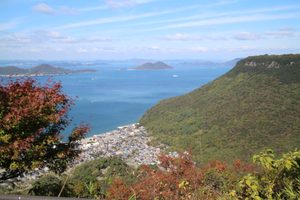
Viewed from the north, Ishizuchi sweeps up dramatically from the Seto Inland Sea, visible on the horizon from Honshu and the islands of the Shimanami region. Its waters flow underground and gurgle up in over 3000 unchinuki, natural, springs scattered throughout the coastal town of Saijo.
Tales of the Sacred Peak: Mt. Ishizuchi’s Legends and Practices
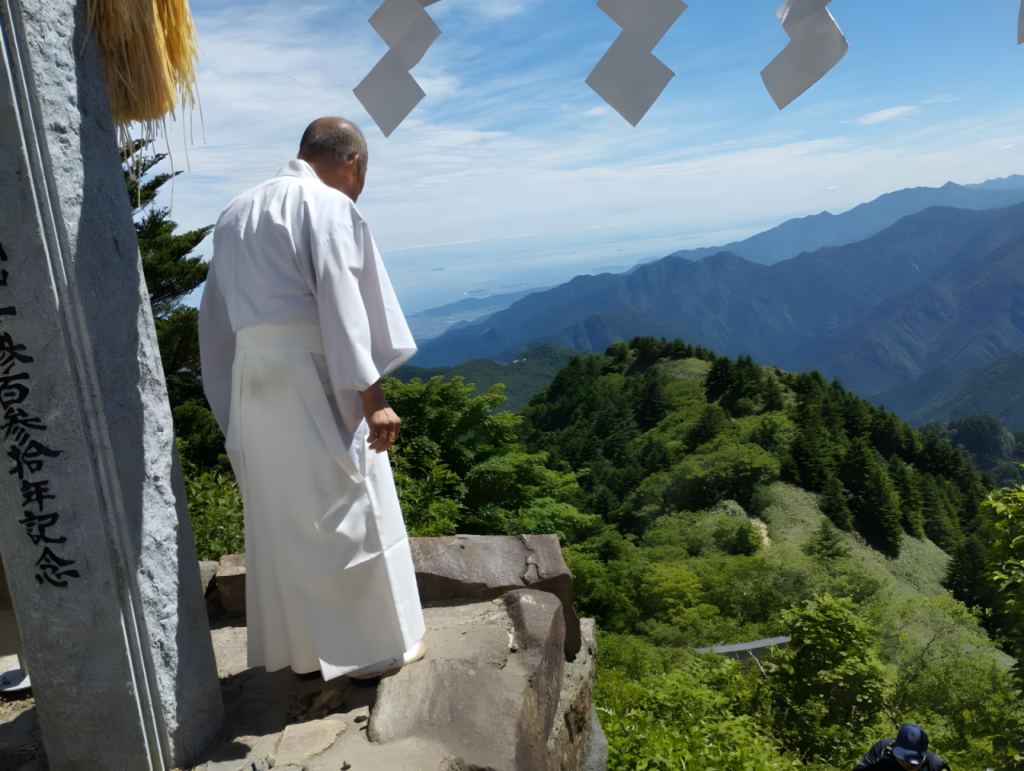
Veneration of mountains as a source of life and abode of spirits is one of the characteristics of Japanese spirituality, and Mt. Ishizuchi is no exception. The first mention of the mountain in literature comes from the Record of Miraculous Events in Japan, a collection of Buddhist tales from the 8th century.
In Iyo Province…there is a mountain called Ishizuchi-yama. The name comes from that of the god Ishizuchi, who lives on the mountain. It is so high that ordinary persons cannot reach the summit. Only those who are pure in conduct are able to reach it and live there…[T]here lived on that mountain a monk who was pure in deed. His name was Bodhisattva Jakusen. The people of the time…praised him with the name bodhisattva because of the purity of his conduct.
This brief mention of the mountain shows how people at the time thought about the peak. It was a place inhabited by spirits who permitted or denied people entry based on their purity, where Buddhist practitioners went to isolate themselves in prayer and meditation. The story continues that Jakusen was reborn as the Emperor Saga. Clearly Mt. Ishizuchi’s importance stretched beyond Shikoku.
Another “pure practitioner” who meditated on the mountain was Kūkai, the founder of the Shikoku 88 Temple Pilgrimage. He recounts in one of his works that he practiced in Iyo on the “Stone Peak,” widely regarded as a reference to Mt. Ishizuchi. Because of this, the mountain has long had a strong association with the Shikoku Pilgrimage. Two of the temples which once controlled the mountain, Yokomine-ji (the Temple Beside the Mountain) and Maegami-ji (“the Temple in Front of the Mountain-deity), are among the route’s 88 sacred sites.
En no Gyoja, Pioneer of Mt. Ishizuchi
In the medieval period, the mountain became associated with the founder of Shugendō, En no Gyoja (“En the Ascetic”). The tale appears in the founding legend of Gokuraku-ji Temple, one of the three temples that once controlled the mountain. According to the story, Ishizuchi was one of three blossoms cast down from heaven to serve as heavenly realms here on earth, the other two being Mt. Omine and Mt. Mitoku.
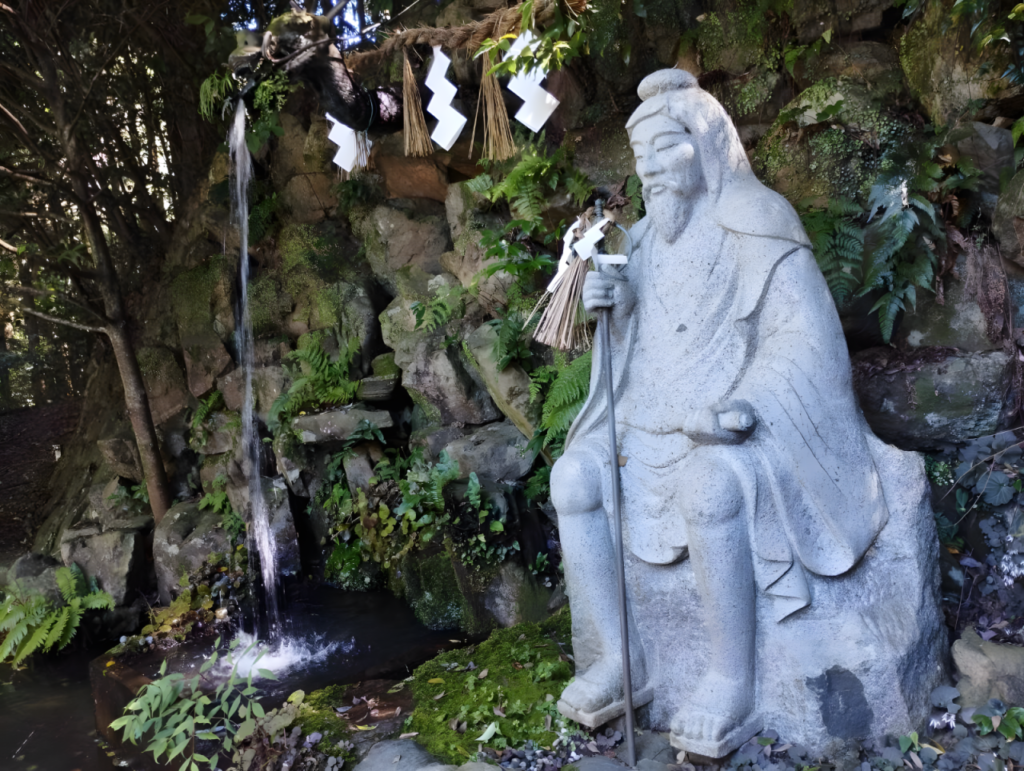
En, who lived in the 600s, traveled to each of these heavenly peaks to beg the Buddhas to appear for the people of Japan. On Mt. Ishizuchi, the kindly Buddha Amida and his two attendants appeared. En sensed that these beings were too gentle to save the obstinate Japanese in our age of spiritual decline, so he prayed for them to take a more wrathful form. In response, Amida transformed into Zao Gongen, a snarling, flame-wreathed deity with one leg raised as though to smash whatever lay below. The other two deities became similarly wrathful attendants, forming what are known as the “Three Manifestations of Mt. Ishizuchi” still worshipped on the mountain today.
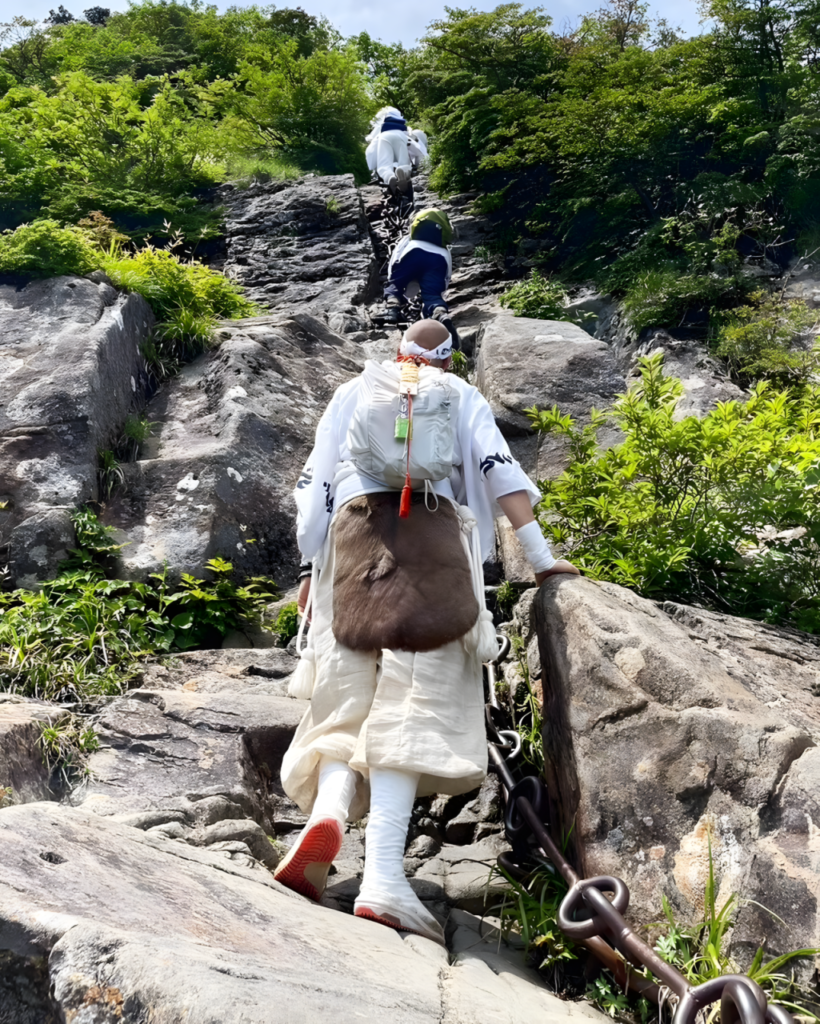
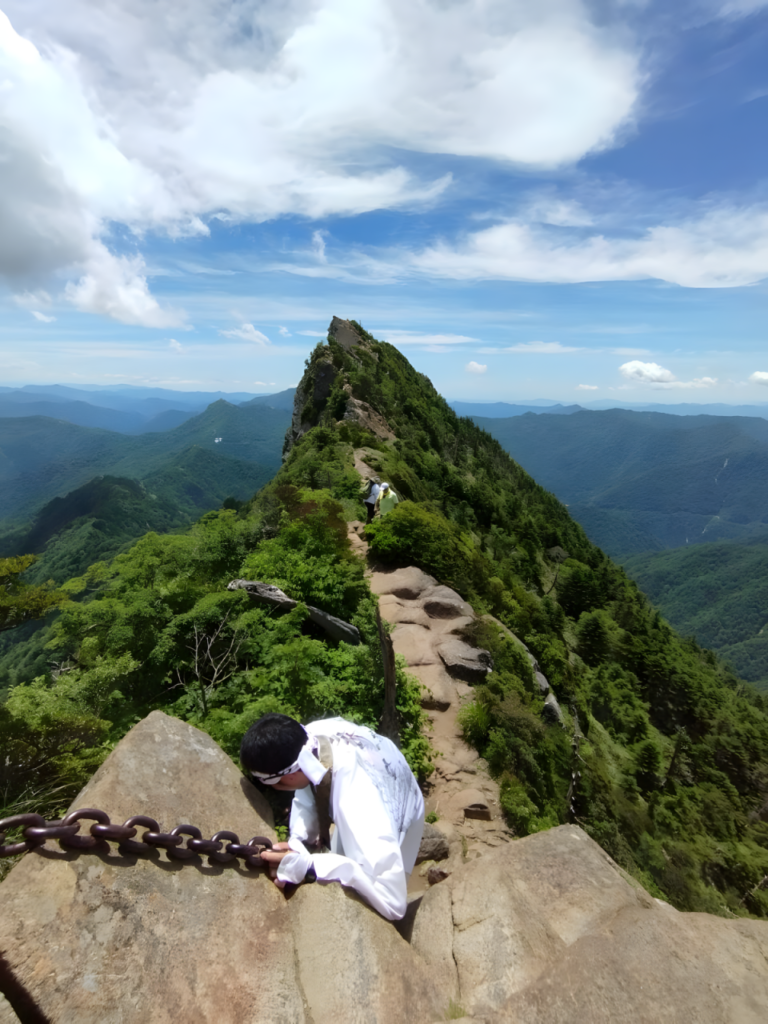
Local legend also holds that it was En who hung the mountain’s first iron chains to make the climb easier for practitioners who followed in his footsteps, though the first mention of the chains dates to 1799. The traditional route up the mountain’s cliffs, considered sacred gyoba or “practice places” by Shugendō believers, is a harrowing prospect even with the chains. The fact that ancient ascetics like En, Jakusen, and Kukai, scaled them under their own power is mind-boggling.
Ancient Roots, Enduring Power
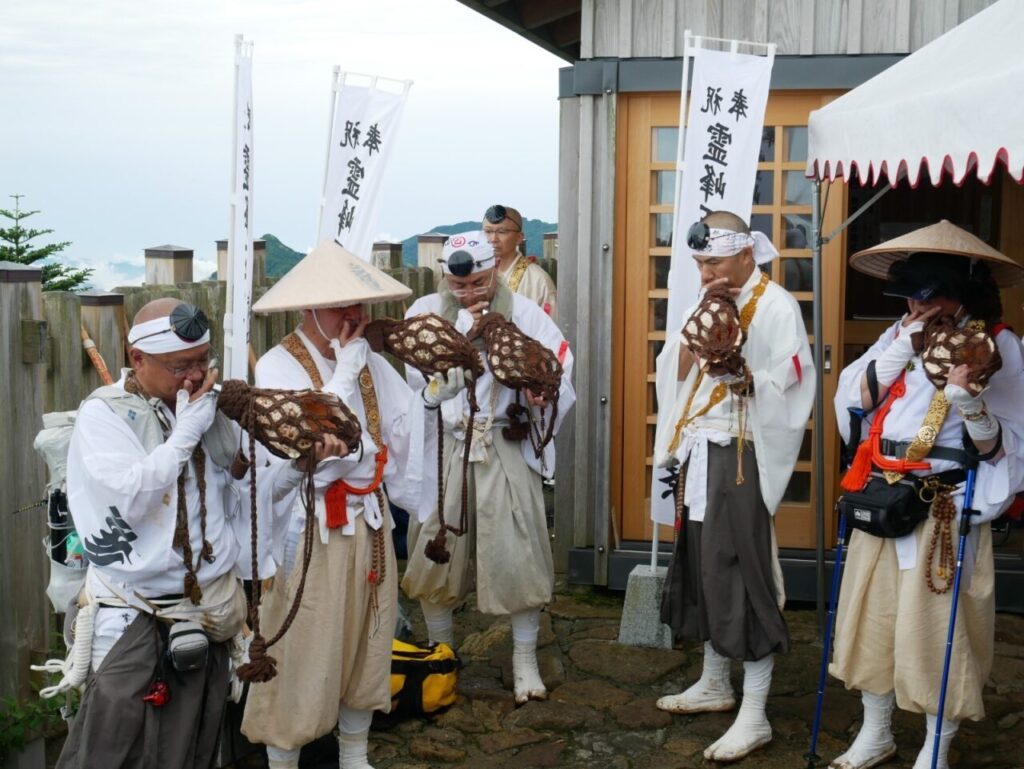
Though changes during Japan’s industrial period reshaped the religious landscape around Mt. Ishizuchi, it remains one of the most important sacred symbols of Shikoku. Huge numbers of people continue to visit the mountaintop shrine to pray for health, wealth, and happiness. An alternative route around the chains makes it an accessible climb for anyone in decent physical condition, with views at the summit that reward the effort many times over. For those seeking a fuller experience of a Shugendo approach to Mt. Ishizuchi, Saijō City’s Ishizuchi Shrine offers misogi, purificatory waterfall meditation, and workshops on how to play the horagai, the iconic conch shell trumpets of Shugendō whose calls echo in the mountain’s crags and valleys.
Culture and Cuisine Flows from Mt. Ishizuchi
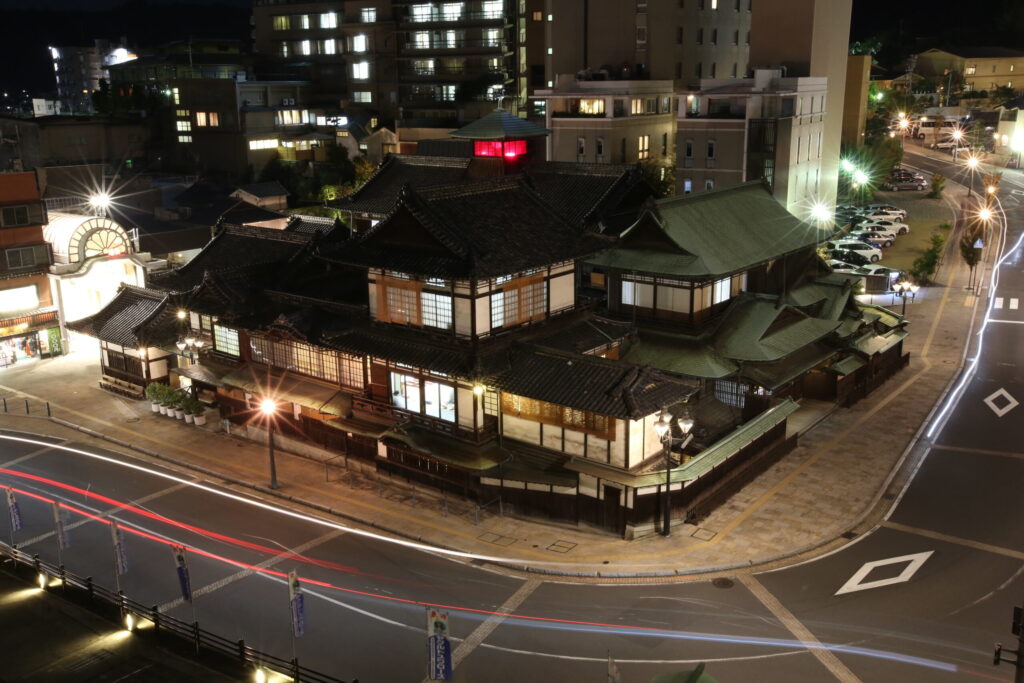
While monks and ascetics saw Ishizuchi as a sacred retreat, ordinary people have long regarded the mountain as a source of artistic inspiration as well. Dōgo Onsen, a hot spring hub in Matsuyama City favored for its healing waters, has been associated with Ishizuchi since at least the 8th Century, when the two are mentioned together in the Manyōshu, an iconic early collection of stately poems.
The Dogo area’s association with poetry has persisted for more than a millennium. As the birthplace of revolutionary haikuist Masaoka Shiki, Matsuyama remains deeply tied to literary culture. Though Mt. Ishizuchi itself is not directly visible from Dōgo, you’ll see its impact wherever you look in the area’s hot springs and hotels, including on the walls of the Dōgo Onsen Bekkan, a modern hot spring facility built to supplement the iconic Honkan building in 2017.
Beyond Matsuyama, plentiful springs in Saijō mean that high quality water is so plentiful in the city that residents pay no monthly water bill. This has lead to a high number of sake and beer breweries in the area. This includes the brand Ishizuchi, whose sake is served on Japan Airlines’ domestic first class flights.
From Mt. Ishizuchi to the Pacific: Kōchi
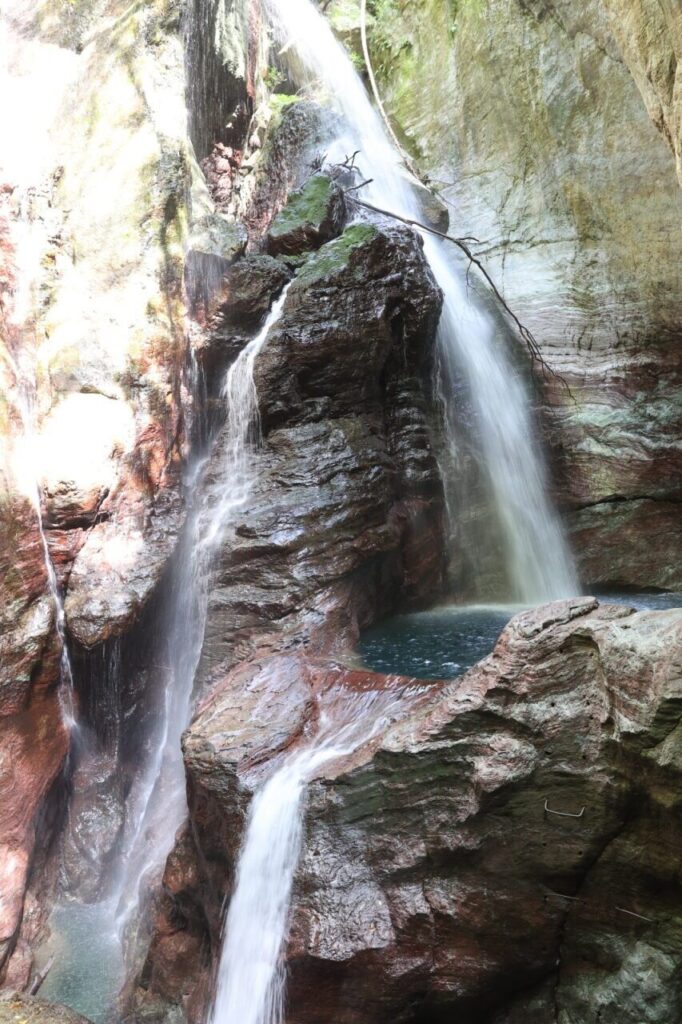
On the mountain’s southern side, the Niyodo River’s idyllic course makes for stunning cycling and rafting toward Shikoku’s Pacific coast in Kochi prefecture (historically known as Tosa Province). Kochi’s equally stunning waterways and mountainous terrain make it a mecca of Tosa washi, Japanese paper coveted globally for its quality and durability.
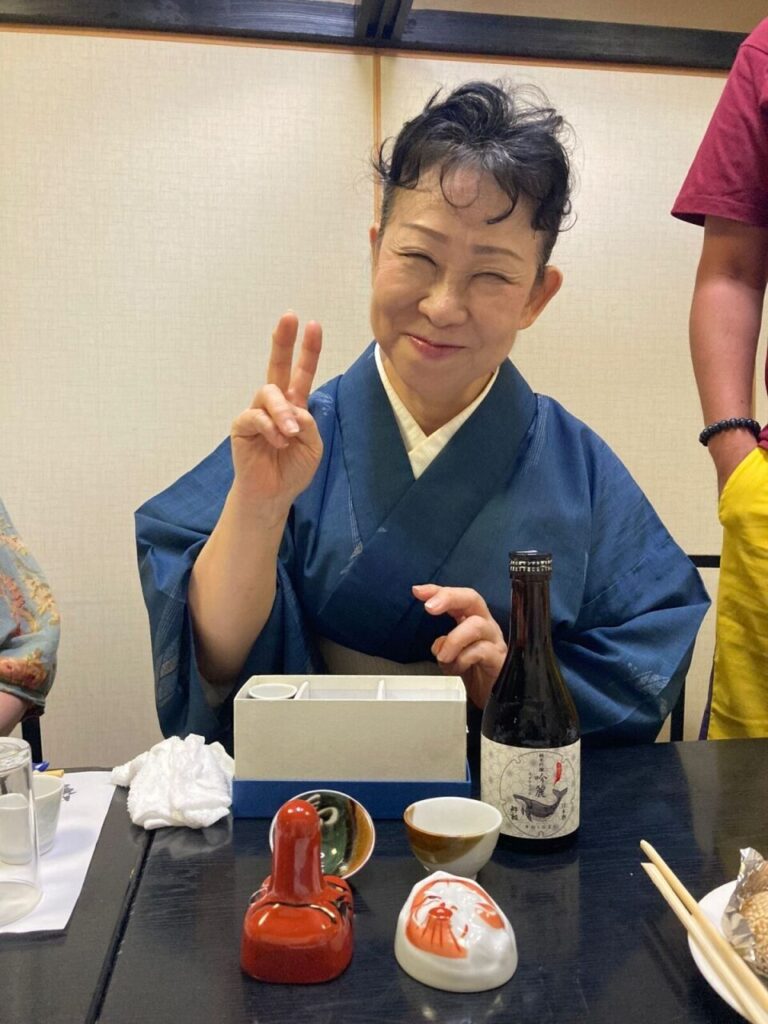
Like Ehime, Kochi is renowned for its spectacular sake as well as its seafood. Its isolation from the rest of Japan by the Ishizuchi and Tsurugi ranges contributed to its developing a unique hospitality culture, which Kochi residents are eager to share with residents over many cups of their favorite sake. In other words, the Ishizuchi region is as much a destination for those who play as those who pray. Since pilgrimage was one of the few permitted reasons for travel in much of Japanese history, most travelers to Ishizuchi did plenty of both.
Exploring Mt. Ishizuchi’s Living Legacy
With Mt. Ishizuchi at its heart, western Shikoku offers a rare opportunity to experience Japanese life in its full range: urban and rural, historic and contemporary, aesthetic and active. From mountain asceticism and pilgrimage to rivers, hot springs, cuisine, and craft, the mountain’s influence continues to shape how people live, work, and pray.
Contact Shikoku Tours to begin planning your adventure on Mt. Ishizuchi and beyond.
■Role:
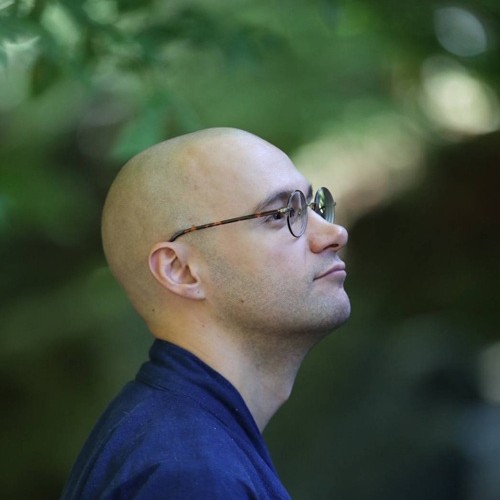
Shikoku Travel Specialist, Tour Coordinator, and Shingon Buddhist Priest
■Experience:
10 years of lived experience in Japan, including over 6 years of in-depth study and practice in Japan’s religious traditions, particularly Buddhism, Shugendō, and Shinto.
I became a guide after experiencing firsthand how an understanding of Japan’s religious and cultural history can reveal deeper layers of meaning in even the simplest places. My aim is to help travelers connect with Shikoku not just as a destination, but as a living spiritual landscape, and to support them in discovering a more meaningful and personal journey.
■Role:
Shikoku Travel Specialist, Tour Coordinator, and Shingon Buddhist Priest
■Experience:
10 years of lived experience in Japan, including over 6 years of in-depth study and practice in Japan’s religious traditions, particularly Buddhism, Shugendō, and Shinto.
I became a guide after experiencing firsthand how an understanding of Japan’s religious and cultural history can reveal deeper layers of meaning in even the simplest places. My aim is to help travelers connect with Shikoku not just as a destination, but as a living spiritual landscape, and to support them in discovering a more meaningful and personal journey.