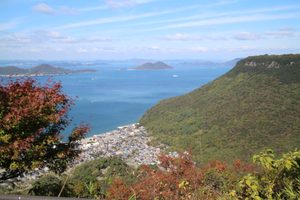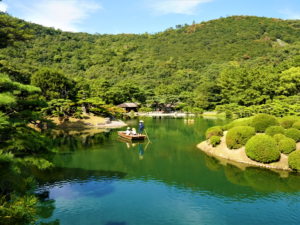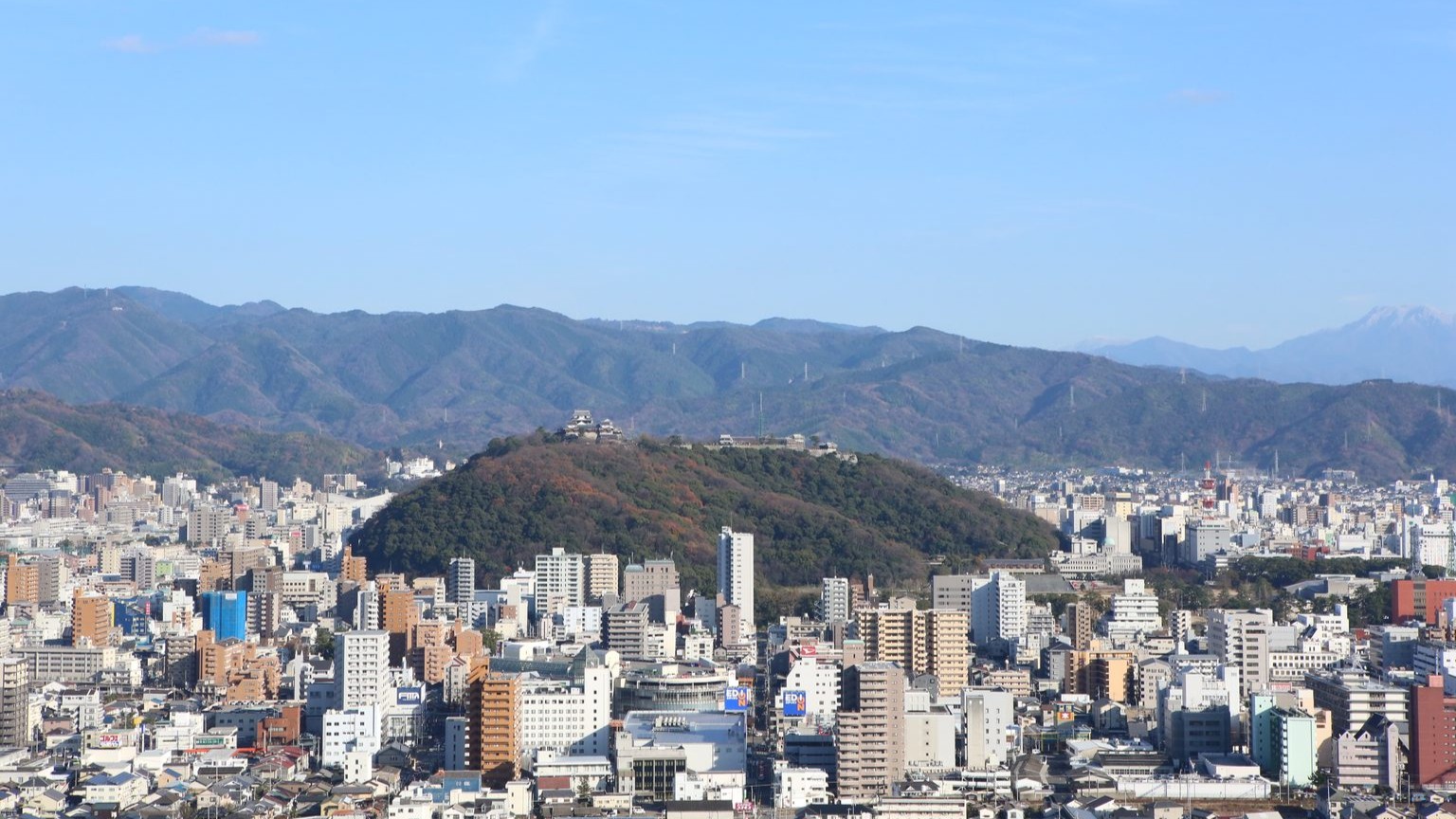
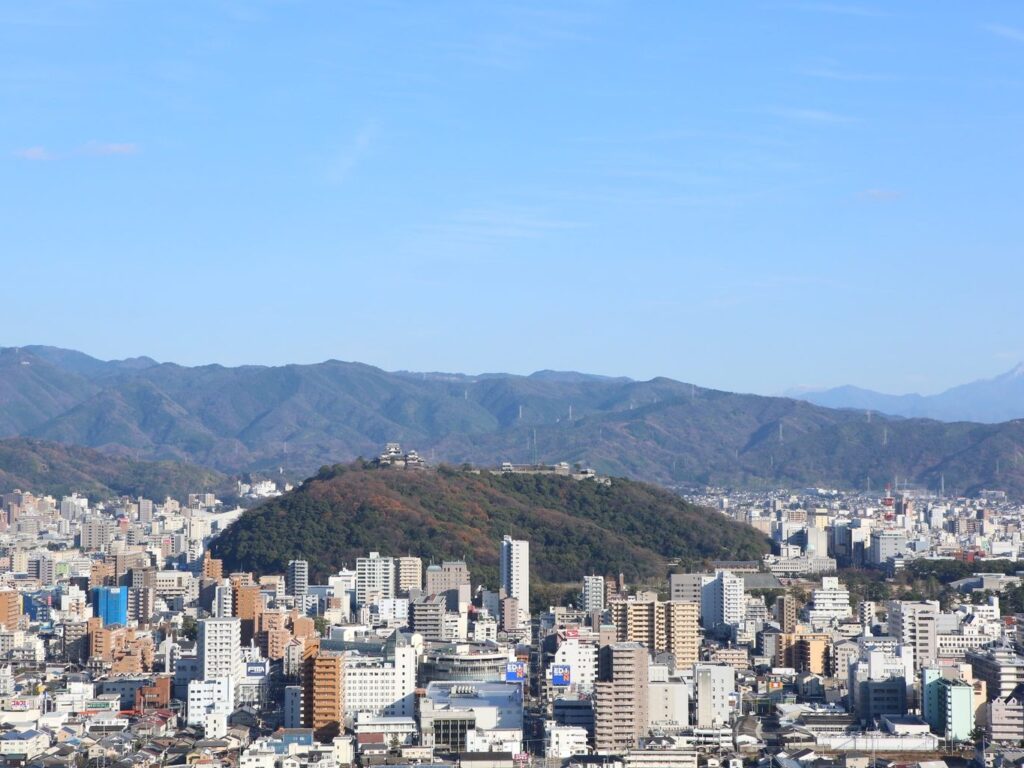
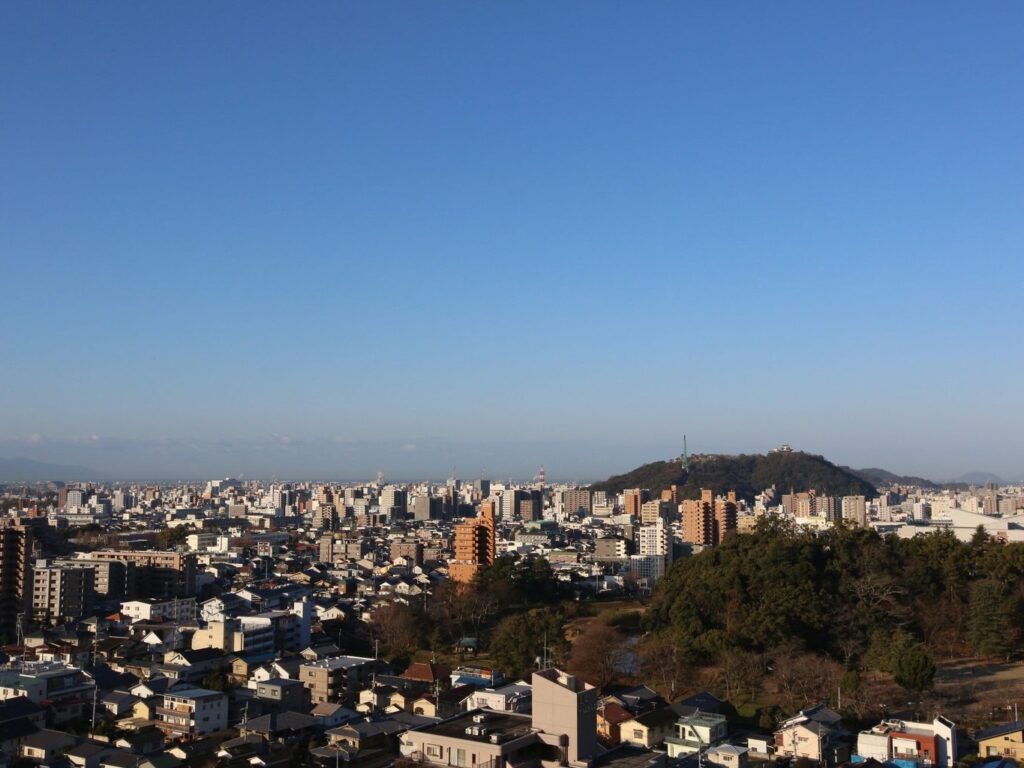
In 1687, the pilgrim and guidebook author Shinnen recorded the vista he saw from the Misaka Pass, just outside Matsuyama. “Looking down, Matsuyama Castle stands out majestically. The broad beaches of Mitsu stretch out nearby, lapped by blue waves. Within the ocean stands [an island called] the “Little Fuji of Iyo,” which looks just like the real Mt. Fuji. Fishing boats bob between the many islands and their mountains. The sight brightens a weary pilgrim’s heart.”
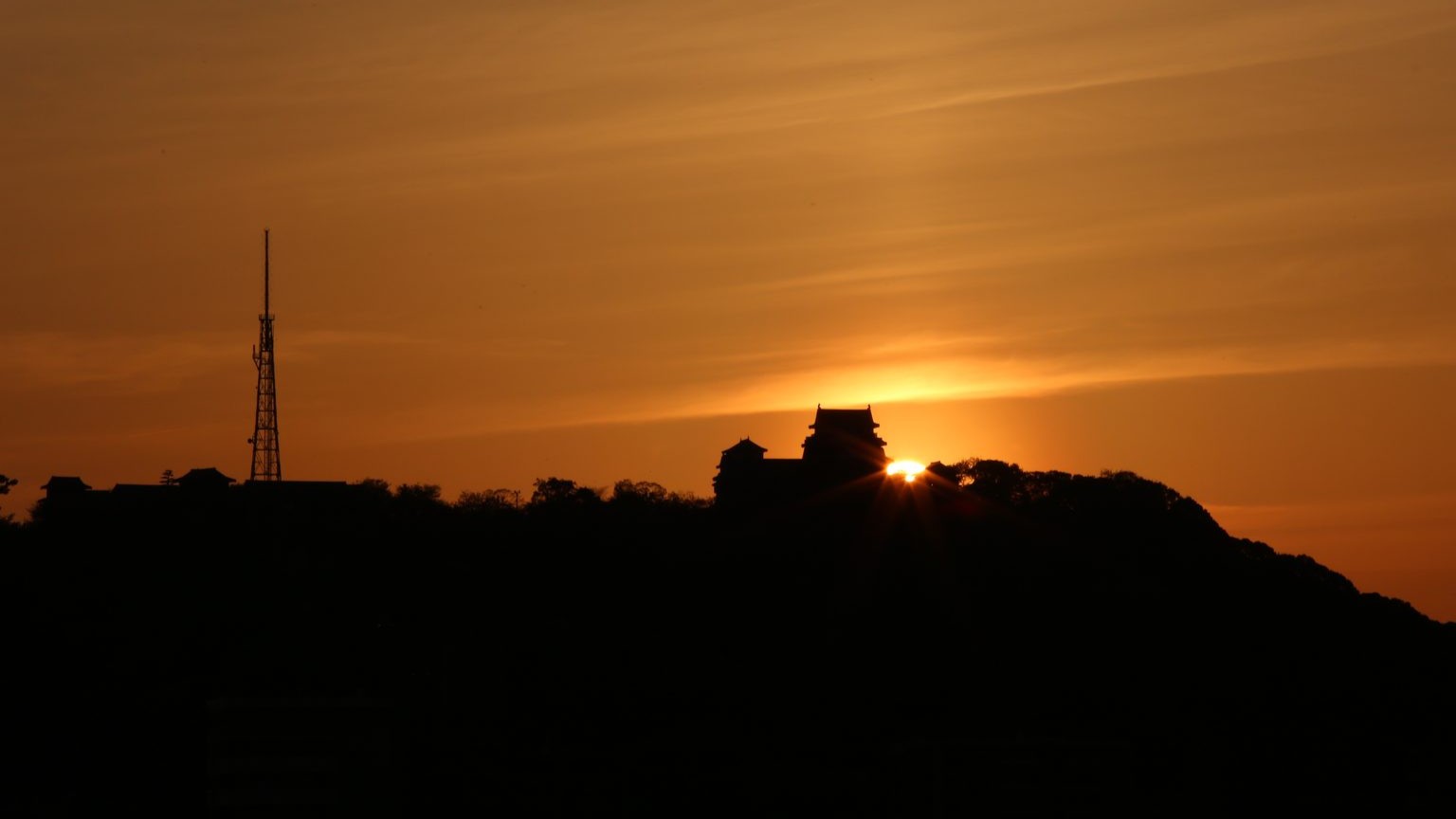
Matsuyama Castle has watched over Ehime’s thriving capital since construction began in 1602. Its towering keep is one of the twelve surviving original castle keeps. Explore the story of this beloved Shikoku symbol and its transition from a symbol of samurai power to Ehime’s most beloved attraction.
A New Castle for a New Era
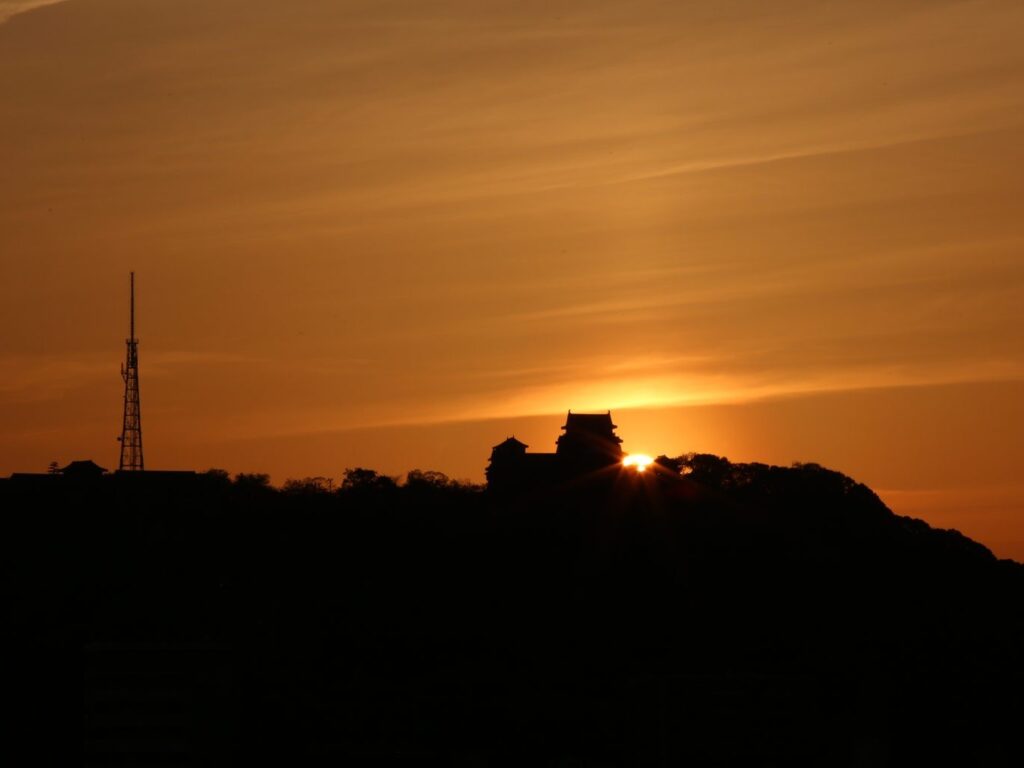
In the medieval period, Iyo Province (now Ehime) was ruled by the Kōno clan. Their stronghold, Yuzuki Castle, stood on the hilltop above the ancient onsen town of Dōgo. While the Kōnos managed to maintain their hold on Iyo for a few hundred years, their grasp slipped in the Warring States Period. Picked away at by the larger factions that surrounded them, the Kōno clan eventually surrendered to Toyotomi Hideyoshi, Japan’s great unifier, in 1585. Their rule came to an end, and their castle was abandoned. Its ruins are now a park, famous for cherry blossoms in springtime.
Hideyoshi replaced the Kōno clan with his ally, Katō Yoshiaki. Katō chose to back the winning side in the pivotal Battle of Sekigahara in 1600. As a reward, Sekigahara’s victor, Tokugawa Ieyasu, more than tripled Katō’s land holdings. Ieyasu became the first Shōgun of the Edo Period in 1603.
With his newfound fortune, Katō began hatching plans to build a fortress more magnificent than anything the Kōnos had ever dreamed of. In 1603, he changed the name of his castle site, a flat-topped hill, to matsu-yama, “Pine Mountain.”
Looming Symbol of the Shōgun’s Power
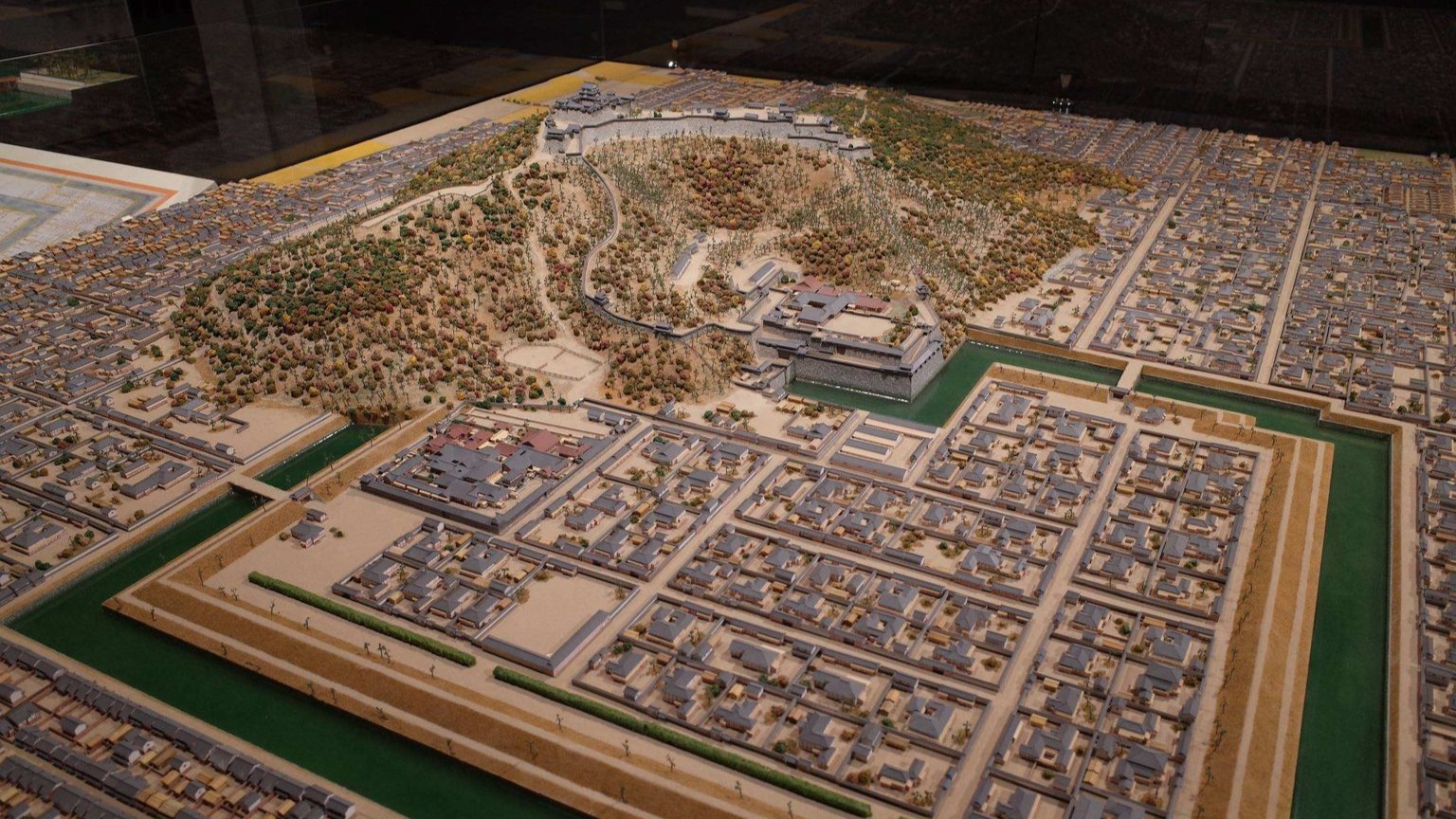
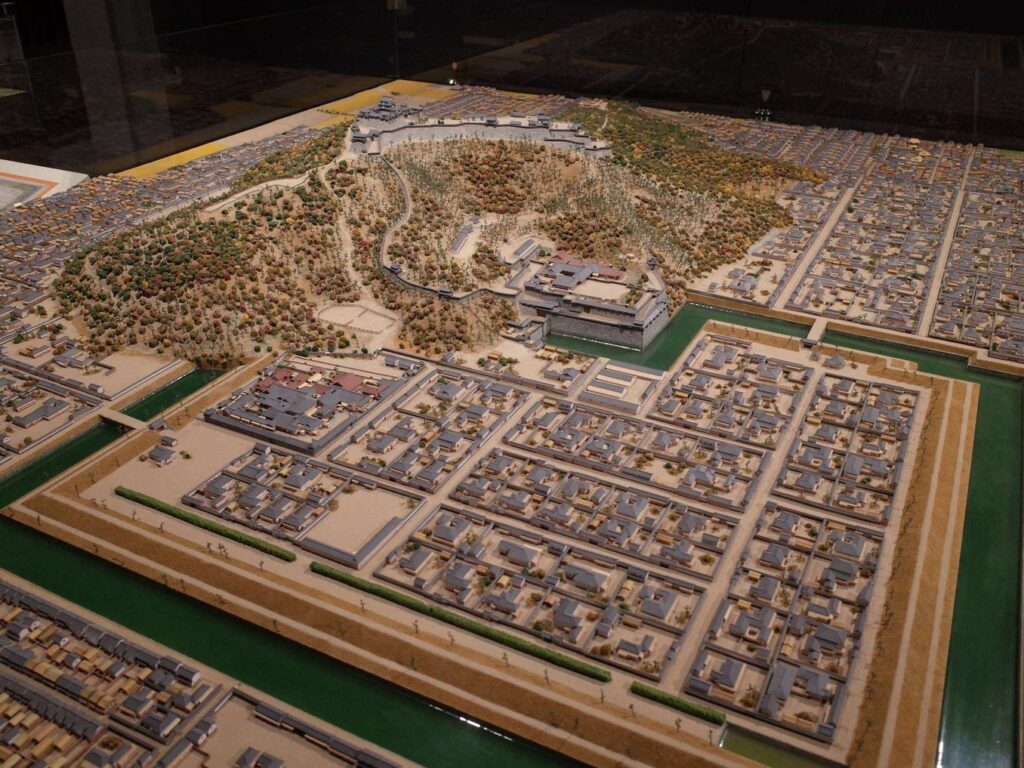
Over the next twenty years, Katō Yoshiaki’s plan slowly came to fruition. The castle was divided into three enclosures or maru, each with its own purpose.
Matsuyama Castle’s Honmaru—Impenetrable Elegance
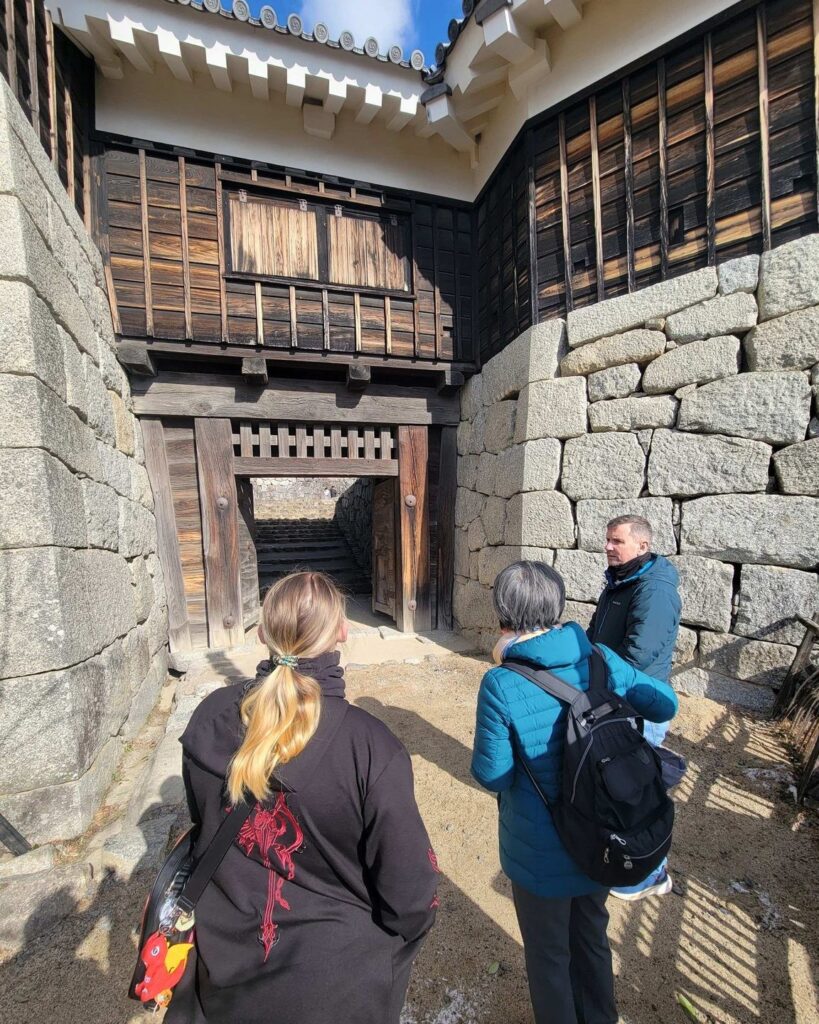
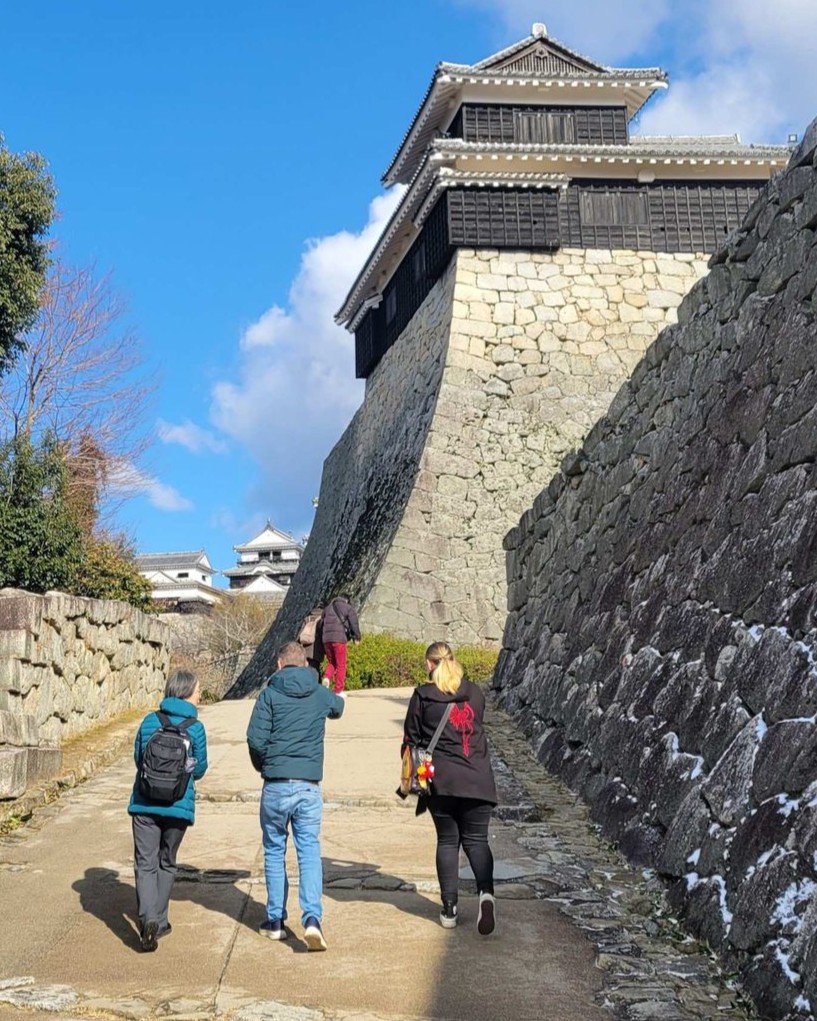
Katō’s engineers designed the Honmaru, the uppermost enclosure, to maximize the defensive potential of the mountain’s natural contours. The elegant harmony between mountain and manmade buildings is mesmerizing on a casual visit.
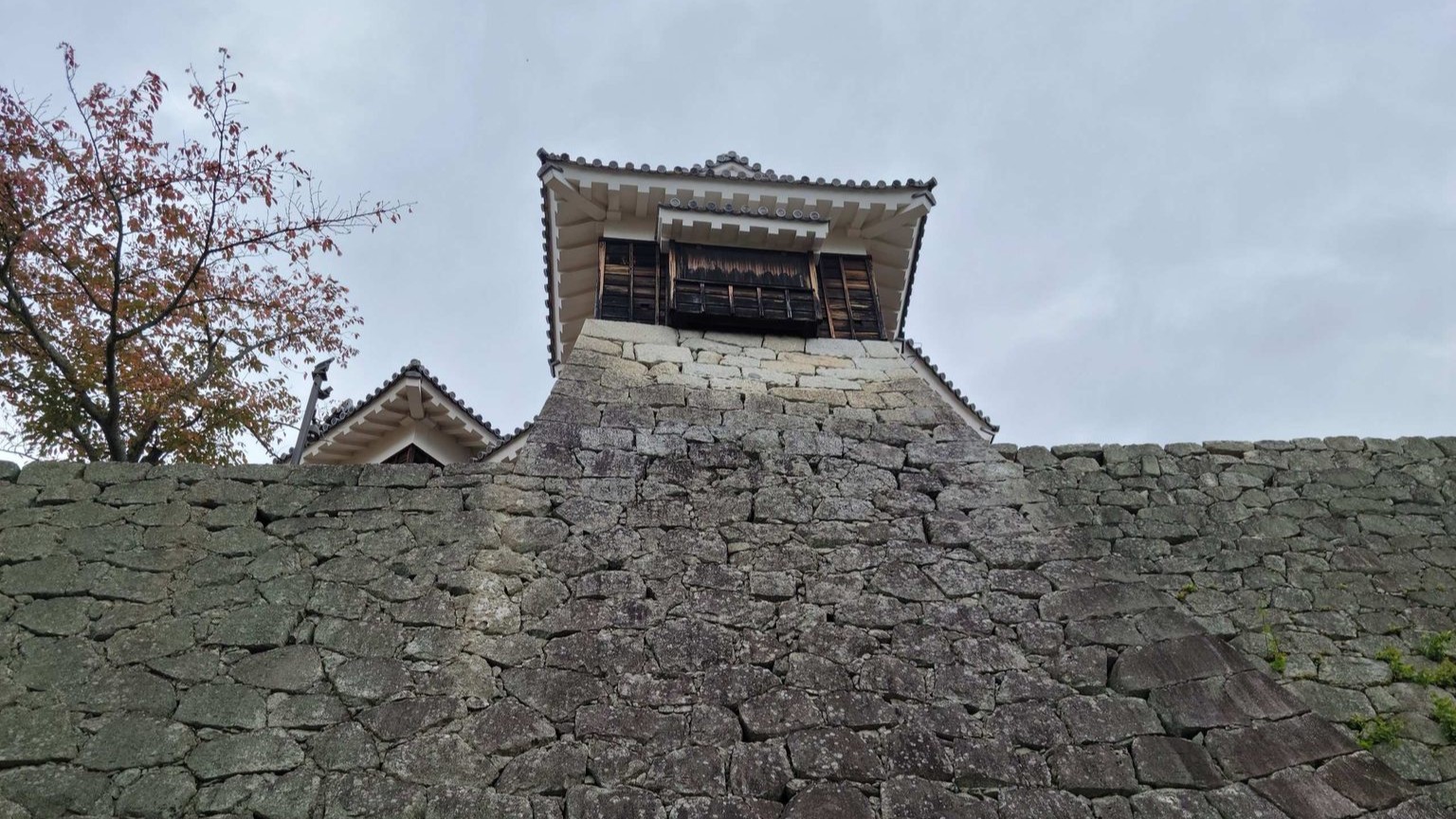
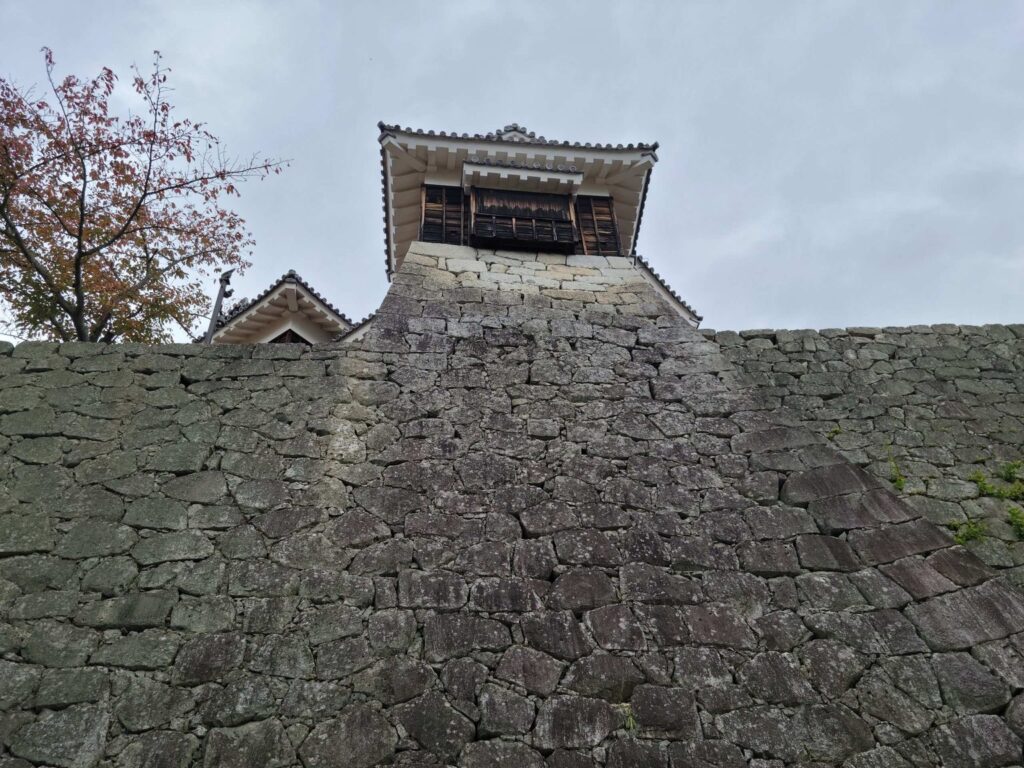
If you imagine yourself as a soldier trying to break through, however, the castle’s twists and turns are terrifying. The zig-zagging approach up the mountain means you can be shot from two angles at almost every step. Climbable walls are guarded from above by slots for dropping rocks. And paths lured the enemy into dead ends, where defenders could emerge from secret doors to surprise their enemy.
This impenetrable labyrinth towered over the surrounding city and farmland, visible from many kilometers away. But like most of Japan’s most magnificent fortresses, it never saw any battle. Remember, Japan’s warriors had just emerged from a century of near-constant fighting. Powerful symbols of the Shōgun’s unconquerable might, like Matsuyama Castle, were an important means of reminding everyone who was boss.
It’s also important to remember that, while expert engineers and warriors designed castles, local commoners built them. Building a castle was a regional project. Over 25 years, an entire generation of workers hewed timber, shunted stone, and smeared plaster to build the fortress. We can only imagine that when they and their descendants looked up at the castle on the hill, they felt some measure of pride.
Katō’s engineers designed the Honmaru, the uppermost enclosure, to maximize the defensive potential of the mountain’s natural contours. The elegant harmony between mountain and manmade buildings is mesmerizing on a casual visit.
If you imagine yourself as a soldier trying to break through, however, the castle’s twists and turns are terrifying. The zig-zagging approach up the mountain means you can be shot from two angles at almost every step. Climbable walls are guarded from above by slots for dropping rocks. And paths lured the enemy into dead ends, where defenders could emerge from secret doors to surprise their enemy.
This impenetrable labyrinth towered over the surrounding city and farmland, visible from many kilometers away. But like most of Japan’s most magnificent fortresses, it never saw any battle. Remember, Japan’s warriors had just emerged from a century of near-constant fighting. Powerful symbols of the Shōgun’s unconquerable might, like Matsuyama Castle, were an important means of reminding everyone who was boss.
It’s also important to remember that, while expert engineers and warriors designed castles, local commoners built them. Building a castle was a regional project. Over 25 years, an entire generation of workers hewed timber, shunted stone, and smeared plaster to build the fortress. We can only imagine that when they and their descendants looked up at the castle on the hill, they felt some measure of pride.
The Ninomaru—A Walled World of Pleasure
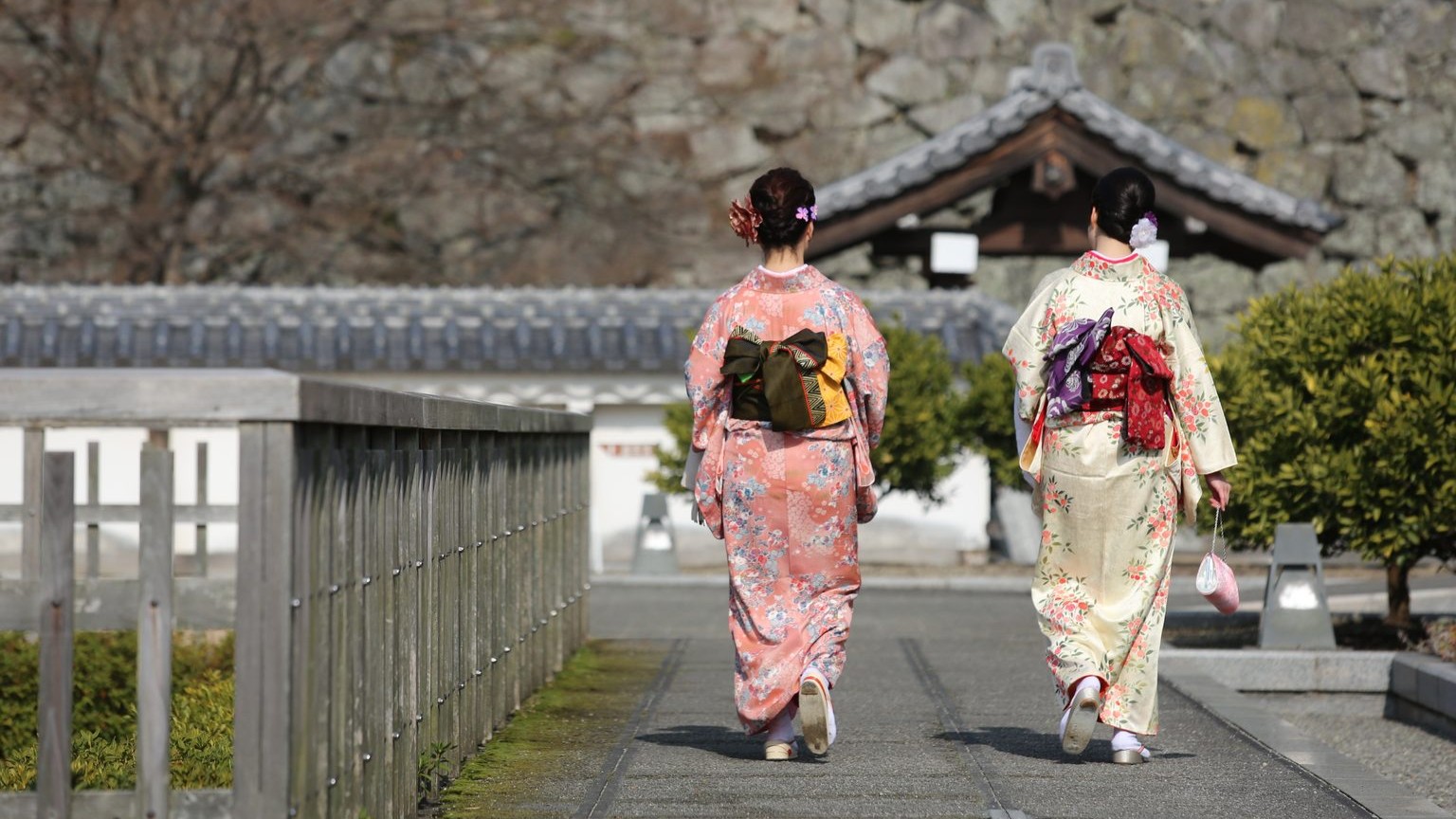
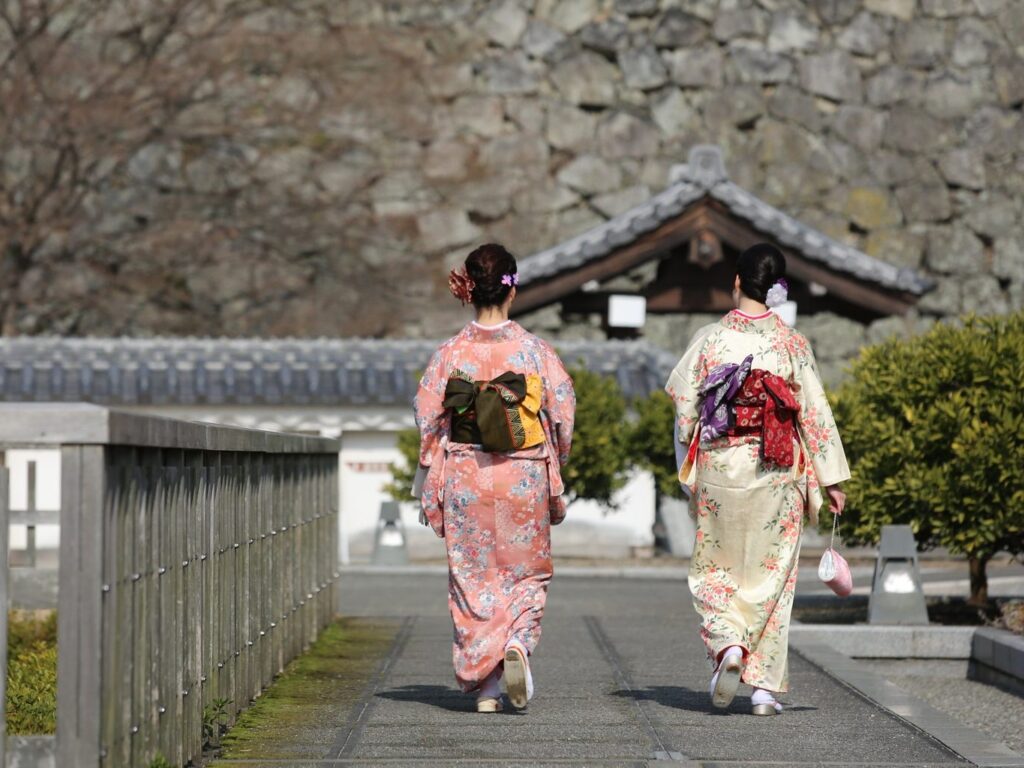
While the Honmaru is undoubtedly elegant, it was exclusively for defense. Lords typically did not live in the innermost part of their strongholds. And as much as he wanted Matsuyama Castle to be a symbol of regional dominance, Katō Yoshiaki was also interested in life’s finer things. This was reflected in his palace in the Ninomaru, its second enclosure.
Where the Honmaru awed visitors with martial might, the ni-no-maru did so with opulence. Its buildings, gardens, tea houses, and ornamentation left no question about who was in charge—and just how much financial power they had. The result was a world apart, reserved for the castle lord, his closest retainers, and esteemed guests. This was the administrative and cultural heart of the castle.
The Sannomaru—First Line of Defense
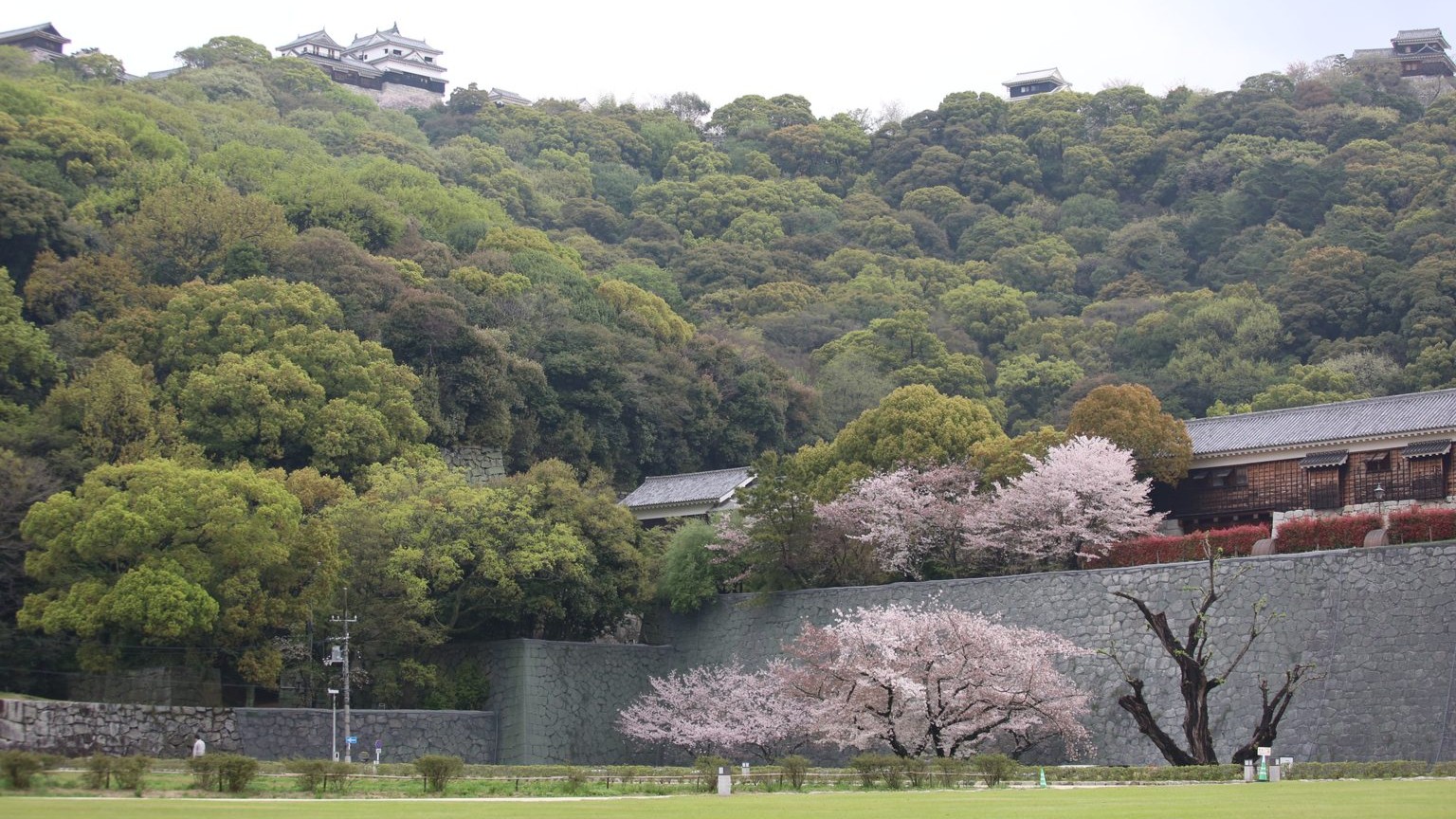
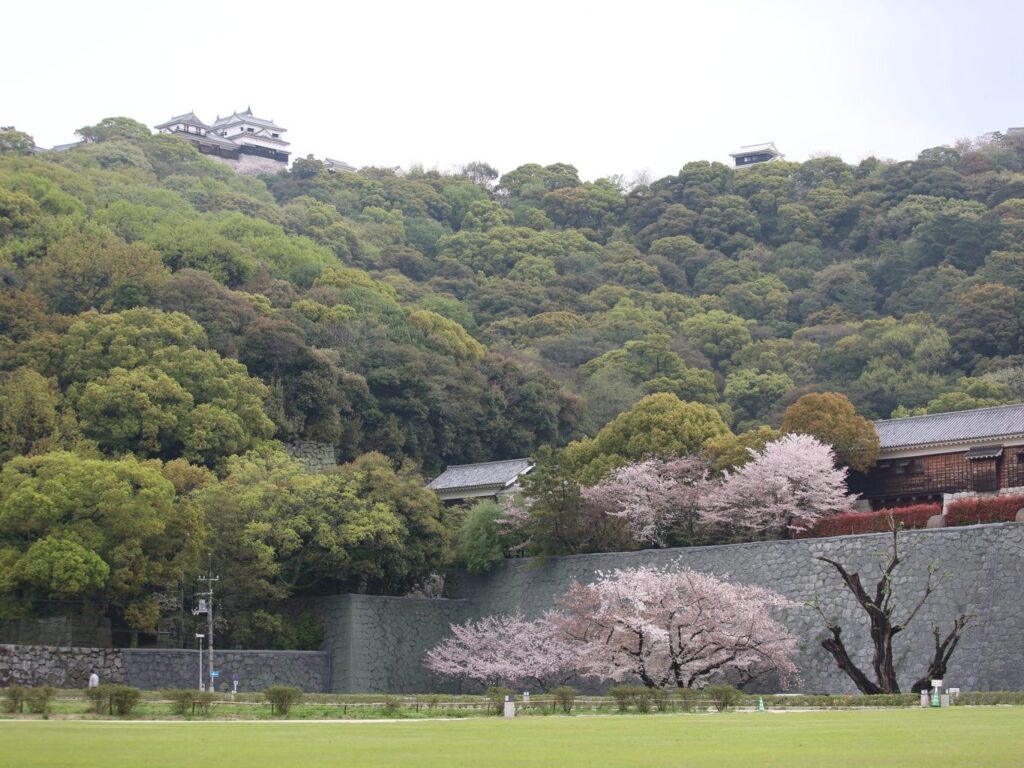
The castle’s third enclosure was level with the flat land surrounding it, separated by a moat. The Sannomaru was really more like a small military town, where the lord’s retainers would have their households. Later lords built a second palace in the inner part of the complex where their heir could live. In the event of a real attack, the moat and earthworks surrounding the enclosure would give defenders enough time to get out and up to their real defensive positions in the Honmaru.
Matsuyama Castle’s Changing Fortunes
Imagine yourself as Katō Yoshiaki round about 1627. For 25 years you’ve watched as your plan has slowly taken shape on the mountaintop overlooking the now-bustling castle town of Matsuyama. The stone walls are almost complete, and you can easily imagine how they’ll look with their whitewashed wooden towers a few years from now. Your impenetrable dream-child will be a reality, and you’ll be able to relish your success from a first-class palace on the mountainside. Life’s good.
Then a letter comes. The Shōgun has ordered you to take over Aizu Domain, way on the other side of Japan in the Tōhoku region. The position isn’t without perks—you’ll be able to tax about twice as much farmable land as in Iyo (twice as rich!). Plus, Aizu is much closer to Edo, so you’ll be closer to the nation’s political heart.
But someone else will take over your 25-year project. What would you do?
We don’t know too much about how Yoshiaki felt about his transfer—but Edo Japan wasn’t the kind of place you could say “no” so casually. So, off Katō went, his project unfinished.
The new lord Gamō Tadamoto, took up the project and completed the castle, including its Tenshū, the towering keep at its apex. He then promptly died without heirs. The domain and castle were finally taken over by the Matsudaira Clan, blood relatives and close allies of the Tokugawa, and remained theirs until the end of the Edo Period. Just 15 years later, one of these Matsudaira lords downsized the keep to just three stories.
Though the current buildings retain the basic form of the castle in this period, there’s a problem with putting wooden buildings on an area’s highest point. Lightning. The keep burned down in 1784. The Matsudaira’s constant financial trouble meant they couldn’t restore the keep until 1854—so perhaps Katō made the right call in transferring to Aizu after all.
Imagine yourself as Katō Yoshiaki round about 1627. For 25 years you’ve watched as your plan has slowly taken shape on the mountaintop overlooking the now-bustling castle town of Matsuyama. The stone walls are almost complete, and you can easily imagine how they’ll look with their whitewashed wooden towers a few years from now. Your impenetrable dream-child will be a reality, and you’ll be able to relish your success from a first-class palace on the mountainside. Life’s good.
Then a letter comes. The Shōgun has ordered you to take over Aizu Domain, way on the other side of Japan in the Tōhoku region. The position isn’t without perks—you’ll be able to tax about twice as much farmable land as in Iyo (twice as rich!). Plus, Aizu is much closer to Edo, so you’ll be closer to the nation’s political heart.
But someone else will take over your 25-year project. What would you do?
We don’t know too much about how Yoshiaki felt about his transfer—but Edo Japan wasn’t the kind of place you could say “no” so casually. So, off Katō went, his project unfinished.
The new lord Gamō Tadamoto, took up the project and completed the castle, including its Tenshū, the towering keep at its apex. He then promptly died without heirs. The domain and castle were finally taken over by the Matsudaira Clan, blood relatives and close allies of the Tokugawa, and remained theirs until the end of the Edo Period. Just 15 years later, one of these Matsudaira lords downsized the keep to just three stories.
Though the current buildings retain the basic form of the castle in this period, there’s a problem with putting wooden buildings on an area’s highest point. Lightning. The keep burned down in 1784. The Matsudaira’s constant financial trouble meant they couldn’t restore the keep until 1854—so perhaps Katō made the right call in transferring to Aizu after all.
From Samurai Retreat to Public Symbol
1854 was a hell of a time to rebuild what really was a medieval castle’s wooden keep. Admiral Perry’s Black Ships showed up in 1853 to force Japan to open to the rest of the world. Everyone knew big changes were coming, one way or another. On the other hand, the Tokugawa had ruled for 250 years by that point. If anything, the timing shows us just how unthinkable what came next really was.
And what came next was the Meiji Restoration—the abolition of samurai rule and rapid industrialization of Japan, starting in 1868. As part of this project, the Meiji government set about dismantling many symbols of samurai power, including many castles.
This went for Matsuyama castle too. The new government initially put the former castle to practical use. In 1869, the Matsuyama domain government established its office in the San-no-Maru. But the buildings burned in 1870, forcing the administration to move to the Ni-no-Maru. That complex burned too, in 1872. In 1873, Matsuyama Castle was formally abandoned under the government’s Castle Dissolution Edict. Matsuyama’s City Hall, Ehime’s Prefectural Office, and other important government buildings are still located just below the castle mountain.
In 1874, the Honmaru opened to the public as Shūrakuen Park. It would close again in 1886, before reopening as Matsuyama Park in 1910. The castle had begun its transformation from a seat of samurai power into a public symbol, enjoyed by the people of Matsuyama—and beyond.
The 20th century was not kind to Matsuyama Castle. Arson in 1933 destroyed several buildings, wartime fires took others in 1945, and another arson attack destroyed more in 1949. Beginning in the 1950s, Matsuyama undertook an ambitious campaign to restore the castle, rebuilding many of its lost structures in wood and returning much of the Honmaru to something like its former appearance.
Matsuyama Castle Today
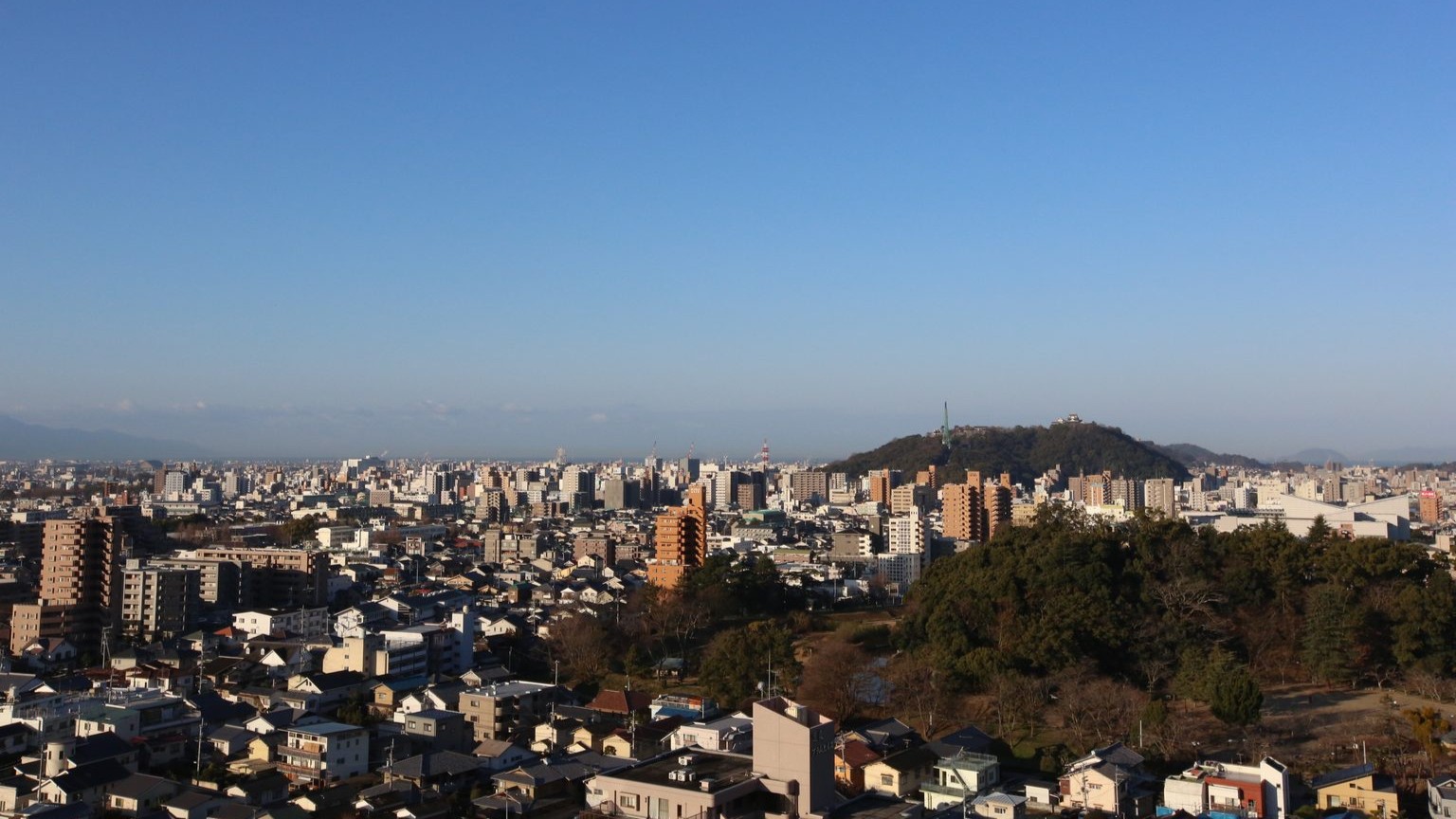
Today, Matsuyama Castle is one of Japan’s twelve surviving original castle keeps, but the keep is only one part of a much larger historic landscape. Twenty-one original buildings in the Honmaru are designated Important Cultural Properties and many more have been restored to their former glory.
The Ninomaru, on the other hand, has transformed into something new. The original palace burned in 1872, but archaeological excavations revealed the foundations and layout of the former buildings, allowing the site to be transformed into the Ninomaru Historic Site Garden in 1992. Rather than reconstructing the palace as a collection of buildings, the garden lets visitors walk through its former rooms and courtyards as an open-air archaeological reconstruction. Walkways, streams, and gardens mark out the sites of the palace complex, and citrus trees and seasonal flowers reside where samurai once did.
Below the Ninomaru, the former Sannomaru is now one of Matsuyama’s great green spaces. Evenings and weekends see the park come to life with family picnics, soccer games, and laughing voices. It’s also home to the Ehime Prefectural Art Museum. Ongoing restoration work uses archaeological discoveries to recover the Edo-period layout of roads, drainage channels, and other features that had disappeared beneath the modern city.
Starting with the chairlift or gondola to the Honmaru and meandering your way down through the Ni-no-Maru and park below, you get a sense not only that you’re slipping through time, but watching the castle’s meaning change before your eyes. A trip to Matsuyama castle is a chance to see how Japan “as-it-was” became the Japan of today, a story written in timber, stone, and civic pride.
Tours Including

■Role:
Shikoku Travel Specialist, Tour Coordinator, and Shingon Buddhist Priest
■Experience:
10 years of lived experience in Japan, including over 6 years of in-depth study and practice in Japan’s religious traditions, particularly Buddhism, Shugendō, and Shinto.
I became a guide after experiencing firsthand how an understanding of Japan’s religious and cultural history can reveal deeper layers of meaning in even the simplest places. My aim is to help travelers connect with Shikoku not just as a destination, but as a living spiritual landscape, and to support them in discovering a more meaningful and personal journey.
■Role:
Shikoku Travel Specialist, Tour Coordinator, and Shingon Buddhist Priest
■Experience:
10 years of lived experience in Japan, including over 6 years of in-depth study and practice in Japan’s religious traditions, particularly Buddhism, Shugendō, and Shinto.
I became a guide after experiencing firsthand how an understanding of Japan’s religious and cultural history can reveal deeper layers of meaning in even the simplest places. My aim is to help travelers connect with Shikoku not just as a destination, but as a living spiritual landscape, and to support them in discovering a more meaningful and personal journey.