There are places in Japan that feel like they were designed for slowing down.
Garyu Sanso, tucked beside the Hijikawa River in the historic town of Ozu, Ehime, is one of them.
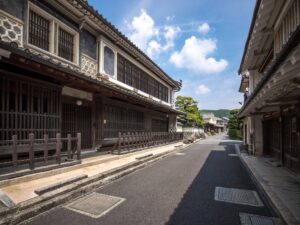
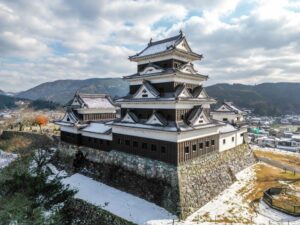
Often described as the “Little Kyoto of Iyo”, Ozu is a wonderfully atmospheric castle town where traditional streets, old houses, riverside scenery, and centuries of history come together. But hidden among its quiet streets is one of Shikoku’s most extraordinary treasures: Garyu Sanso.
For travellers searching for Japan beyond the usual tourist trail, this remarkable villa and garden offers a glimpse into the artistry, philosophy, and tranquillity of old Japan.
A Villa Built as a Labour of Love
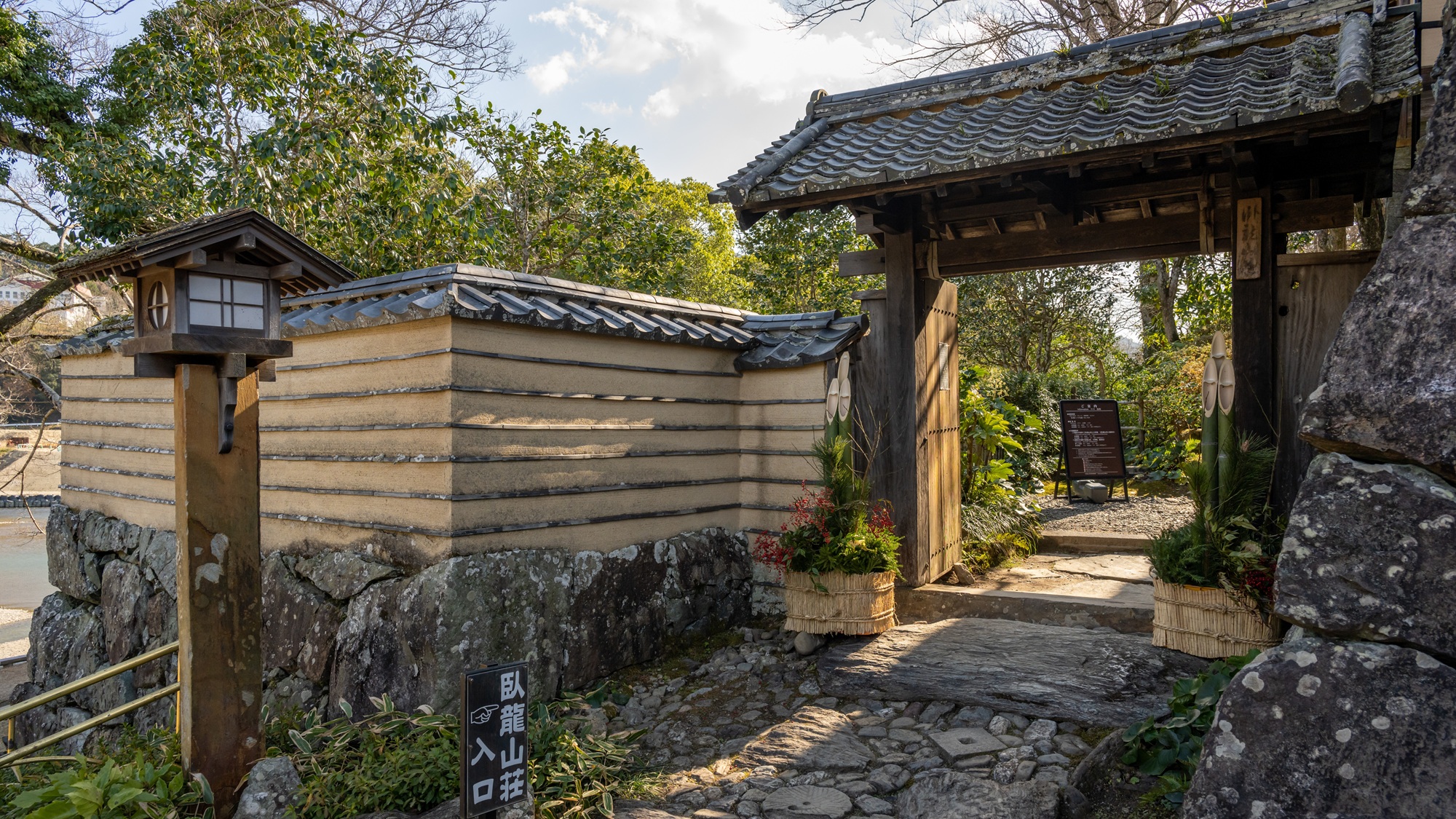
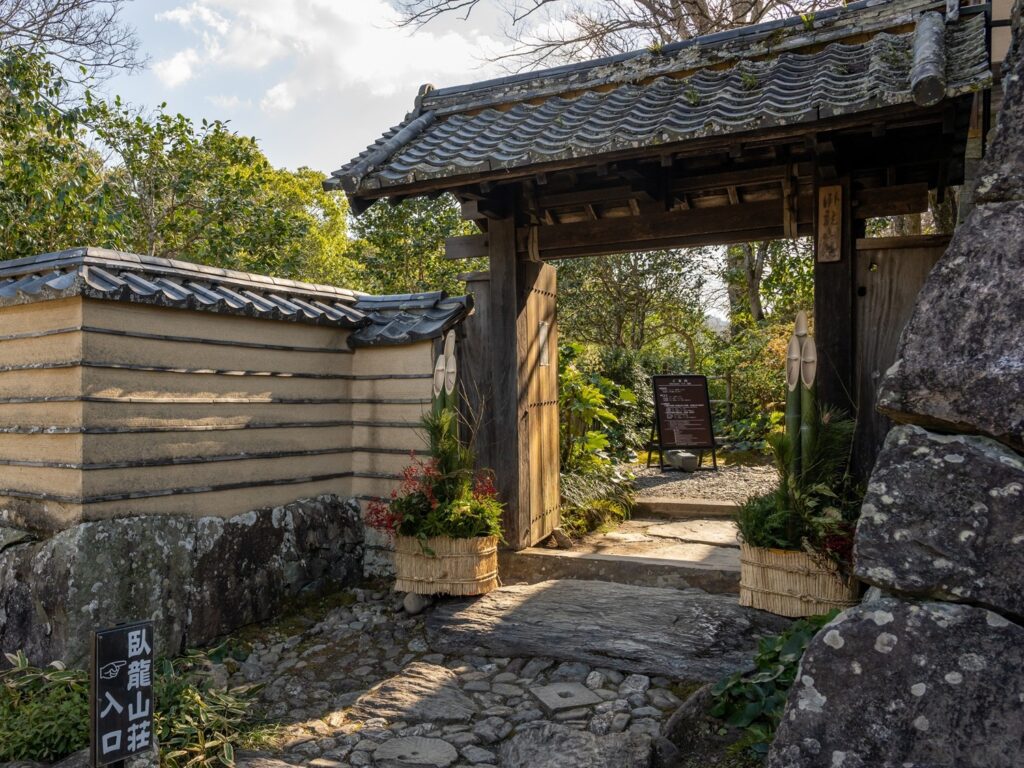
Garyu Sanso was the dream of Torajiro Kochi, a successful Ozu-born merchant who made his fortune through the wood-wax trade.
In 1899, during the Meiji period, Kochi purchased the land overlooking the Hijikawa River and began an ambitious project to create a retreat in his hometown. Rather than simply building a luxurious residence, he set out to create a place where architecture and nature would exist in harmony. The endeavour took around ten years to complete, with master craftsmen brought in from Kyoto and Kobe and local artisans contributing their skills.
Today, Garyu Sanso is made up of three remarkable structures: Garyu-in, Furo-an, and Chishi-an, each carefully positioned within the surrounding landscape to complement nature rather than detract from it.
The attention to detail is extraordinary. From traditional thatched roofing to carefully designed windows, gardens, and wooden structures, almost every element is intended to frame the natural world outside.
The Art of “Borrowed Scenery”
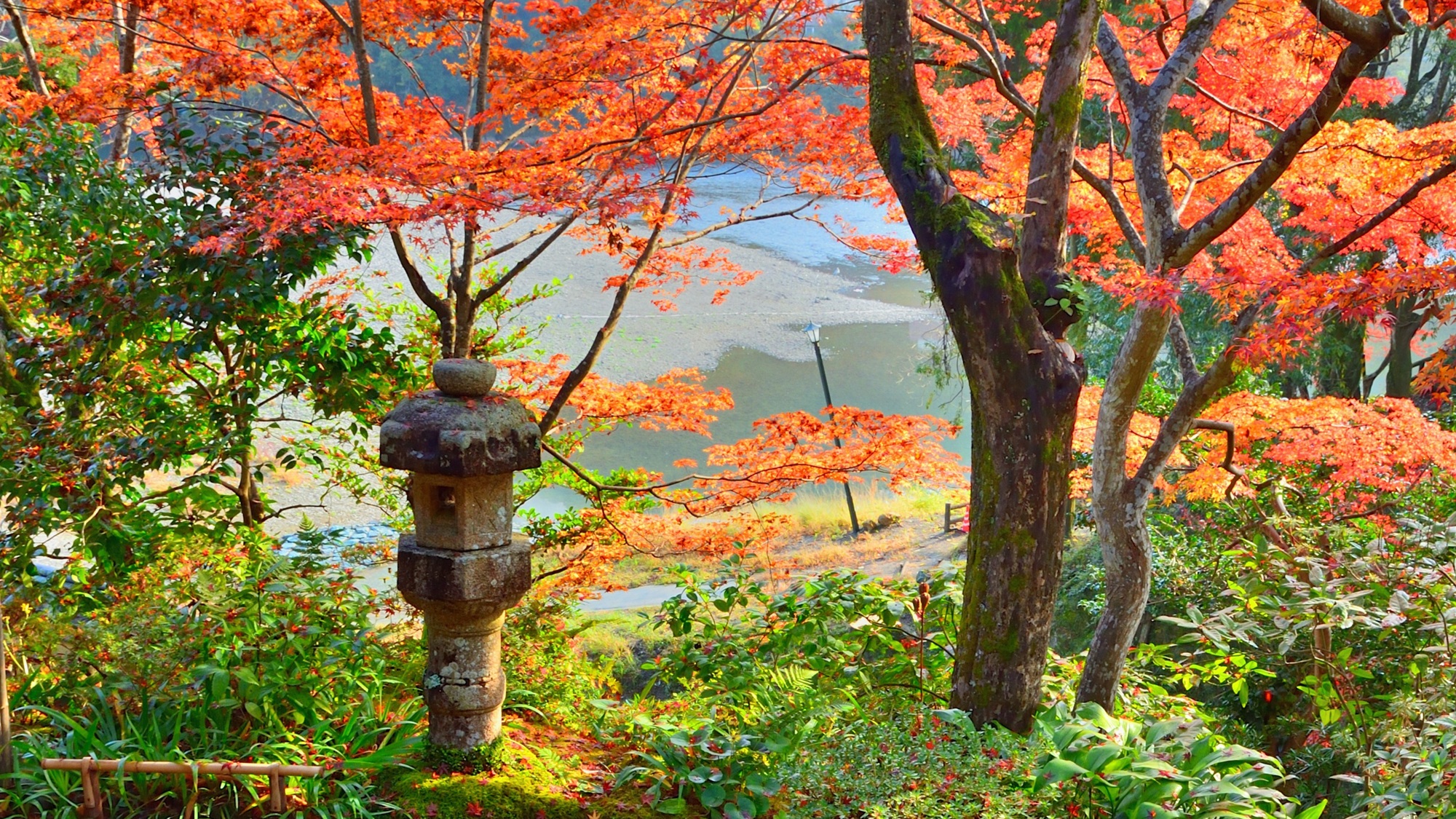
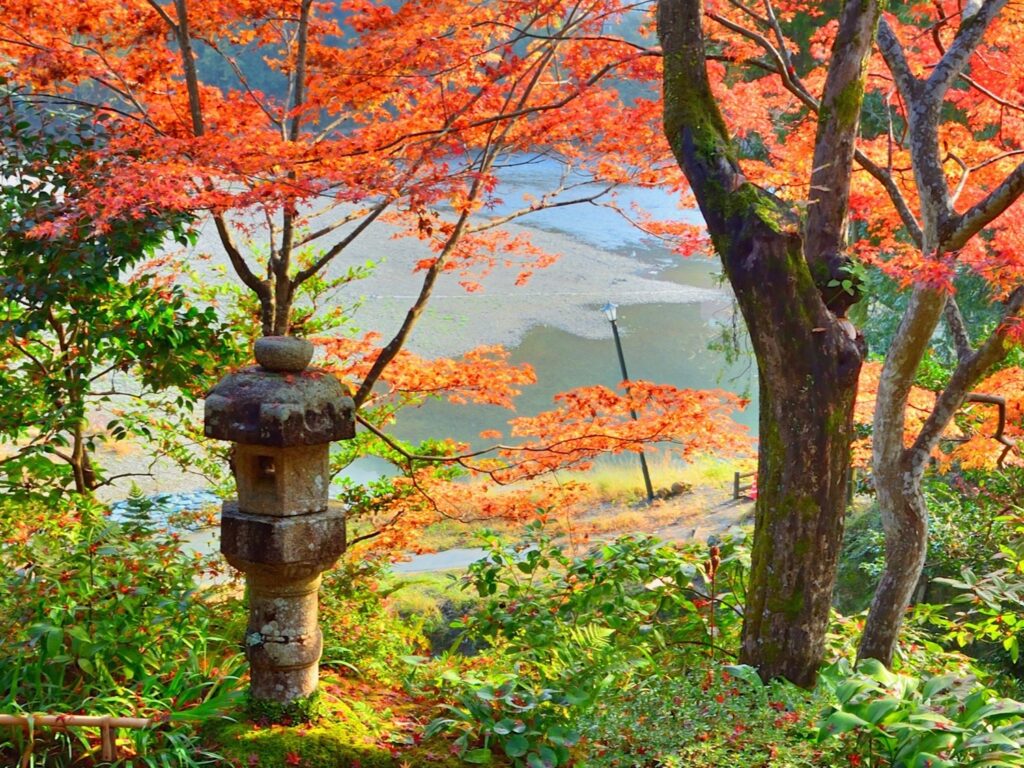
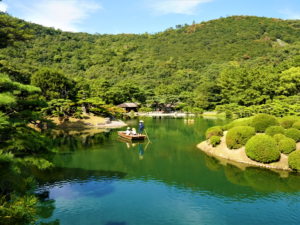
One of the most enchanting aspects of Garyu Sanso is the way the garden incorporates the landscape beyond it.
Rather than treating the garden as something separate from nature, its designers deliberately drew the Hijikawa River, the surrounding mountains, and the seasonal scenery into the experience. This traditional Japanese approach is known as shakkei, or “borrowed scenery”.
And the scenery changes constantly.
In spring, fresh greenery fills the landscape. Summer brings lush mountain colours, while autumn transforms the surrounding hills with brilliant foliage. Even winter has its own atmosphere, with Ozu’s famous Hijikawa River mist creating a dreamlike landscape.
This connection between architecture and nature is a huge part of what makes Garyu Sanso so captivating.
A Teahouse with a Secret
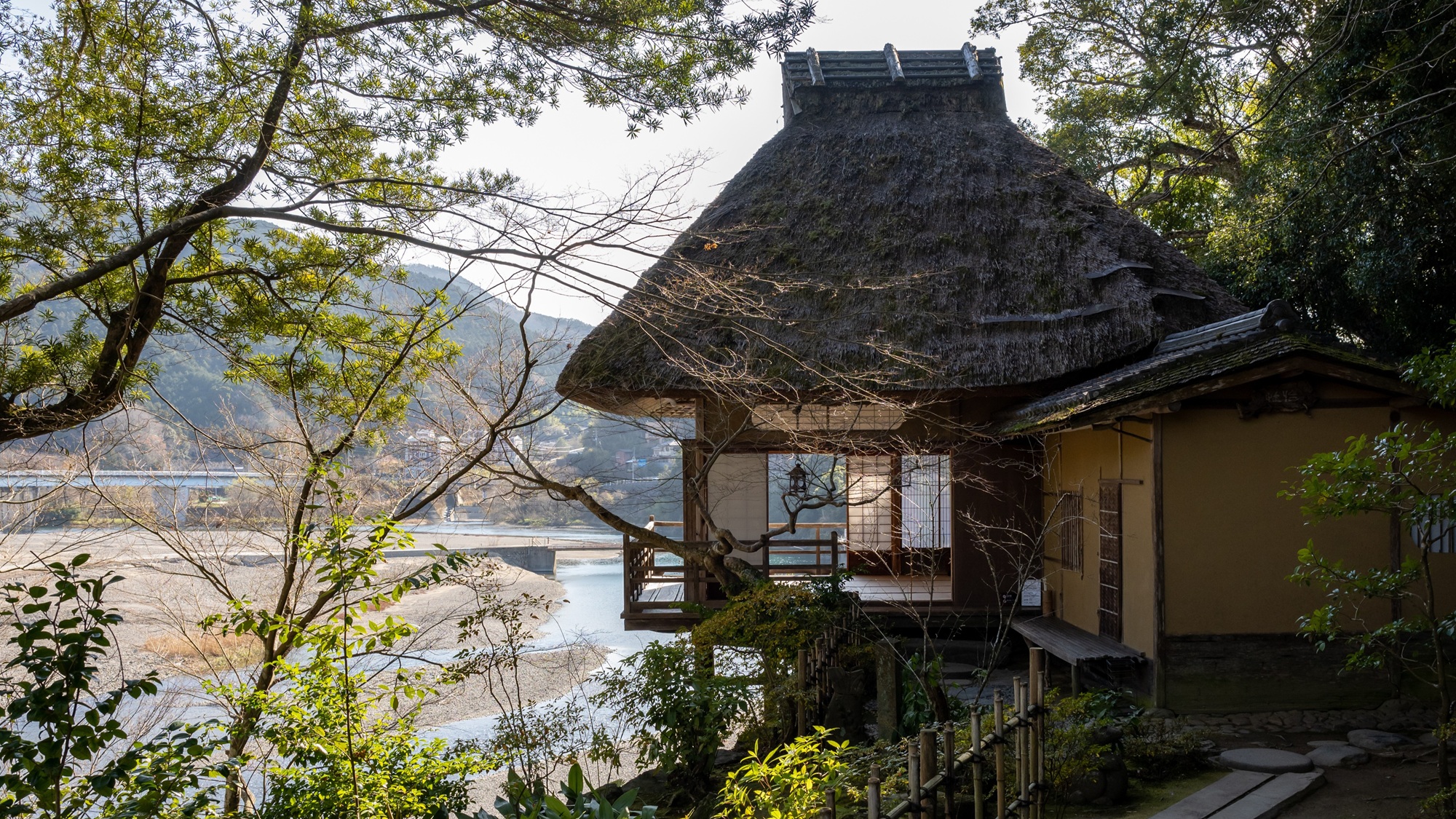
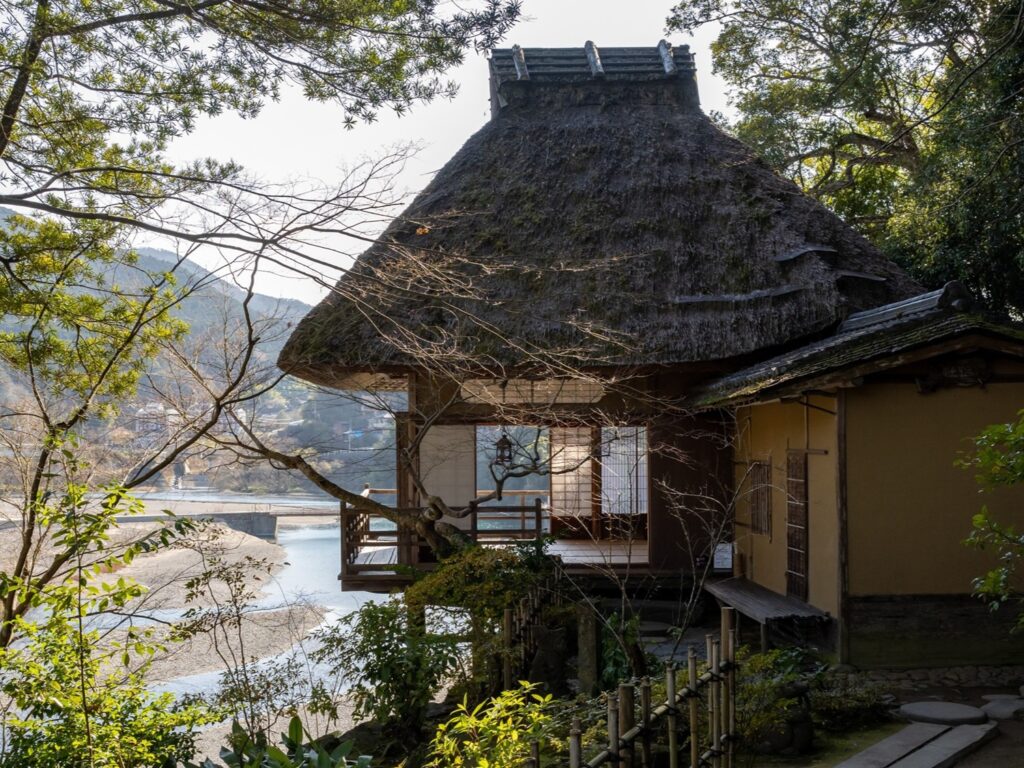
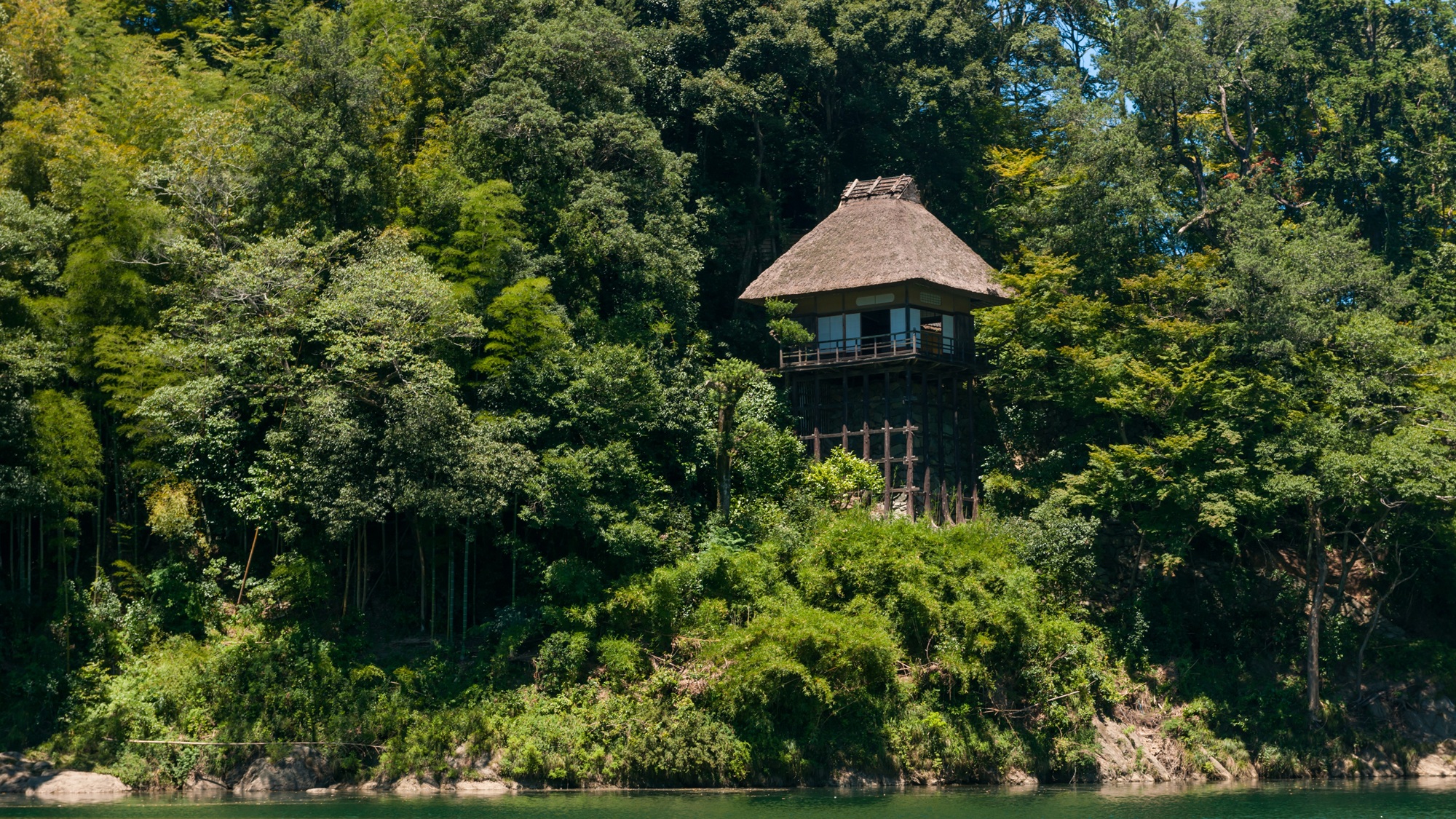
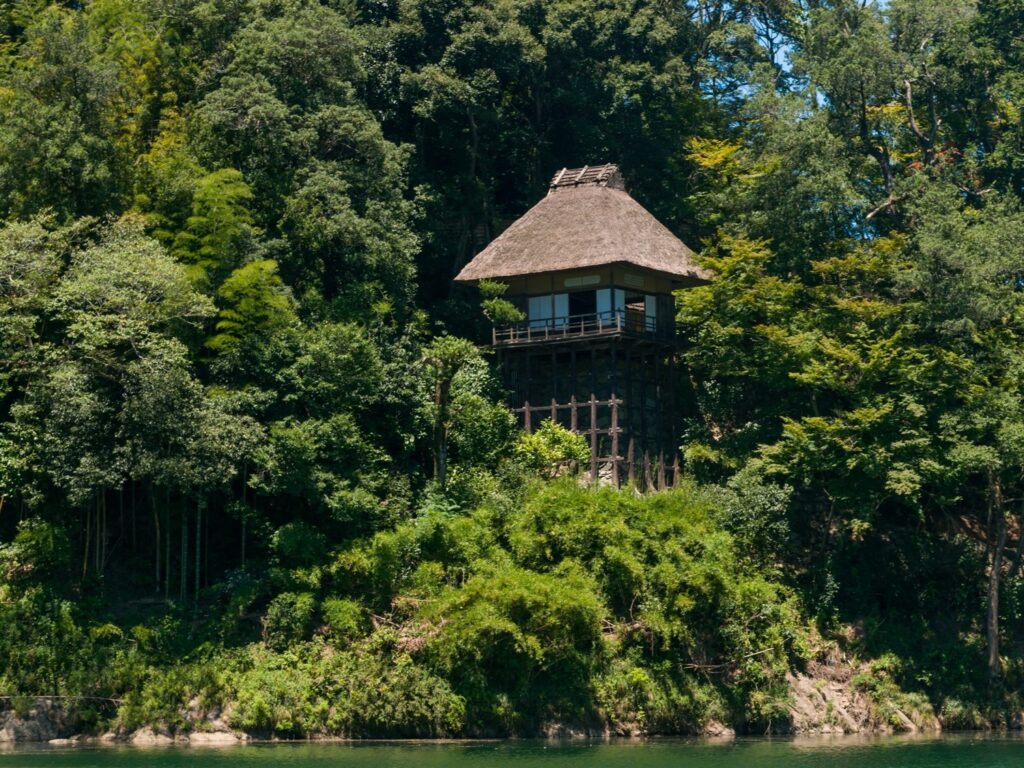
But my personal favourite aspect of Garyu Sanso is Furo-an, the tiny teahouse perched above the Hijikawa River, where it appears to float over the cliff.
Built using a traditional technique called kakezukuri, the structure projects out over the landscape, raised roughly seven metres above the ground on wooden pillars.
But Furo-an’s real magic is inside. The teahouse was designed to resemble a small boat, complete with a beautifully curved bamboo ceiling. On clear nights, moonlight reflecting off the Hijikawa River below is caught by the ceiling, creating a gentle glow inside. During the day, sunlight can produce a similar shimmering effect.
Even the trees were incorporated into the design. Several living yew plum pine trees growing on the site were used as structural supports rather than being cut down, which means that the architecture and the nature around it have quite literally grown together for more than a century.
The changing light, the river, the trees, and the craftsmanship all come together to create an experience that rewards those who take the time to look a little closer.
Tours Including Garyu Sanso

■Role:
Shikoku Tours Social Media Manager & Historian specializing in Japanese History
■Experience:
10 years of living in Japan, specifically in the Ehime area. I also have 8 years of experience in social media content creation, specifically in the areas of niche travel and History.
Hello! I’m Tehya, a historian with a passion for social media and using it as a tool for education. My goal is to help people discover the amazing and historical places Shikoku has to offer!
■Role:
Shikoku Tours Social Media Manager & Historian specializing in Japanese History
■Experience:
10 years of living in Japan, specifically in the Ehime area. I also have 8 years of experience in social media content creation, specifically in the areas of niche travel and History.
Hello! I’m Tehya, a historian with a passion for social media and using it as a tool for education. My goal is to help people discover the amazing and historical places Shikoku has to offer!