Where do I start?
Any Henro guidebook you come across will list Ryozen-ji in Naruto, on Shikoku’s northeast corner, as Temple 1. That’s where the vast majority of people start their journey. But if you look at a map of the pilgrimage, you’ll notice the temples circle the island clockwise, finishing pretty much right where you started. The truth is, Ryozen-ji’s place as Temple 1 was chosen because it was easiest to access by boat from Kyoto. Other early Henro guidebooks list Kukai’s birthplace at Zentsu-ji (now Temple 75) as the starting point. Shikoku locals historically just started at the temple closest to their home and ended when they got back.
In other words — you can start wherever you want! There’s also a storied tradition of doing the pilgrimage in sections (kugiri) or one region at a time (ikkoku mairi), and some pilgrims walk it in reverse (gyaku-uchi) for extra merit. This flexibility keeps pilgrims returning to Shikoku year after year.
At Shikoku Tours, we help you choose the perfect starting point based on your schedule, interests, and style of travel. Let us craft a pilgrimage that’s truly yours.
How long does it take?
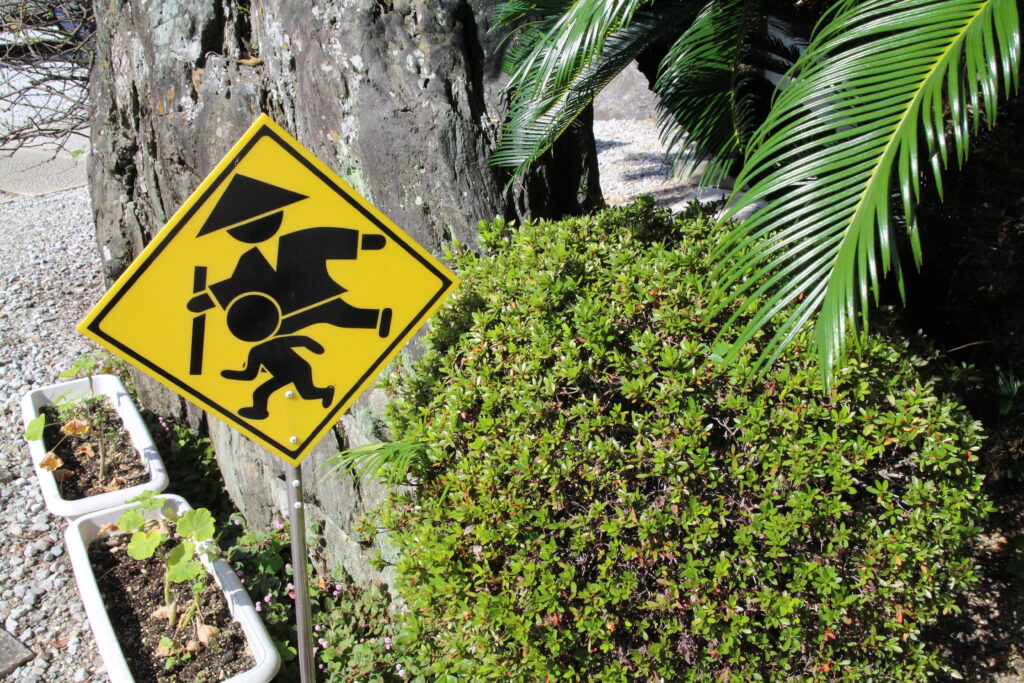
Walking the full 1,200 km pilgrimage takes most people 40–50 days. About 80% of the route follows paved roads, and the remaining 20% includes mountain trails and rural paths. Some pilgrims combine walking with public transport or cycling, shortening the journey to around 30 days.
Since WWII, most pilgrims complete the Henro by tour bus or private car, a style that allows more time for prayer and reflection at each temple and takes around 14 days.
Shikoku Tours offers fully customizable itineraries — from the full circuit by private car, bicycle, or on foot, to pilgrimages that focus on one region at a time. However long you have, we’ll design a journey that brings you closer to the heart of Shikoku.
Where will I stay?
Pilgrims can choose from simple guesthouses (minshuku), traditional inns (ryokan), modern hotels, or temple lodgings (shukubō). Walking pilgrims will find accommodations spaced at reasonable intervals, while those travelling by car or bicycle have greater flexibility.
With Shikoku Tours, you won’t need to worry about where to stay. We hand-pick lodgings that are pilgrim-friendly, comfortable, and serve delicious meals made from fresh local ingredients. Whether you prefer simplicity or a touch of luxury at an onsen ryokan, we’ll match your preferences — so each evening feels like a reward for your day’s journey.
How do I transfer luggage?
One of the biggest advantages of booking with Shikoku Tours is that all of our tours — including walking ones — include a private support car. This means you don’t need to worry about luggage transfer services or carrying a heavy pack. Your belongings travel with you, giving you the freedom to walk, cycle, or explore the temples with just a light daypack.
We take care of the logistics so you can focus on what really matters — the journey itself.
When is the best time to do the pilgrimage?
Spring (March–May) and autumn (September–November) are the most popular seasons. You’ll enjoy mild weather, cherry blossoms in spring, or brilliant foliage in autumn — perfect for walking and sightseeing.
But don’t overlook winter! Though Shikoku winters are mild, the pilgrimage route is wonderfully quiet in the colder months, offering crisp air, clear views, and the chance to experience the sacred sites in peaceful solitude. The light dusting of snow on temple rooftops and mountainsides adds a touch of magic. For pilgrims seeking a deeply personal, reflective experience, winter can be the most rewarding season of all.
No matter when you choose to travel, Shikoku Tours will create an itinerary that makes the most of the season and matches your vision for the journey.
Do I have to complete all 88 temples at once?
Not at all! Many pilgrims complete the pilgrimage over multiple trips, doing one region or section at a time. This is a respected tradition and a great way to explore Shikoku in depth over several visits.
Shikoku Tours specializes in creating flexible itineraries — whether you want to walk, cycle, or travel by car, and whether you have a few days or several weeks. We’ll help you craft a meaningful pilgrimage that fits your life and goals.
Do I have to be Buddhist to participate?
No. The Henro is open to all. Japanese spirituality emphasizes action over belief — many pilgrims don’t identify as Buddhist at the start or end of their journey. You’ll meet people from all backgrounds and beliefs along the way.
Whether you want to follow the chanting rituals or simply take in the sacred atmosphere in your own way, Shikoku Tours will support you. Our experienced guides can help you understand the customs, deepen your connection to the sites, and get the most from your pilgrimage — whatever your spiritual path.
Ready to begin your journey?
Contact us today to start planning your Shikoku Pilgrimage. Whether you’re seeking quiet reflection, spiritual discovery, or an unforgettable adventure, we’re here to help you make it happen — with care, expertise, and a deep love for this special island.