In the mountains and valleys of Shikoku, centuries-old traditions are the lifeblood of many small communities. In a country steeped in Shinto tradition, festivals to honor the many Kami of Japan take place every year. When most people think of these traditions, images of calm tea ceremony, quiet pilgrimages, and peaceful festivals come to mind. But in the City of Saijo, Ehime, there is only one way to pray to the god of the harvest: a three-day-long block party featuring booze, 2-ton portable shrines, and drums that can be heard across the city.
This article is supervised by Tehya, a historian specializing in Japanese history who has lived in the Ehime area for over 10 years — long enough to have experienced the sheer intensity of Saijo’s festival season firsthand.
The Pulse of Tradition in the Valleys of Shikoku
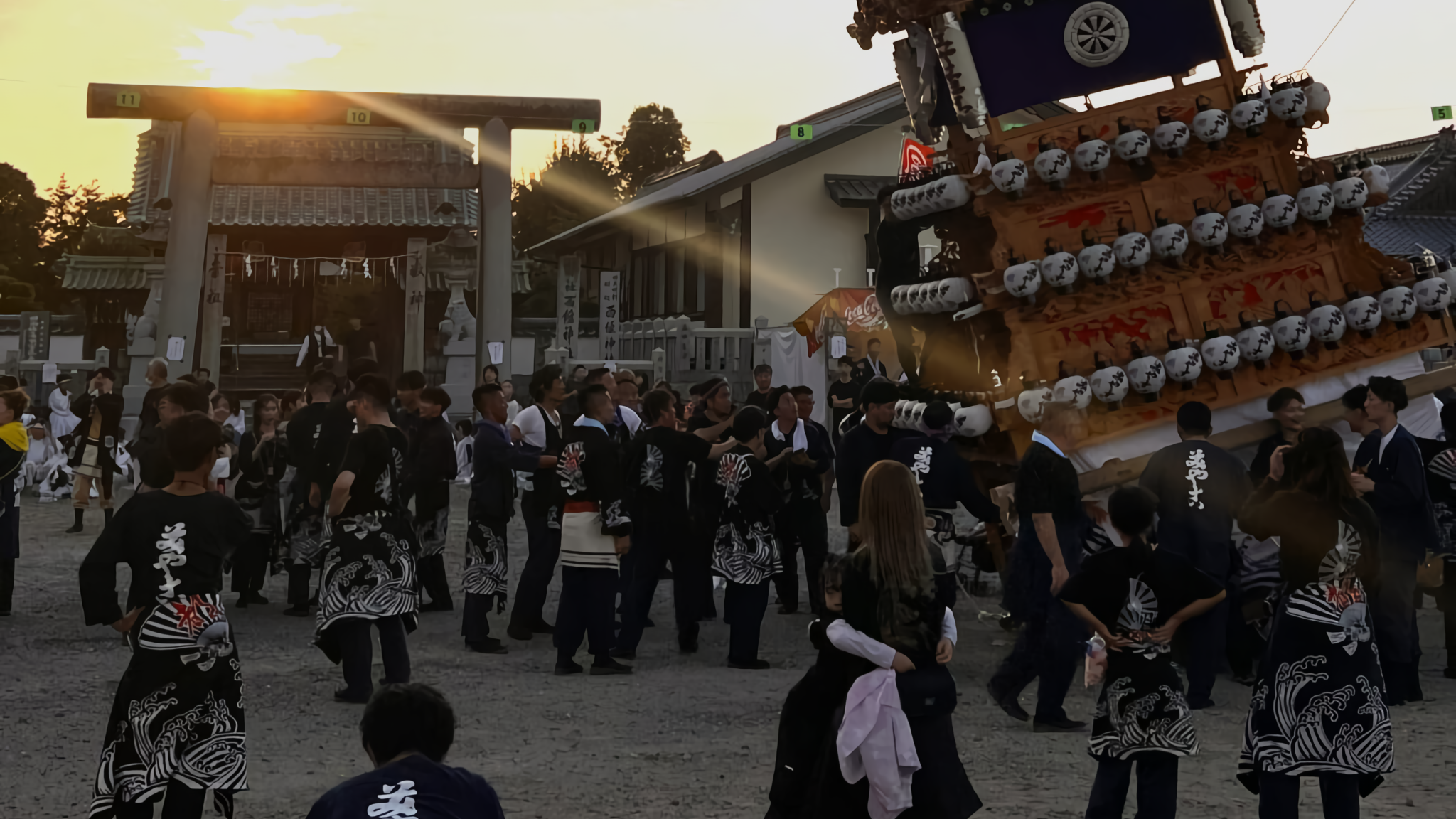
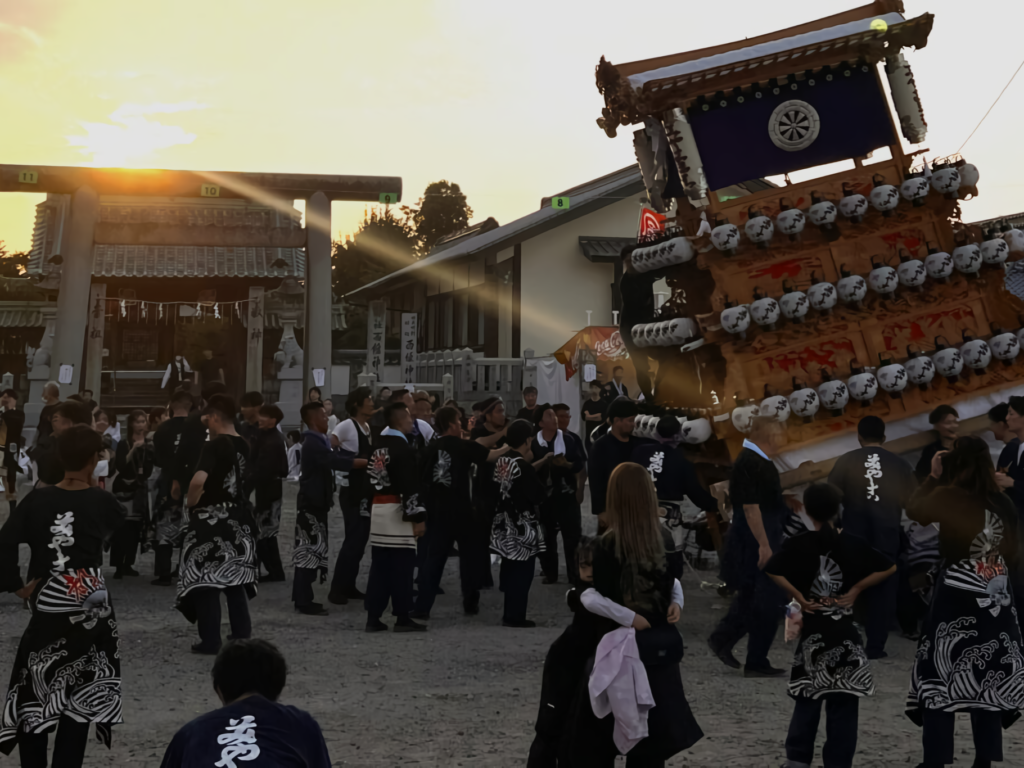
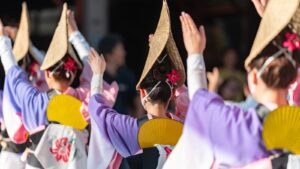
Each October, over 150 portable shrines, known as Danjiri, are pulled around the city by teams of men. Inside each Danjiri, a god is believed to be housed. The participants spend three days walking around their respective neighborhoods, playing traditional taiko drums and chanting, making as much noise as possible. But why the noise and fanfare!? Unlike in many Western religions, where prayers should be silent and done solemnly, the louder you are during the Saijo Matsuyuri, the more pleased the kami will be. Showing your enthusiasm is a must, and many of these men spend the full three days without much sleep to show their dedication.
Drinking sake is also an important part of the festival. Sake, traditional Japanese rice wine, is believed by many to be a way to connect with the gods. At many Shinto shrines, you will see barrels and barrels os sake lined up as offerings to the various Kami, so drinking is a great way to honor them!
A Ghibli-esque Lantern Display and the Thrilling River Crossing
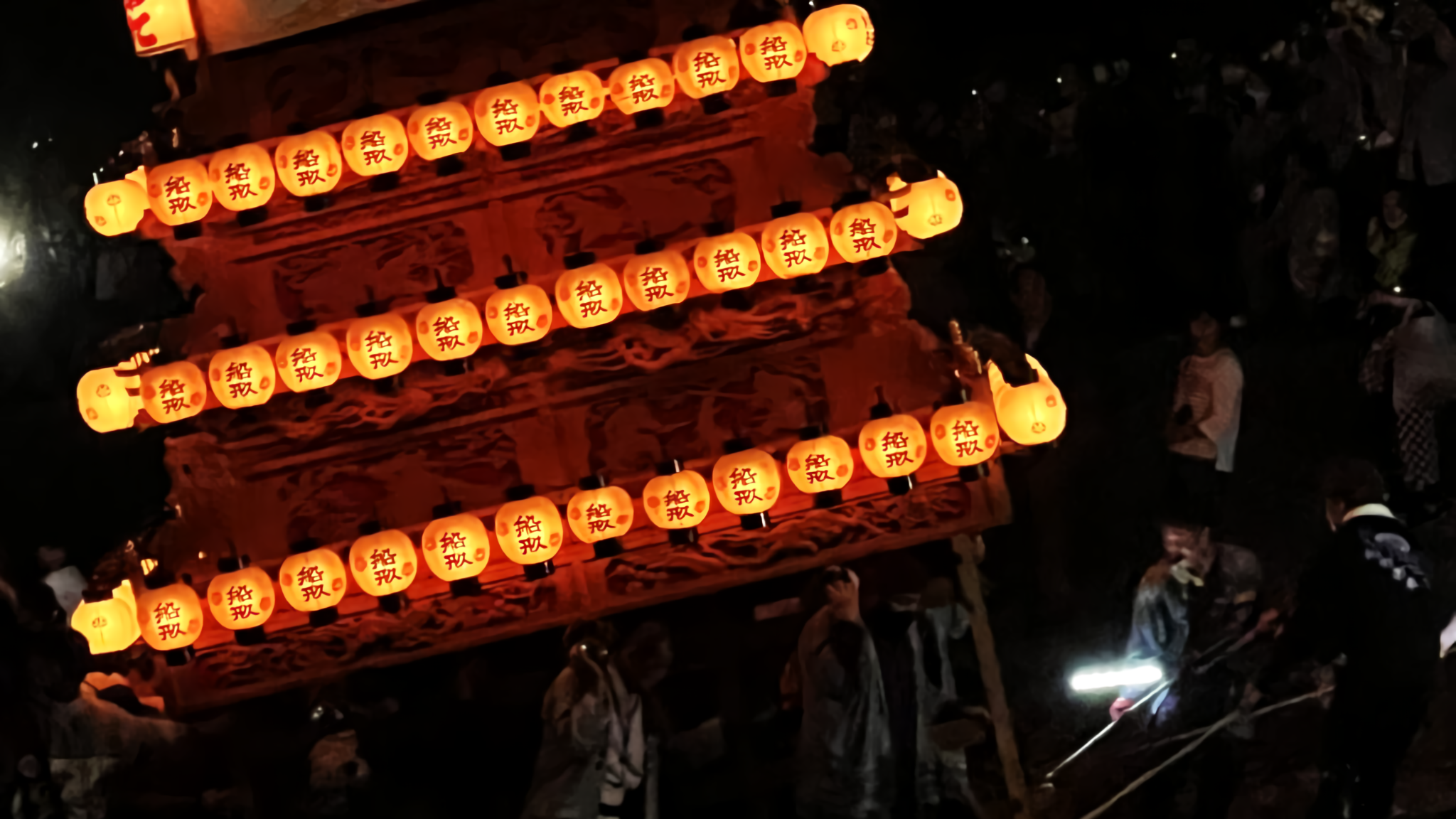
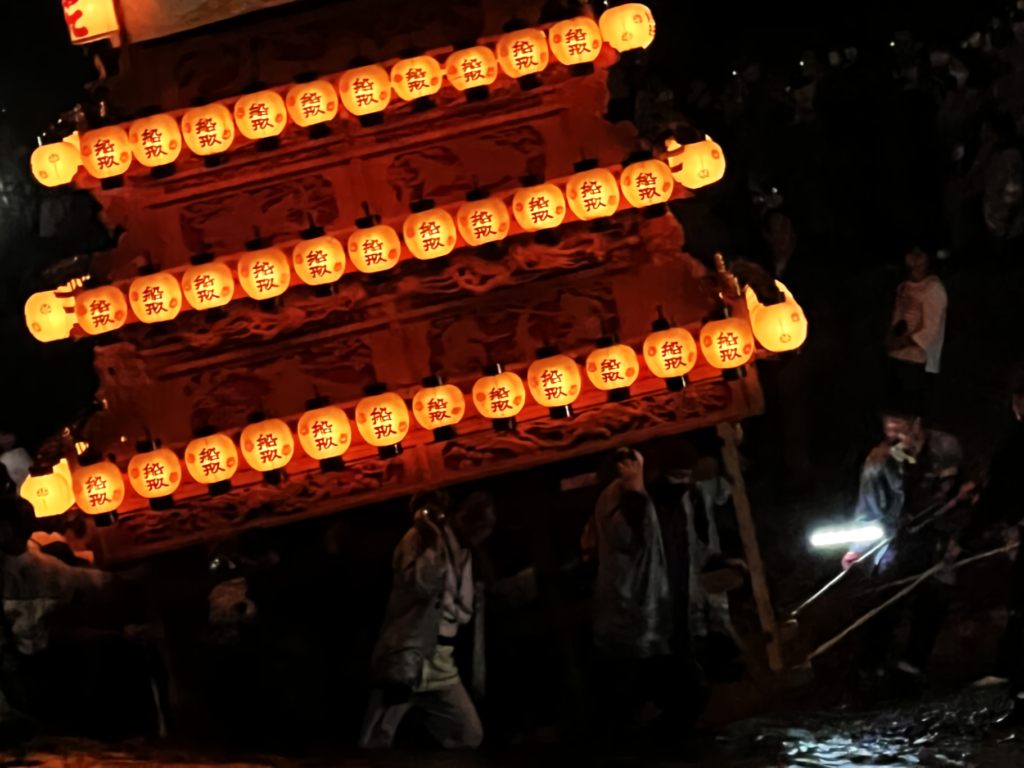
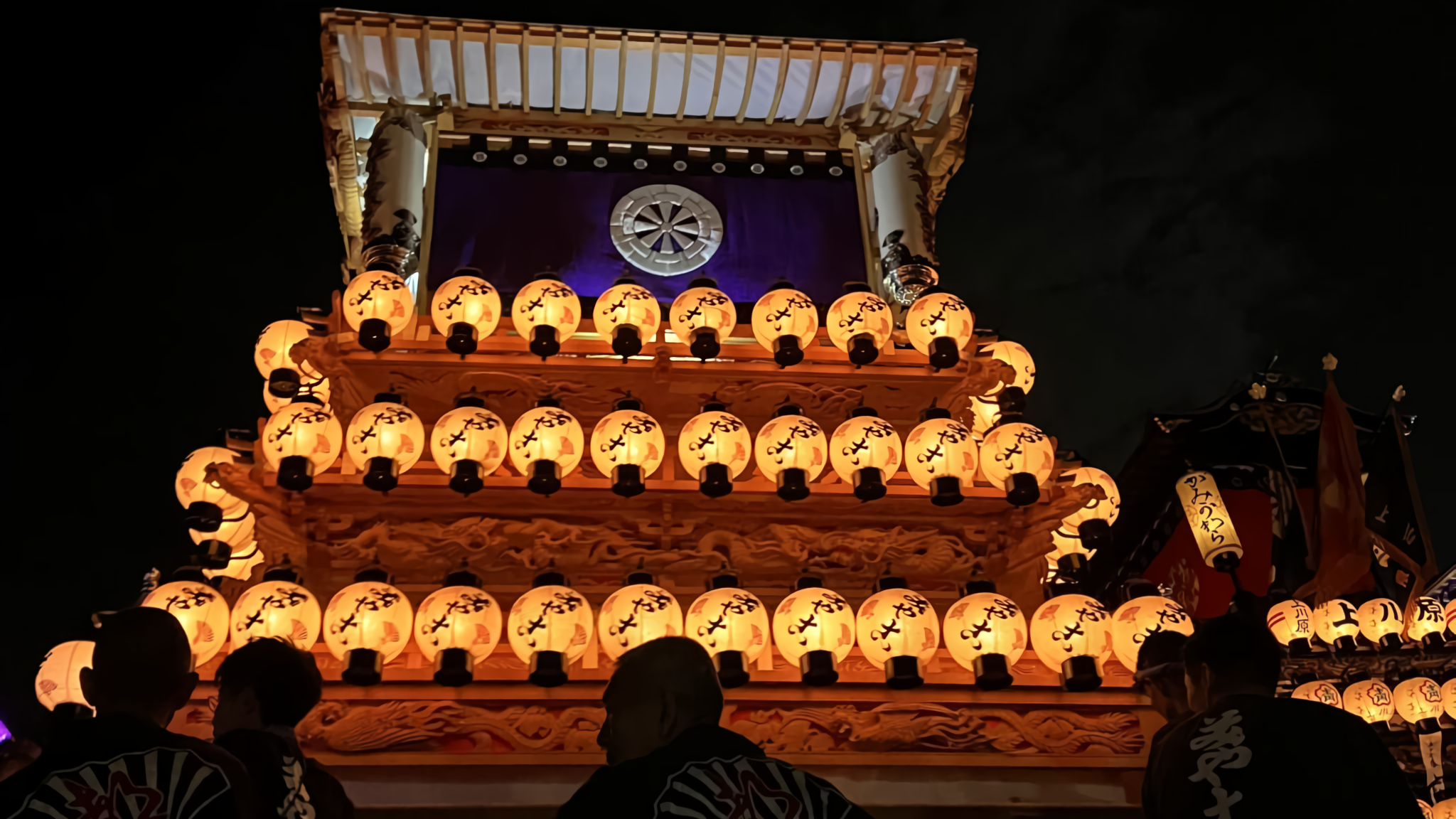
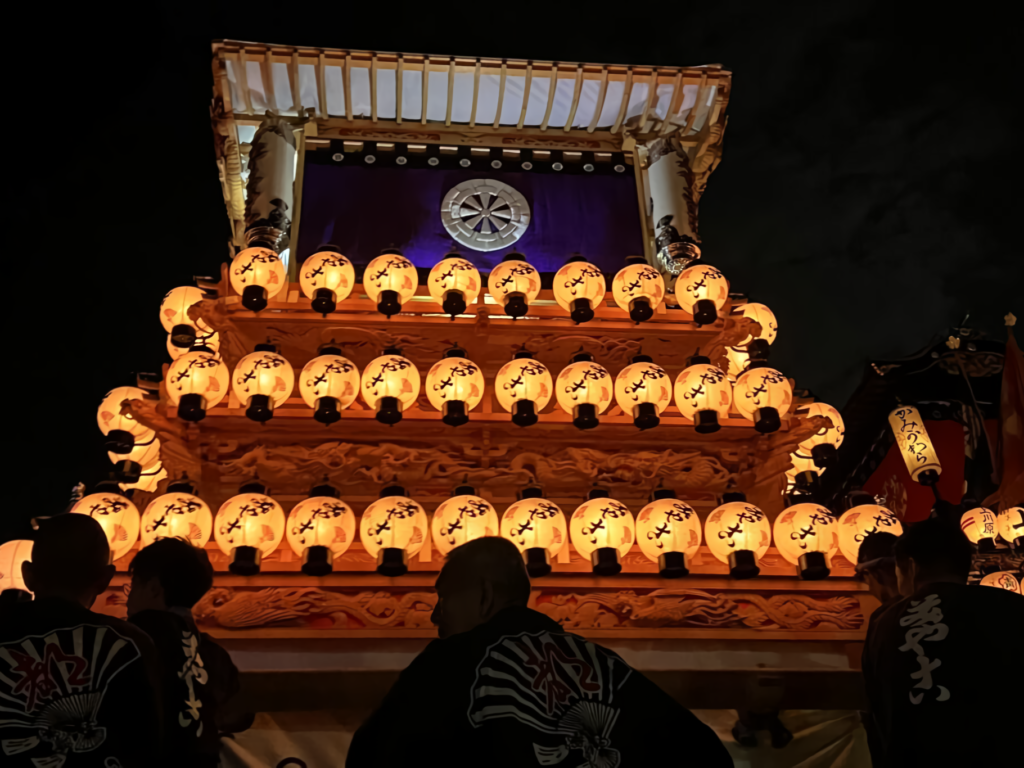
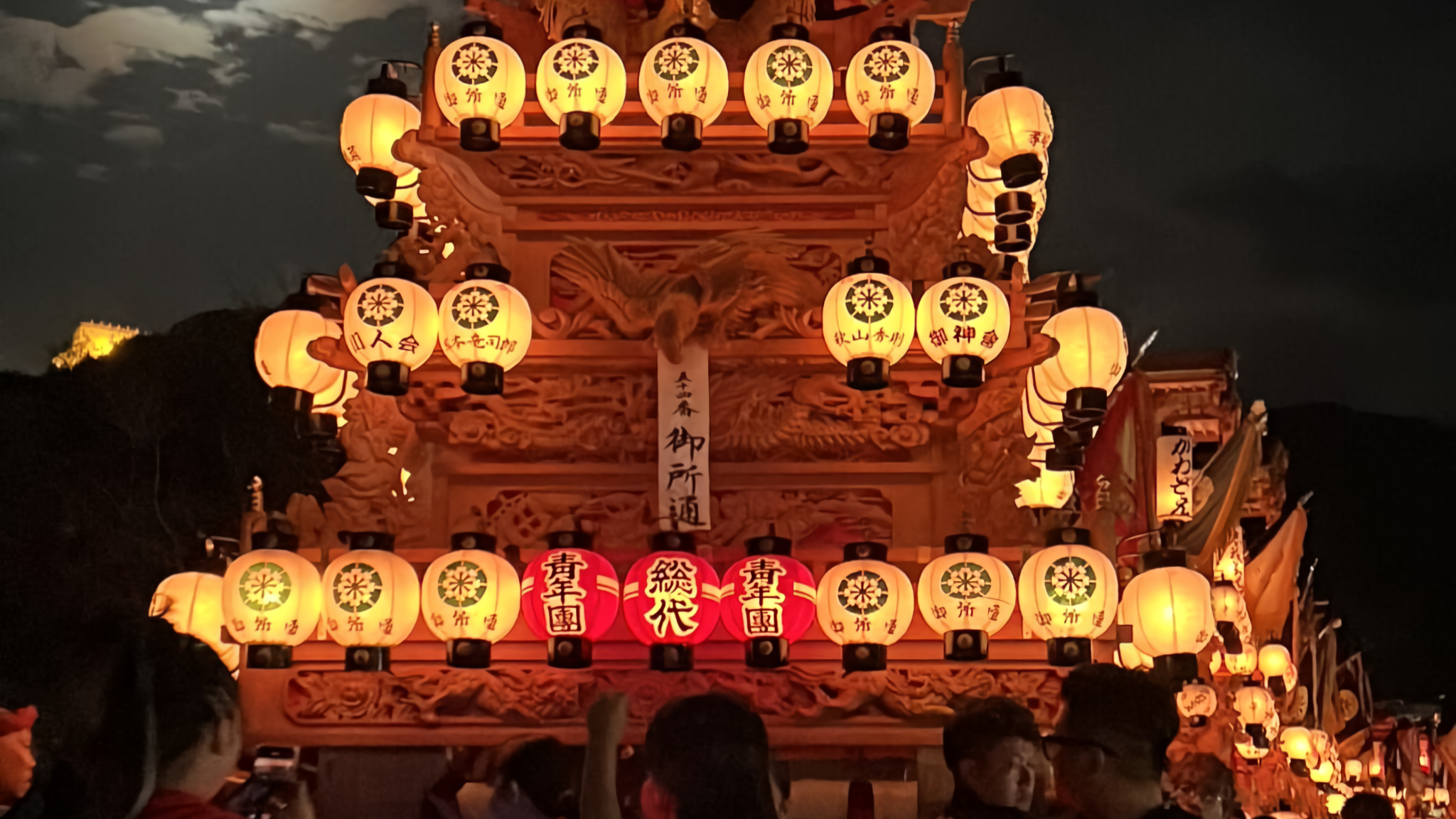
After three days of nearly nonstop celebration, the festival culminates in a breathtaking display on the banks of the Kamogawa River. The 150-plus massive danjiri are affixed with hundreds of paper lanters, turning them into something straight out of a Ghibli movie. They line both sides of the river, anxiously awaiting the call to plunge into the freezing water for their final act of devotion. When night finally falls, and the whistle is blown, dozens of Danjiri rush into the river, pushing and shoving their way, battling to cross to the opposite side. The atmosphere is tense but electric as the sound of the drums mixes with the shouts of men and the cheers of onlookers.
Finally, a lone firework is set off over the nearby mountain, signaling the end of the festival. The silence is almost immediate and incredibly jarring after 72 hours of nonstop noise. The Danjiri walk back to their homes to wait for next year’s festivities.
300 Years of Resilience: Join the History in Saijo, Ehime!
The tradition of the Saijo began some 300 years ago, but the origins are unclear. Some say a priest, upon returning from Osaka, suggested they be built, but it’s unclear. What is clear, however, is that the community, through war, pandemics, and three centuries of change, has kept the tradition going. If you’d like to see this festival in action and be a part of history, please consider visiting Saijo!

■Role:
Shikoku Tours Social Media Manager & Historian specializing in Japanese History
■Experience:
10 years of living in Japan, specifically in the Ehime area. I also have 8 years of experience in social media content creation, specifically in the areas of niche travel and History.
Hello! I’m Tehya, a historian with a passion for social media and using it as a tool for education. My goal is to help people discover the amazing and historical places Shikoku has to offer!
■Role:
Shikoku Tours Social Media Manager & Historian specializing in Japanese History
■Experience:
10 years of living in Japan, specifically in the Ehime area. I also have 8 years of experience in social media content creation, specifically in the areas of niche travel and History.
Hello! I’m Tehya, a historian with a passion for social media and using it as a tool for education. My goal is to help people discover the amazing and historical places Shikoku has to offer!