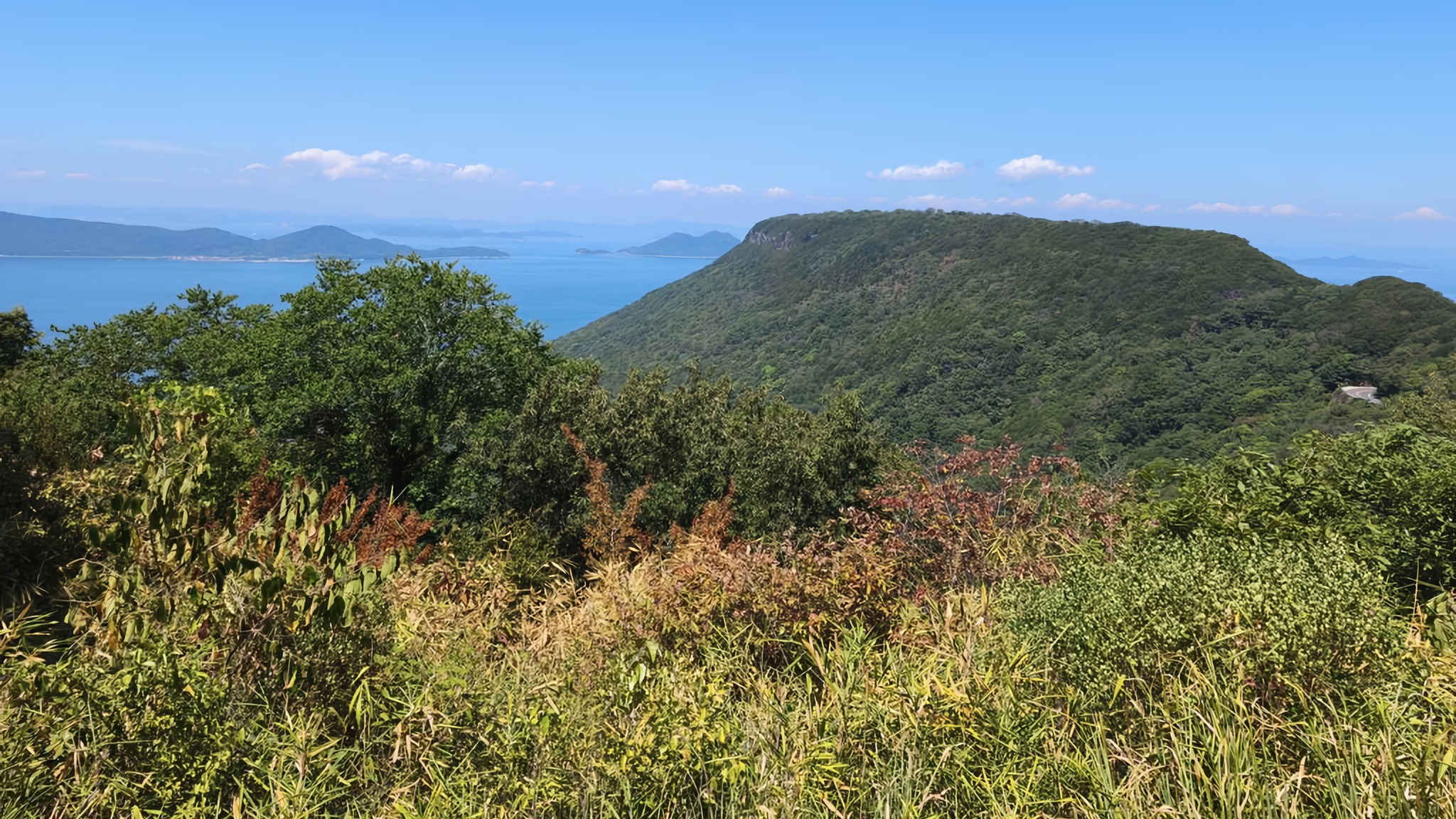
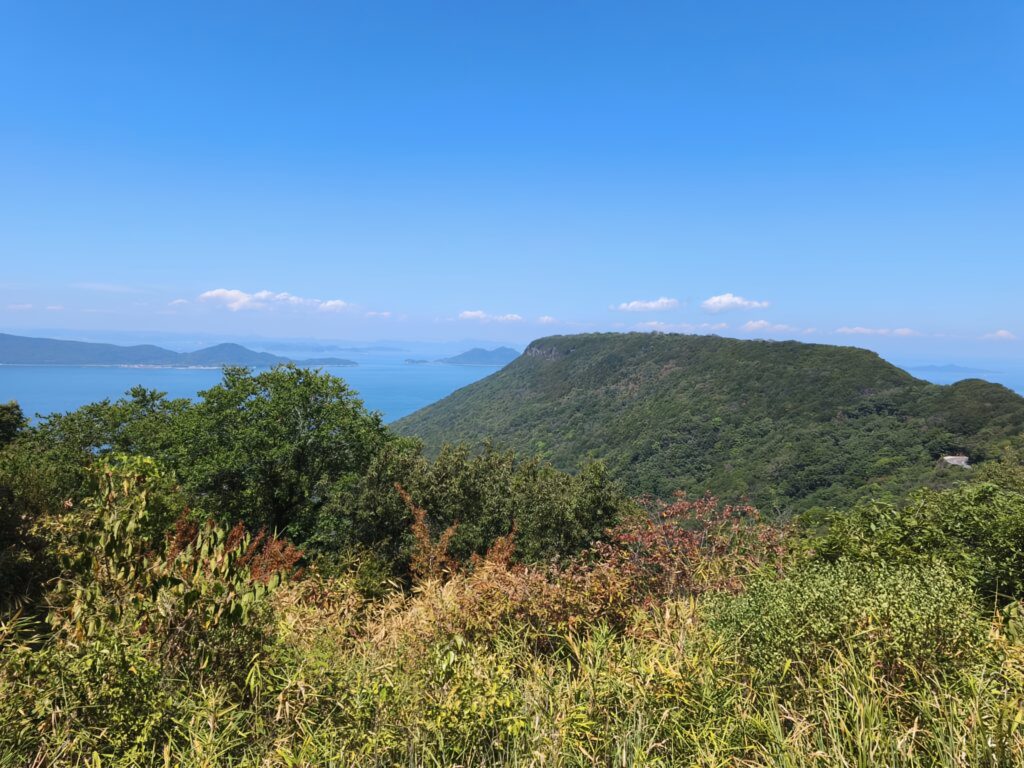
Mt. Yashima, the anvil-shaped mesa that stretches out over the horizon across in Takamatsu, is one of Shikoku’s most iconic sites. Home to one of the 88 Temples of the Shikoku Pilgrimage, samurai tales, and Kagawa’s most spectacular views, the mountain is steeped in fascinating history. Discover the magic of Takamatsu’s beloved symbol below!
Ancient Yashima: Sanuki’s Commanding Fortress

The name Yashima means “Roof-Island,” since it resembles a traditional tile roof. As its monicker suggests, in ancient times the ocean came right up to the base of the mesa. For most of history it served as the maritime gateway to the city of Takamatsu.
The mountain is first mentioned as the site of a fortress in an 8th century Japanese chronicle. In the 5th century, Japan provided troops to the losing side in a war on the Korean Peninsula. Unlucky for them, the winning side was backed by China, the undisputed powerhouse of the region. Terrified that the Chinese might invade, Japan began building fortresses along naval passageways toward the Yamato region (now the area of Kyōto). With its flat top and commanding views of the strait, Yashima was an obvious choice for these ancient island defenders.
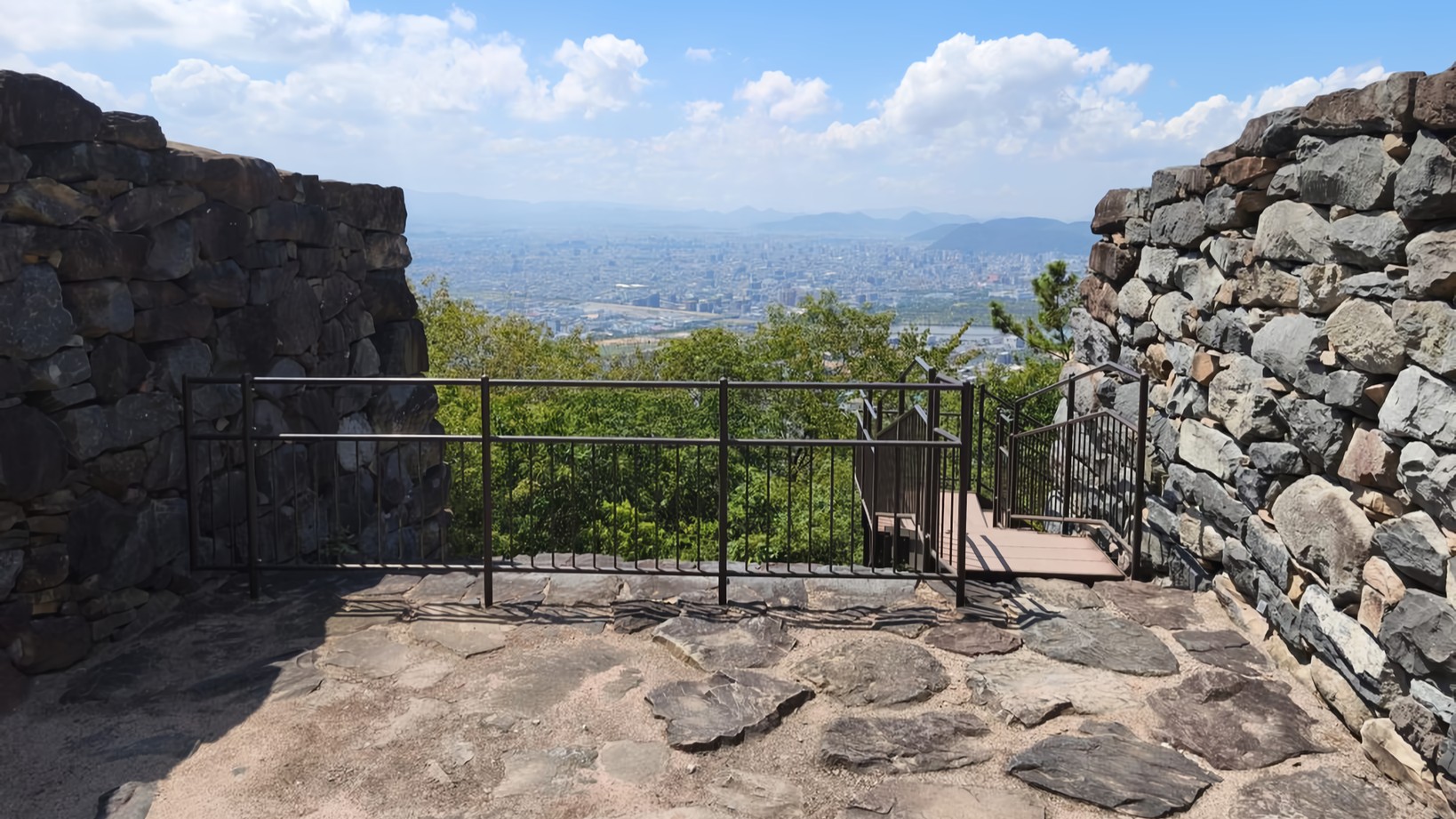
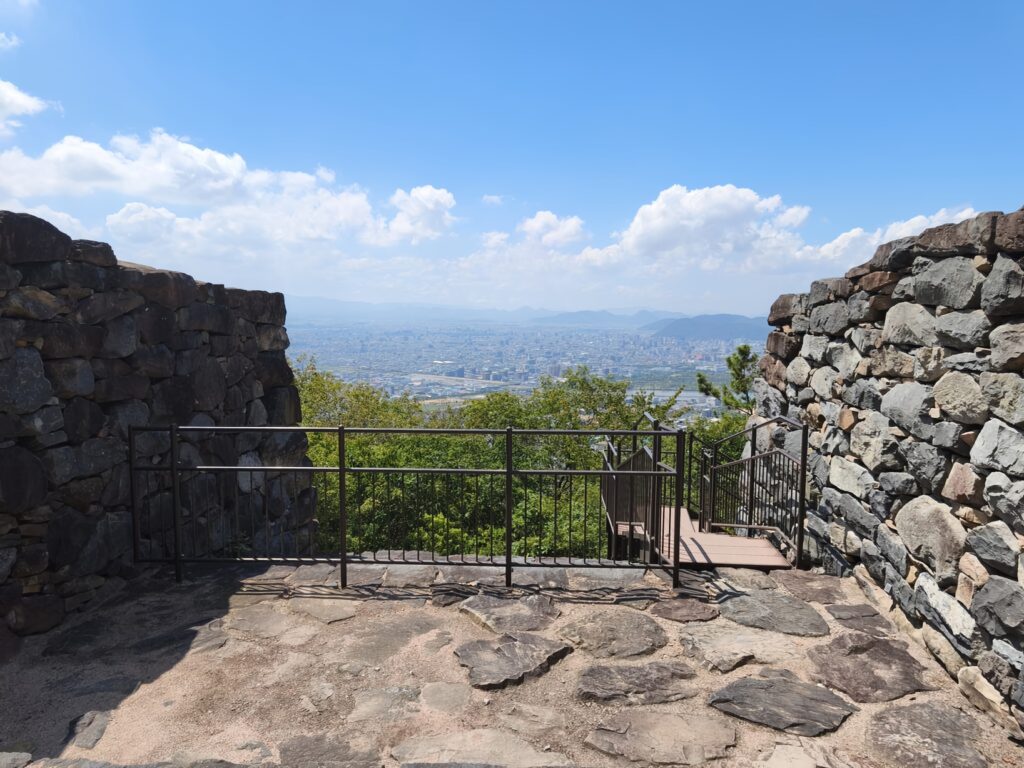
But luckily for Japan, the invasion never came, and Yashima’s strategic importance waned over time. By the middle ages, the fortress was completely forgotten. Archaeologists and researchers throughout the 20th century scoured the mountain for signs of the fortifications with no luck. Some began to suspect that the site mentioned in the ancient texts wasn’t Yashima at all.
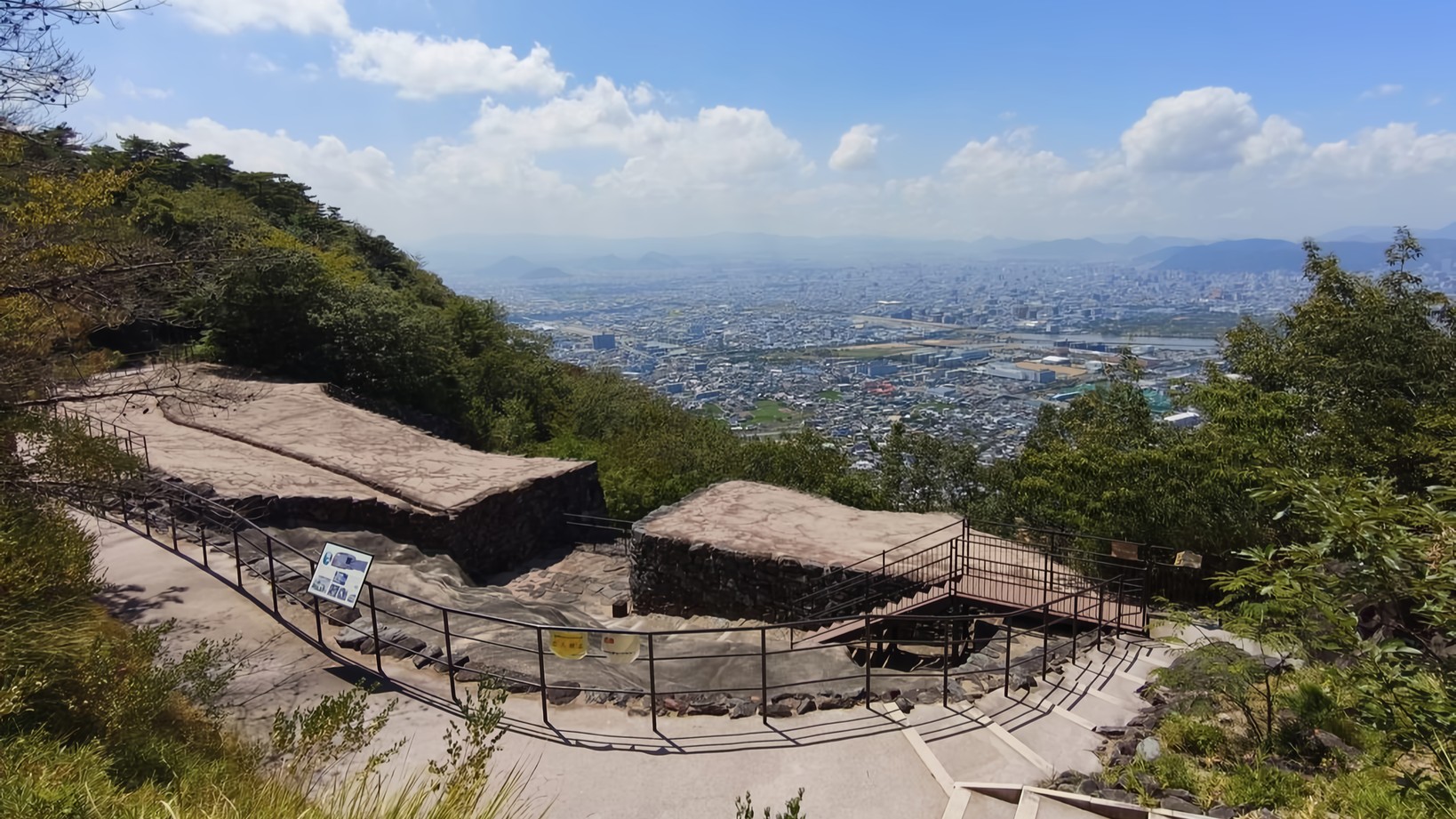
But in 1998, an archeologist named Professor Hiraoka finally discovered the fortress’s gate. From 2002 onward, government organizations expended huge effort to preserve this once-lost chapter of Yashima’s history. The gate is now accessible to visitors, a short walk from Yashima-ji Temple.
Of Buddhist Saints and Yashima’s Tanuki
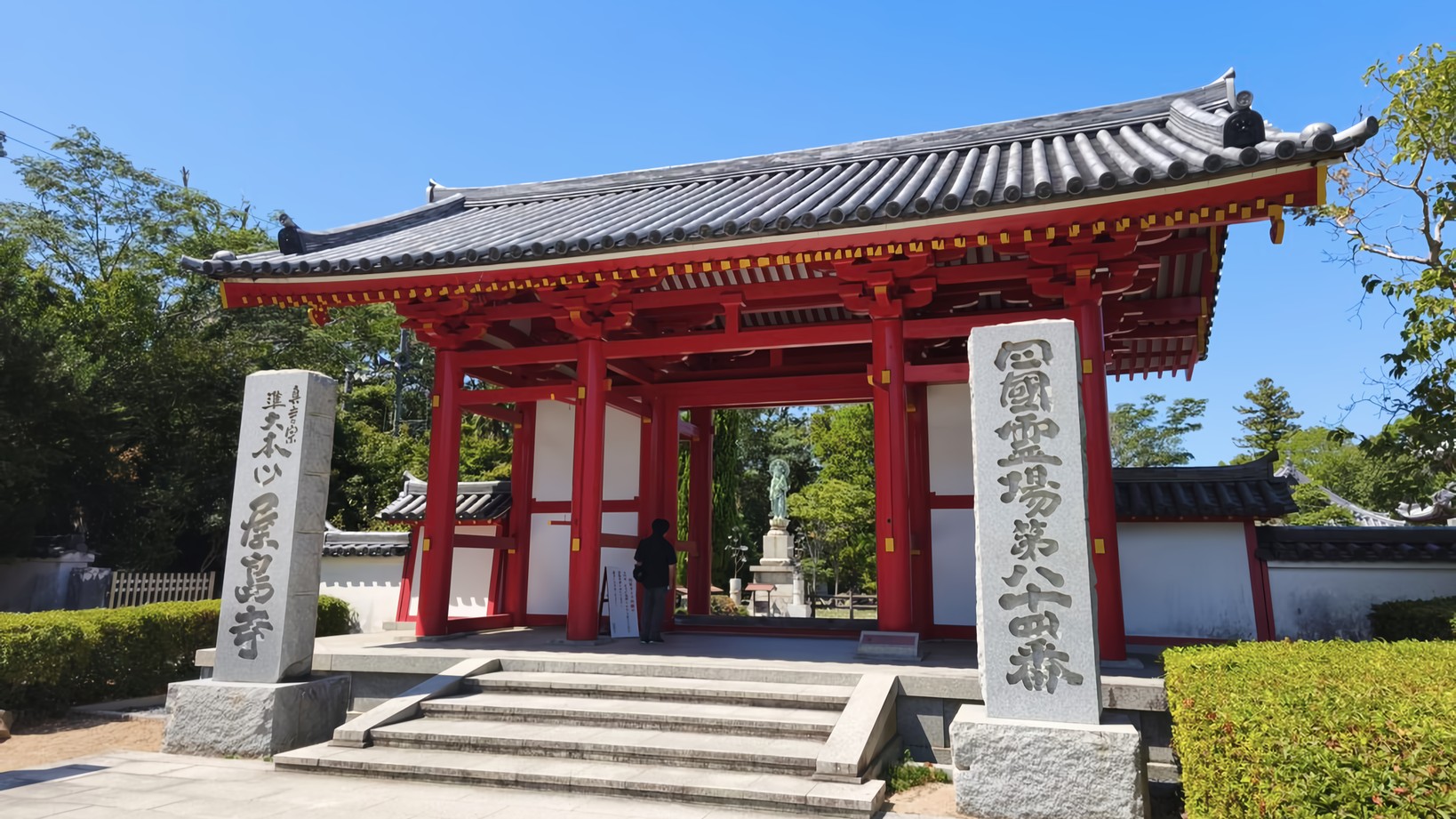
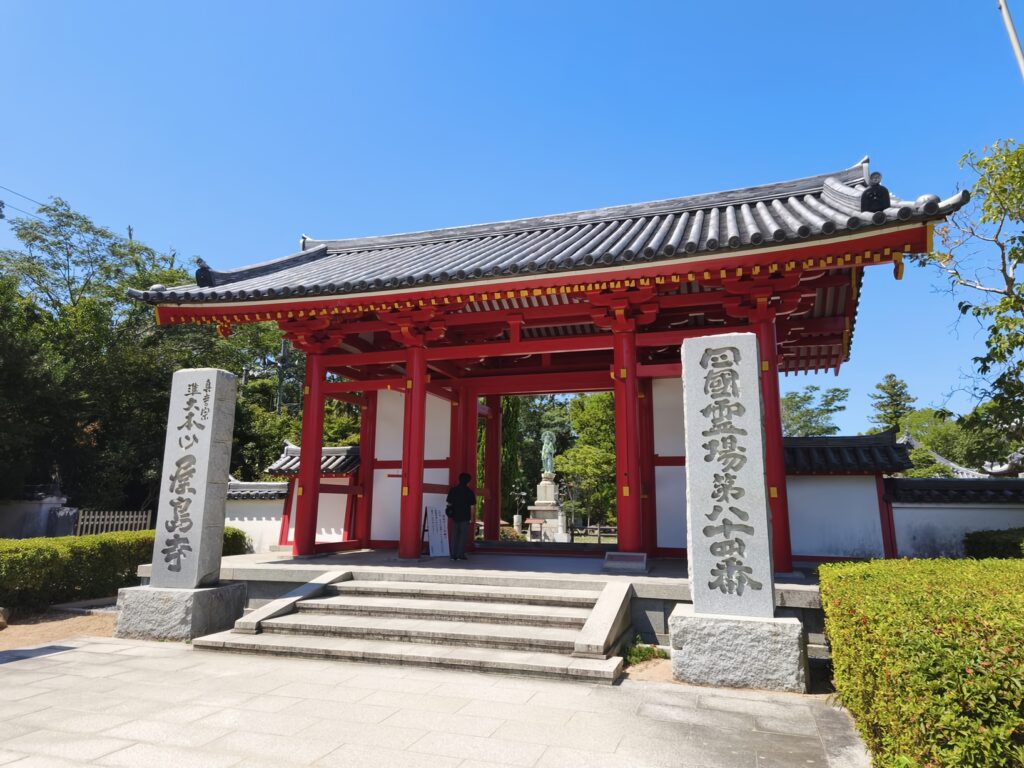
People of the Japanese archipelago have always revered mountains as sacred places, and this attitude only amped up after the arrival of Buddhism in the 6th Century. Almost every prominent and peculiar peak in the country is associated with spirituality, and Yashima is no exception.
Legend goes that in 753, a Buddhist monk from China perceived the mountain radiating holy light as he sailed toward the capital of Nara. He immediately beached his boat and built a chapel on the mountain’s northern peak.
In 815, Shikoku’s most famous monk, Kūkai, visited the mountain with orders from the Emperor to rebuild the sanctuary on the southern end of the mesa. The story goes that, as he climbed, a thick fog suddenly choked the forested cliffs. Out from the fog emerged an old man wearing a mino, a grass poncho, who guided Kūkai safely to the top. But when Kūkai turned to thank him, the man had disappeared.
Tanuki: Japan’s beloved tricksters
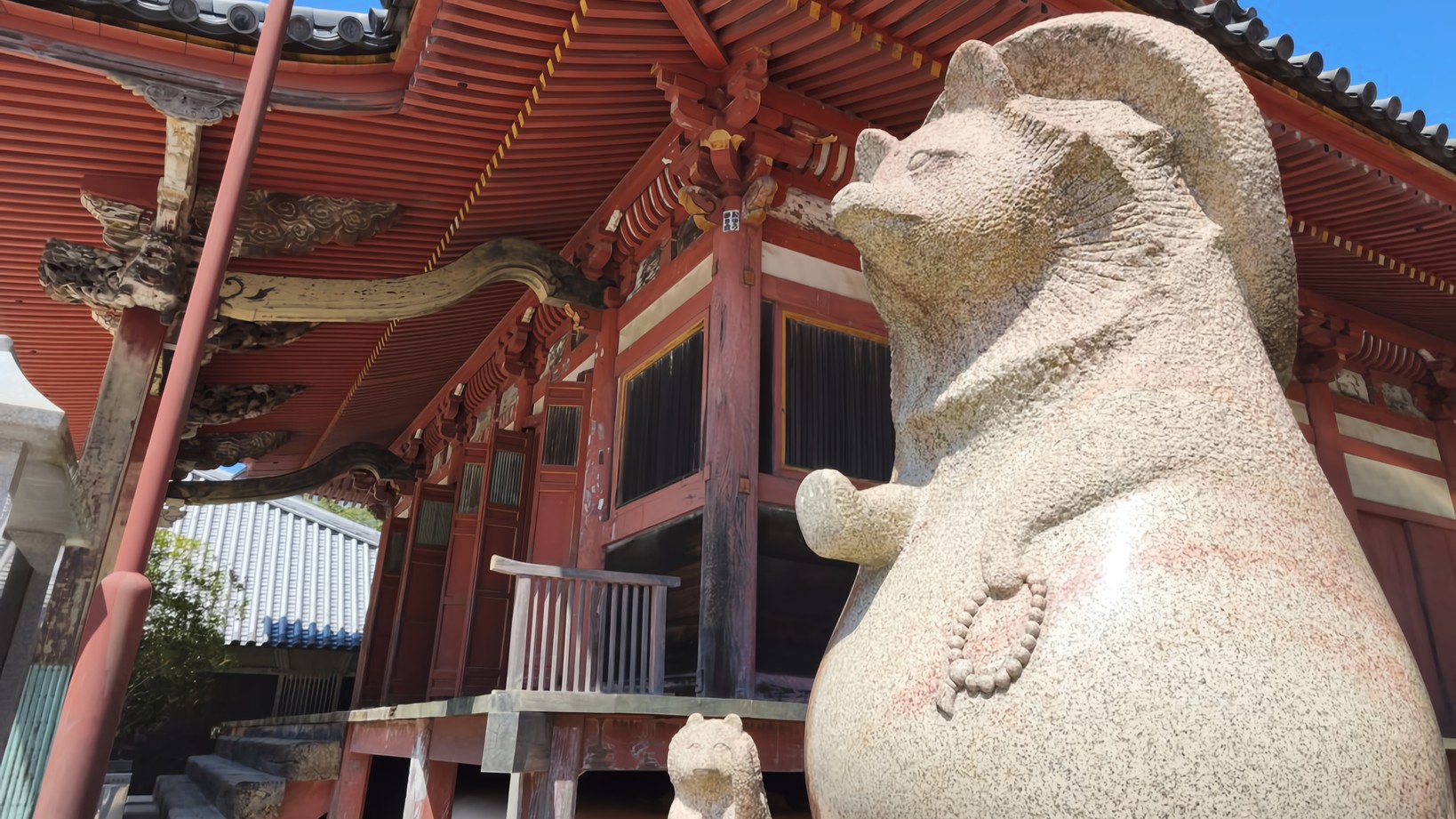
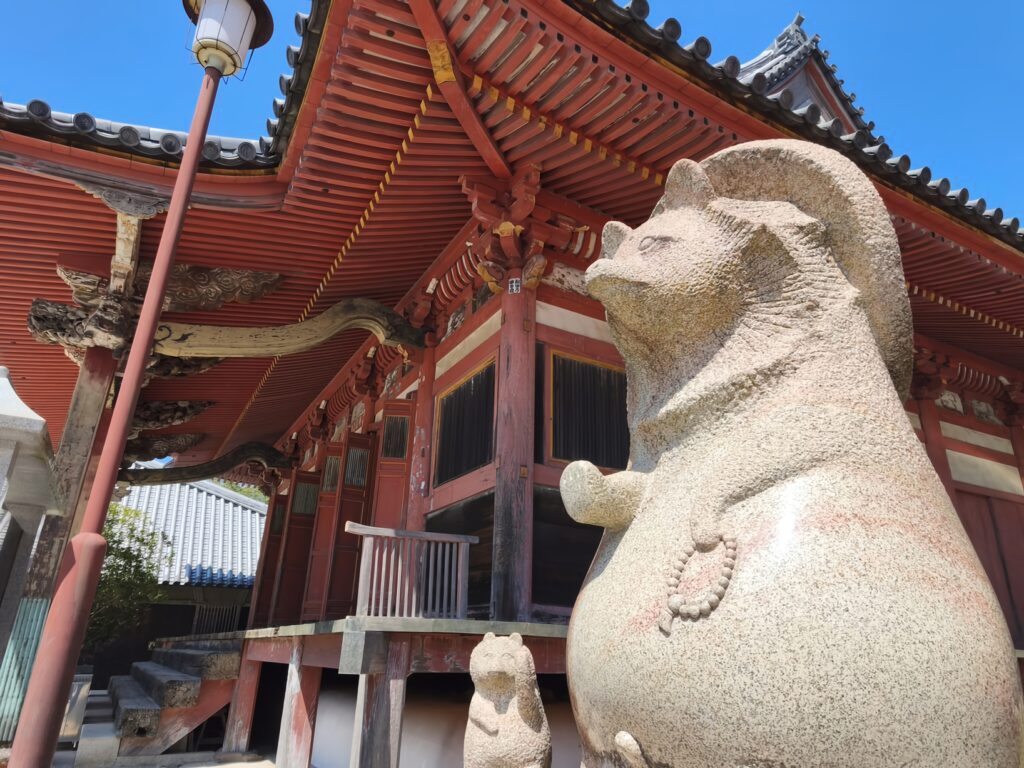
Who was this mysterious old man? According to temple legend, it was none other than Yashima Tasaburō, a the lord of Shikoku’s Tanuki.
You might have seen images of Tanuki before. They are fuzzy members of the canine family that look something like a mix of a raccoon and fox, they are adorable, goofy, and beloved. You might see them slinking shyly through forests or farmland throughout East Asia. But in Japan the creatures became known as shape-shifting tricksters. They appear in legends across the islands, sometimes as the hero and sometimes as the villain. Most often they are clumsy demi-gods with more skills than brains.
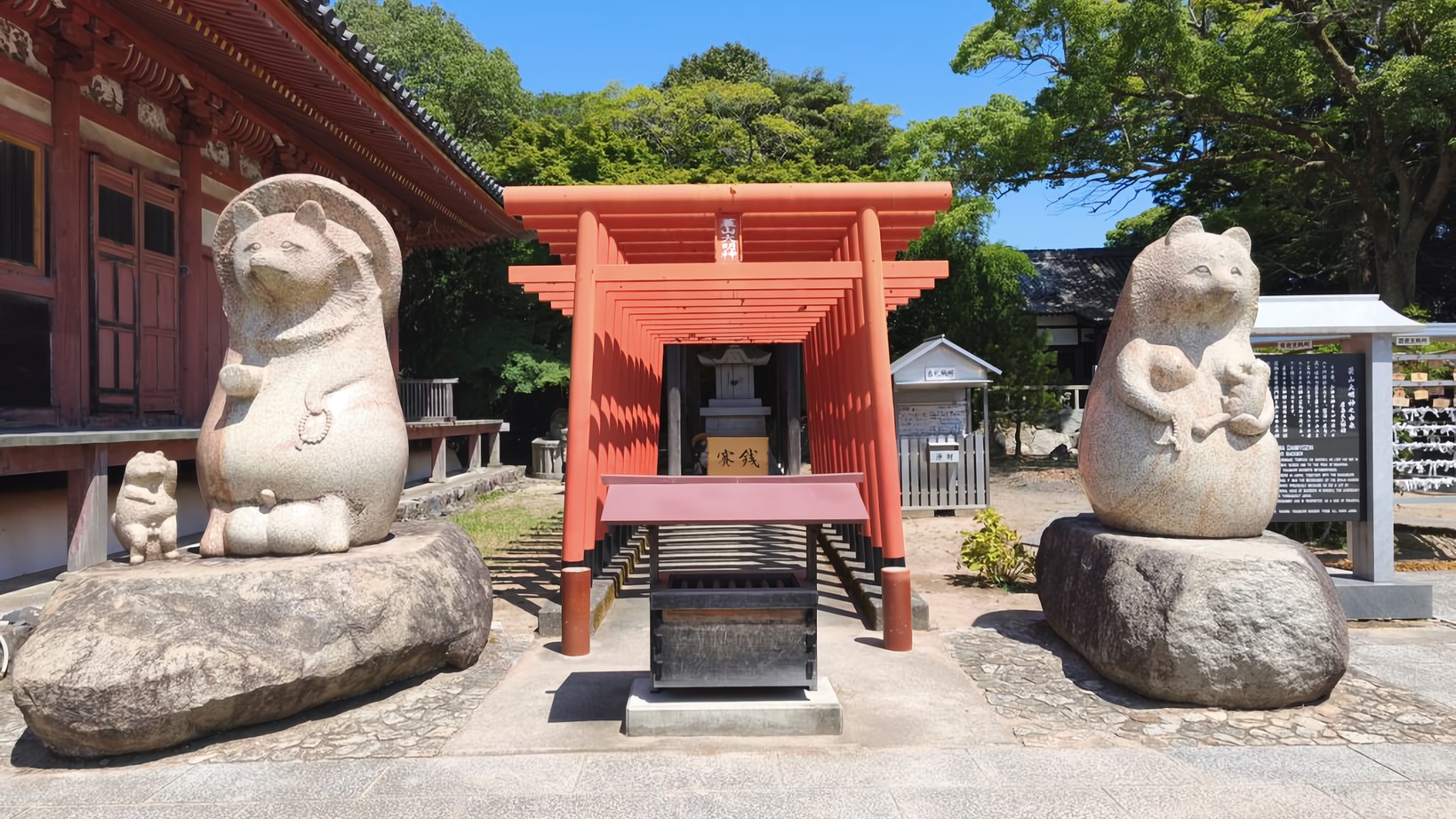
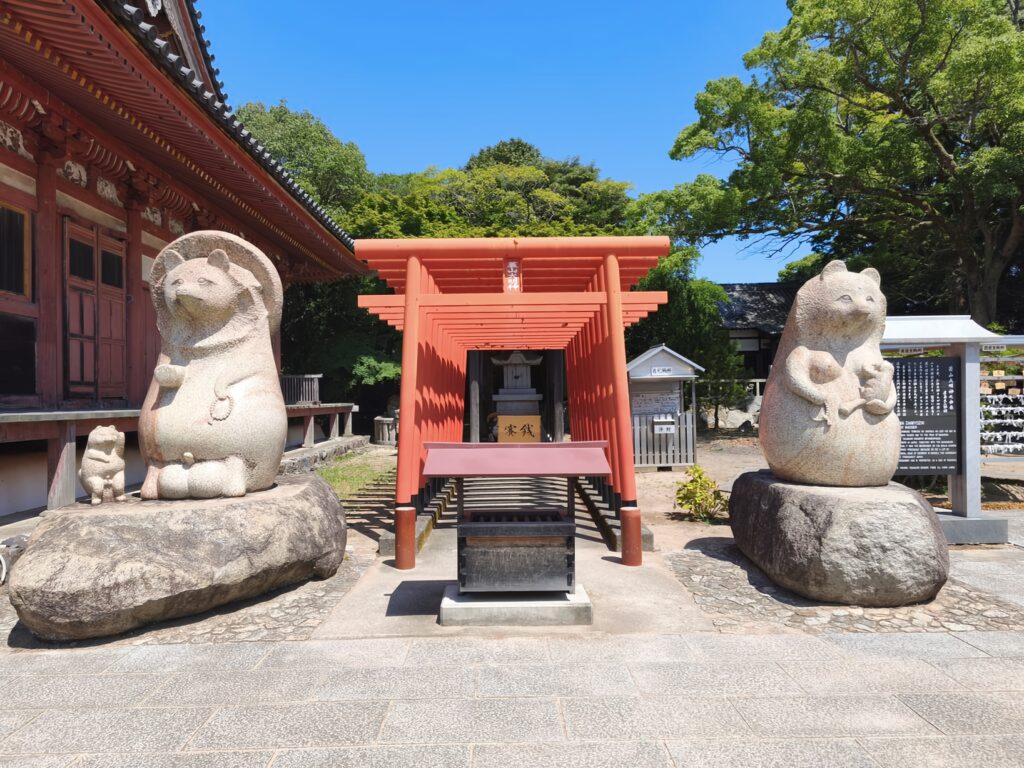
Yashima Tasaburō is said to be on the clever and helpful side of the Tanuki scale. As such, he came to be revered as a deity called Minoyama Daimyōjin. Stone statues of this Tanuki king and his family guard a small shrine to the deity on Yashima.
Kūkai and Yashima-ji
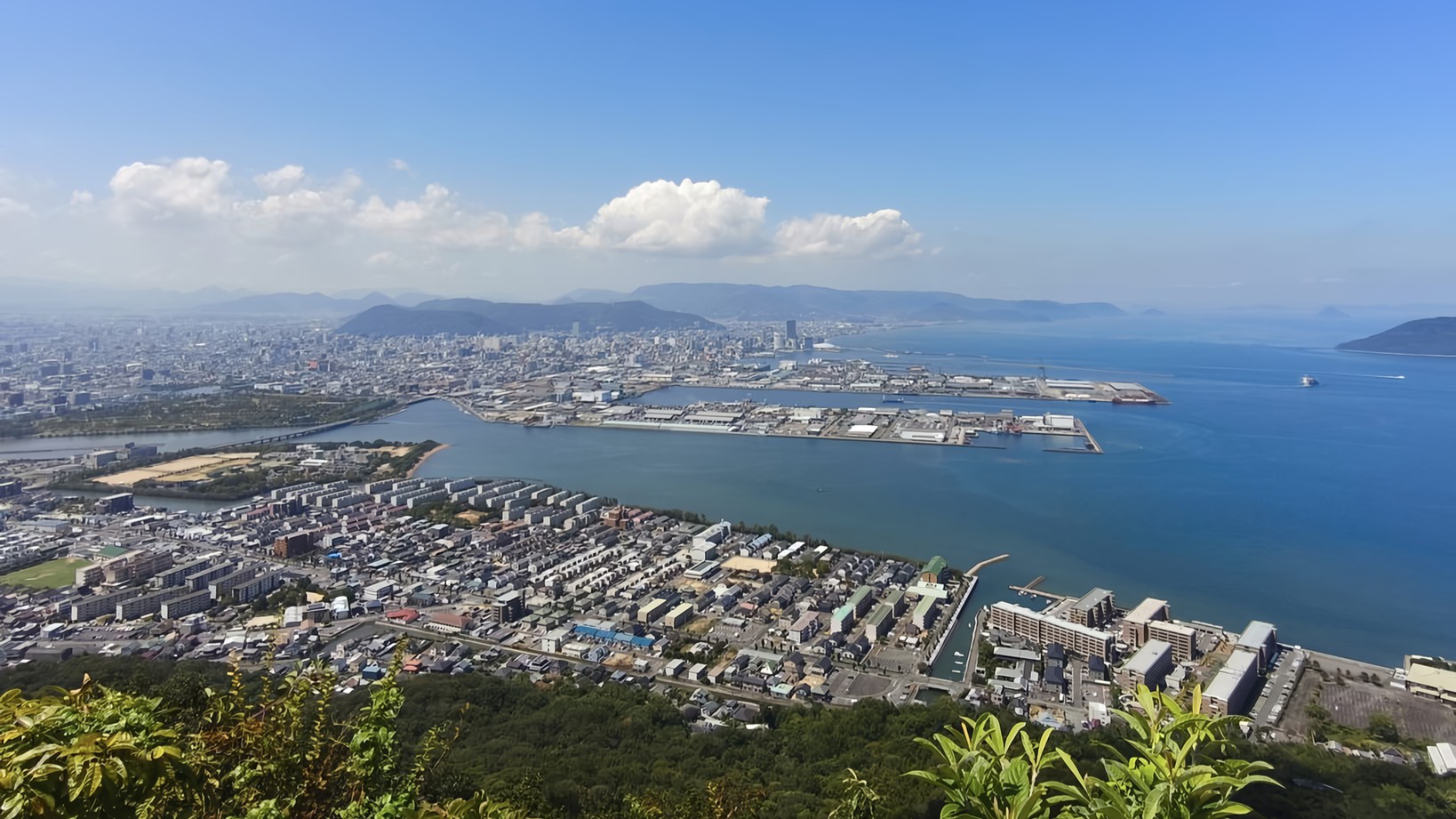
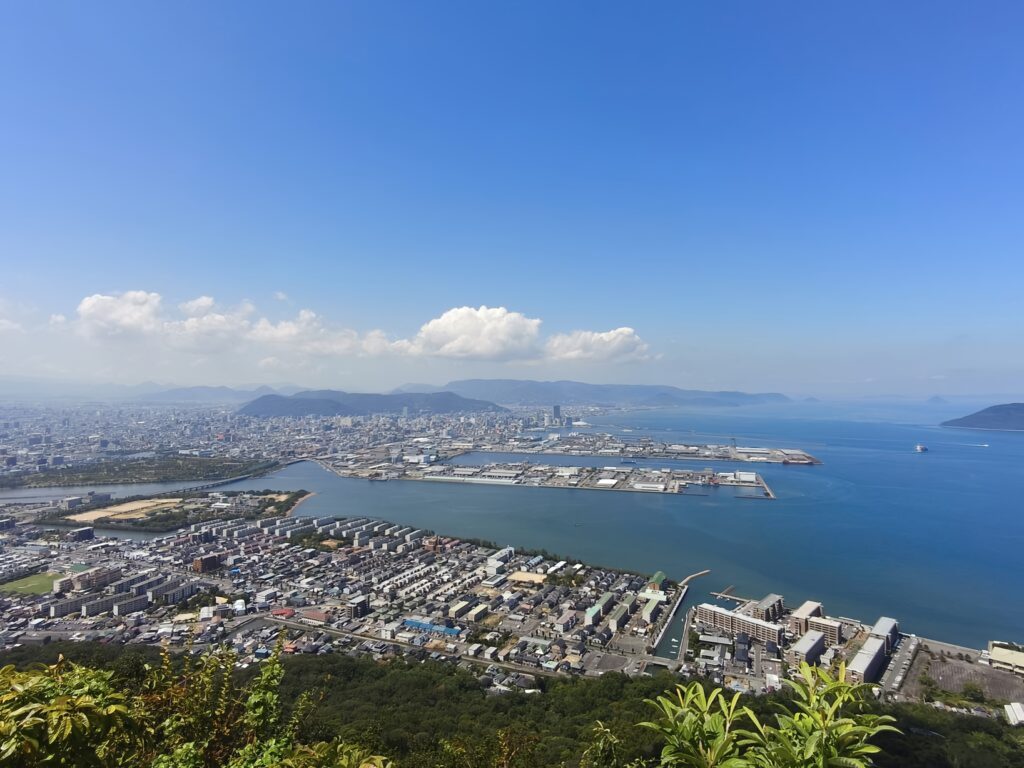
Once Kūkai got to the mountaintop, he got to work carving a new statue and rebuilding the dilapidated chapel. For anyone else this would be unthinkable as a one-man job. But Kūkai, full of mystical power from his years of meditation, had some tricks up his sleeve. When he ran out of daylight, he’d run to one of Yashima’s best lookouts, the westward facing “Lion Rock,” and stop the sun in its tracks.
Yashima’s legend is a great example of how far Kūkai’s reputation swelled over the centuries. He was born in Kagawa, so almost anywhere you go you’ll encounter superhuman legends of the saint that rival Merlin or Gandalf.
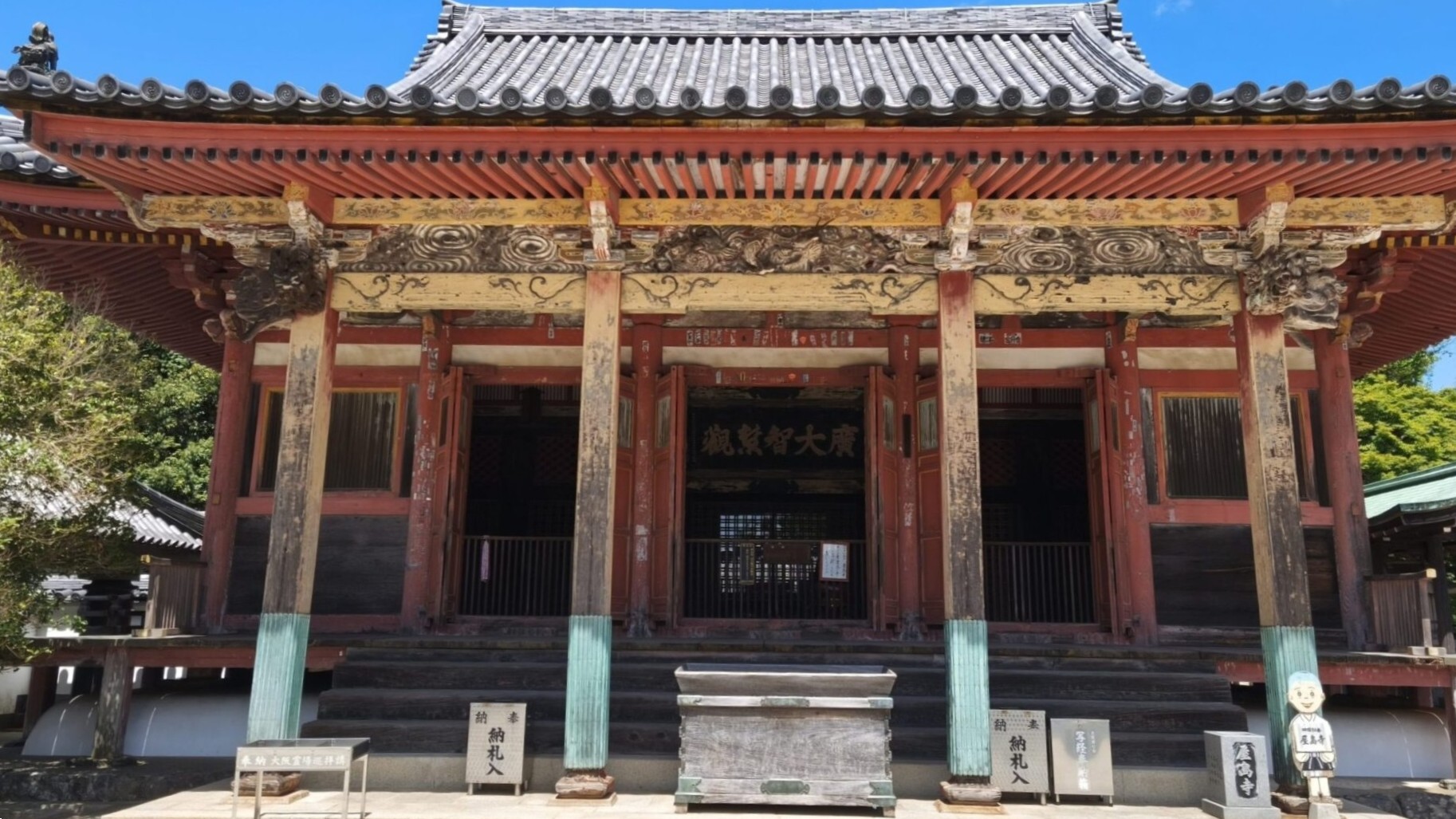
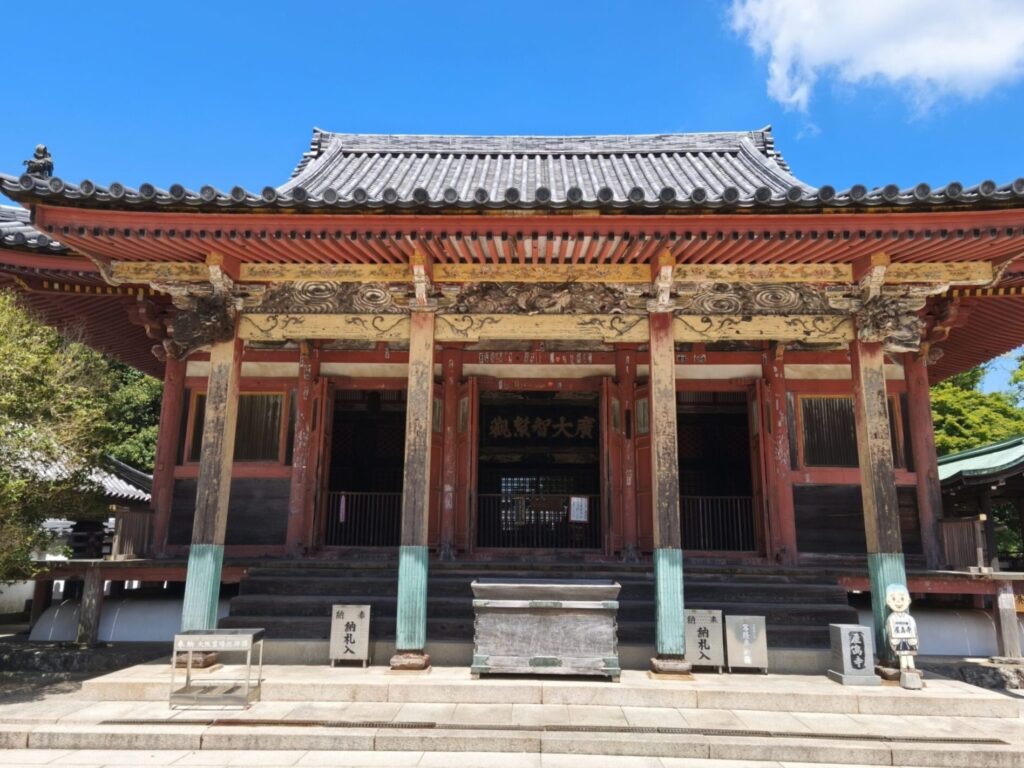
After Kūkai (or somebody) moved the temple from the north to the southern part of the mountain, its grounds swelled along with Kūkai’s legend. It’s now one of the 88 Temple Pilgrimage’s stateliest sacred sites. The statue Kūkai carved still serves as the temple’s main image, enshrined in the main hall. The hall itself dates to the 13th century, but successive renovations mean it is a mishmash of regal architectural styles from across centuries.
The Battle of Yashima
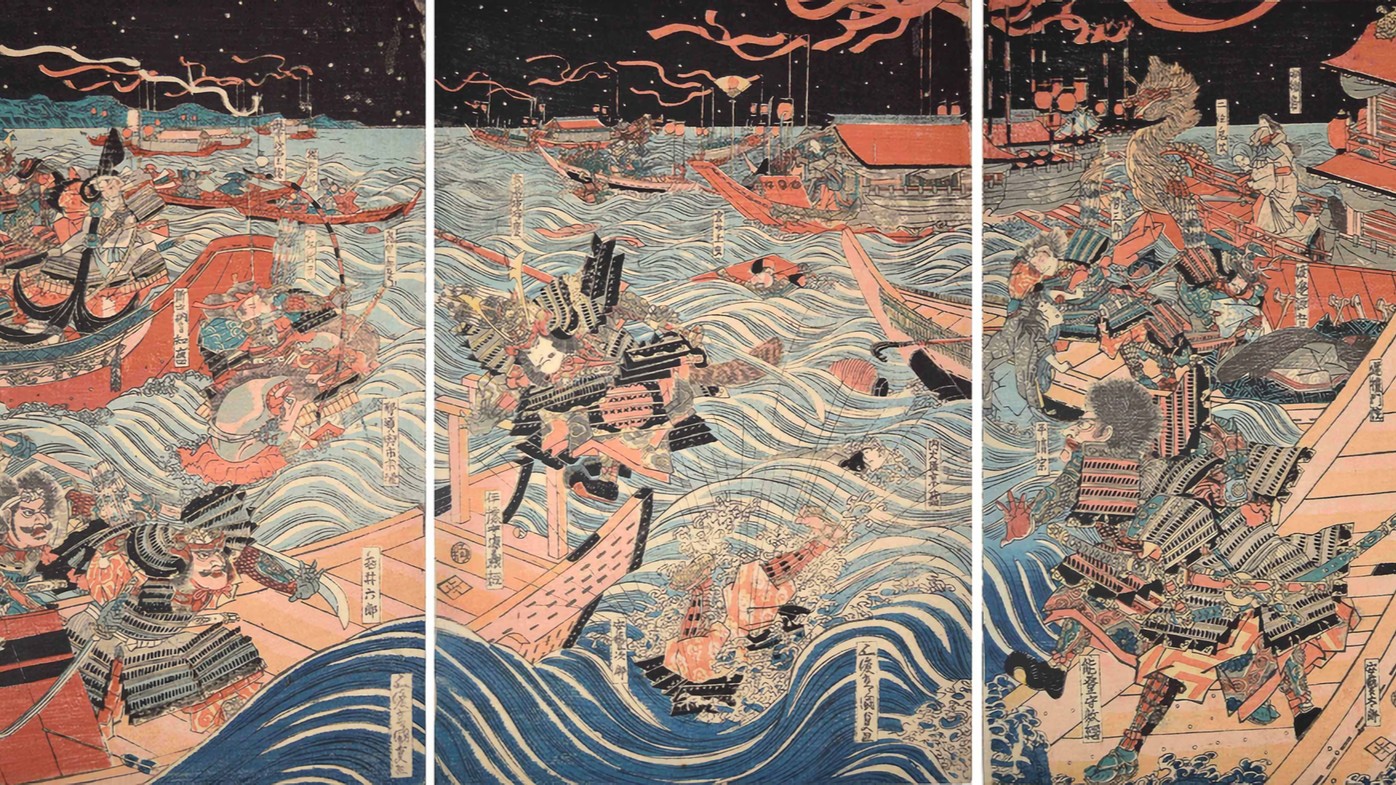
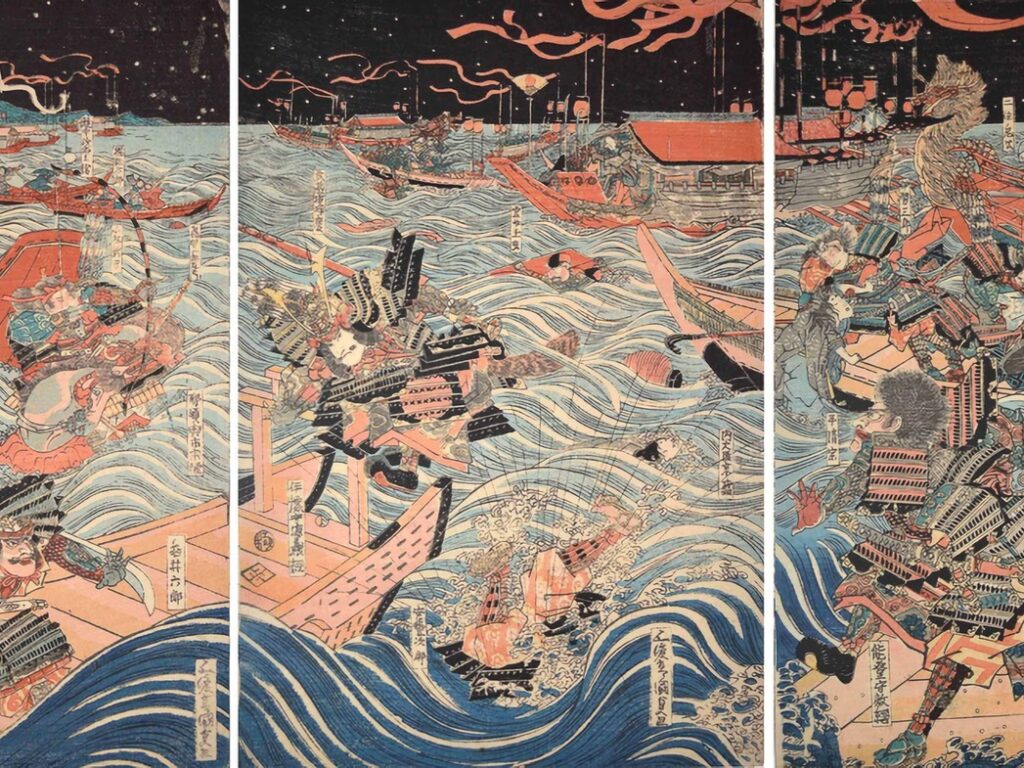
After six hundred years of peace, war did finally come to Yashima—though not from outside, as ancient rulers expected. Instead, the island became the stage for a battle in the civil war that brought the Samurai, Japan’s warrior rulers, to the fore. This conflict, known as the Gempei War (1180-1185), was fought between two rival clans: the Minamoto and the Taira.
Fast forward toward the last year of the war. The Taira, defeated in a decisive battle, have limped out of the area of the capital. They’ve secreted away the child-emperor Antoku to Yashima and built a makeshift palace, as well as fortifications for their several thousand remaining troops. Yashima was a good choice. With its sweeping views of the sea, they’d see any enemy coming by ship days in advance. And only an madman would try sneak an army through the wild mountains of southern Kagawa and attack by land.
Lucky for the Minamoto, they had just such a madman. A young warrior called Yoshitsune, who’d distinguished himself many times over with his clever strategy and bravery verging on stupidity, saw a way to chase the Taira from their stronghold. Yoshitsune stole five boats of the Minamoto fleet, took 150 of his best men, and set off for a port in Awa, 60km south of Yashima, where the Taira wouldn’t expect him.
After they landed, the men started an all-night march on Yashima. When they reached sight of the island, they started lighting bonfires to make it appear as though a huge force had arrived. The Taira, thinking the full Minamoto army had somehow surprised them, scurried down Yashima with the Emperor Antoku and ran to their ships for safety. The Minamoto warriors charged after them, shooting arrows at the fleeing Taira force and fighting off the guards who stayed to slow them down.
Though Yashima was more of a rout than a battle, Yoshitsune still got a chance to show off his bravery. In the heat of battle he dropped his bow right in the path of an approaching Taira ship. Refusing to leave it behind, he fished it out with a rake as he swatted away Taira spears with his sword.
Yashima’s Iconic Scene: Yoichi’s Trick Shot
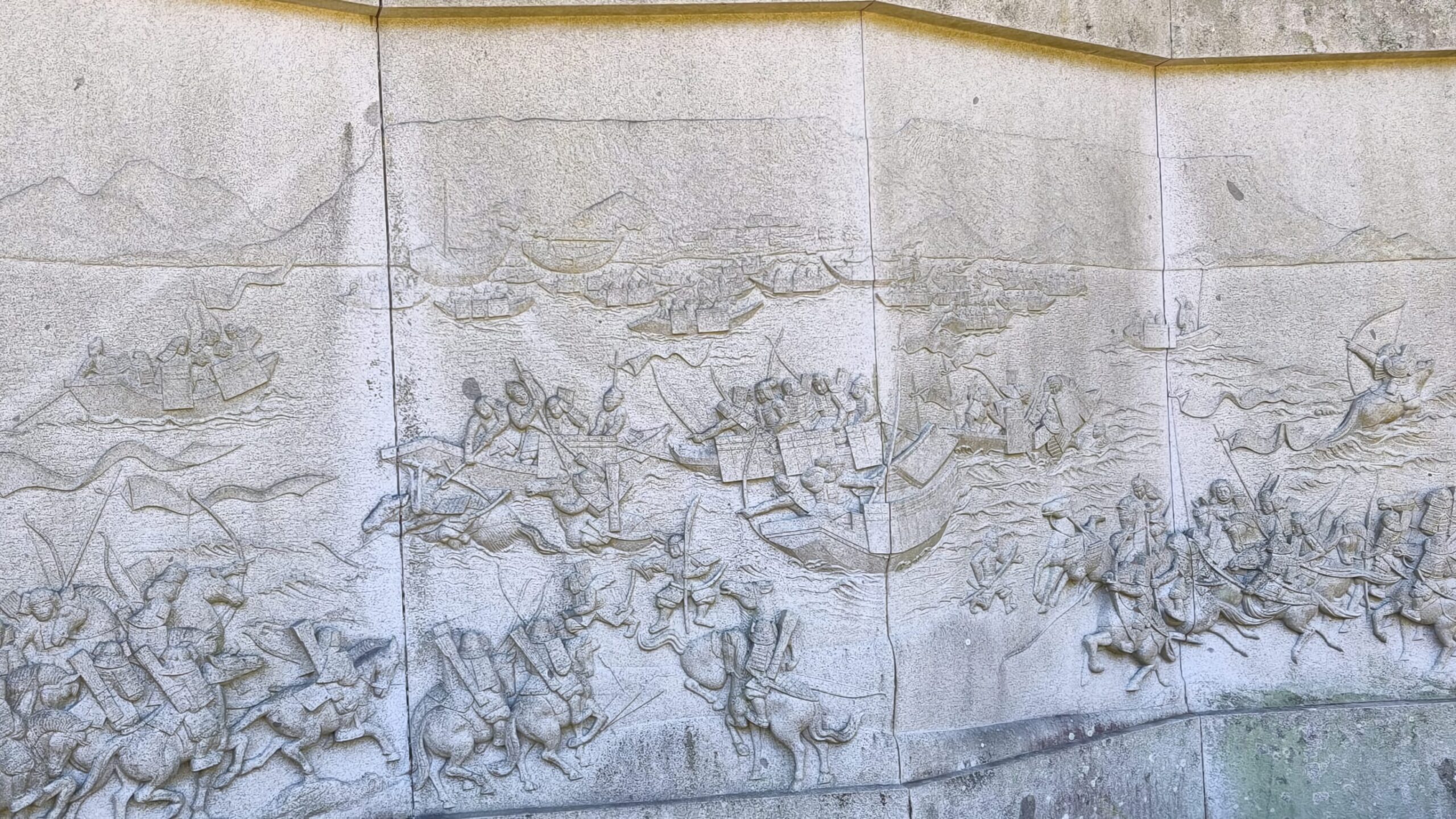
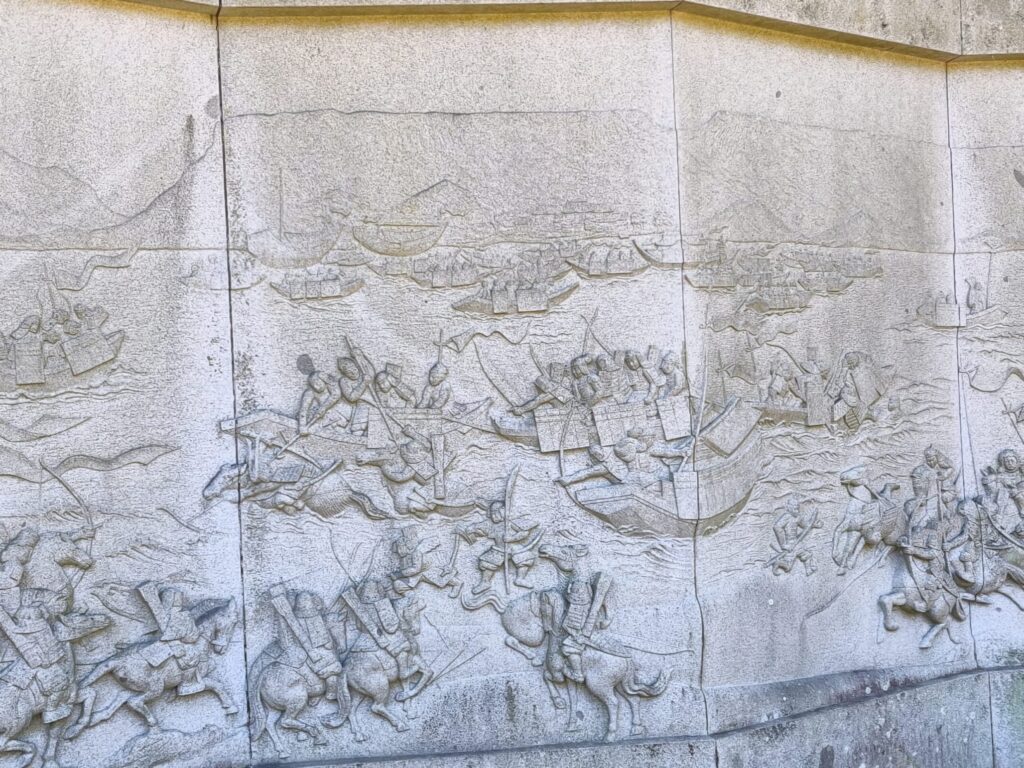
Soon enough, the Taira ships were out of shooting distance. The Minamoto watched the ships sail off from the shore.
From one of the ships, a dazzlingly beautiful maiden appeared holding a paper fan, with a golden circle painted in the middle. She set the fan on a pole.
Yoshitsune knew the fan was a challenge—perhaps in taunting the Minamoto boys with some target practice they meant to draw them back into range. But Yoshitsune nudged his comrade, Nasu no Yoichi, the best shot in the army. Yoichi stood on a boulder, drew his bow. The arrow sailed through the blue skies and knocked the fan off the pole.
This episode became an iconic symbol of a samurai who’d honed his skill rising to the occasion. It is depicted everywhere throughout Shikoku, from paintings donated to Shintō Shrines down to the drain covers of Takamatsu city.
After the Taira sailed out of range, the Minamoto force climbed the mesa and washed their swords in a pond near the temple. It’s now known as Cho no Ike, the Pond of Blood.
From Legend to Leisure: Yashima TodayFrom Legend to Leisure: Yashima Today
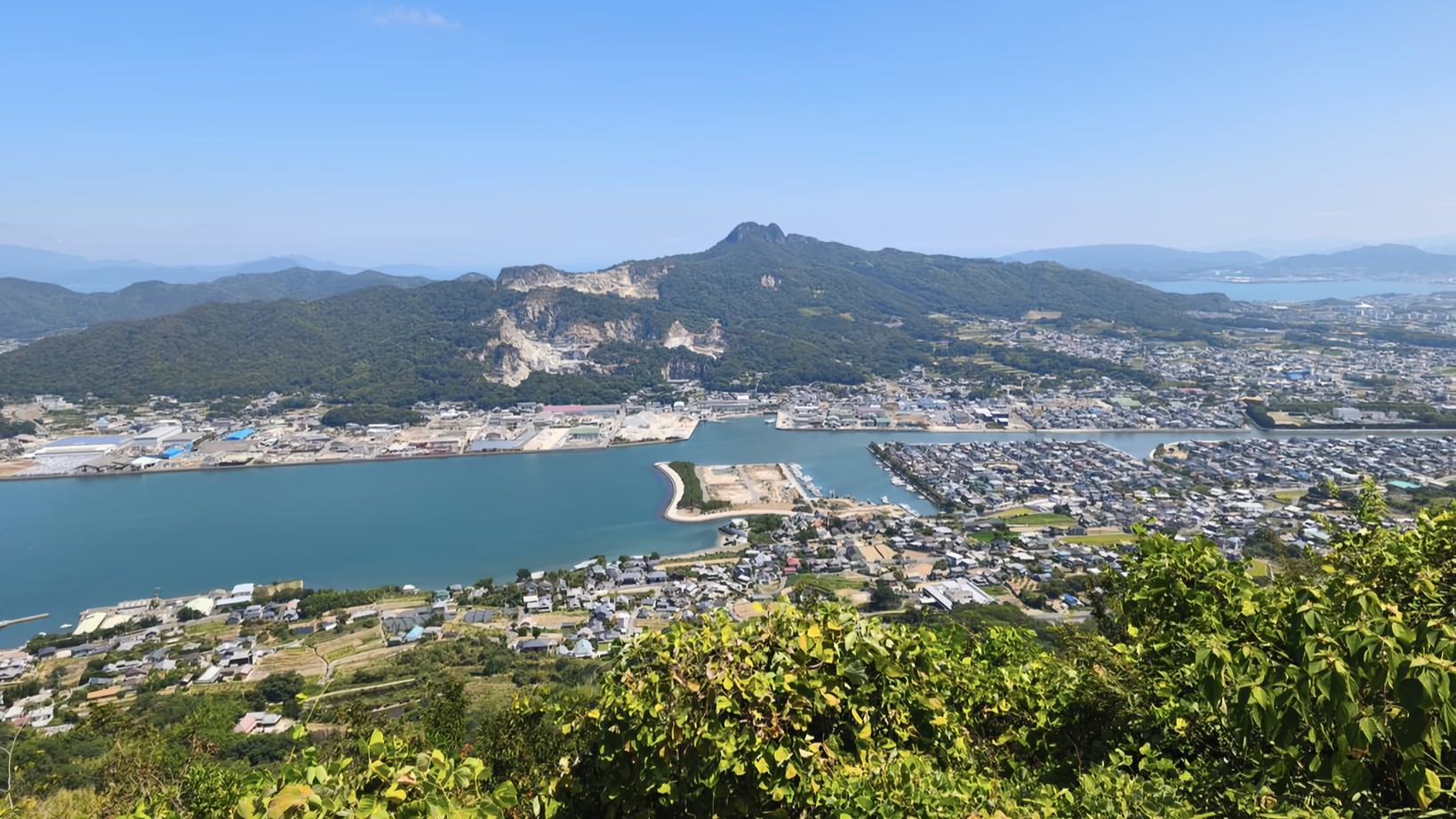
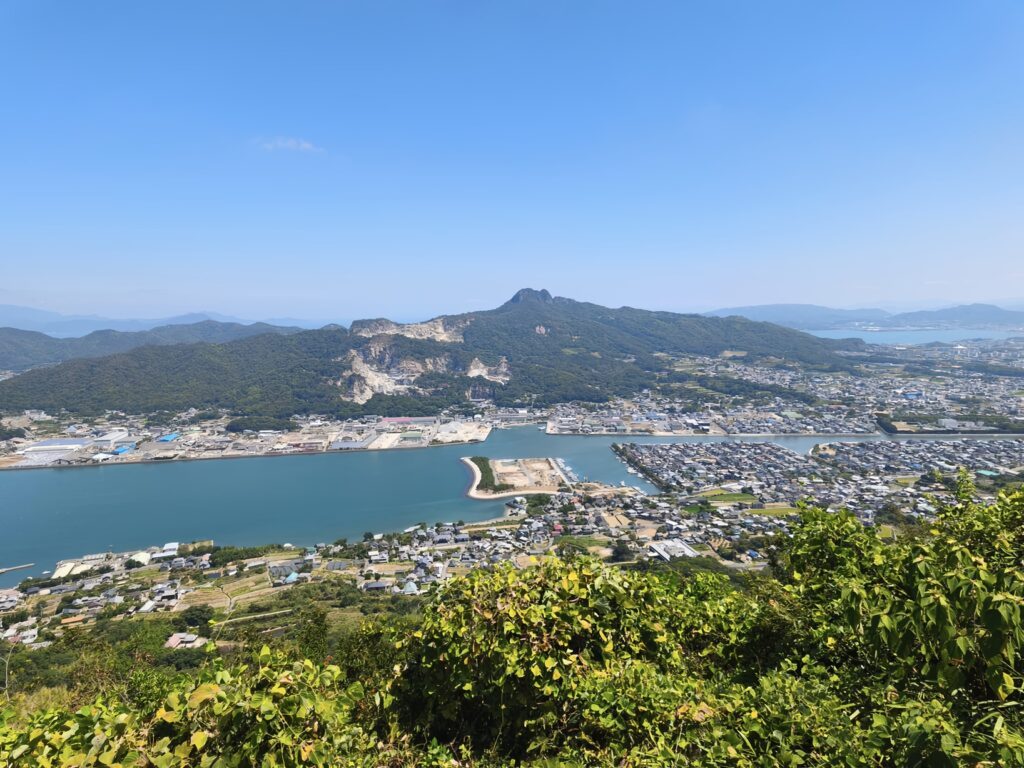
Today, Yashima is a peaceful place to enjoy some of Kagawa’s finest scenery. Pleasant walking trails connect viewpoints, historic sites, and the beautiful grounds of Yashima-ji, while the Seto Inland Sea stretches out below.
There is plenty to enjoy beyond the history, too. Cafés offer a chance to relax over a drink with a view, while small shops sell ice cream, local treats, and souvenirs. The mountain is also home to the Shin-Yashima Aquarium, currently being renovated ahead of its planned reopening in spring 2027.
What makes Yashima special is the way 1,600 years of history remain woven into the landscape. Ancient fortifications, Buddhist legends, samurai stories, and modern leisure all exist side by side.
A guide from Shikoku Tours can help bring those layers together, connecting the places you see with the stories behind them and revealing how Yashima became one of Takamatsu’s most beloved landmarks.
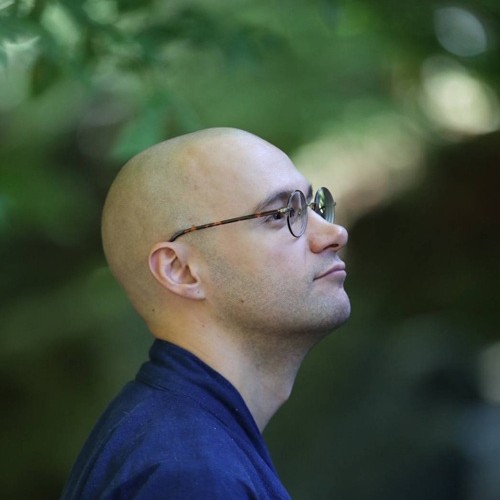
■Role:
Shikoku Travel Specialist, Tour Coordinator, and Shingon Buddhist Priest
■Experience:
10 years of lived experience in Japan, including over 6 years of in-depth study and practice in Japan’s religious traditions, particularly Buddhism, Shugendō, and Shinto.
I became a guide after experiencing firsthand how an understanding of Japan’s religious and cultural history can reveal deeper layers of meaning in even the simplest places. My aim is to help travelers connect with Shikoku not just as a destination, but as a living spiritual landscape, and to support them in discovering a more meaningful and personal journey.
■Role:
Shikoku Travel Specialist, Tour Coordinator, and Shingon Buddhist Priest
■Experience:
10 years of lived experience in Japan, including over 6 years of in-depth study and practice in Japan’s religious traditions, particularly Buddhism, Shugendō, and Shinto.
I became a guide after experiencing firsthand how an understanding of Japan’s religious and cultural history can reveal deeper layers of meaning in even the simplest places. My aim is to help travelers connect with Shikoku not just as a destination, but as a living spiritual landscape, and to support them in discovering a more meaningful and personal journey.