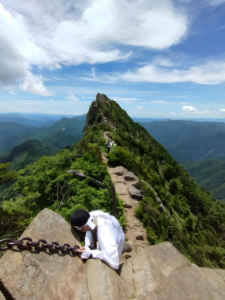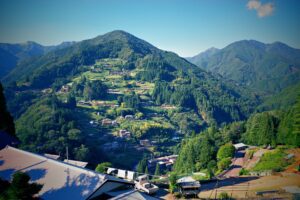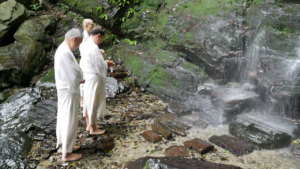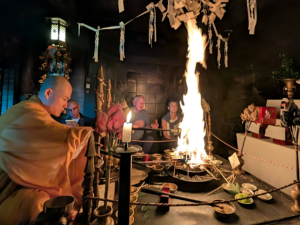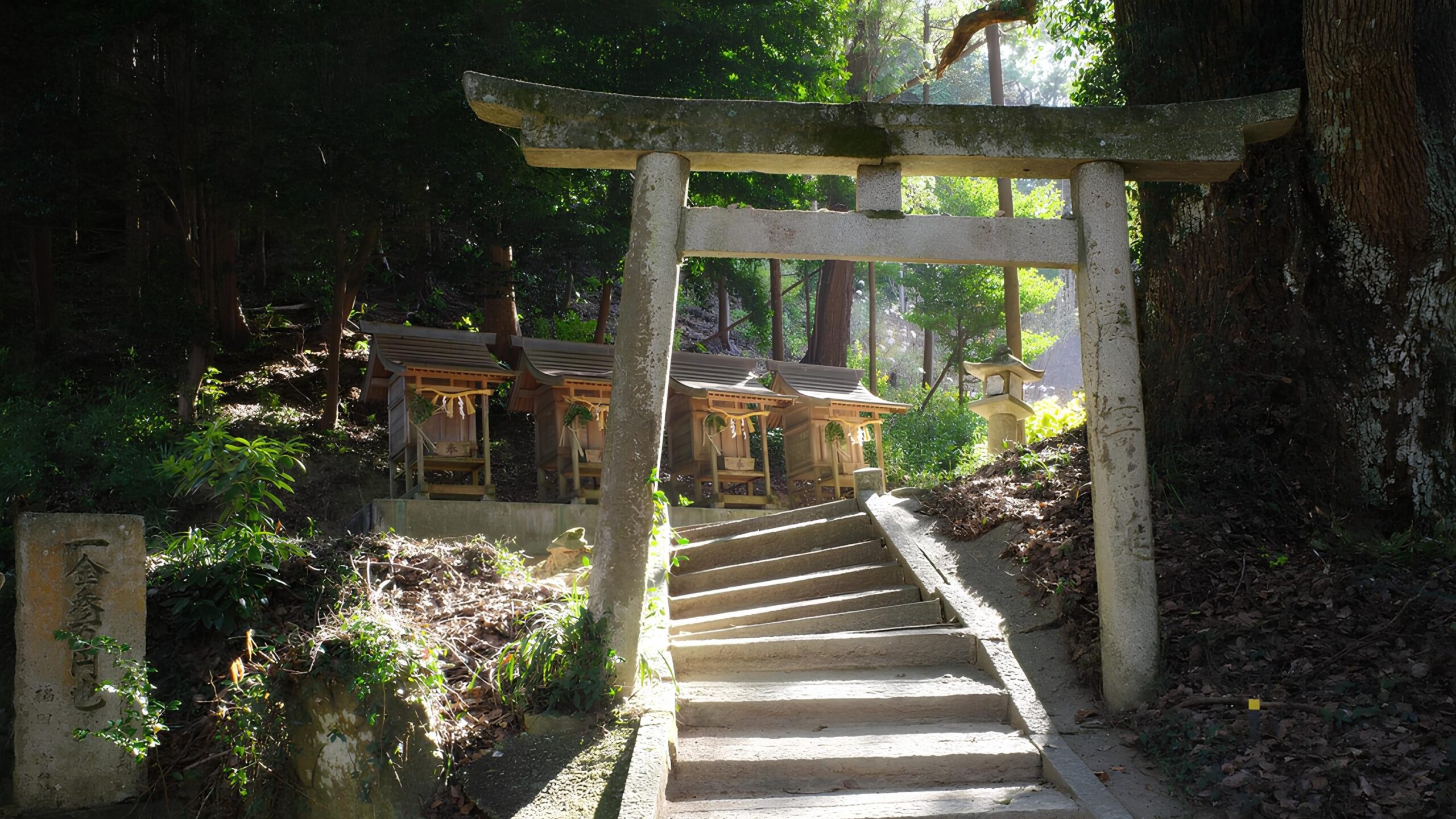
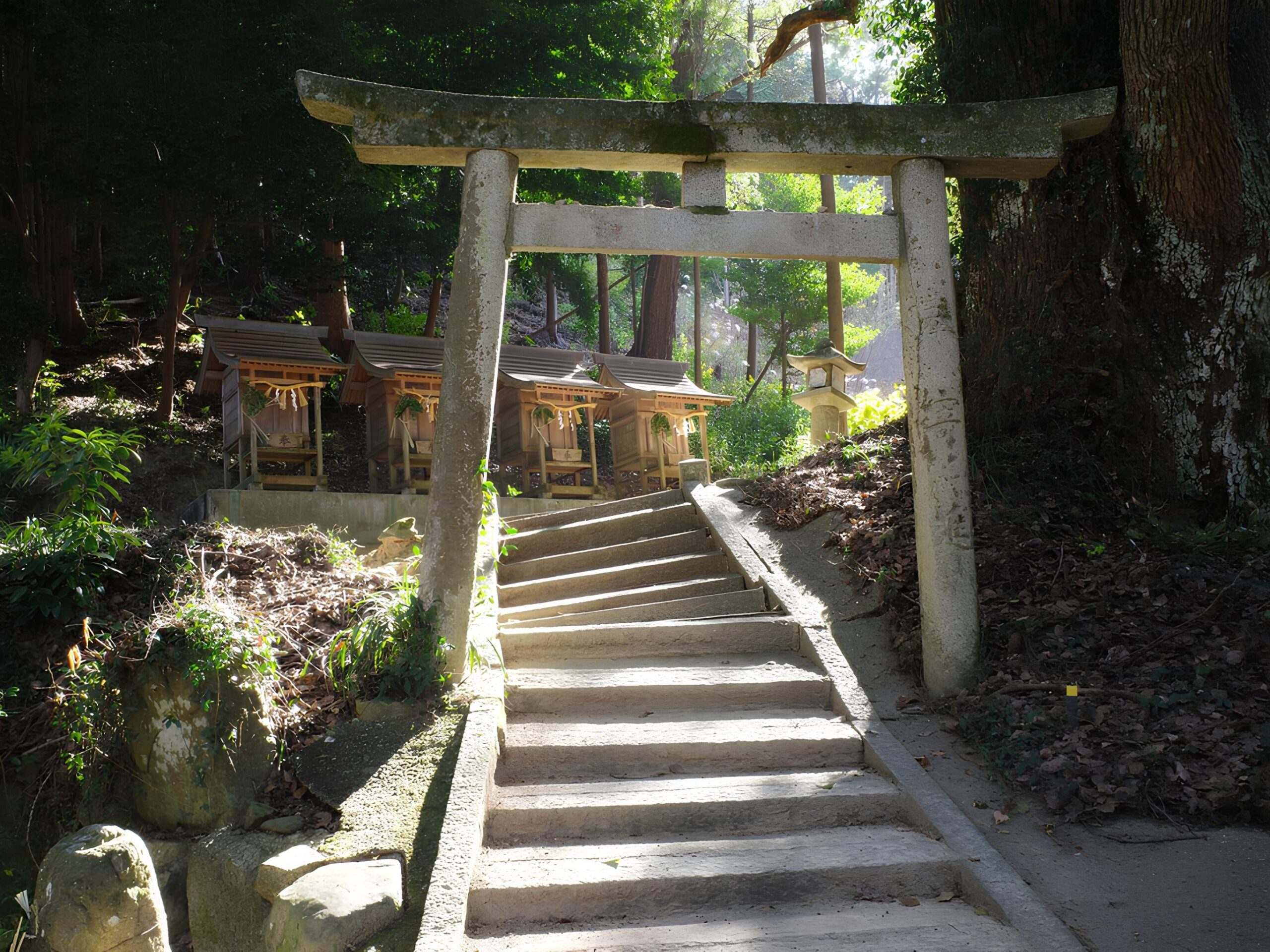
Japan’s iconic torii gates are everywhere, from bustling streetcorners to soaring mountain peaks, and Shikoku’s no exception. These gates mark sacred space in Shinto, Japan’s indigenous spiritual tradition, which shapes attitudes toward nature, life, and death in Japan. Visiting Shinto shrines in Shikoku is a memorable part of any journey through the region, particularly for travelers exploring Shikoku’s sacred landscapes. But in manners-focused Japan, you might wonder how to behave, what rituals mean, and how to engage these sacred sites with respect. This guide explains the basics of Shinto shrine etiquette, rituals, and what to expect when visiting a shrine in Japan.
This article is supervised by a Shikoku travel specialist and Shingon Buddhist priest with over 10 years of lived experience in Japan and deep expertise in Shinto, Buddhist, and Shugendō traditions, ensuring the information presented is both accurate and culturally grounded.
A Standard Visit to a Shinto Shrine
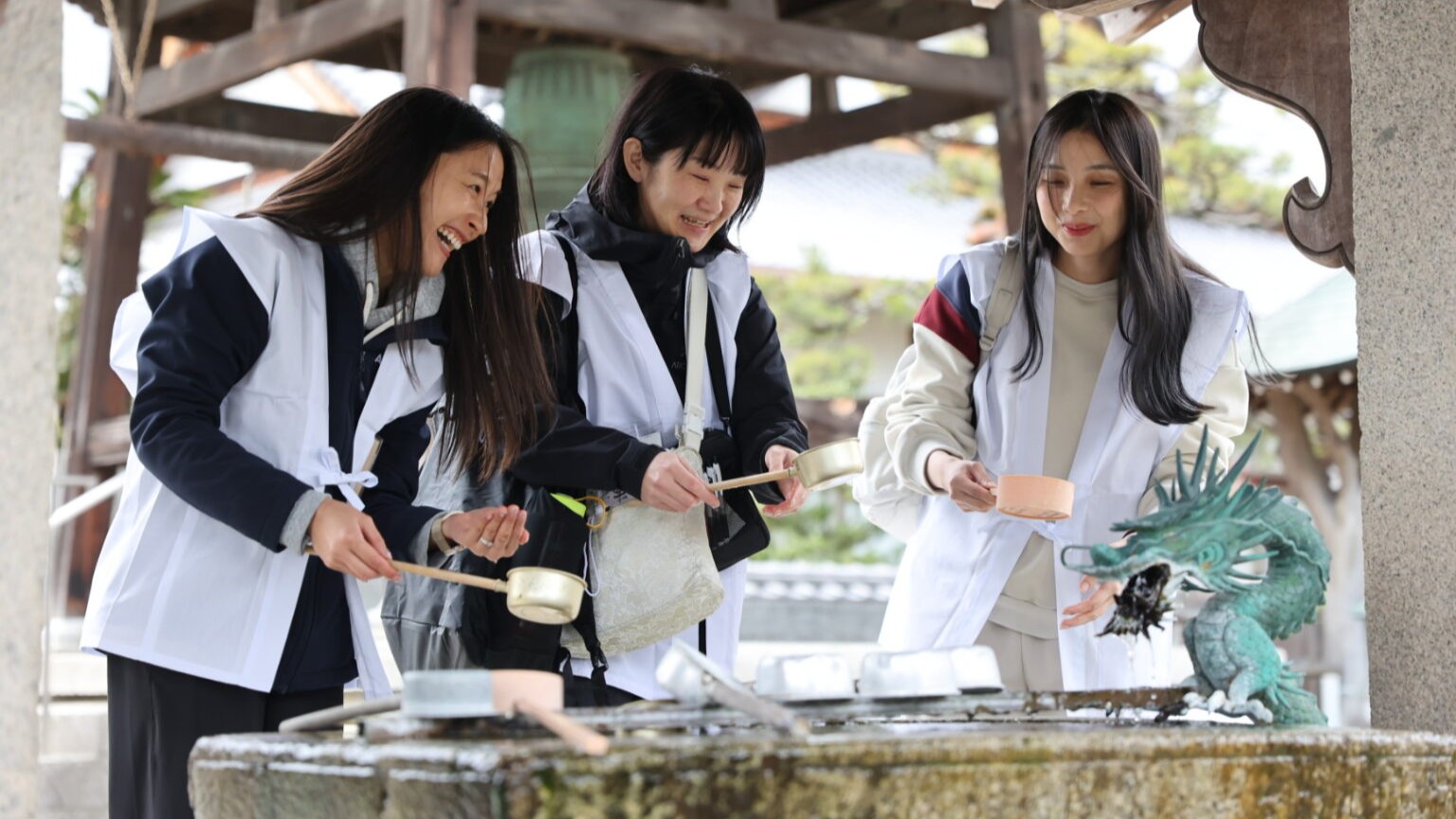
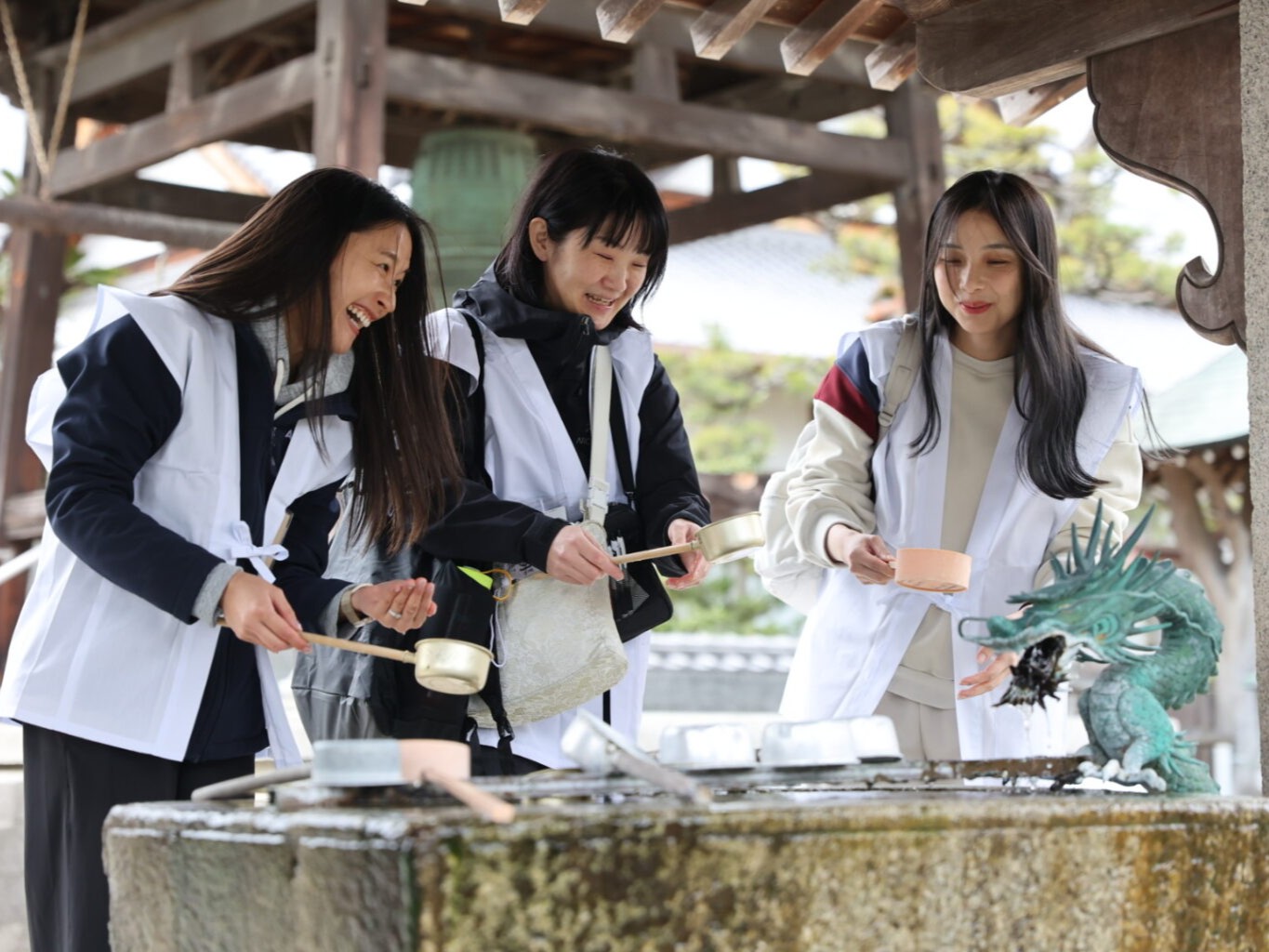
Most shrines, large and small, follow a similar layout, centered around a process of purification, greeting, and prayer.
You’ll enter the precincts through a main torii gate. Visitors make their first of many bows before passing through this gate. The path beyond the gate is held to be used by the shrine’s Kami, or deity, in their comings and goings, so visitors avoid walking in the middle. The torii marks the boundary between our world and the deity’s, so keep your voice to a reverent level after passing through.
You’ll then head up to the worship hall, or haiden. Here you should:
1. Toss a coin into the offering box in front of the hall
2. Ring the suzu bell hanging above to announce your presence.
3. Bow twice, clap twice with your hands in front of your chest, pause to offer a prayer, then finish with a final bow.
And that’s it! Though it looks like a lot written out, this ritual becomes second nature once you go through it once or twice. Its roots stretch back thousands of years. The custom of clapping in reverence was unusual enough for third-century Chinese chroniclers to recount that the people of Japan “clap when they see a Great Person,” noting the custom centuries before Japan adopted a written system of their own.
Seishiki Sampai: A Formal Shinto Shrine Ritual


For those looking for a more personal encounter with Shinto ritual, many shrines offer the stately “formal shrine visit” or seishiki sampai. Here visitors are invited into the worship hall, where a priest chants norito, formal statements in ancient Japanese believed to convey divine power. Participants are then purified with a special wand of paper strands called a hararekushi. They then offer tamakushi, sacred evergreen branches adorned with paper, as a symbolic gift to the Kami. After the ceremony, participants are often given a sip of sake that’s been offered the deity to drink. Since visiting and making offerings to the Kami is believed to purify obstacles to success, it’s often done at critical points in one’s life, like at the new year, before entrance exams, or when starting a new job.
Shikoku’s Shinto Treasures
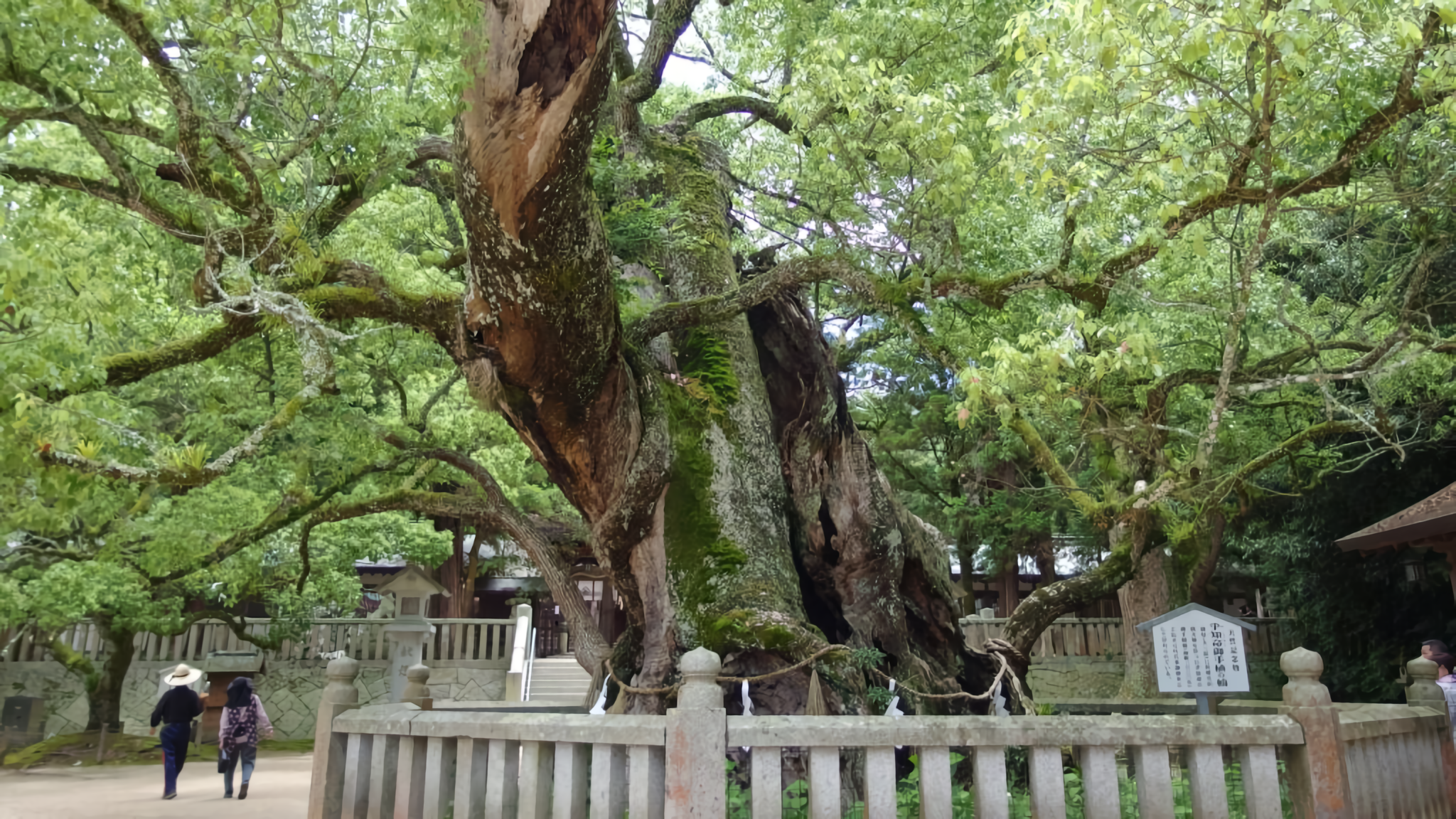
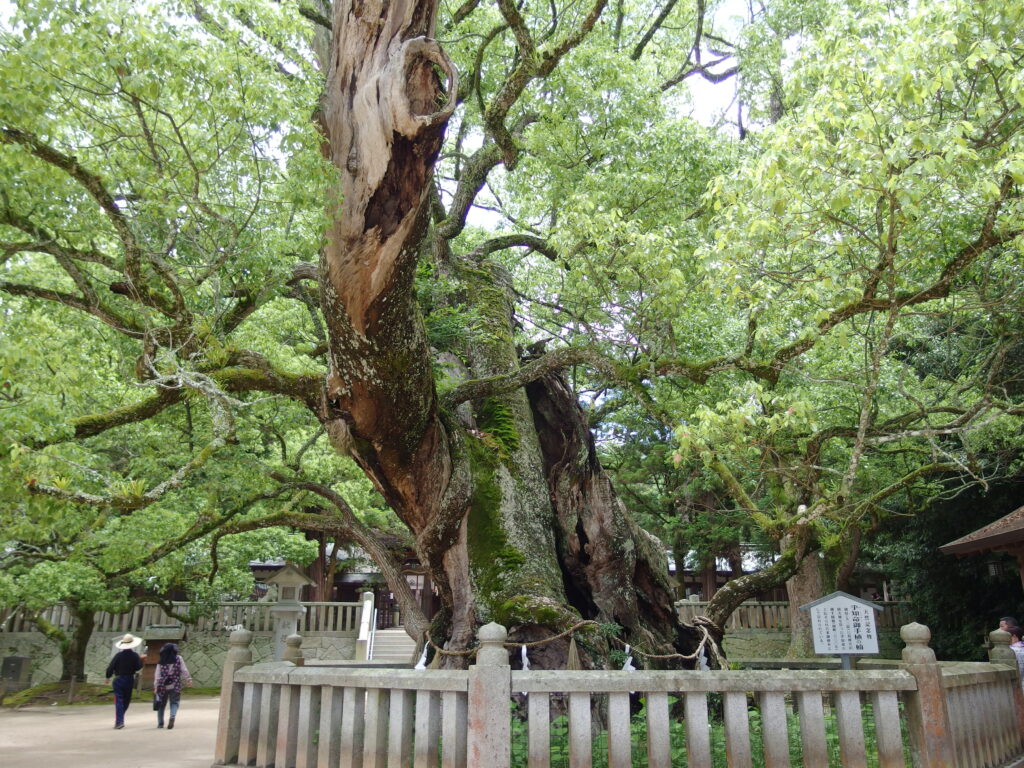
The Shikoku region is home to some of Japan’s most spectacular shrines, from stately Kotohira-gu to serene Oyamazumi Shrine, where history’s greatest samurai offered prayers for victory before battle.
Shinto remains a living tradition in Shikoku, deeply woven into the region’s landscapes and customs. For many of our clients, encounters with these sacred sites are more than a cultural experience; they are moments of quiet connection that stick with them long after they return home. When visiting Shinto shrines with Shikoku Tours, travelers benefit from the reassurance of an experienced local guide who facilitates each visit with care, ensuring proper etiquette, smooth logistics, and the freedom to focus fully on the atmosphere and meaning of the sacred spaces.
■Role:
Shikoku Travel Specialist, Tour Coordinator, and Shingon Buddhist Priest
■Experience:
10 years of lived experience in Japan, including over 6 years of in-depth study and practice in Japan’s religious traditions, particularly Buddhism, Shugendō, and Shinto.
I became a guide after experiencing firsthand how an understanding of Japan’s religious and cultural history can reveal deeper layers of meaning in even the simplest places. My aim is to help travelers connect with Shikoku not just as a destination, but as a living spiritual landscape, and to support them in discovering a more meaningful and personal journey.
■Role:
Shikoku Travel Specialist, Tour Coordinator, and Shingon Buddhist Priest
■Experience:
10 years of lived experience in Japan, including over 6 years of in-depth study and practice in Japan’s religious traditions, particularly Buddhism, Shugendō, and Shinto.
I became a guide after experiencing firsthand how an understanding of Japan’s religious and cultural history can reveal deeper layers of meaning in even the simplest places. My aim is to help travelers connect with Shikoku not just as a destination, but as a living spiritual landscape, and to support them in discovering a more meaningful and personal journey.