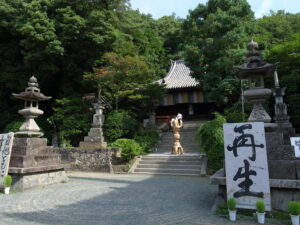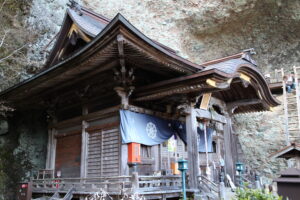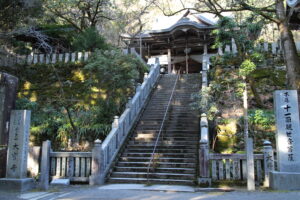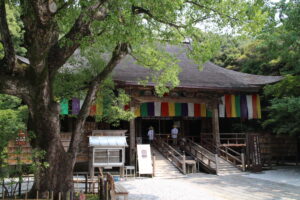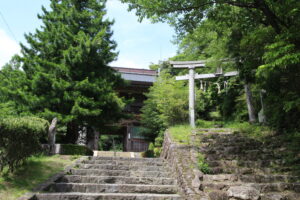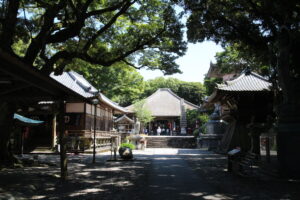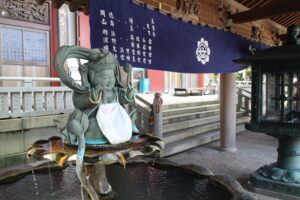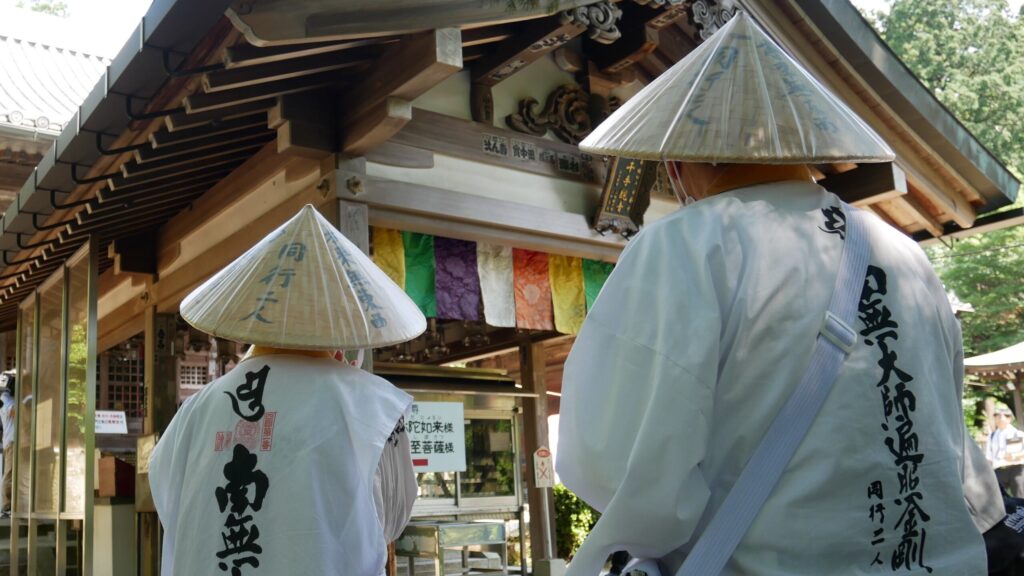
The Shikoku Pilgrimage is a 1,300 kilometer circuit linking 88 temples across the island of Shikoku. Traditionally completed on foot over 45 to 50 days, the pilgrimage today is undertaken in many forms, including self-driven routes completed in 10 to 14 days, sectional walking pilgrimages, and guided itineraries.
Because there is no single way to travel the Henro, there is also no single answer to the question of cost. This guide outlines the real financial expenses of the pilgrimage, while also addressing the less visible costs of time, stress, and decision-making that shape the overall experience.
The Real Cost of the Shikoku Pilgrimage: More Than Just Money
The Henro has always embraced a variety of approaches, from the ascetic to the luxurious, the reflective to the raucous, the slow to the efficient. What one wants to get out of their time in Shikoku, and understanding some of the necessary trade-offs one’s ideal journey entails, is key to planning a meaningful journey.
Financial Costs vs. Opportunity Costs (Time and Stress)
From a purely financial standpoint, a self-planned pilgrimage is almost always the least expensive option. Walking pilgrims who stay in modest inns and manage their own reservations can complete the full route on a relatively low daily budget (under 15,000JPY a day, see below for spending considerations).
However, the pilgrimage also requires a significant investment of time and attention. Unlike more standardized routes such as the Camino de Santiago, accommodations along the Shikoku Pilgrimage do not accept walk-ins. Most lodgings must be reserved in advance, often by phone in Japanese. Some are only bookable through Japanese-language websites. In popular areas and seasons, pilgrims may outnumber available beds.
For some pilgrims, this logistical effort is part of the practice itself. For others, the stress of daily coordination, language barriers, and constant replanning becomes the largest hidden cost of the journey. Saving money but carrying persistent anxiety can quietly undermine the purpose of the pilgrimage.
Advantages of a Curated Itinerary
A managed pilgrimage is rarely cheaper in absolute yen terms. Its cost-effectiveness lies elsewhere.
By consolidating planning, reservations, transportation, and on-the-ground problem solving, a managed itinerary reduces the cognitive and emotional load carried by the pilgrim. Time that would otherwise be spent coordinating logistics is redirected toward walking, ritual, rest, and reflection.
This does not make one approach better than the other. It makes them different kinds of investments. Self-guided pilgrims invest time and effort in exchange for autonomy and lower costs. Managed pilgrims invest money in exchange for continuity, reduced stress, and a more predictable rhythm.
Understanding which costs matter more to you is more important than choosing the cheapest option.
Planning by Style: Shikoku Tours Specialized Budgets
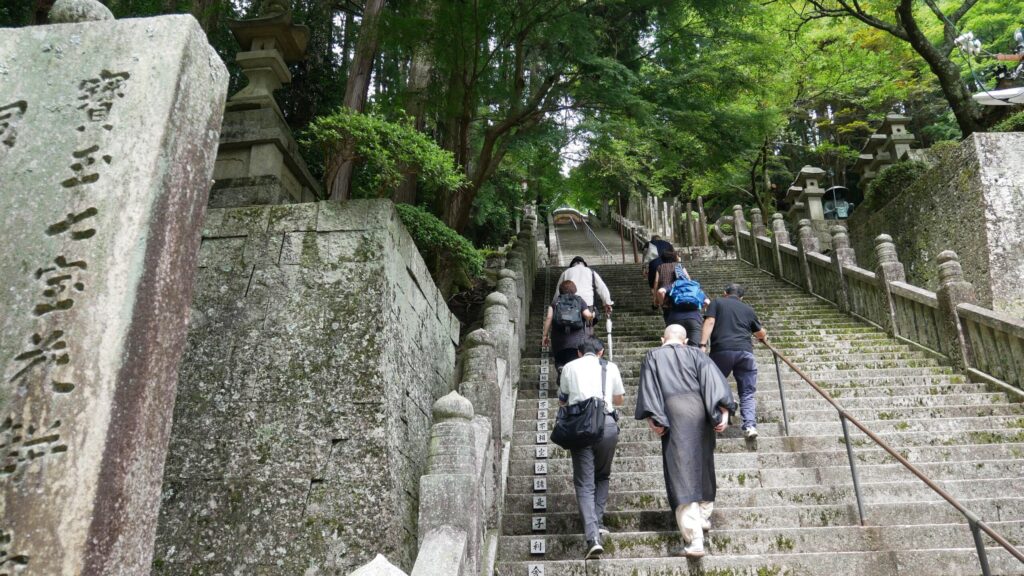
Pilgrimage costs are best understood by travel style rather than by a single average figure. Below are common frameworks used by Shikoku Tours when helping travelers plan journeys aligned with their priorities. Shikoku Tours’ offerings always include a guide, private car and driver, and accommodations, but the rest is up to you–these are loose structures, fully customizable depending on your vision for your time in Shikoku.
Pilgrimage costs are best understood by travel style rather than by a single average figure. Below are common frameworks used by Shikoku Tours when helping travelers plan journeys aligned with their priorities. Shikoku Tours’ offerings always include a guide, private car and driver, and accommodations, but the rest is up to you–these are loose structures, fully customizable depending on your vision for your time in Shikoku.
The Classic Private Driver Tour (Comfort and Efficiency)
Car-based pilgrimages are the most time-efficient way to complete all 88 temples. Typical itineraries span 10 to 14 days.
Costs reflect private transportation, professional driving, coordinated accommodations, and daily logistical support. This style minimizes physical strain related to transit and navigation, allowing energy to be focused on temple visits and personal practice.
It appeals to travelers with limited time, physical constraints, or a desire for steady pacing, who want to visit all 88 Temples of the route. While it sacrifices some of the physical austerity of a walking pilgrimage, car and bus pilgrims spend more time per day praying at temples, making for a deeply impactful experience in spite of its shorter duration.
Guided Walking and Sectional Pilgrimage (Kugiri-uchi)
Guided walking and sectional pilgrimages combine on-foot practice with logistical support. Rather than committing to 45 to 50 consecutive days, pilgrims walk meaningful sections over shorter periods.
Costs depend on duration and support level but typically include route planning, accommodation coordination, and contextual guidance. This approach balances bodily engagement with reduced planning burden and allows pilgrims to integrate the Henro into longer life rhythms.
Choosing the Right Duration: Highlights vs. Full Journey
Short itineraries of 7 to 10 days focus on specific regions or themes, such as hiking the pilgrimage’s wilderness sections or broader cultural immersion, and offer an introduction to the pilgrimage. Longer journeys of two to three weeks offer the opportunity to experience the pilgrimage and Shikoku in its full breadth and depth. Full walking pilgrimages require the greatest time commitment but offer continuity and simplicity.
Duration naturally influences total cost, but of course the longer someone spends on pilgrimage, the deeper they can dig into the spiritual and cultural landscape of the Henro and Shikoku more broadly.
| Travel Style | Typical Duration | Primary Benefit |
|---|---|---|
| Private Driver Tour | 10–14 Days | Maximum comfort, efficiency, and expert logistical support. |
| Guided Walking | 7–14 Days+ | Physical engagement balanced with professional route planning. |
| Full Walking (Solo) | 45–50 Days | Complete autonomy and traditional ascetic experience. |
Accommodation Standards: Finding Your Ideal Rest
Where you sleep on the Henro shapes how you recover, reflect, and begin each day.
Temple Lodgings (Shukubo)
A limited number of temples still offer pilgrim lodging. Alongside simple, quiet, and comfortable facilities, they often offer the chance to attend unforgettable morning or evening chanting services in temple halls. Most cost under 10,000 yen per night, usually including dinner and breakfast. Availability is limited and reservations are essential.
Traditional Ryokan and Comfortable Western-Style Hotels
Henro-yado and minshuku are small, family-run inns catering primarily to pilgrims. They offer Japanese-style rooms and home-cooked meals, typically under 10,000 yen per night with two meals.
Ryokan range from modest to luxurious, with prices from 10,000 to 50,000 yen depending on location and service. Western-style hotels in cities offer familiar amenities at similar price ranges. Some pilgrims choose occasional higher-end meals or stays to mark rest days or milestones.
Seasonal Factors and Booking Lead Times
Spring and autumn are peak seasons. Prices rise, availability tightens, and advance booking becomes critical. Early planning expands options and reduces daily uncertainty, especially for walking pilgrims.
Daily Expenses and Necessary Logistics
Exploring Local Cuisine and Daily Meals
Most pilgrim accommodations include dinner and breakfast. Lunch is typically eaten along the route.
Convenience stores offer reliable meals for around 1,000 yen. Noodle shops serve filling meals for 1,000 to 1,500 yen. Teishoku set meals cost roughly 1,500 to 2,000 yen. Over a full walking pilgrimage, lunch expenses often total about 50,000 yen.
Ritual Items and Temple Entrance Fees (Osamefuda, Noukyou, etc.)
Pilgrims commonly purchase ritual items at Temple 1 or at specialist shops such as Sumotoriya Asano.
Typical costs include:
| Ritual Item | Price (JPY) | Price (Approx. USD) |
|---|---|---|
| Hakue (White jacket) | 2,800 yen | $19 |
| Kongō-zue (Pilgrim’s staff) | 1,500 yen | $10 |
| Suge-gasa (Sedge hat) | 2,000 yen | $13 |
| Nenju (Buddhist rosary) | 5,000 yen+ | $33+ |
| Wagesa (Buddhist stole) | 2,000 yen+ | $13+ |
| Osamefuda (Name slips) | 100 yen | $1 |
| Nokyō-chō (Stamp book) | 2,000 yen+ | $13+ |
| Total Initial Gear | Approx. 15,400 yen | $102 |
Temple donations range from 10 to 200 yen. Goshuin stamps cost 500 yen per temple, totaling 44,000 yen for all 88 temples.
Professional Support: Language Mediation and Private Transport
Shikoku Tours’ offerings always include a guide-interpreter and private car and driver for part or all of an itinerary. The presence of an English-speaking guide unlocks conversations and connections that might otherwise be inaccessible to visitors, and offers additional peace of mind when dealing with cross-cultural issues that inevitably come up on the course of a pilgrimage.
Likewise, a private car helps stitch together distances that might otherwise have to be covered on foot or by Shikoku’s sparse public transit infrastructure. It also functions as a built-in luggage transfer service, allowing you to carry only the essentials while walking or biking the pilgrimage.
These services add cost but also add reliability, particularly for overseas travelers unfamiliar with rural Japan.
Practical Money Tips for International Travelers
Cash, Cards, and ATMs in Rural Shikoku
Though the number of shops dealing in credit cards are increasing, you can still expect most shops and restaurants in the countryside to deal in cash. Luckily, if you have a debit card, Japan’s ubiquitous convenience store ATMs and Post Offices make getting cash a breeze.
Handling Payments Through an Agent
When payments for accommodations, meals, and experiences are handled through an agent like Shikoku Tours, it means one less thing for travelers to worry about on their pilgrimage, and makes payment hassle-free. We often work with clients to determine the level of flexibility and assistance they want in booking and paying for meals, excursions, and more during their travels.
Conclusion: Is a Managed Pilgrimage Worth the Investment?
Peace of Mind: The Ultimate Luxury
Pilgrims throughout history have had to make the choice between managing every detail of their journey on their own, entrusting much to fate, or ensuring peace of mind by employing agencies and guides. Which of these is appropriate for you is a personal decision, and either approach can result in a deeply transformative pilgrimage.
The question is not which approach is superior, but which supports the pilgrimage appropriate to you.
For those who sense that planning their own pilgrimage is part of their journey, we recommend getting the Henro Helper App, a digitized guidebook with temples, lodgings, and points of interest pinned on a complete map of the pilgrimage route. Online communities on Facebook like Shikoku 88 Ohenro Pilgrimage are also invaluable resources for planning your Henro. You might see some of our guides and coordinators offering advice there, too.
Start Your Journey with Shikoku Tours
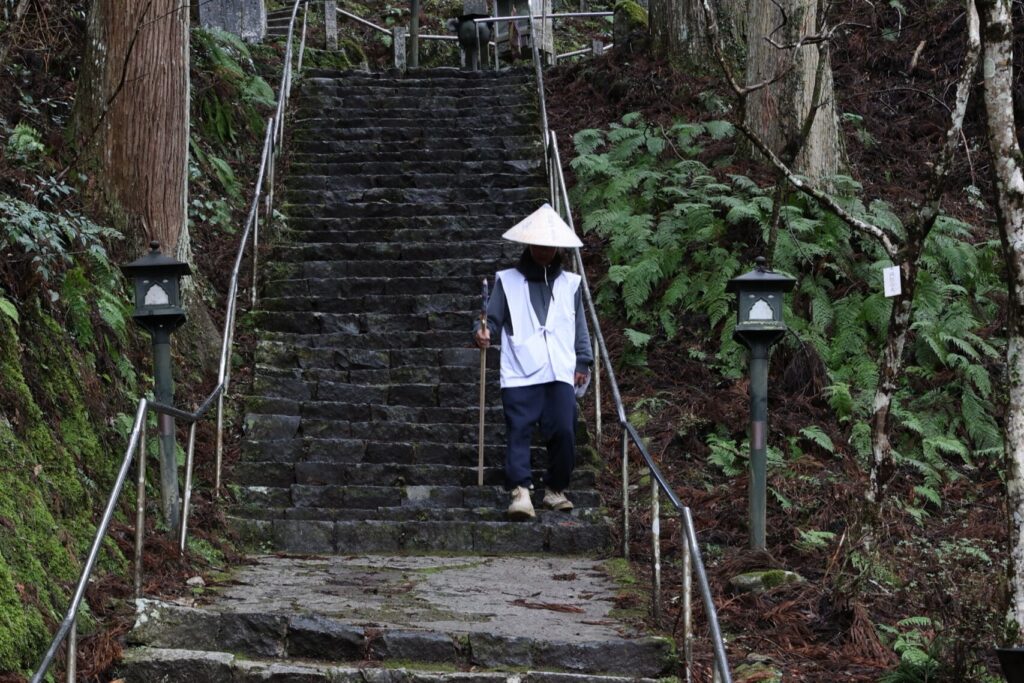
Whether you plan independently or with support, clarity of intention matters more than budget optimization alone. For travelers who wish to explore curated itineraries or discuss logistical support options, Shikoku Tours offers consultation grounded in long experience on the Henro.
The path remains the same. How you walk it, and what you choose to carry, is entirely your own.
Whether you plan independently or with support, clarity of intention matters more than budget optimization alone. For travelers who wish to explore curated itineraries or discuss logistical support options, Shikoku Tours offers consultation grounded in long experience on the Henro.
The path remains the same. How you walk it, and what you choose to carry, is entirely your own.