
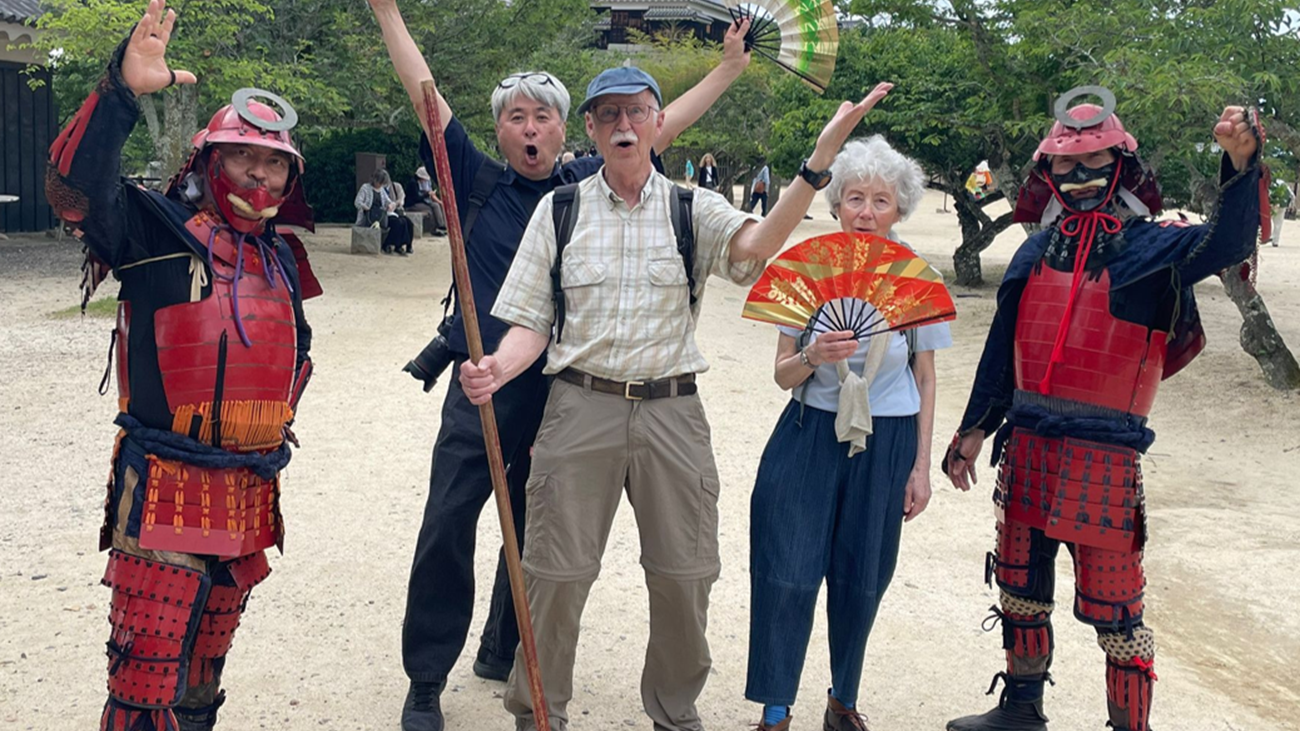
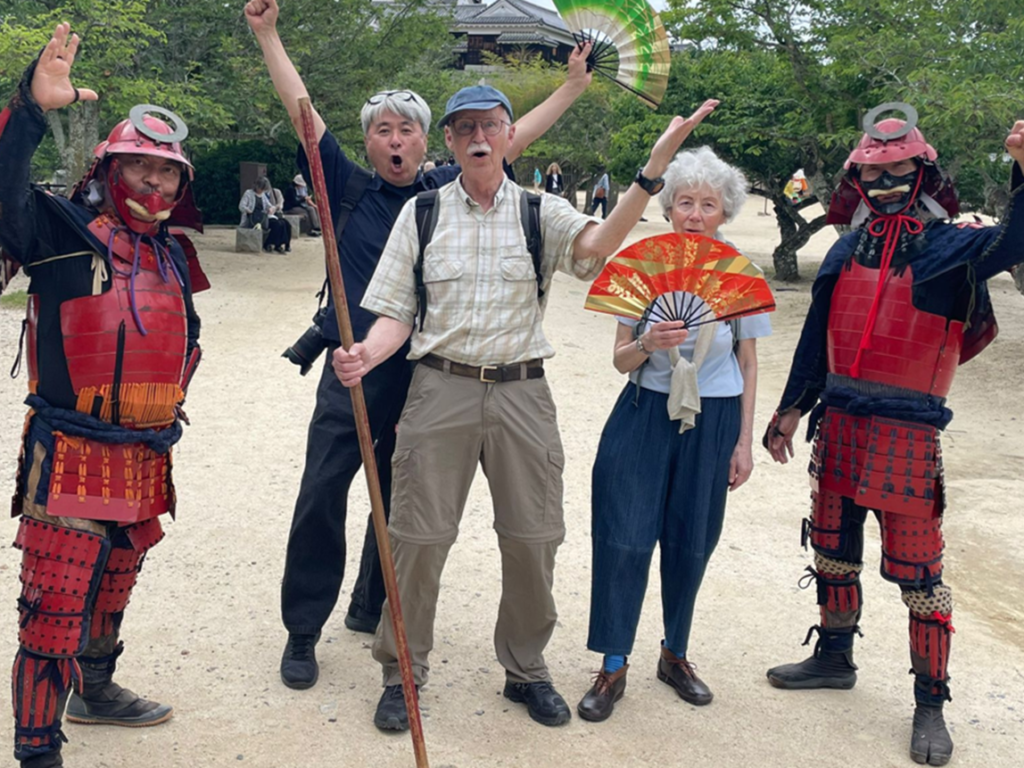
customer’s name:H.Steppen
Number of guests: 2
Visits to Shikoku: 2nd time
Travel dates:May 16-23,2026
Areas visited: Ehime, Kochi
Itinerary
An eight-day private tour through Kochi and Ehime prefectures, taking in Sugi no Osugi, Monet’s Garden, the historic streets of Uchiko, Kengo Kuma’s architecture in Yusuhara, the pottery kilns of Tobe, and Dogo Onsen. Hands-on experiences — papermaking, calligraphy, a pilgrimage walk, yukata dressing and wagashi making — were woven throughout, all travelled by private car at an unhurried pace.
Day 1
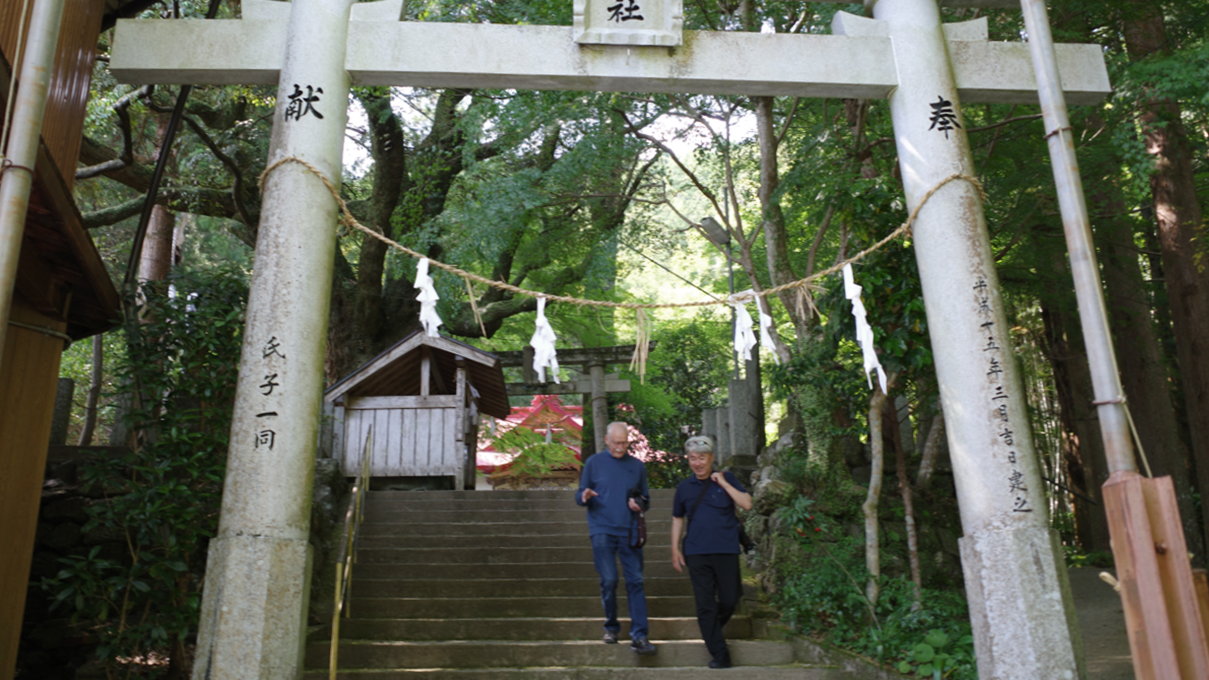
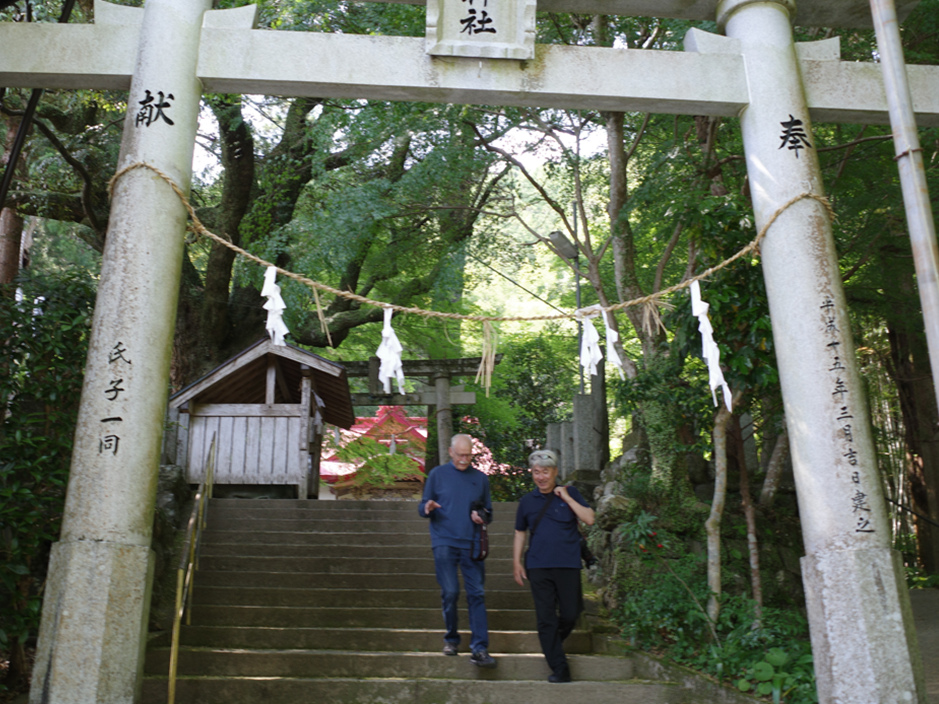
We welcomed our guests at Kansai International Airport and set off by private car for Kochi City. Along the way we stopped in Otoyo Town to see Sugi no Osugi, a sacred cedar said to be 3,000 years old. Standing beneath a tree that has watched over three millennia left a deep impression. The night was spent at OMO7 Kochi.
Day 2
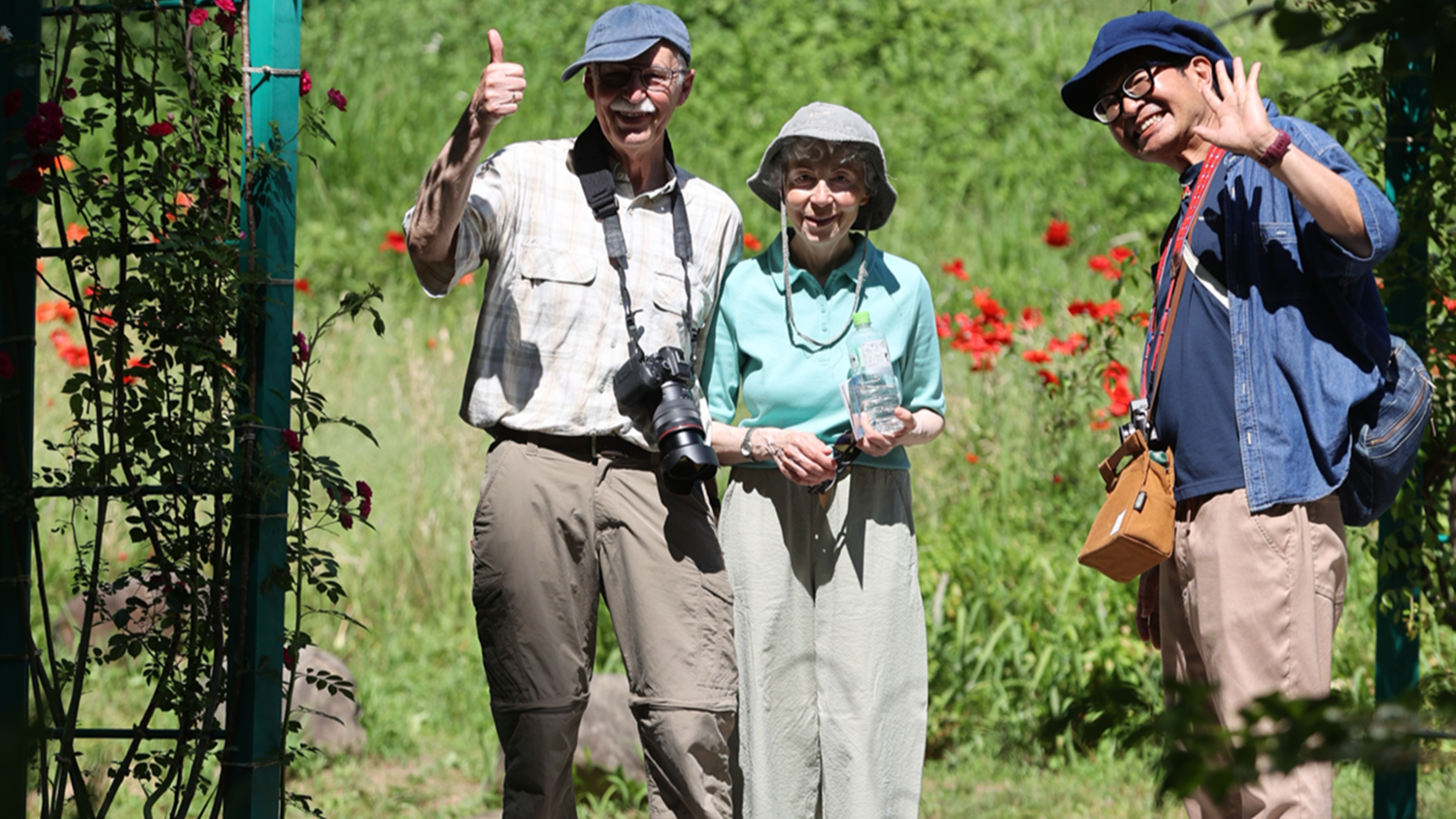
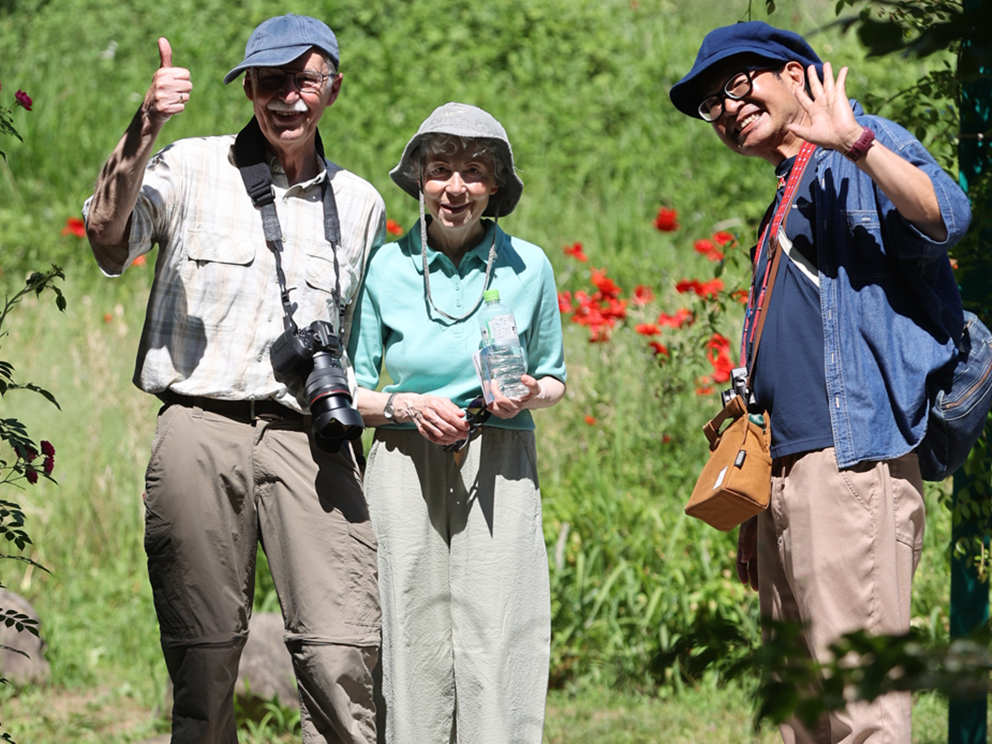
The day began with a walk through central Kochi, taking in Kochi Castle, Hirome Market and the Sunday Market. The markets offered a lively introduction to the region’s food culture and the warmth of its people. In the afternoon we visited Monet’s Garden in Kitagawa Village, then continued to Aki City, where a local guide led our guests through the town. A second night at OMO7 Kochi.
Day 3
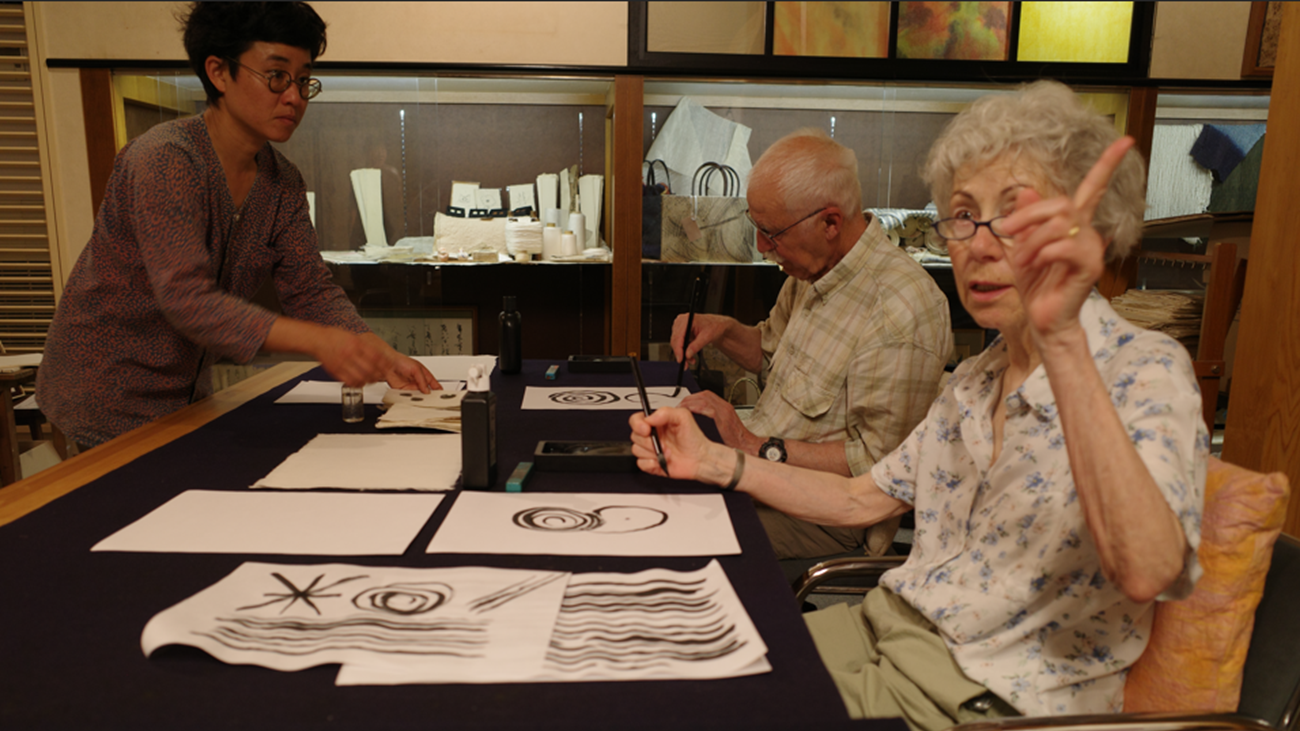
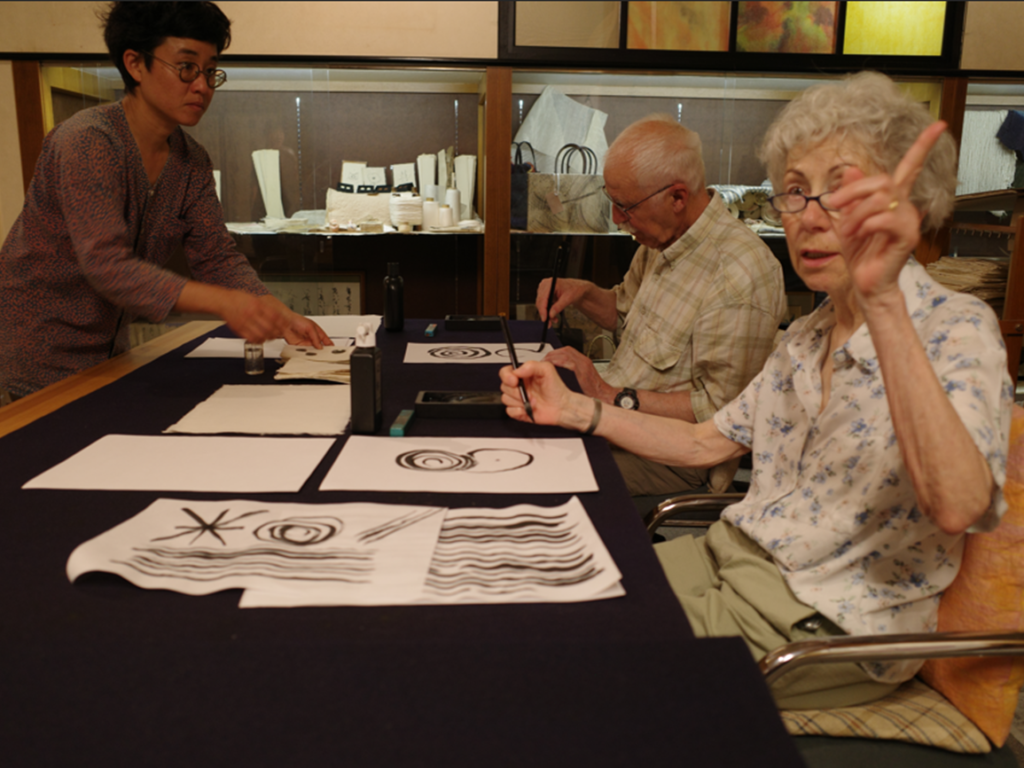
We drove to Ino Town and visited the Aso submerged bridge, a low, railing-free bridge built to let floodwaters pass over it. Ino is home to Tosa washi, and our guests tried their hand at papermaking, then used the sheets they had made for a calligraphy session — experiencing Japan’s paper and brush traditions from the maker’s side. The night was spent at Seiran no Sato in Tsuno Town.
Day 4
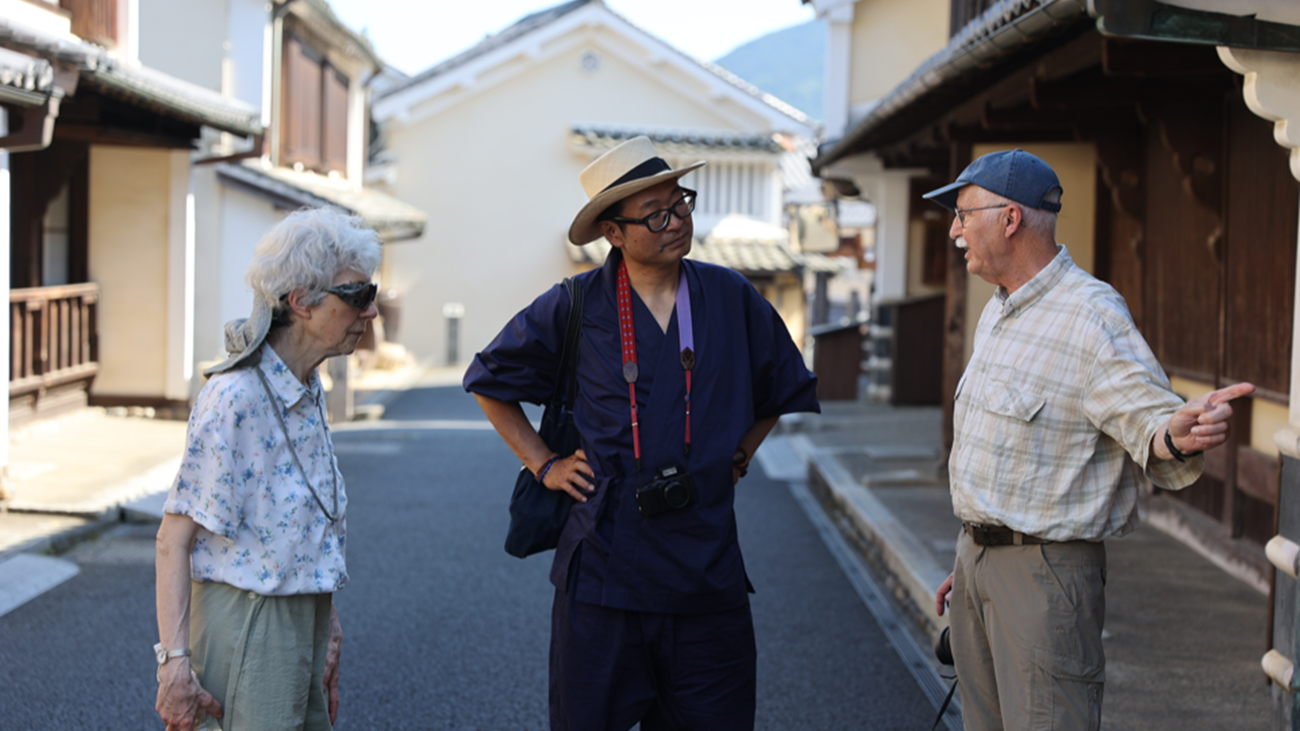
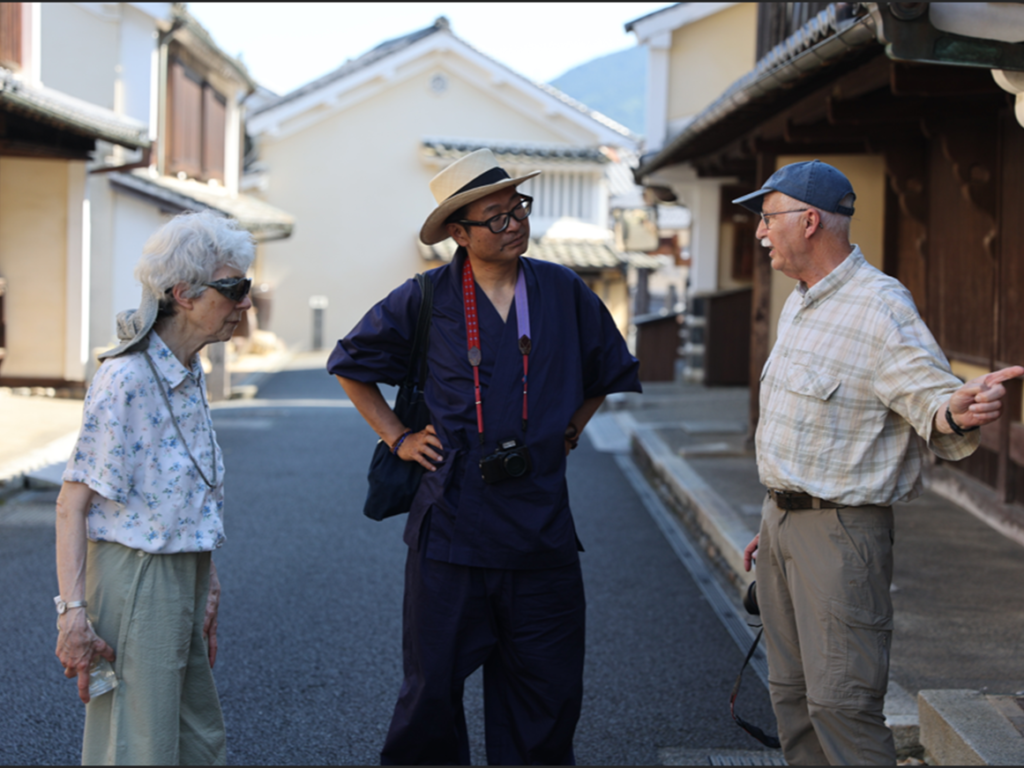
Crossing into Ehime Prefecture, we visited Uchiko Town and strolled through its preserved streets, once prosperous from the production of wax. Our guests were able to picture the life of the merchants who built these houses. We then continued to the Ishidatami district to see Yuge Shrine with its distinctive roofed bridge. The night was spent at NIPPONIA Ozu.
Day 5
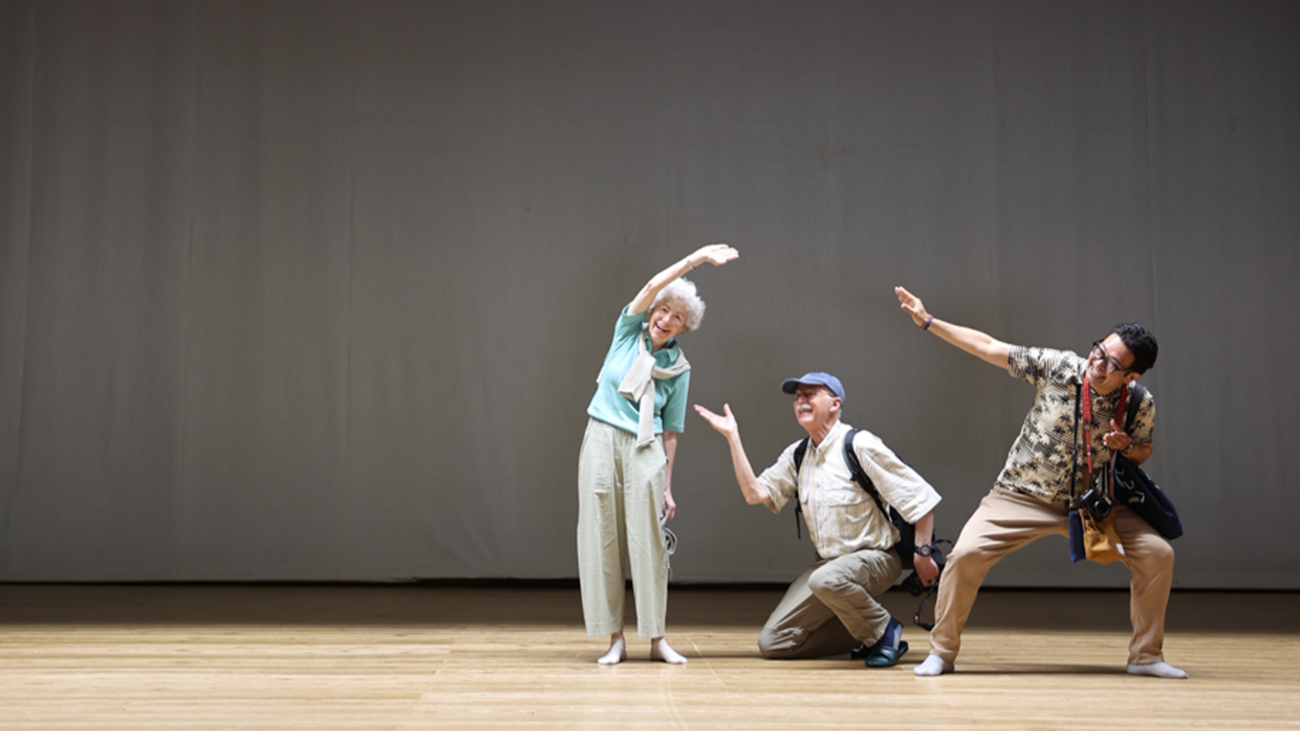
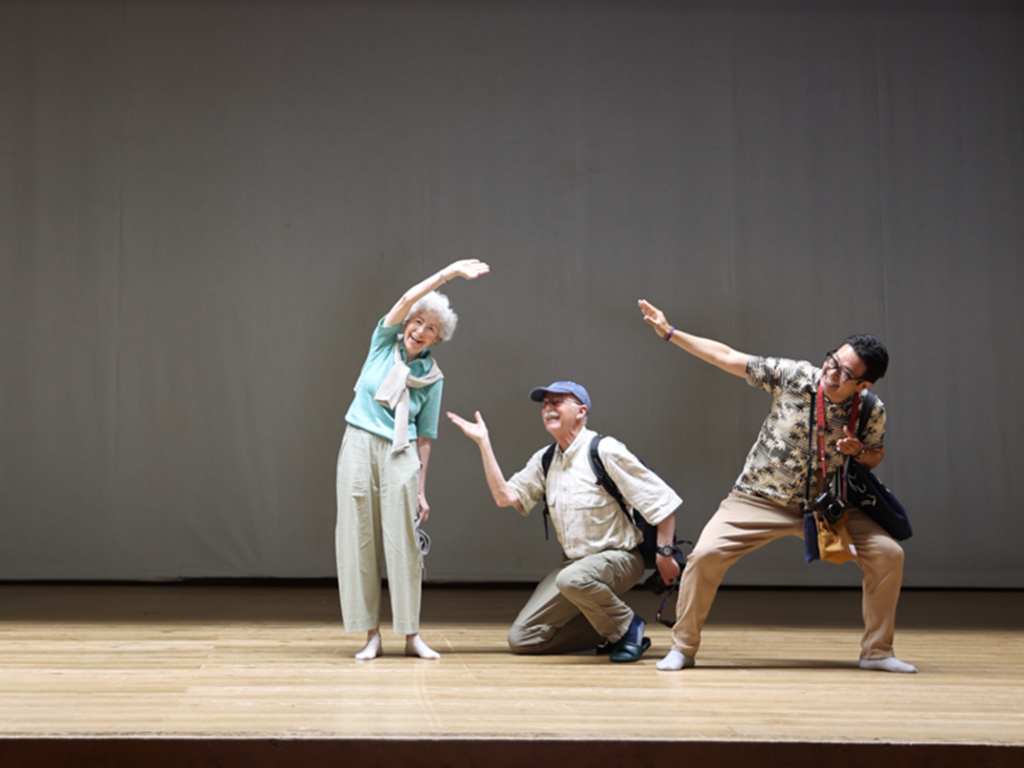
We travelled up into the mountains to Yusuhara Town to see the buildings designed by architect Kengo Kuma, where contemporary timber architecture sits in quiet harmony with the surrounding landscape. Returning to Ozu City, our guests visited Bansenso and Garyu Sanso, two fine examples of Japan’s traditional sukiya-style architecture. A second night at NIPPONIA Ozu.
Day 6
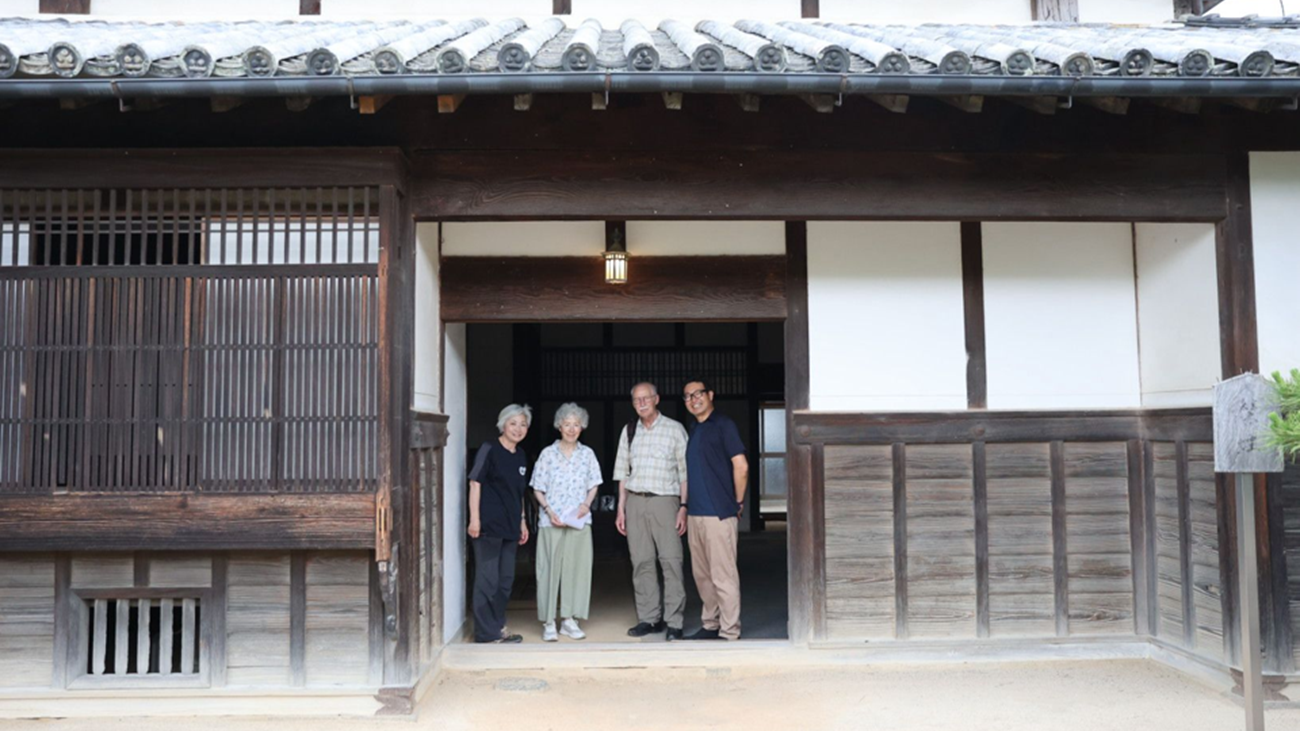
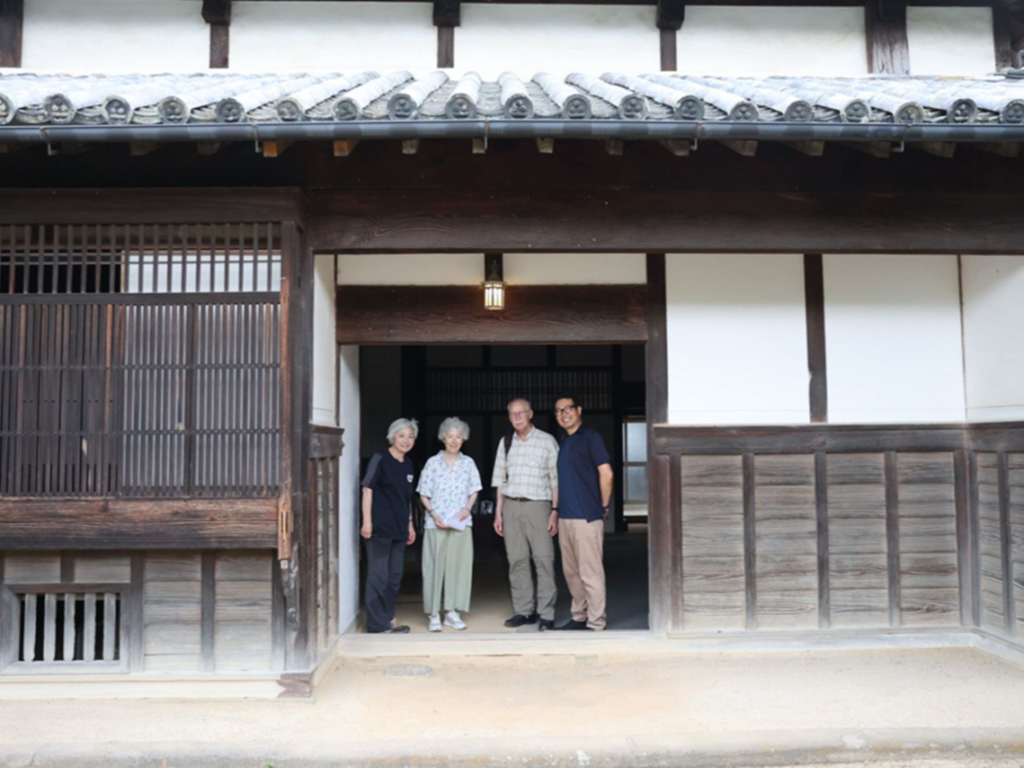
In Tobe Town we visited a Tobe-yaki pottery workshop and watched the artisans at work. Our guests then took part in an Ohenro experience at the Watanabe Family House, donning the white pilgrim’s robe and learning about the culture of the Shikoku pilgrimage. In the evening we visited Dogo Onsen, one of Japan’s oldest hot spring towns. The night was spent at Dogo Miyu in Matsuyama City.
Day 7
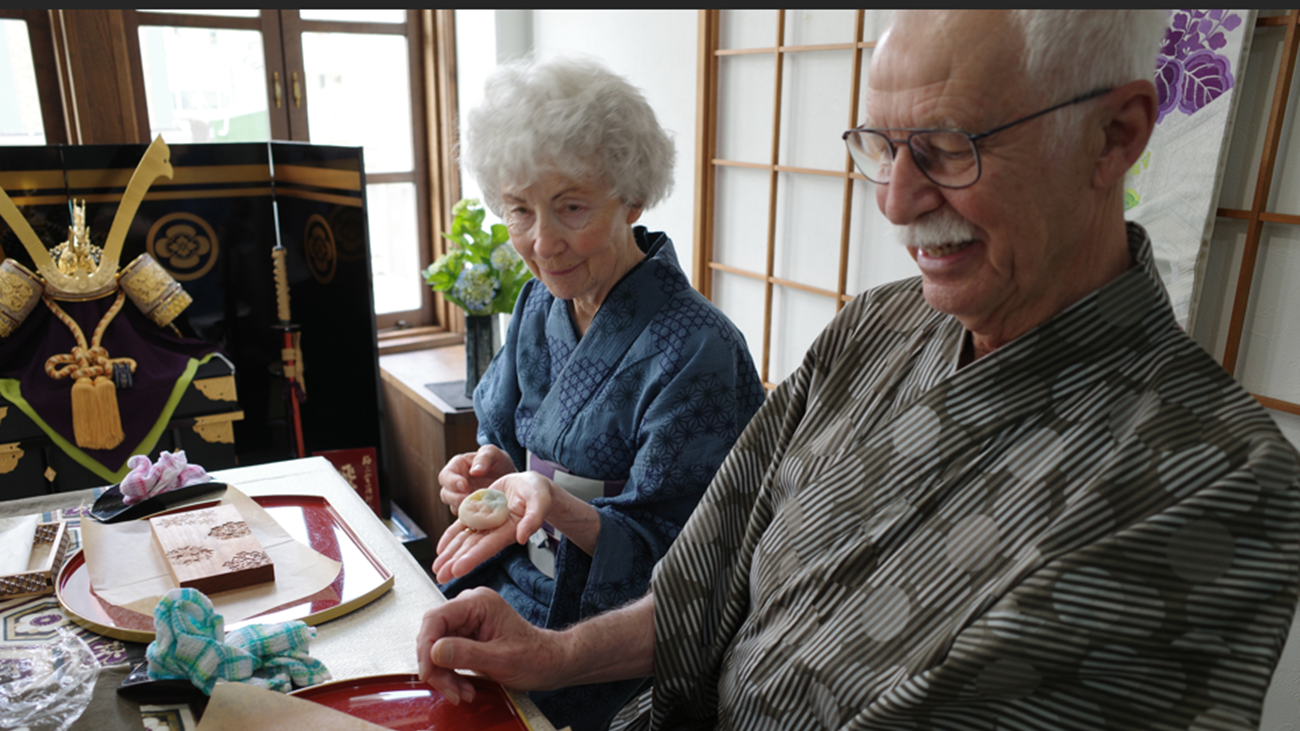
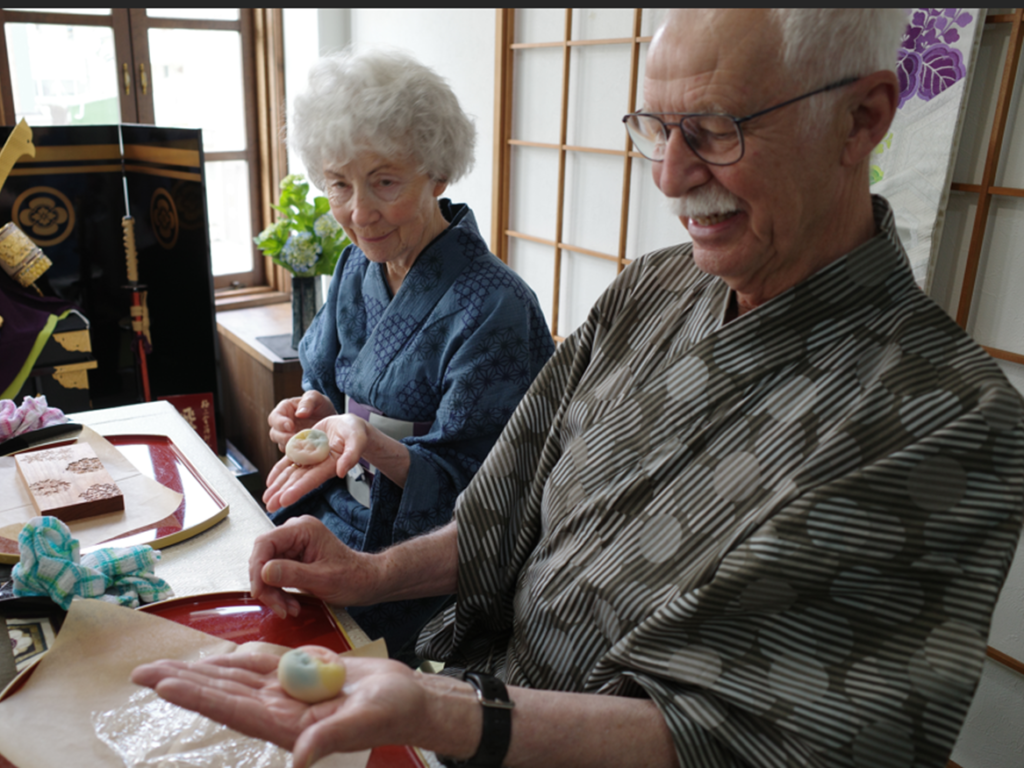
Our guests were dressed in yukata and spent the day in traditional summer attire. They then took part in a wagashi workshop, shaping the delicate seasonal sweets by hand. In the afternoon we visited Matsuyama Castle, where the keep offers sweeping views over the city below. A second night at Dogo Miyu.
Day 8
Our guests departed from Matsuyama Port for Hiroshima, bringing their eight-day journey to a close — a trip that traced Shikoku’s landscapes, history, craftsmanship, and above all, its people.
Review
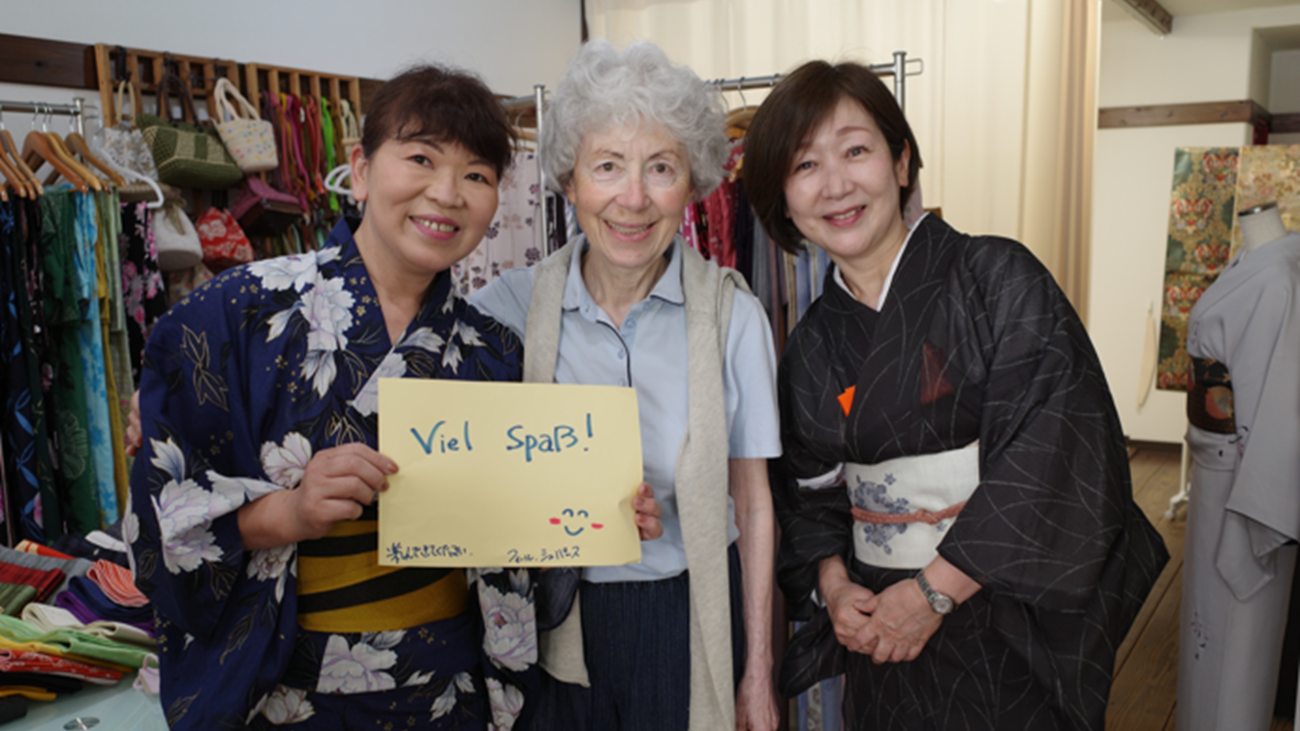
We arrived home safely; everything went smoothly.
We would like to thank you once again for your excellent care and the great effort you put into looking after us.
We had a wonderful time on Shikoku, enjoying the unexpected sightseeing and workshop experiences.
Many thanks, too, for the thoughtful surprises and gifts for Christine’s birthday.
Finally, thank you for the many lovely photos you took of us.
All the best for now; stay healthy and keep up the great work planning your travel itineraries.
…Thank you very much for your email and the wonderful video. You have given us great joy and a lasting memory of the fantastic time we spent with you in Shikoku. Shikoku captivated us so much that we would love to come back again.
…Now, whenever we tell our friends about the trip, we can quickly revisit and deepen our enthusiasm for Japan—and Shikoku in particular—through the photos. Moreover, your photo books have inspired us to want to visit Shikoku again and discover more beautiful regions. I’m sure you have plenty of ideas for that. Let’s hope we all stay healthy and can make our dreams come true. All the best and much success to you.