
Just beyond Japan’s familiar routes lies the smallest of its four main islands. Kagawa, Tokushima, Kochi and Ehime each have a character of their own, yet the calm Seto Inland Sea, the open Pacific and the highest peak in western Japan are all within reach. Shikoku rewards travelers who take their time—and the journey between places is often the highlight.
Four Prefectures, One Island
Shikoku is Japan’s smallest main island, and one of its least-traveled. Four prefectures (Ehime, Kagawa, Kochi and Tokushima) share calm Seto Inland Sea islands, deep mountain valleys, clear rivers and wild Pacific coast. Forested mountains run through the heart of the island, so each region has grown up facing its own sea, with its own climate, food and way of life.
Linking them all is the Shikoku Pilgrimage, a loop of 88 temples said to date back some 1,200 years that still welcomes walkers today. Add hearty local food and small towns where daily life still follows the seasons, and Shikoku rewards travelers who take their time. This guide introduces what makes each part of the island special, so you can plan the Shikoku trip that suits you.
Ehime
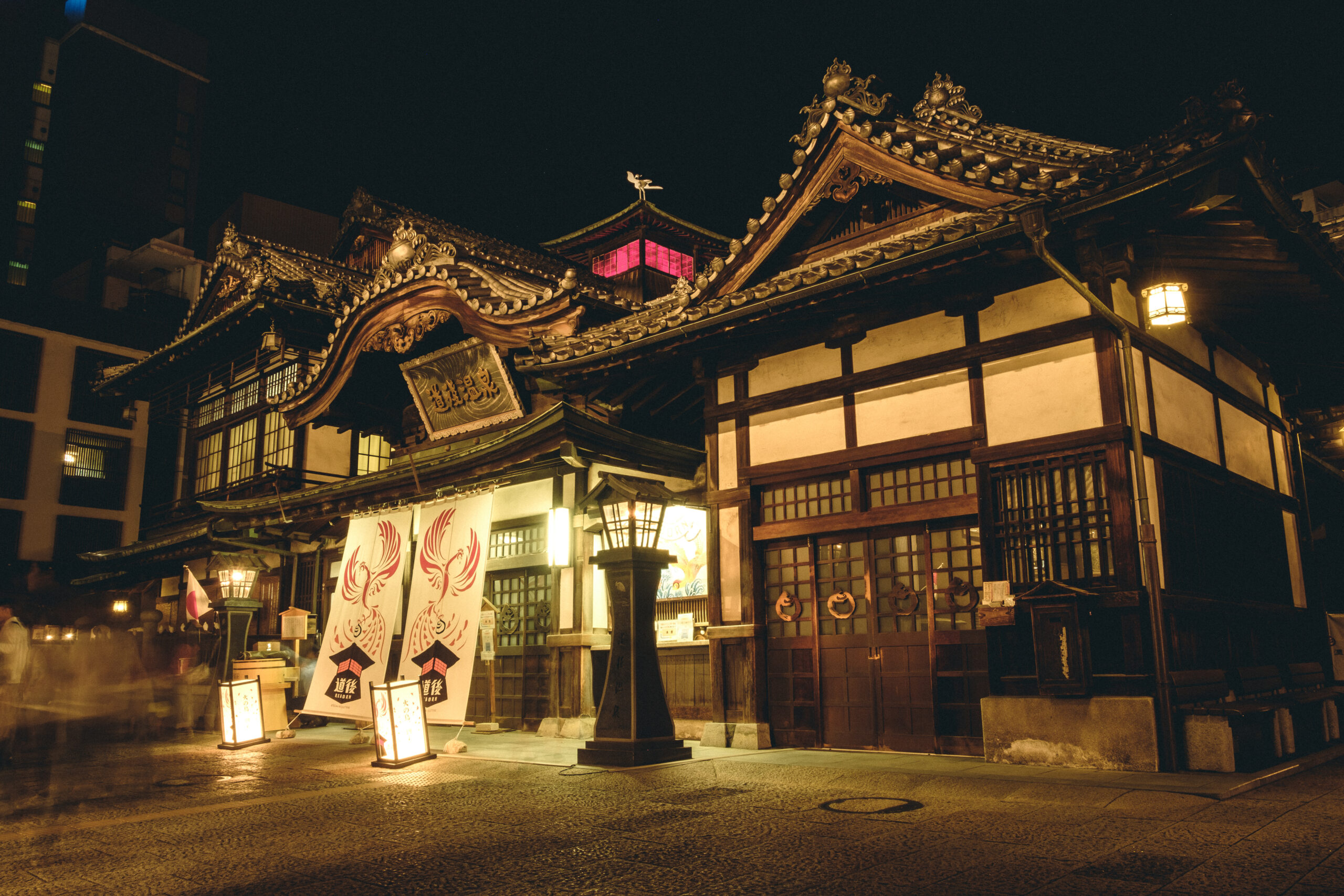
dogo

Niihama
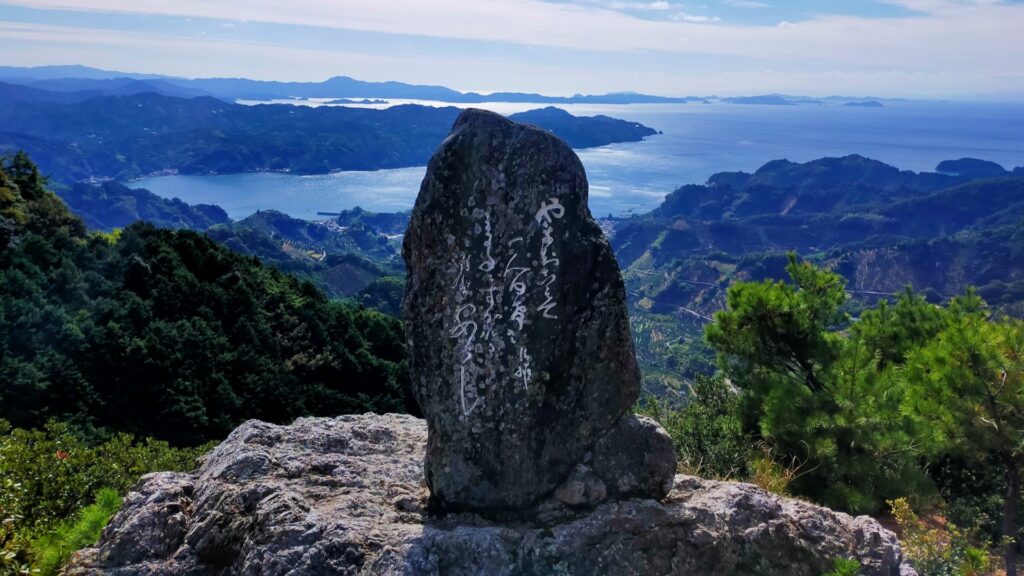
Seiyo
Ehime stretches from the island-dotted Seto Inland Sea to the rugged ria coastline of the Uwa Sea, with Mt. Ishizuchi, the highest peak in western Japan, rising behind. Cyclists cross the islands on the Shimanami Kaido, while the Hijikawa River winds quietly through the southern hills. Known as Japan’s citrus kingdom, Ehime offers sweet mikan oranges, tai-meshi (sea bream rice), and jakoten fish cakes from the southern coast. History lives on at Dogo Onsen, one of Japan’s oldest hot springs, at the hilltop Matsuyama Castle, and in preserved merchant towns such as Uchiko and Unomachi. Everyday life follows the rhythm of the seasons, from busy fishing ports and citrus orchards to lively autumn festivals, when portable shrines and towering festival floats fill the streets.
Kagawa
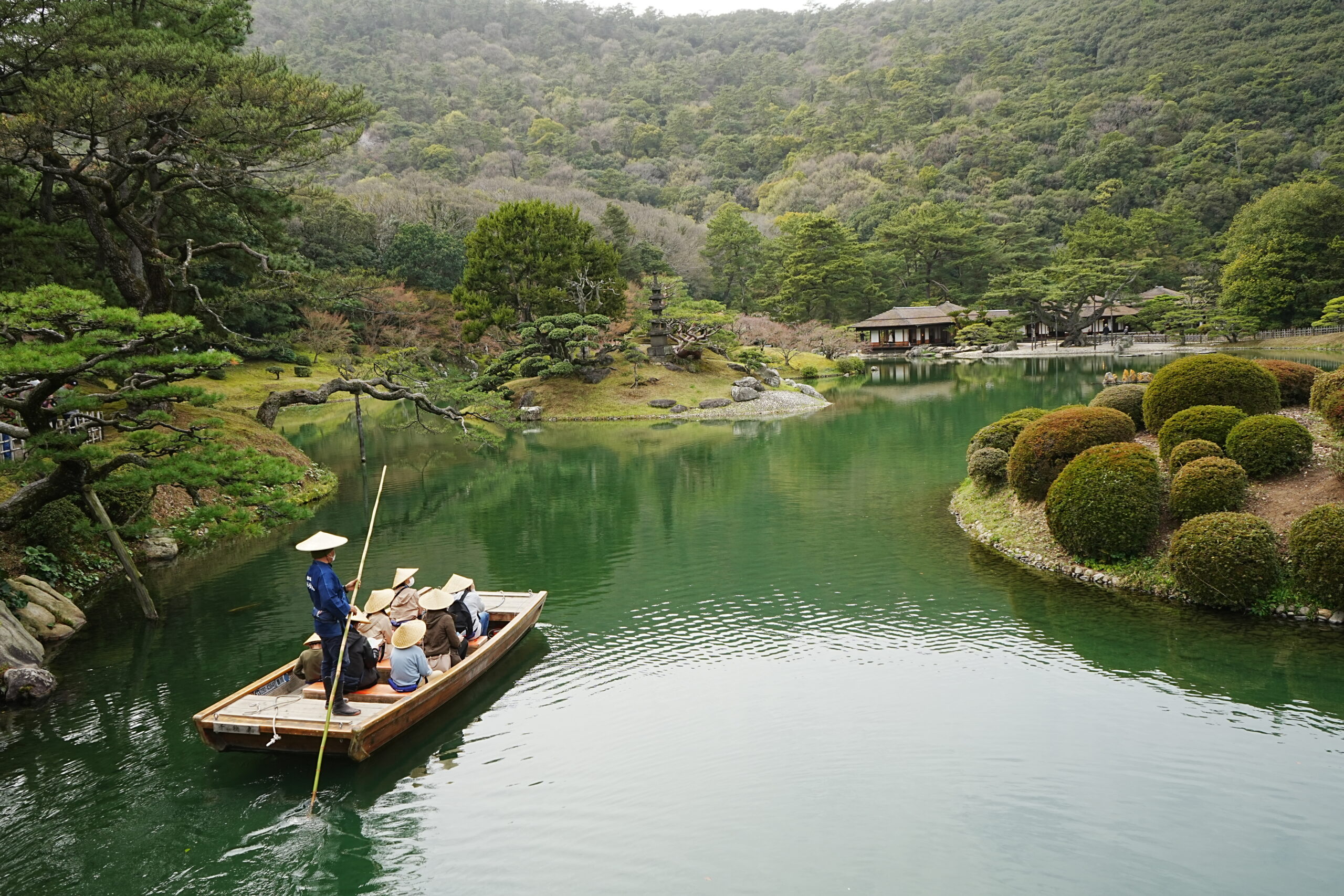
Takamatsu
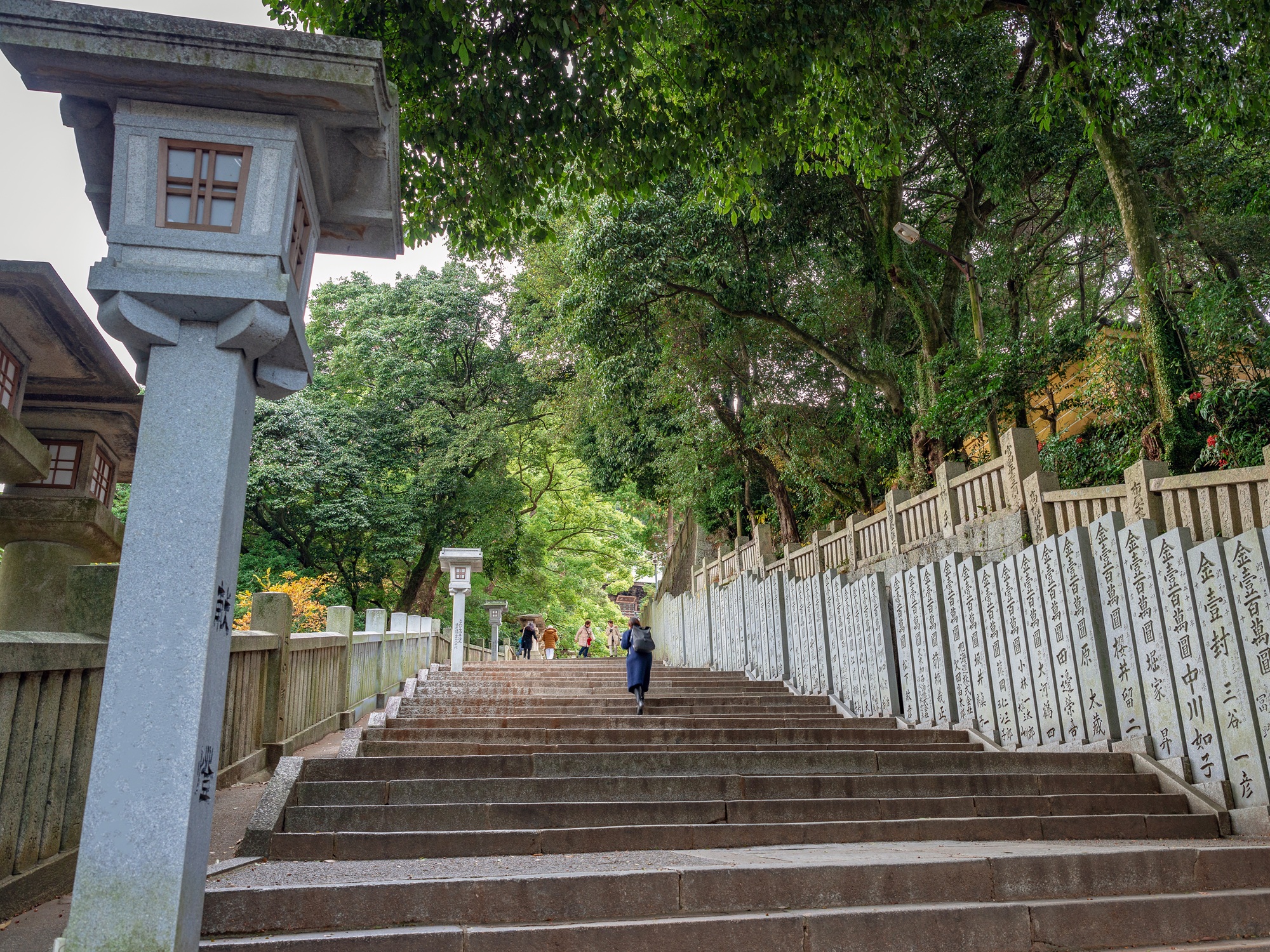
Kotohira
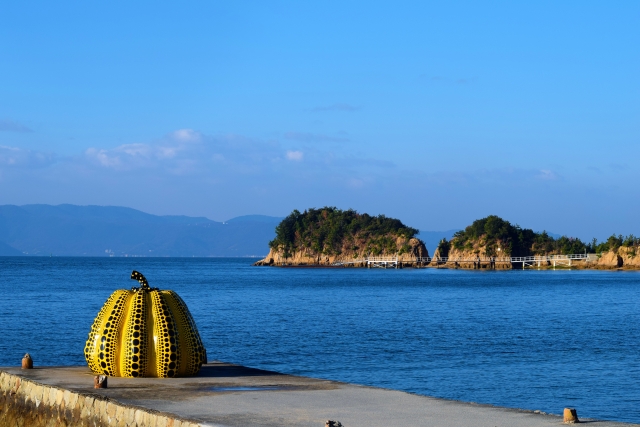
Naoshima
Japan’s smallest prefecture, Kagawa looks out over the calm Seto Inland Sea and its scattered islands, from olive-covered Shodoshima to the art islands of Naoshima and Teshima. Gentle, rounded peaks such as Mt. Iino, nicknamed “Sanuki Fuji,” rise from the plains. Kagawa is famous across Japan as the home of Sanuki udon, firm, chewy noodles served at hundreds of local shops, alongside honetsuki-dori, spicy roasted chicken on the bone. Visitors can climb the long stone stairway to Kotohira-gu Shrine, stroll through the classical Ritsurin Garden, and see Kanamaru-za, Japan’s oldest surviving kabuki theater. Local life centers on the morning udon shop, where office workers and farmers line up side by side, and on the island communities that welcome visitors during the Setouchi Triennale art festival.
Tokushima
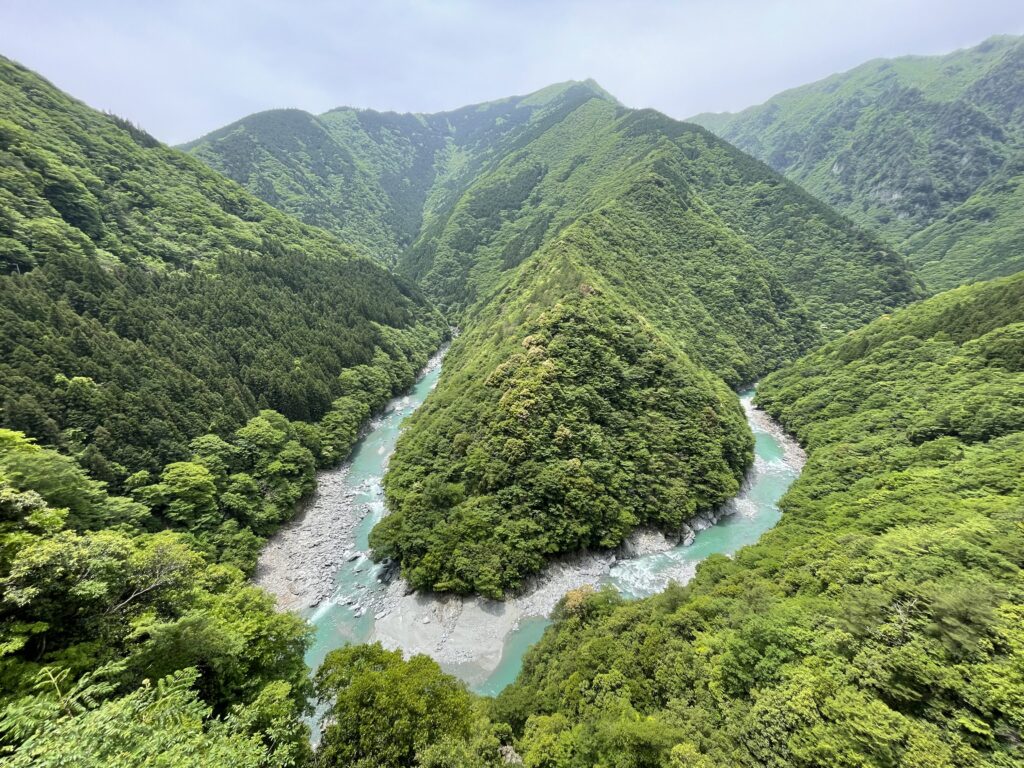
Iya
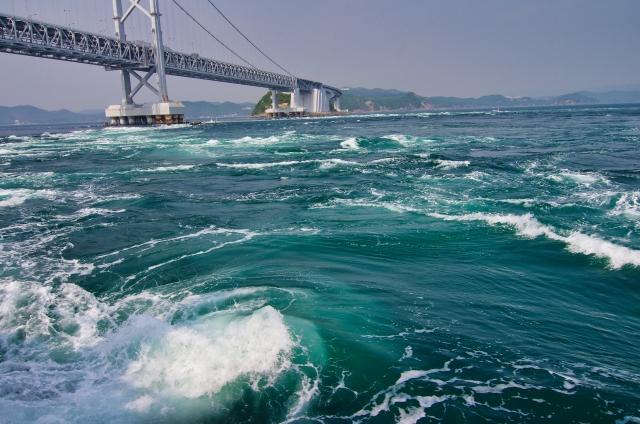
Naruto
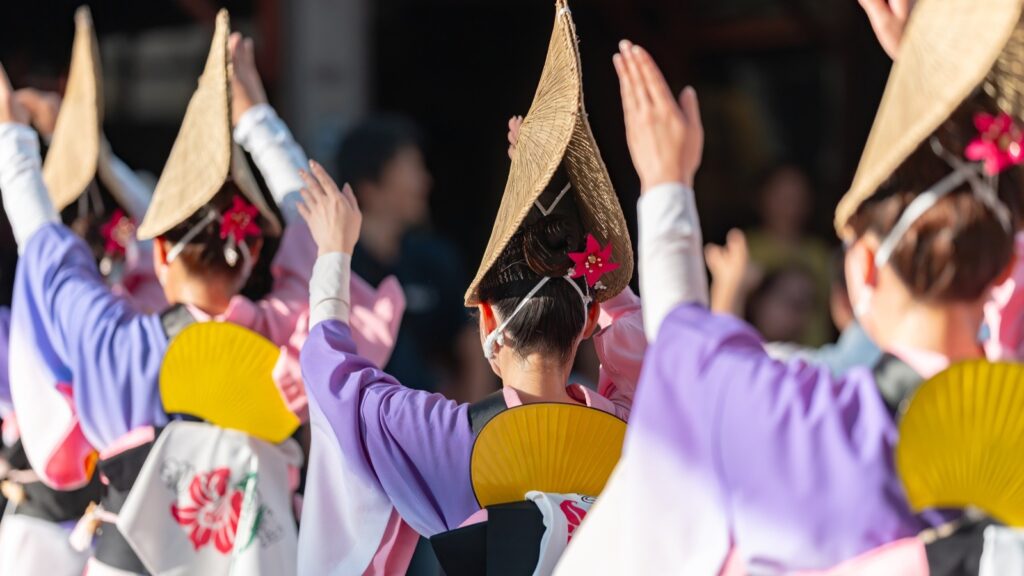
Tokushima
In Tokushima, the powerful Naruto whirlpools churn in the strait between the Seto Inland Sea and the Pacific, while inland the Yoshino River carves through the deep gorges of Oboke and Koboke. Further into the mountains, the remote Iya Valley is crossed by bridges woven from mountain vines. Local tables feature Tokushima ramen, rustic Iya soba, Naruto wakame seaweed, and sudachi, a tart green citrus squeezed over almost everything. Tokushima is the starting point of the Shikoku pilgrimage, and its traditions include indigo dyeing (aizome) and Awa puppet theater. Every August, the whole city comes alive for the Awa Odori, when thousands of dancers fill the streets, and everyone is invited to join in.
Kochi
Tosashimizu
Kochi

Shimanto
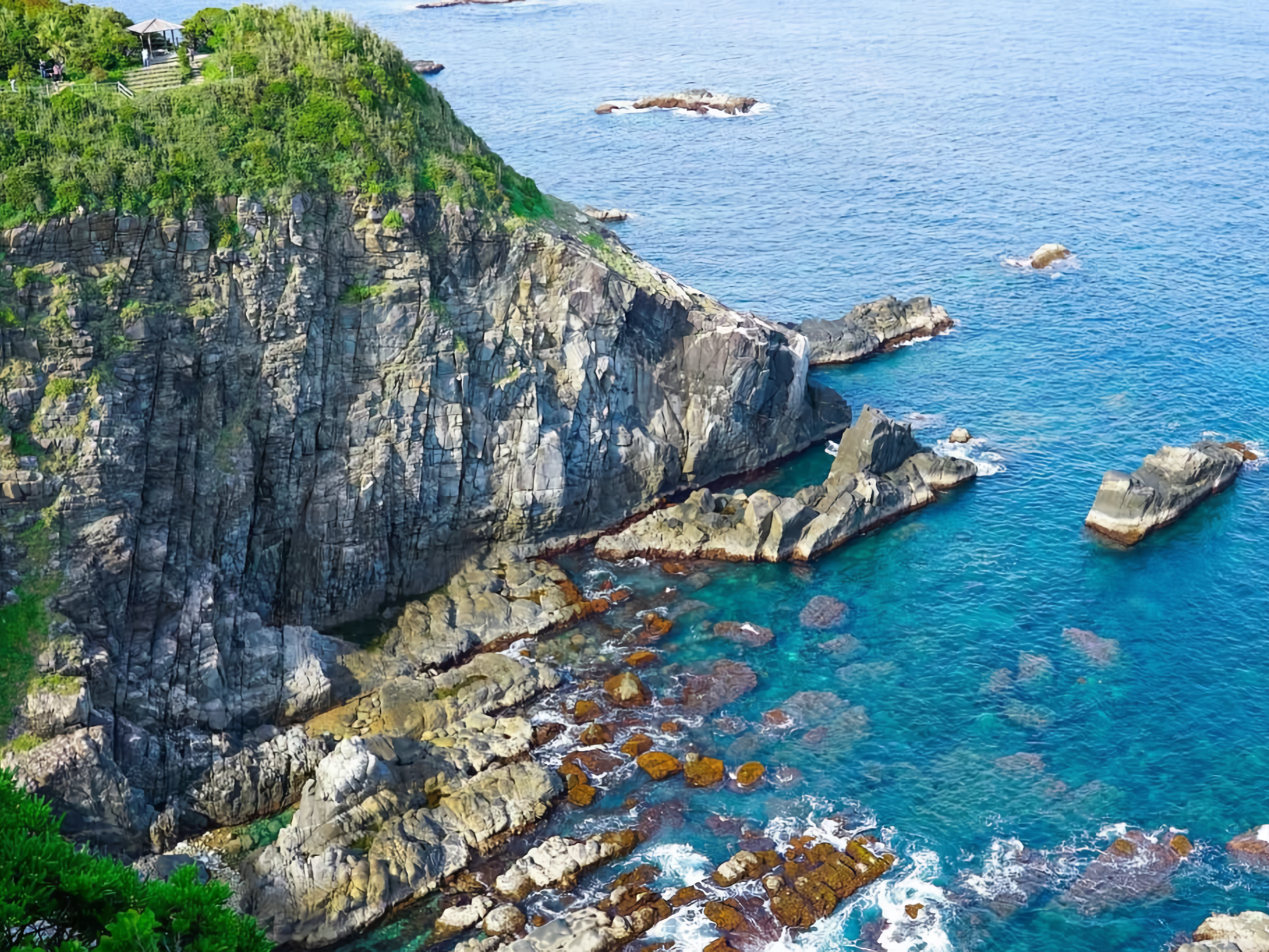
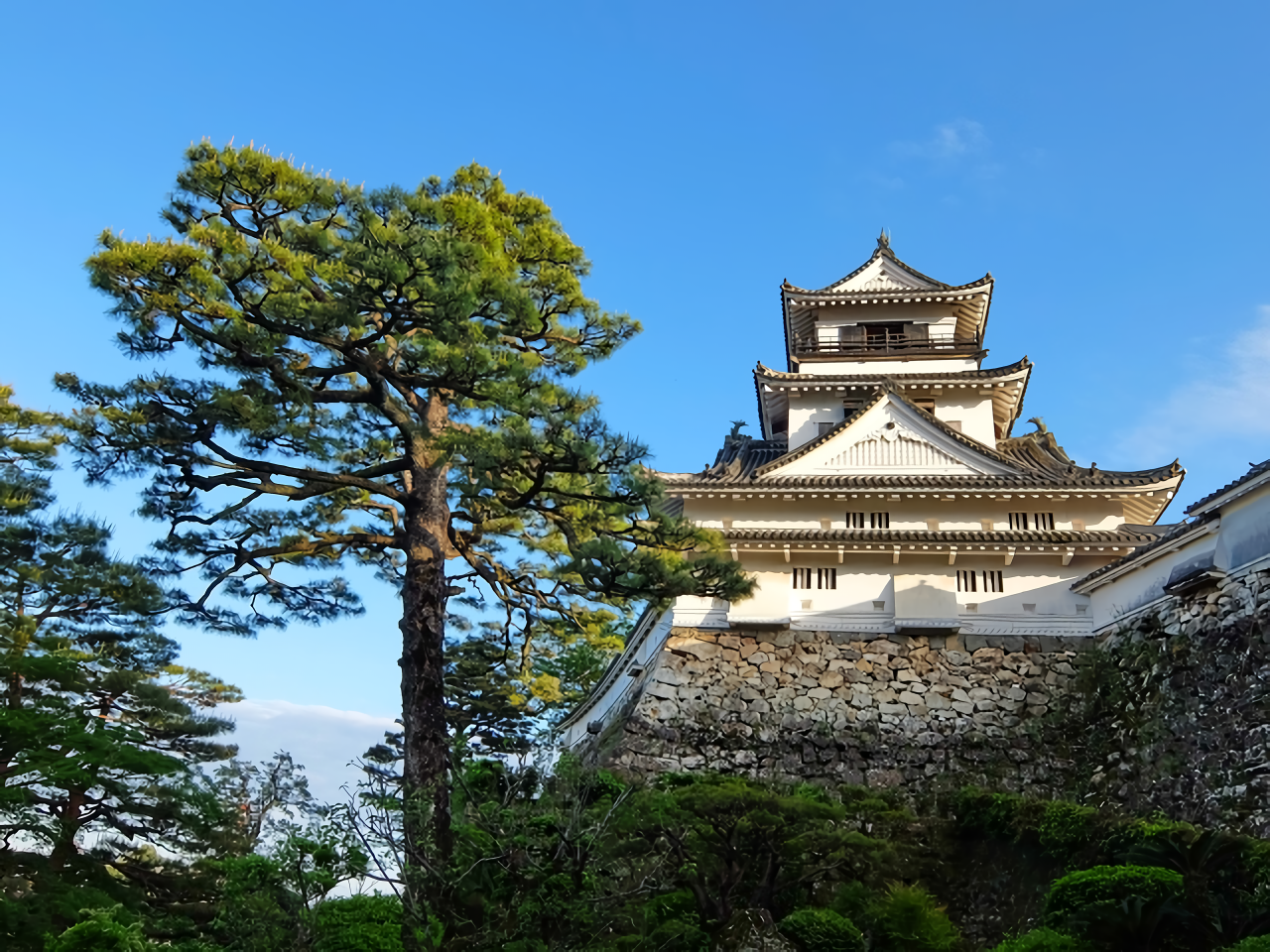
Facing the open Pacific Ocean, Kochi is a land of dramatic capes, crashing waves, and some of Japan’s clearest rivers. The Shimanto River flows freely through the countryside, and the Niyodo River is famed for its striking blue water. Kochi’s signature dish is katsuo no tataki, bonito seared over a roaring straw fire, often enjoyed at large shared platters known as sawachi ryori. The prefecture is the birthplace of Sakamoto Ryoma, a key figure of Japan’s modernization, and Kochi Castle still preserves its original keep. Daily life is lively and open: locals shop at the centuries-old Sunday Market along Otesuji Street, share drinks with strangers at Hirome Market, and dance through the summer heat during the energetic Yosakoi Festival.
SEAS & ISLANDS
On one side, the calm Seto Inland Sea, scattered with islands. On the other, the wide-open Pacific. Shikoku’s coastline offers two very different seas—and countless reasons to slow down.
Ride the Shimanami Kaido
Linking Imabari in Ehime with Onomichi in Hiroshima, this route of about 70 kilometers crosses the Inland Sea island by island, bridge by bridge. Dedicated cycling lanes, island cafés and sweeping views make it one of Japan’s best-loved rides—and you can easily enjoy just one section.
Islands of art
Off the coast of Kagawa, islands such as Naoshima and Teshima pair contemporary art and architecture with quiet fishing villages. Take a ferry from Takamatsu, wander between galleries and harbors, and let the island set the rhythm of your day.
Where the tides meet
In Tokushima’s Naruto Strait, powerful tidal currents form swirling whirlpools you can watch from sightseeing boats or a walkway beneath the Onaruto Bridge. On the Pacific side, Kochi’s Katsurahama beach and the cliffs of Cape Ashizuri reveal a wilder coast.
MOUNTAINS & RIVERS
Most of Shikoku is mountain and forest. Its rivers run clear, its valleys run deep, and its high plateaus open onto wide skies. Trade the city’s hum for birdsong and flowing water.
Into the Iya Valley
Deep in western Tokushima, steep gorges shelter mountain villages and the famous vine bridges, woven from wild plants and crossed one careful step at a time. Nearby, the Yoshino River cuts through the Oboke Gorge, a popular spot for sightseeing boats and whitewater rafting.
Rivers that run clear
Kochi’s Shimanto River is often called Japan’s last clear stream. Look for its low “submersible bridges,” built without railings so floodwaters can pass over them. Not far away, the Niyodo River is known for a vivid, transparent color locals call “Niyodo Blue.”
Above the clouds
Along the Ehime–Kochi border, the Shikoku Karst stretches across a limestone plateau around 1,400 meters high, with grasslands, grazing cattle and scattered white rocks. Its Onogahara area lies in Seiyo City, part of the Shikoku Seiyo Geopark—a UNESCO Global Geopark where you can follow the land’s story from the plateau all the way down to the sea.
LOCAL FLAVORS
Each prefecture brings something different to the table: noodles in Kagawa, seared bonito in Kochi, citrus in Ehime, sudachi in Tokushima.
HISTORY & CULTURE
A pilgrimage of 88 temples. Four original castles. Summer festivals that fill entire cities with dance. In Shikoku, history isn’t kept behind glass—it’s part of daily life.
Walk the pilgrim’s path
The Shikoku Pilgrimage links 88 temples across all four prefectures on a route of roughly 1,200 kilometers, associated with the monk Kukai (Kobo Daishi), who was born in Shikoku. Pilgrims in white still walk it today. You don’t need to complete the circuit—visiting one or two temples or walking a short stretch is a meaningful way in.
Castles, shrines and old towns
Four of Japan’s twelve original castle keeps stand in Shikoku: Matsuyama, Uwajima, Kochi and Marugame. Climb the stone steps of Kotohira-gu (Konpira-san), soak in Matsuyama’s historic Dogo Onsen, or stroll the preserved streets of Uchiko and Unomachi in Seiyo.
Dance, indigo and craft
Every August, Tokushima’s Awa Odori fills the streets with dancers, while Kochi’s Yosakoi festival brings dance and wooden clappers to the city. Craft traditions live on as well, from Awa indigo dyeing and Tobe-yaki porcelain to Marugame paper fans and Tosa washi paper.